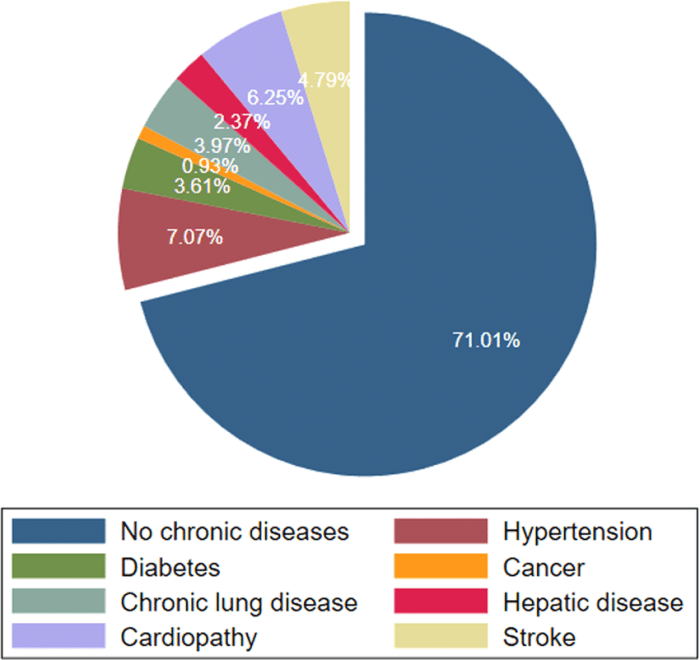
Overview of Chronic Diseases and the Aging Population
Chronic diseases are long-lasting conditions that often worsen over time and require ongoing medical attention. These diseases can significantly impact the quality of life of individuals, especially as they age. The aging population is particularly vulnerable to chronic diseases due to factors such as weakened immune systems, reduced organ function, and lifestyle choices over time.
Impact of Chronic Diseases on the Aging Population
Chronic diseases such as heart disease, diabetes, arthritis, and dementia are prevalent among the elderly and can lead to various complications, including disability, reduced mobility, and increased healthcare costs. These conditions can also increase the risk of other health issues and decrease life expectancy.
- Heart disease: According to the CDC, heart disease is the leading cause of death among adults aged 65 and older.
- Diabetes: The risk of developing type 2 diabetes increases with age, affecting around 25% of individuals over 65.
- Arthritis: Osteoarthritis and rheumatoid arthritis are common chronic conditions that affect mobility and quality of life in older adults.
- Dementia: Conditions like Alzheimer’s disease can significantly impact cognitive function and daily activities in the elderly population.
Importance of Preventive Care in Managing Chronic Diseases
Chronic diseases and the aging population – Preventive care plays a crucial role in reducing the risk of chronic diseases and improving the overall health outcomes of individuals, especially the aging population.
Significance of Preventive Care
- Regular health screenings and check-ups can help detect potential health issues early on, allowing for timely intervention and management.
- Healthy lifestyle habits, such as maintaining a balanced diet, engaging in regular physical activity, and avoiding tobacco and excessive alcohol consumption, can prevent the onset of chronic conditions.
- Educating individuals about the importance of preventive care and empowering them to take control of their health can lead to better health outcomes and quality of life.
Early Detection and Intervention
- Early detection of chronic diseases through screenings can prevent the progression of conditions and minimize complications.
- Timely intervention, such as medication management, lifestyle modifications, and targeted therapies, can effectively manage chronic conditions and improve overall health.
- Regular monitoring and follow-ups with healthcare providers are essential to track the progression of chronic diseases and adjust treatment plans accordingly.
Strategies for Promoting Preventive Care
- Implementing community-based education programs to raise awareness about the importance of preventive care and healthy lifestyle choices.
- Encouraging regular health check-ups and screenings for early detection of chronic diseases among the aging population.
- Providing access to affordable healthcare services and resources to ensure that individuals have the support they need to prioritize their health and well-being.
Role of Healthy Eating in Managing Chronic Diseases
Eating a balanced and nutritious diet plays a crucial role in managing chronic diseases, especially in the aging population. Proper nutrition can impact the development, progression, and management of various chronic conditions.
Impact of Nutrition on Chronic Diseases
Nutrition can influence the risk factors associated with chronic diseases such as heart disease, diabetes, and hypertension.
- A diet rich in fruits, vegetables, whole grains, and lean proteins can help reduce inflammation and improve overall health.
- Consuming excessive processed foods, sugar, and unhealthy fats can exacerbate chronic conditions and lead to complications.
- Proper hydration is also essential for managing chronic diseases and supporting organ function.
Examples of a Balanced Diet, Chronic diseases and the aging population
A balanced diet should include a variety of nutrients to support overall health and well-being.
- Whole grains like brown rice, quinoa, and oats provide essential fiber and energy.
- Fruits and vegetables offer vitamins, minerals, and antioxidants crucial for immune function and disease prevention.
- Lean proteins such as poultry, fish, tofu, and legumes help maintain muscle mass and support metabolic processes.
Importance of Nutrition Education for Seniors
Seniors with chronic illnesses can benefit greatly from nutrition education tailored to their specific health needs.
- Understanding the impact of food choices on their conditions can empower seniors to make healthier decisions.
- Learning about portion control, meal planning, and reading food labels can help seniors manage their chronic diseases effectively.
- Nutrition education can also prevent malnutrition and ensure seniors are getting the essential nutrients they need for optimal health.
Benefits of Regular Exercise for Chronic Disease Management
Regular exercise plays a crucial role in managing chronic diseases and improving the overall quality of life for individuals dealing with such conditions. Physical fitness can help alleviate symptoms, increase energy levels, and reduce the risk of complications associated with chronic illnesses.
Types of Exercises Beneficial for Seniors with Chronic Conditions
- Aerobic exercises: Activities like walking, swimming, or cycling can improve cardiovascular health, stamina, and overall fitness.
- Strength training: Resistance exercises help build muscle mass, increase bone density, and enhance strength, which is essential for managing conditions like osteoporosis or arthritis.
- Flexibility exercises: Stretching routines can improve joint mobility, reduce stiffness, and enhance overall flexibility, crucial for individuals with conditions like rheumatoid arthritis.
Importance of Personalized Exercise Routines for Managing Specific Chronic Illnesses
Personalized exercise routines tailored to an individual’s specific chronic condition can provide targeted benefits and minimize the risk of exacerbating symptoms. By working with healthcare professionals or certified trainers, individuals can create safe and effective exercise plans that address their unique needs and limitations. This personalized approach ensures that the exercise routine is optimized to manage the chronic illness effectively while promoting overall health and well-being.
Promoting Mental Wellness in the Aging Population: Chronic Diseases And The Aging Population
Promoting mental wellness in the aging population is crucial for overall health and quality of life. As older adults face various challenges such as chronic diseases, loneliness, and other age-related issues, maintaining good mental health is essential for their well-being.
Connection between Mental Health and Chronic Diseases in Older Adults
Older adults with chronic diseases often experience higher levels of stress, anxiety, and depression. The emotional toll of managing a chronic condition can impact mental health and overall quality of life. It is important to address both physical and mental well-being to ensure a holistic approach to healthcare for seniors.
Strategies for Promoting Mental Wellness and Reducing Stress among Seniors
- Encouraging social interactions and community involvement to combat loneliness and isolation.
- Providing access to mental health resources and support services tailored to the needs of older adults.
- Promoting mindfulness practices, relaxation techniques, and stress management strategies.
- Encouraging regular physical exercise, which has been shown to improve mood and reduce stress levels.
Impact of Mental Wellness on Overall Health and Well-being in the Elderly
Maintaining good mental health in the elderly can lead to better management of chronic diseases, improved cognitive function, and a higher quality of life. Seniors who prioritize their mental wellness are more likely to engage in healthy behaviors, adhere to treatment plans, and experience a greater sense of fulfillment and happiness in their later years.
Understanding Holistic Wellness Approaches for Chronic Disease Management
Holistic wellness involves treating the whole person, considering their physical, mental, emotional, and spiritual well-being. This approach is particularly relevant in managing chronic diseases in the aging population as it focuses on addressing the root causes of illness and promoting overall health and vitality.
Integration of Complementary Therapies in Conventional Treatment
Holistic wellness emphasizes the integration of complementary therapies alongside conventional medical treatment for chronic conditions. These therapies can include acupuncture, massage therapy, yoga, meditation, and nutritional counseling. When used in conjunction with traditional medicine, complementary therapies can help reduce symptoms, improve quality of life, and support the body’s natural healing processes.
Examples of Holistic Wellness Practices for Seniors
1. Acupuncture: This ancient Chinese practice involves the insertion of thin needles into specific points on the body to promote balance and alleviate pain. Acupuncture has been shown to be effective in managing chronic pain, arthritis, and other age-related conditions.
2. Mindfulness Meditation: Practicing mindfulness meditation can help seniors reduce stress, improve sleep, and enhance overall well-being. Mindfulness techniques can also help older adults cope with chronic illnesses and improve their quality of life.
3. Nutritional Counseling: A balanced diet plays a crucial role in managing chronic diseases. Nutritional counseling can help seniors make healthier food choices, manage weight, and reduce the risk of complications associated with conditions like diabetes, heart disease, and hypertension.
4. Tai Chi: This gentle form of exercise combines slow, flowing movements with deep breathing and meditation. Tai Chi has been shown to improve balance, flexibility, and strength in older adults, making it an excellent practice for managing chronic conditions like osteoarthritis and osteoporosis.
Immunity Boosters for the Aging Population with Chronic Diseases
As individuals age and deal with chronic diseases, having a strong immune system becomes crucial in managing their health. A robust immune system can help prevent infections and complications, ultimately improving the overall quality of life for seniors.
Natural Immunity Boosters
There are several natural immunity boosters that can aid the aging population in preventing infections and staying healthy. These include:
- Consuming a diet rich in fruits, vegetables, and whole grains to provide essential vitamins and minerals that support immune function.
- Getting regular exercise to improve circulation and immune system response.
- Managing stress through techniques like meditation, yoga, or mindfulness to reduce inflammation and boost immunity.
Lifestyle Choices and Dietary Supplements
Aside from natural ways to boost immunity, seniors can also consider lifestyle choices and dietary supplements to enhance their immune function. Some tips include:
- Getting enough sleep to allow the body to repair and regenerate, strengthening the immune system.
- Staying hydrated to support immune function and flush out toxins from the body.
- Considering supplements like vitamin C, vitamin D, zinc, and probiotics to fill any nutritional gaps and boost immunity.
Essential Questionnaire
How do chronic diseases impact the aging population?
Chronic diseases can significantly affect the health and quality of life of elderly individuals, leading to complications and increased healthcare needs.
What are some effective strategies for promoting preventive care among seniors?
Encouraging regular health check-ups, maintaining a healthy lifestyle, and staying active can help seniors prevent and manage chronic diseases effectively.
Why is mental wellness important for the elderly with chronic diseases?
Mental wellness plays a crucial role in overall health and can impact the management of chronic conditions in the aging population.
How can complementary therapies be integrated into conventional treatments for chronic diseases?
Complementary therapies like acupuncture, massage, or meditation can be used alongside traditional medical treatments to enhance holistic wellness in seniors with chronic illnesses.
What lifestyle choices can help boost immunity in the aging population?
A balanced diet, regular exercise, proper sleep, and stress management are essential lifestyle factors that can boost immunity and support overall health in seniors with chronic diseases.