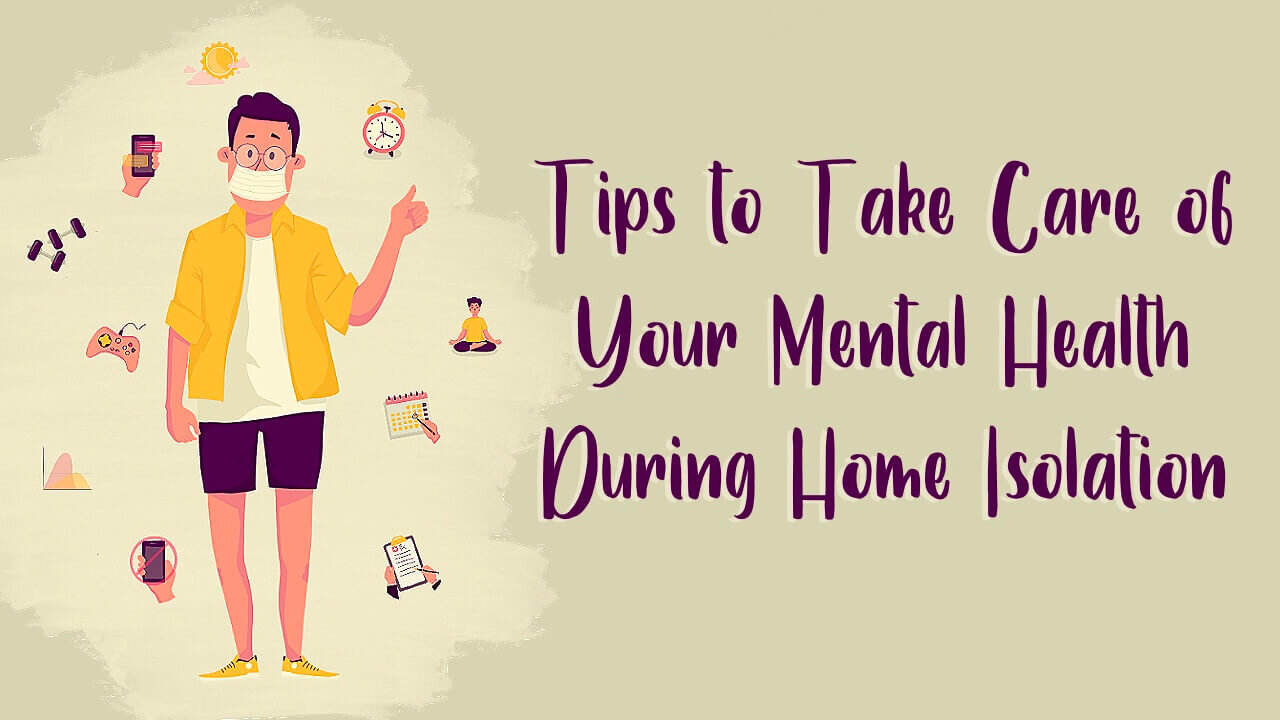
Mental Wellness
Maintaining mental wellness during isolation is crucial for overall well-being. It’s important to check in with yourself and loved ones regularly to ensure everyone is coping well. Incorporating mindfulness practices into your daily routine can help reduce stress and promote a sense of calm. Journaling or engaging in creative expression can also be beneficial in processing emotions and promoting mental well-being.
Strategies for Maintaining Mental Wellness
- Establish a daily routine to provide structure and stability.
- Stay connected with friends and family through virtual platforms.
- Practice relaxation techniques such as deep breathing or meditation.
- Engage in physical activity to boost mood and reduce anxiety.
- Limit exposure to news or social media that may increase stress levels.
Importance of Mental Health Check-ins
Mental health tips for staying connected during isolation – Regularly checking in with yourself and loved ones can help identify any concerning changes in mood or behavior. It allows for open communication and support during challenging times.
Incorporating Mindfulness Practices
- Start the day with a mindful activity such as yoga or meditation.
- Practice gratitude by reflecting on positive aspects of your life.
- Stay present in the moment by focusing on your senses and surroundings.
Benefits of Journaling and Creative Expression
Journaling allows for self-reflection and can help process emotions effectively. Engaging in creative activities like painting or writing can serve as a therapeutic outlet for expressing thoughts and feelings.
Physical Fitness
Maintaining physical fitness is crucial for overall well-being, especially during times of isolation. Engaging in simple at-home workout routines can help you stay active and improve both your physical and mental health.
Simple At-Home Workout Routines
- Start with a 10-15 minute warm-up session to get your blood flowing.
- Incorporate bodyweight exercises like squats, lunges, push-ups, and planks.
- Include cardio activities such as jumping jacks, high knees, or running in place.
- Finish with a cool-down period and stretches to prevent injury.
Connection Between Physical Activity and Mental Health
Regular physical activity has been shown to reduce symptoms of anxiety and depression, improve mood, and boost self-esteem. Exercise releases endorphins, which are known as “feel-good” hormones that can help alleviate stress and promote a sense of well-being.
Importance of Setting Fitness Goals
Setting fitness goals during isolation can help provide structure to your routine and give you a sense of accomplishment. Whether it’s aiming to increase your daily step count, improve your flexibility, or master a new exercise, having goals can keep you motivated and focused.
Tips for Staying Motivated to Exercise Regularly
- Find a workout buddy or join virtual fitness classes to stay accountable.
- Mix up your routine to prevent boredom and challenge different muscle groups.
- Reward yourself for reaching milestones, whether it’s with a healthy treat or a relaxing activity.
- Track your progress to see how far you’ve come and celebrate your achievements.
- Lean proteins such as chicken, fish, tofu, and legumes
- Whole grains like brown rice, quinoa, and whole wheat bread
- Plenty of fruits and vegetables for vitamins, minerals, and fiber
- Healthy fats from sources like avocados, nuts, and olive oil
- Dairy or dairy alternatives for calcium and vitamin D
- Establish a routine for physical activity, healthy eating, and mental wellness to boost your immune system and overall health.
- Stay connected with your healthcare provider through virtual appointments for regular check-ups and consultations.
- Ensure you are up-to-date on vaccinations and screenings to prevent the spread of infectious diseases and detect any health issues early.
- Practice good hygiene habits, such as frequent handwashing and sanitizing commonly touched surfaces, to reduce the risk of illness.
- Proteins: Essential for brain function and neurotransmitter production.
- Healthy fats: Omega-3 fatty acids are crucial for cognitive function and mood stability.
- Complex carbohydrates: Provide a steady source of energy for the brain.
- Vitamins and minerals: Support overall brain health and function.
- Fatty fish like salmon, nuts, and seeds for omega-3 fatty acids.
- Leafy greens, berries, and citrus fruits for vitamins and antioxidants.
- Whole grains, legumes, and lean proteins for sustained energy.
- Plan your meals ahead to ensure a variety of nutrients.
- Make a grocery list based on balanced meal options.
- Focus on whole, unprocessed foods while shopping.
- Set aside time each day for physical activity, whether it’s a workout, a walk, or some stretching exercises.
- Try to incorporate movement into your daily tasks, such as taking the stairs instead of the elevator or doing squats while brushing your teeth.
- Find activities that you enjoy, whether it’s dancing, yoga, or playing a sport, to make exercise more enjoyable and sustainable.
- Aerobic exercises like running or swimming can help release endorphins and reduce stress.
- Strength training can boost self-esteem and improve body image, leading to better mental health.
- Yoga and Pilates can help improve mindfulness and reduce symptoms of anxiety and depression.
- Set specific goals for your exercise routine and track your progress to stay motivated.
- Join virtual fitness classes or workout groups to stay connected and accountable.
- Mix up your routine to prevent boredom and keep things interesting.
- Local mental health clinics or centers
- Therapists or counselors specializing in mental health
- Support groups or hotlines for immediate assistance
- Online resources and telehealth services for virtual consultations
- Meditation: Incorporating meditation into your daily routine can help reduce stress, improve focus, and enhance emotional well-being. Find a quiet space, sit comfortably, and focus on your breath or a mantra to center your mind.
- Yoga: Practicing yoga not only improves physical strength and flexibility but also promotes mental clarity and emotional balance. Join online yoga classes or follow guided videos to experience the benefits of this ancient practice.
- Acupuncture: Acupuncture is a traditional Chinese medicine technique that involves inserting thin needles into specific points on the body to restore energy flow. It can help alleviate physical pain, reduce stress, and enhance overall wellness.
- Set Intentions: Start each day with a positive intention to guide your actions and mindset.
- Mindful Eating: Focus on nourishing your body with whole foods that support your physical and emotional well-being.
- Stay Active: Incorporate regular exercise, whether it’s yoga, walking, or dancing, to boost your mood and energy levels.
- Connect with Nature: Spending time outdoors can help reduce stress, increase feelings of happiness, and promote a sense of peace.
- Practice Gratitude: Take time to reflect on the things you are grateful for each day to cultivate a positive outlook and mindset.
- Stay in touch with your healthcare provider through telemedicine or virtual appointments to ensure continuity of care.
- Establish a routine that includes medication management, healthy eating, physical activity, and adequate rest.
- Utilize technology to connect with support groups or online communities for individuals with similar health challenges.
- Check online platforms such as patient forums, social media groups, or websites dedicated to specific chronic diseases.
- Join virtual support group meetings or webinars to share experiences, receive advice, and find emotional support.
- Explore teletherapy options for mental health support and coping strategies.
- Focus on a balanced diet rich in fruits, vegetables, whole grains, and lean proteins to support overall health.
- Engage in physical activity that is appropriate for your condition, whether it’s gentle stretching, walking, or chair exercises.
- Practice relaxation techniques such as deep breathing, meditation, or yoga to reduce stress and promote mental well-being.
- Include foods rich in vitamin C, such as citrus fruits, bell peppers, and strawberries, to boost your immune system.
- Consider adding garlic, ginger, and turmeric to your meals for their anti-inflammatory and immune-boosting properties.
- Probiotic-rich foods like yogurt and kefir can help maintain a healthy gut, which is essential for a strong immune response.
- Supplements like vitamin D, zinc, and echinacea may also support immune function when taken as directed.
- Get an adequate amount of sleep each night to allow your body to rest and recharge.
- Stay hydrated by drinking plenty of water throughout the day to support optimal immune function.
- Engage in regular physical activity, such as walking, yoga, or home workouts, to strengthen your immune system and overall health.
- Practice good hygiene habits, like washing your hands frequently and avoiding touching your face, to prevent the spread of germs.
Healthy Eating
Eating a balanced and nutritious diet at home is essential for maintaining both physical and mental well-being. The food we consume not only affects our physical health but also plays a significant role in our mental health and mood regulation.
Creating a Balanced Diet
Creating a balanced diet at home involves incorporating a variety of food groups to ensure you are getting all the essential nutrients your body needs. Consider including the following in your meals:
Impact of Diet on Mental Health
The food we eat can directly impact our mood, energy levels, and overall mental well-being. Consuming a diet rich in fruits, vegetables, whole grains, and lean proteins can support brain function and help regulate mood. On the other hand, a diet high in processed foods, sugar, and unhealthy fats may contribute to feelings of fatigue, irritability, and even depression.
Recipes for Brain Health
Here are a few meal ideas and recipes that promote brain health and mood regulation:
Salmon and avocado salad with quinoa
Vegetable stir-fry with tofu and brown rice
Greek yogurt with mixed berries and almonds
Oatmeal topped with walnuts and banana slices
Importance of Hydration
Staying hydrated is crucial for maintaining optimal brain function and mental clarity. Dehydration can lead to cognitive decline, fatigue, and difficulty concentrating. Make sure to drink plenty of water throughout the day and consider incorporating hydrating foods like fruits and vegetables into your meals.
Preventive Care
During isolation, it is crucial to focus on preventive care to maintain overall health and well-being. Preventive measures play a significant role in managing chronic conditions and ensuring that you stay healthy.
Tips for Preventive Care
Balanced Diet
Maintaining a well-balanced diet is crucial for supporting not only physical health but also mental well-being. The food we consume directly impacts our mood, cognitive function, and overall mental health. By understanding the components of a balanced diet and choosing foods that support brain health, we can optimize our mental wellness.
Components of a Well-Balanced Diet
Foods for Cognitive Function and Mood Stability
Meal Planning and Grocery Shopping Tips
Intuitive Eating for Mental Wellness
Intuitive eating is about listening to your body’s hunger and fullness cues without restrictions or rules. By practicing intuitive eating, individuals can develop a healthier relationship with food, reduce stress around eating, and improve overall mental wellness.
Regular Exercise
Regular exercise plays a crucial role in maintaining good mental health. Physical activity has been shown to reduce symptoms of anxiety and depression, improve mood, and increase overall well-being. It is important to find ways to stay active, especially during times of isolation.
Incorporating Exercise into Daily Routines
Mental Health Benefits of Different Types of Physical Activities
Staying Active and Motivated in Isolation, Mental health tips for staying connected during isolation
Mental Health
Understanding the importance of mental health is crucial for overall well-being. It involves recognizing and addressing mental health concerns, seeking help when needed, and promoting a supportive and stigma-free environment.
Significance of Mental Health Awareness and Destigmatization
Mental health awareness plays a vital role in breaking down barriers and misconceptions surrounding mental illness. By promoting open discussions and providing education, we can create a more understanding and accepting society. Destigmatization helps individuals feel comfortable seeking help and support without fear of judgment or discrimination.
Resources for Seeking Professional Help
Self-Care Practices for Mental Well-Being
Self-care is essential for maintaining good mental health. Incorporating practices like mindfulness, relaxation techniques, regular exercise, and adequate sleep can help reduce stress and improve overall well-being.
Personal Experiences and Success Stories
Sharing personal experiences of mental health recovery can inspire others and offer hope. Success stories highlight the importance of seeking help, following treatment plans, and practicing self-care to achieve positive outcomes in mental health.
Holistic Wellness: Mental Health Tips For Staying Connected During Isolation
Holistic wellness focuses on the interconnectedness of physical, emotional, and spiritual health to promote overall well-being. By addressing all aspects of health, individuals can achieve a more balanced and fulfilling life.
Holistic Practices
Creating a Holistic Wellness Routine
Chronic Diseases
Isolation can have a significant impact on individuals with chronic diseases, as it may lead to feelings of loneliness, increased stress, and lack of access to necessary medical care. Managing chronic conditions while staying connected is crucial for maintaining overall health and well-being. Here are some strategies to help individuals with chronic diseases navigate these challenges:
Strategies for Managing Chronic Conditions
Resources for Support Groups
Tips for Maintaining a Healthy Lifestyle
Immunity Boosters

Immunity boosters play a crucial role in keeping our bodies strong and resilient, especially during times of isolation. By incorporating certain foods and supplements into our diets, we can support a healthy immune system and overall well-being.
Foods and Supplements for Immune Support
Immunity and Mental Health
There is a strong connection between our immune system and mental health. Chronic stress and anxiety can weaken the immune response, making us more susceptible to illnesses. By practicing stress-reducing techniques like meditation, yoga, or deep breathing exercises, we can support both our mental well-being and immune function.
Immune-Boosting Recipes and Natural Remedies
Try incorporating ingredients like honey, lemon, and ginger into warm teas or soothing drinks to boost your immune system naturally. Additionally, recipes featuring colorful fruits and vegetables can provide a variety of vitamins and antioxidants to support overall health.
Lifestyle Habits for Immunity
Expert Answers
How can I stay mentally well during isolation?
Try incorporating mindfulness practices, journaling, and regular mental health check-ins with yourself and loved ones.
What are some tips for maintaining a balanced diet at home?
Focus on creating nutritious meals, stay hydrated, and include foods that support brain health and mood regulation.
Why is preventive care important during isolation?
Preventive measures help maintain overall health, manage chronic conditions, and ensure timely healthcare access.
How can I boost my immunity while in isolation?
Include immune-boosting foods, supplements, and lifestyle habits that strengthen your immune system.