How to Create a Regular Exercise Plan for Beginners

How to create a regular exercise plan for beginners

Embarking on a fitness journey can be daunting, especially for beginners. “How to create a regular exercise plan for beginners” is a question that often arises, and finding the right answer can be a challenge. This guide aims to provide a clear roadmap, making the transition into a regular exercise routine seamless and enjoyable.

We’ll delve into the numerous benefits of exercise, from improved physical health to enhanced mental well-being. We’ll guide you through setting realistic goals, choosing suitable activities, and crafting a personalized exercise plan that aligns with your individual needs and preferences.

We’ll also address common challenges and provide strategies for staying motivated and consistent, ensuring your fitness journey is both rewarding and sustainable.

Understanding the Importance of Regular Exercise

Embarking on a fitness journey can be daunting, especially for beginners. However, understanding the profound benefits of regular exercise can empower you to embrace a healthier and more fulfilling life. Exercise isn’t just about achieving a toned physique; it’s about enhancing your overall well-being, both physically and mentally.

Physical Benefits of Exercise

Regular exercise offers a plethora of physical benefits, contributing to a healthier and more robust body.

  • Improved Cardiovascular Health:Exercise strengthens your heart and lungs, making them more efficient at pumping blood and oxygen throughout your body. This reduces the risk of heart disease, stroke, and other cardiovascular problems.
  • Weight Management:Exercise burns calories, helping you maintain a healthy weight or lose excess weight. It also boosts your metabolism, which can help you burn more calories even when you’re not exercising.
  • Increased Muscle Mass and Strength:Exercise builds muscle mass and strength, which can help you perform daily activities with greater ease and reduce your risk of injuries.
  • Improved Bone Density:Weight-bearing exercises, such as walking, running, and weightlifting, help strengthen your bones and reduce your risk of osteoporosis.
  • Enhanced Flexibility and Balance:Exercise improves your flexibility and balance, making you less prone to falls and injuries.

Mental Benefits of Exercise

Beyond its physical benefits, regular exercise has a remarkable impact on your mental health.

  • Reduced Stress and Anxiety:Exercise releases endorphins, which have mood-boosting effects and can help reduce stress and anxiety. It also provides a healthy outlet for pent-up emotions.
  • Improved Sleep Quality:Regular exercise can promote better sleep quality by helping you fall asleep faster and sleep more soundly.
  • Enhanced Cognitive Function:Exercise has been shown to improve cognitive function, including memory, attention, and processing speed.
  • Increased Self-Esteem and Confidence:Achieving fitness goals can boost your self-esteem and confidence, leading to a more positive self-image.

Emotional Benefits of Exercise

Regular exercise can have a profound impact on your emotional well-being.

  • Improved Mood:Exercise releases endorphins, which have mood-boosting effects and can help reduce feelings of sadness, anger, and frustration.
  • Increased Resilience:Exercise can help you cope with stress and challenges more effectively, building resilience and a sense of control over your life.
  • Enhanced Social Connections:Joining a gym or group fitness classes can provide opportunities to connect with others who share similar interests, fostering social connections and a sense of community.

Real-Life Examples of the Impact of Exercise

The benefits of regular exercise are evident in countless real-life examples. For instance, individuals who have incorporated exercise into their routines often report significant improvements in their overall health and quality of life.

  • Weight Loss and Improved Body Composition:Many people who have adopted regular exercise have successfully lost weight and improved their body composition, leading to a healthier and more active lifestyle.
  • Reduced Risk of Chronic Diseases:Studies have shown that regular exercise can significantly reduce the risk of developing chronic diseases such as heart disease, stroke, type 2 diabetes, and certain types of cancer.
  • Increased Energy Levels:Many individuals report feeling more energized and less fatigued after incorporating exercise into their daily routines.
  • Improved Mood and Mental Clarity:Regular exercise has been shown to improve mood, reduce stress and anxiety, and enhance cognitive function, leading to greater mental clarity and a sense of well-being.

The Role of Exercise in Preventing Chronic Diseases

Regular exercise plays a crucial role in preventing chronic diseases. By maintaining a healthy weight, strengthening your heart and lungs, and improving your overall health, exercise can significantly reduce your risk of developing chronic conditions.

  • Heart Disease:Exercise helps lower blood pressure, improve cholesterol levels, and reduce the risk of heart disease.
  • Stroke:Exercise can help lower blood pressure and improve blood flow, reducing the risk of stroke.
  • Type 2 Diabetes:Exercise helps your body use insulin more effectively, reducing the risk of developing type 2 diabetes.
  • Cancer:Studies have shown that regular exercise can reduce the risk of developing certain types of cancer, such as colon, breast, and endometrial cancer.

Boosting Immunity Through Exercise

Regular exercise can strengthen your immune system, making you less susceptible to illness.

  • Increased White Blood Cell Count:Exercise increases the production of white blood cells, which are essential for fighting infections.
  • Improved Circulation:Exercise improves blood circulation, which helps deliver immune cells to where they are needed.
  • Reduced Inflammation:Exercise can help reduce chronic inflammation, which can weaken the immune system.

Setting Realistic Exercise Goals

Starting an exercise routine can be exciting, but it’s crucial to set realistic goals to avoid feeling overwhelmed and discouraged. This section will guide you through setting achievable goals that align with your current fitness level and lifestyle.

Setting SMART Goals

Setting SMART goals is a widely used framework that ensures your goals are specific, measurable, achievable, relevant, and time-bound. This approach helps you stay focused and motivated.

  • Specific:Clearly define what you want to achieve. For example, instead of “I want to exercise more,” specify “I want to walk for 30 minutes, three times a week.”
  • Measurable:Ensure your goals are quantifiable. This allows you to track your progress and celebrate your achievements. For example, instead of “I want to lose weight,” specify “I want to lose 2 pounds per week.”
  • Achievable:Set goals that are challenging but realistic, considering your current fitness level and lifestyle. Don’t aim for something too ambitious that you’re likely to give up on.
  • Relevant:Ensure your goals are aligned with your overall fitness objectives and personal interests. For example, if you enjoy swimming, incorporating it into your exercise routine would be more relevant than activities you dislike.
  • Time-bound:Set a specific timeframe for achieving your goals. This helps you stay on track and provides a sense of urgency. For example, “I want to walk for 30 minutes, three times a week, for the next six months.”

Sample Goal-Setting Template

Here’s a sample goal-setting template to help you create SMART goals:

Goal Specific Measurable Achievable Relevant Time-bound
Increase cardiovascular fitness Walk briskly for 30 minutes 3 times per week Start with 15 minutes and gradually increase to 30 minutes Improves heart health and overall fitness Next 6 months
Gain strength Perform bodyweight exercises 3 sets of 10 repetitions for each exercise Start with 2 sets and gradually increase to 3 sets Improves muscle strength and endurance Next 4 months

Starting Small and Gradually Increasing Intensity

Starting with small, manageable goals and gradually increasing the intensity and duration of your workouts is crucial for beginners. This approach allows your body to adapt and minimizes the risk of injury. For example, if you’re new to exercise, start with 15 minutes of walking three times a week.

As you feel stronger, gradually increase the duration to 30 minutes and eventually incorporate other activities like jogging or swimming.

Choosing the Right Exercise Activities

You’ve set your goals, now it’s time to choose activities that will help you reach them. There are many different types of exercise, and finding the right ones for you can be overwhelming. The key is to choose activities that you enjoy and that fit your lifestyle.

Types of Exercise Activities

Here are some of the most common types of exercise, along with examples of beginner-friendly activities:

  • Cardio: Cardio exercises get your heart rate up and improve your cardiovascular health. Some examples include:
    • Walking: Walking is a great way to get started with cardio. It’s low-impact and can be done anywhere. Start with 15-20 minutes a day and gradually increase the duration and intensity.

    • Jogging: If you’re feeling more adventurous, you can try jogging. Start with short intervals of jogging and walking, and gradually increase the time you spend jogging.
    • Swimming: Swimming is a great low-impact cardio workout that’s easy on your joints.
    • Cycling: Cycling is another great way to get cardio exercise.

      You can cycle outdoors or on a stationary bike.

  • Strength Training: Strength training builds muscle mass and increases your strength and power. Some examples include:
    • Bodyweight exercises: Bodyweight exercises are a great way to start strength training. They require no equipment and can be done anywhere. Some examples include squats, lunges, push-ups, and planks.

    • Weightlifting: If you’re ready to take your strength training to the next level, you can try weightlifting. Start with light weights and gradually increase the weight as you get stronger.
    • Resistance bands: Resistance bands are a great way to add resistance to your workouts.

      They’re portable and affordable.

  • Flexibility: Flexibility exercises improve your range of motion and help prevent injuries. Some examples include:
    • Stretching: Stretching is a great way to improve your flexibility. Hold each stretch for 30 seconds and repeat 2-3 times.
    • Yoga: Yoga is a great way to improve your flexibility, strength, and balance.

    • Pilates: Pilates is another great way to improve your flexibility, strength, and core stability.
  • Balance: Balance exercises improve your stability and coordination. Some examples include:
    • Standing on one leg: This simple exercise can help improve your balance. Start by holding the position for 10-15 seconds and gradually increase the time as you get better.

    • Walking heel-to-toe: This exercise can help improve your balance and coordination.
    • Tai chi: Tai chi is a gentle form of exercise that can improve your balance, flexibility, and strength.

Beginner-Friendly Exercise Table

Here is a table summarizing some beginner-friendly exercises, their benefits, equipment required, and recommended frequency:

Exercise Type Benefits Equipment Required Recommended Frequency
Walking Improves cardiovascular health, burns calories, strengthens bones None 30 minutes most days of the week
Swimming Low-impact cardio workout, strengthens muscles, improves cardiovascular health Swimsuit, goggles 2-3 times per week
Bodyweight squats Strengthens legs, glutes, and core None 2-3 sets of 10-12 repetitions, 2-3 times per week
Push-ups Strengthens chest, shoulders, and triceps None 2-3 sets of 8-10 repetitions, 2-3 times per week
Stretching Improves flexibility, reduces muscle tension, increases range of motion None 10-15 minutes daily
Standing on one leg Improves balance and coordination None Hold for 10-15 seconds, repeat 3-5 times on each leg, 2-3 times per week

Creating a Beginner-Friendly Exercise Plan

How to create a regular exercise plan for beginners

Now that you have a clear understanding of your goals and chosen activities, it’s time to create a structured exercise plan that fits your lifestyle and helps you progress safely.

Sample Exercise Plan for Beginners

A beginner-friendly exercise plan should be gradual and focus on consistency. Here’s an example of a weekly plan you can adapt:

  • Monday:Cardio (30 minutes) – brisk walking, jogging, or cycling.

  • Tuesday:Strength Training (30 minutes) – bodyweight exercises like squats, push-ups, and lunges.

  • Wednesday:Rest Day.
  • Thursday:Flexibility and Yoga (30 minutes) – focus on stretching and improving range of motion.

  • Friday:Cardio (30 minutes) – choose a different activity than Monday.

  • Saturday:Strength Training (30 minutes) – focus on different muscle groups than Tuesday.

  • Sunday:Rest Day.

This plan incorporates a variety of activities, rest days, and gradual progression. You can adjust the intensity and duration of each activity based on your fitness level and preferences. For example, if you find walking challenging, start with a shorter duration and gradually increase it over time.

Importance of Warm-up and Cool-down Routines

Warm-up routines prepare your body for exercise by increasing blood flow and muscle temperature. This helps prevent injuries and improves performance. Cool-down routines help your body recover and prevent muscle soreness.

Warm-up Examples

  • Light Cardio:5-10 minutes of brisk walking or jogging.
  • Dynamic Stretching:Arm circles, leg swings, torso twists, and hip circles.

Cool-down Examples

  • Light Cardio:5-10 minutes of walking.
  • Static Stretching:Holding each stretch for 15-30 seconds, focusing on major muscle groups.

Tracking Progress and Adjusting the Exercise Plan

Tracking your progress helps you stay motivated and adjust your plan as you get fitter. Keep a journal or use a fitness tracker to record:

  • Exercise Duration:How long you exercised each session.
  • Intensity:How challenging the workout felt.
  • Progress:Any improvements in strength, endurance, or flexibility.

Based on your progress, you can adjust your plan by:

  • Increasing Duration:Gradually increase the time spent on each activity.
  • Increasing Intensity:Add more challenging exercises or increase the resistance.
  • Adding New Activities:Introduce new activities to challenge your body in different ways.

Remember to listen to your body and take rest days when needed. It’s also important to consult with a healthcare professional before starting any new exercise program, especially if you have any underlying health conditions.

Staying Motivated and Consistent

Starting a new exercise routine can be exciting, but staying motivated and consistent can be a challenge, especially for beginners. It’s common to encounter setbacks, like feeling overwhelmed, experiencing fatigue, or losing interest. However, with the right strategies, you can overcome these obstacles and make exercise a sustainable part of your life.

Overcoming Common Challenges, How to create a regular exercise plan for beginners

Many beginners face common challenges that can derail their exercise plans. Here are some strategies for overcoming these obstacles:

  • Finding a Workout Buddy:Having a friend or family member to exercise with can provide motivation, accountability, and social support. You can encourage each other, share tips, and make exercise more enjoyable. For example, you can join a gym class together, go for walks in the park, or even exercise at home via video call.

  • Setting Reminders:Schedule your workouts in your calendar, set alarms on your phone, or use reminder apps to help you stay on track. Visual reminders can help you prioritize exercise and make it less likely to slip your mind. You can also leave workout clothes by your bed or at your desk to make it easier to get started.

  • Celebrating Milestones:Recognize your progress and celebrate your achievements, no matter how small they may seem. This could involve treating yourself to a healthy meal, buying a new workout outfit, or simply taking a moment to appreciate your dedication. Rewarding yourself for your efforts can boost your motivation and encourage you to keep going.

Motivational Tips and Tricks

Staying consistent with exercise requires a proactive approach and a positive mindset. Here are some motivational tips and tricks to help you stay on track:

  • Focus on the Benefits:Remind yourself of the positive impact exercise has on your physical and mental health. Exercise can reduce stress, improve sleep, boost energy levels, and strengthen your immune system. Remember that you’re investing in your well-being and creating a healthier future for yourself.

  • Positive Self-Talk:Be kind to yourself and avoid negative self-criticism. Instead of focusing on setbacks, celebrate your accomplishments and acknowledge your effort. Use positive affirmations to reinforce your commitment to exercise and remind yourself of your goals. For example, you could say, “I am strong, I am capable, and I am making progress.”
  • Variety is Key:Mix up your exercise routine to keep things interesting and prevent boredom. Try different activities, explore new workout classes, or switch up your training schedule. This can help you stay engaged and motivated, preventing you from getting stuck in a rut.

  • Reward Your Progress:Recognize your efforts and reward yourself for reaching milestones. This could involve buying a new workout outfit, treating yourself to a massage, or simply taking a relaxing bath. Rewarding yourself can reinforce positive behaviors and make exercise more enjoyable.

Listen to Your Body

While consistency is important, it’s equally crucial to listen to your body and take rest days when needed. Pushing yourself too hard can lead to injury and burnout, hindering your progress. Rest days allow your body to recover, rebuild muscle, and prevent overtraining.

  • Pay Attention to Signs of Overtraining:Overtraining can manifest as fatigue, muscle soreness, decreased performance, and difficulty sleeping. If you experience any of these symptoms, it’s important to take a break and allow your body to recover.
  • Rest Days Are Essential:Schedule rest days into your exercise plan and use them for activities like stretching, yoga, or simply relaxing. Rest days are not days off from movement, but rather an opportunity for your body to recover and prepare for your next workout.

Incorporating Healthy Eating Habits: How To Create A Regular Exercise Plan For Beginners

You’ve committed to a regular exercise routine, and now it’s time to fuel your body for optimal results. Just as exercise strengthens your muscles, a healthy diet nourishes your body and supports your fitness journey. By combining regular exercise with a balanced diet, you’ll experience a synergistic effect, leading to enhanced performance, faster recovery, and overall well-being.

Creating a Balanced Diet

A balanced diet provides the essential nutrients your body needs to function at its best. This includes a variety of fruits, vegetables, whole grains, lean protein sources, and healthy fats. Here’s a guide to creating a balanced diet for beginners:

Nutrient-Rich Foods

  • Fruits and Vegetables:These are packed with vitamins, minerals, antioxidants, and fiber, which support digestion, boost immunity, and protect against chronic diseases. Aim for at least five servings of fruits and vegetables daily.
  • Whole Grains:Choose whole grain bread, pasta, brown rice, and oatmeal over refined grains. Whole grains are rich in fiber, which helps regulate blood sugar levels and promotes satiety.
  • Lean Protein:Include lean protein sources like chicken, fish, beans, lentils, tofu, and eggs in your diet. Protein is essential for building and repairing muscle tissue, supporting a healthy immune system, and maintaining energy levels.
  • Healthy Fats:Incorporate healthy fats like those found in avocados, nuts, seeds, and olive oil. These fats support heart health, brain function, and hormone production.

Portion Control

Portion control is crucial for managing calorie intake and maintaining a healthy weight. Here are some tips:

  • Use Smaller Plates:Using smaller plates can help you visually perceive smaller portions, leading to reduced calorie intake.
  • Read Food Labels:Pay attention to serving sizes and calories listed on food labels to make informed choices.
  • Listen to Your Body:Eat until you feel comfortably full, not stuffed. Give your body time to signal fullness, as it takes about 20 minutes for your brain to register that you’ve eaten enough.

Hydration

Water is essential for numerous bodily functions, including regulating temperature, transporting nutrients, and flushing out waste. Aim to drink at least eight glasses of water per day, especially before, during, and after exercise.

Making Healthy Food Choices

Making healthy food choices can be challenging in our fast-paced world. Here are some practical tips:

Meal Planning

  • Plan Ahead:Plan your meals and snacks in advance to avoid impulsive, unhealthy choices. This can involve creating a weekly meal plan or prepping meals in advance.
  • Cook at Home:Cooking at home gives you control over ingredients and portion sizes. Experiment with healthy recipes and explore new flavors.
  • Pack Your Lunch:Bringing your lunch to work or school helps you avoid unhealthy restaurant options and saves money.

Avoiding Processed Foods

  • Read Labels:Pay attention to ingredient lists and avoid foods high in added sugars, unhealthy fats, and artificial ingredients.
  • Choose Whole Foods:Focus on whole, unprocessed foods like fruits, vegetables, whole grains, and lean protein sources.
  • Limit Processed Snacks:Replace processed snacks like chips and candy with healthier options like fruits, vegetables, nuts, and seeds.

Seeking Professional Guidance

Embarking on a new fitness journey can be exciting, but it’s also essential to prioritize your safety and well-being. Consulting a healthcare professional or certified fitness trainer can provide personalized guidance and ensure you’re taking the right steps towards your fitness goals.Seeking professional guidance is crucial for several reasons.

It allows you to create a tailored exercise plan that aligns with your individual needs and limitations. A healthcare professional can assess any underlying health conditions or concerns you might have, ensuring that your exercise program is safe and effective.

Benefits of Consulting a Healthcare Professional

Consulting a healthcare professional, such as a doctor or a physical therapist, is highly recommended before starting any new exercise program, especially if you have any pre-existing medical conditions. They can provide a comprehensive evaluation, identify potential risks, and offer personalized advice on safe and effective exercise practices.

Benefits of Consulting a Certified Fitness Trainer

Working with a certified fitness trainer can provide valuable support and guidance throughout your fitness journey. They can design a personalized exercise program, demonstrate proper form, and motivate you to stay consistent.

Resources for Finding Qualified Professionals

Finding a qualified fitness professional is crucial to ensure you receive safe and effective guidance. Here are some resources you can utilize:

  • National Academy of Sports Medicine (NASM):NASM is a reputable organization that offers certifications for personal trainers. You can search their website for certified trainers in your area.
  • American College of Sports Medicine (ACSM):ACSM is another leading organization that provides certifications for fitness professionals. Their website offers a directory of certified professionals.
  • Local gyms and fitness centers:Many gyms and fitness centers employ certified personal trainers. You can inquire about their qualifications and experience.
  • Online fitness platforms:Some online fitness platforms offer virtual consultations with certified trainers. These platforms often provide a wide range of exercise programs and personalized guidance.

Accessing Reliable Health Information

It’s important to rely on reliable sources of health information. Here are some reputable organizations and websites:

  • Centers for Disease Control and Prevention (CDC):The CDC provides comprehensive information on health and fitness, including guidelines for physical activity.
  • National Institutes of Health (NIH):The NIH conducts research and provides information on a wide range of health topics, including exercise and nutrition.
  • American Heart Association (AHA):The AHA offers information and resources on heart health, including the benefits of regular exercise.
  • Mayo Clinic:Mayo Clinic is a renowned medical institution that provides reliable health information on a variety of topics, including exercise.

Final Review

Remember, consistency is key. Starting small and gradually increasing the intensity and duration of your workouts will lead to significant progress. Listen to your body, take rest days when needed, and celebrate your achievements along the way. With dedication and a positive mindset, you can transform your health and unlock a more fulfilling life.

Question & Answer Hub

What if I don’t have time for exercise?

Even small amounts of physical activity can make a difference. Aim for at least 30 minutes of moderate-intensity exercise most days of the week. You can break it up into shorter sessions throughout the day.

What should I do if I’m injured?

If you experience any pain or discomfort, stop exercising and consult a healthcare professional. They can help you determine the cause of your injury and recommend appropriate treatment.

What if I don’t like the exercises in the plan?

Feel free to modify the plan to include activities you enjoy. The key is to find something you look forward to doing, which will make it easier to stick with your routine.

Best Physical Fitness Apps for Home Workouts

Best physical fitness apps for home workouts

Best physical fitness apps for home workouts have become increasingly popular, offering a convenient and effective way to stay active without leaving the comfort of your own home. These apps provide a wide range of workout routines, personalized plans, and progress tracking tools, making it easier than ever to achieve your fitness goals.

Whether you’re a seasoned athlete or just starting your fitness journey, there’s an app out there that can cater to your needs. From high-intensity interval training (HIIT) to yoga and meditation, these apps offer a diverse selection of workouts to suit various fitness levels and preferences.

The convenience of accessing professional-quality workouts anytime, anywhere, has made home workouts a popular choice for many individuals seeking a flexible and accessible fitness solution.

Introduction: Best Physical Fitness Apps For Home Workouts

The fitness industry is experiencing a surge in popularity, with home workouts becoming increasingly popular. This shift can be attributed to various factors, including the convenience of working out from the comfort of one’s own home, the flexibility it offers, and the affordability compared to gym memberships.

This growing trend has led to a surge in the development of fitness apps, providing users with a wide range of workout programs, personalized guidance, and convenient access to fitness resources.Using fitness apps for home workouts offers numerous benefits. They provide structured workout plans, ensuring you follow a well-designed program that targets specific fitness goals.

Many apps offer personalized recommendations based on your fitness level, goals, and preferences. Additionally, apps provide progress tracking, allowing you to monitor your achievements and stay motivated. The accessibility of fitness apps is another key advantage, as they are available anytime, anywhere, allowing you to fit workouts into your busy schedule.

Factors to Consider When Choosing a Fitness App

It is crucial to consider several factors when choosing a fitness app to ensure it aligns with your needs and preferences.

  • Workout Types and Styles:Determine the types of workouts you are interested in, such as cardio, strength training, yoga, or HIIT, and choose an app that offers a wide selection of programs within your preferred styles.
  • Personalized Recommendations:Explore apps that provide personalized workout plans and recommendations based on your fitness level, goals, and preferences. This ensures the program is tailored to your individual needs and helps you achieve optimal results.
  • Progress Tracking and Analytics:Select an app that offers comprehensive progress tracking features, allowing you to monitor your progress over time. This includes tracking your workouts, weight, body measurements, and other relevant metrics. Analytics tools can provide insights into your progress, helping you identify areas for improvement.

  • Expert Guidance and Support:Some apps offer expert guidance from certified trainers or coaches. This can be valuable for those seeking personalized advice, motivation, and accountability. Consider apps that provide access to trainers or coaches who can answer your questions and provide support throughout your fitness journey.

  • User Interface and Experience:Choose an app with a user-friendly interface and a seamless user experience. It should be easy to navigate, understand, and use. Look for apps with clear instructions, intuitive features, and engaging design elements.
  • Cost and Subscription Plans:Evaluate the cost of the app and its subscription plans. Consider the value offered by each plan, such as the number of workouts, features, and level of support. Compare different apps to find one that fits your budget and provides the best value for your money.

Top Fitness Apps for Home Workouts

There are many fitness apps available, but choosing the right one can be overwhelming. This guide will help you navigate the world of fitness apps and find the best one for your home workout needs. We’ve compiled a list of top fitness apps based on their features, functionalities, pros, and cons, to help you make an informed decision.

Top Fitness Apps for Home Workouts, Best physical fitness apps for home workouts

Here are some of the most popular and effective fitness apps for home workouts:

  • Fitbit: Fitbit is a well-known app that tracks your activity levels, sleep patterns, and heart rate. It offers guided workouts, personalized fitness plans, and social features to keep you motivated.
    • Pros: Comprehensive tracking, personalized plans, social features.
    • Cons: Can be expensive, limited workout variety.
  • Nike Training Club: Nike Training Club offers a wide range of workouts led by Nike trainers, covering strength training, cardio, yoga, and more. It provides personalized plans based on your fitness level and goals.
    • Pros: High-quality workouts, personalized plans, free version available.

    • Cons: Premium version is expensive, limited workout variety for beginners.
  • Peloton: Peloton is known for its live and on-demand fitness classes, including cycling, running, yoga, and strength training. It offers a strong community aspect and personalized recommendations.
    • Pros: Live and on-demand classes, strong community, motivating instructors.
    • Cons: Expensive subscription, requires dedicated equipment for some classes.
  • BetterMe: BetterMe focuses on personalized fitness plans, nutrition coaching, and mental health support. It offers a variety of workouts, including HIIT, strength training, and yoga.
    • Pros: Personalized plans, nutrition coaching, mental health support.
    • Cons: Can be expensive, limited workout variety.
  • MyFitnessPal: MyFitnessPal is a popular calorie-tracking app that also offers workout tracking, recipes, and social features. It can help you stay on track with your diet and exercise goals.
    • Pros: Calorie tracking, workout tracking, recipes, social features.
    • Cons: Limited workout guidance, can be overwhelming for beginners.

App Comparison Table

Here’s a comparison table highlighting key features and pricing of these fitness apps:

App Features Pricing
Fitbit Activity tracking, sleep tracking, heart rate monitoring, guided workouts, personalized plans, social features. Free (limited features), Premium: $9.99/month
Nike Training Club Workouts led by Nike trainers, personalized plans, strength training, cardio, yoga, free version available. Free (limited workouts), Premium: $14.99/month
Peloton Live and on-demand fitness classes, cycling, running, yoga, strength training, strong community, personalized recommendations. $12.99/month
BetterMe Personalized fitness plans, nutrition coaching, mental health support, HIIT, strength training, yoga. Free (limited features), Premium: $39.99/month
MyFitnessPal Calorie tracking, workout tracking, recipes, social features. Free (limited features), Premium: $9.99/month

Types of Workouts Available

These apps offer a diverse range of workouts to cater to various fitness goals and preferences. The availability of various workout types ensures that you can find something that suits your needs and keeps you motivated.

Strength Training

Strength training is essential for building muscle mass, improving bone density, and boosting metabolism. Many apps offer a variety of strength training workouts, including bodyweight exercises, weightlifting routines, and resistance band exercises.

  • Fitbit Premium:Offers personalized strength training plans that adapt to your fitness level and goals.
  • Nike Training Club:Provides a wide range of strength training workouts from beginner to advanced levels, featuring Nike athletes and trainers.
  • Peloton App:Includes strength training classes led by certified instructors, covering various muscle groups and intensity levels.

Cardio

Cardiovascular exercise is crucial for improving heart health, increasing endurance, and burning calories. These apps offer a variety of cardio workouts, including running, cycling, swimming, and high-intensity interval training (HIIT).

  • BetterMe:Offers personalized cardio plans based on your fitness level and goals, incorporating running, walking, and HIIT.
  • MyFitnessPal:Includes a variety of cardio workouts, including running, cycling, and swimming, with tracking features to monitor progress.
  • Fitbit Premium:Provides guided runs and walks with real-time feedback and personalized coaching.

Yoga

Yoga is a practice that combines physical postures, breathing techniques, and meditation, offering numerous benefits for both physical and mental well-being.

  • Yoga Studio:Features a vast library of yoga classes for all levels, including vinyasa, hatha, and restorative yoga.
  • Glo:Offers a curated selection of yoga and meditation classes from renowned instructors, with a focus on mindfulness and personal growth.
  • Down Dog:Provides personalized yoga sequences that adapt to your experience level, time constraints, and preferences.

HIIT

High-intensity interval training (HIIT) involves short bursts of intense exercise followed by brief recovery periods. HIIT is an effective way to burn calories, improve cardiovascular fitness, and build muscle.

  • Fitbit Premium:Offers a variety of HIIT workouts with different durations and intensity levels.
  • Nike Training Club:Provides a wide range of HIIT workouts designed by Nike trainers, focusing on different muscle groups and goals.
  • Peloton App:Includes HIIT classes led by certified instructors, with options for beginners and advanced athletes.

Flexibility and Mobility

Flexibility and mobility exercises are essential for maintaining a healthy range of motion, reducing the risk of injuries, and improving posture.

  • StretchIt:Offers a variety of stretching routines and guided stretches to improve flexibility and reduce muscle tension.
  • Daily Burn:Includes a selection of flexibility and mobility workouts designed to enhance range of motion and improve posture.
  • Fitbit Premium:Provides personalized stretching plans based on your fitness level and goals.

Mindfulness and Meditation

Mindfulness and meditation practices are increasingly recognized for their benefits in reducing stress, improving focus, and promoting overall well-being.

  • Calm:Offers a wide range of guided meditations, sleep stories, and relaxation techniques.
  • Headspace:Provides a library of meditation courses, including mindfulness exercises and stress reduction techniques.
  • Insight Timer:Features a vast collection of guided meditations from various teachers, covering a wide range of topics.

User Experience and Interface

A seamless and intuitive user experience is crucial for any fitness app, especially for home workouts where motivation and consistency are paramount. The best apps excel in user-friendliness, providing engaging features that enhance the overall experience and encourage users to stick to their fitness goals.

Features That Enhance User Experience

The best fitness apps prioritize features that make workouts more enjoyable and effective. These features include:

  • Progress Tracking:Tracking progress is a powerful motivator. Apps that offer detailed progress tracking, such as weight loss, muscle gain, or distance covered, provide users with a clear understanding of their achievements and help them stay on track.
  • Personalized Recommendations:Tailored workout plans based on individual fitness levels, goals, and preferences enhance the effectiveness of the app. These recommendations ensure users are challenged appropriately and avoid plateaus.
  • Community Features:Connecting with a supportive community of like-minded individuals can be highly motivating. Apps that offer social features, such as sharing progress, joining challenges, or engaging in discussions, can create a sense of accountability and camaraderie.

Examples of Apps with Exceptional User Interfaces

Several apps stand out for their exceptional user interfaces and user-friendly features.

  • Fitbit:Fitbit is known for its intuitive interface and comprehensive tracking features. The app’s dashboard provides a clear overview of daily activity, sleep patterns, and heart rate data. Its user-friendly design makes it easy to navigate and track progress.
  • Peloton:Peloton’s app boasts a highly engaging interface with live and on-demand fitness classes. Its interactive features, such as real-time leaderboard and instructor encouragement, create a dynamic and motivating experience.
  • Nike Training Club:Nike Training Club offers a sleek and modern interface with a wide range of workout programs designed by Nike trainers. The app’s personalized recommendations and progress tracking features contribute to a user-friendly experience.

Cost and Value for Money

The price of fitness apps can vary greatly, ranging from free with in-app purchases to premium subscription-based models. Choosing the right app for you depends on your budget and fitness goals.

Pricing Models and Value for Money

The pricing models of fitness apps can be categorized into three main types:

  • Free with In-App Purchases:These apps offer a basic version for free, but require you to pay for additional features, such as workout plans, personalized coaching, or access to premium content. Examples include Nike Training Club and FitBit.
  • Subscription-Based:These apps require a monthly or yearly subscription fee to access all their features. This model typically offers a wider range of workouts, personalized plans, and ongoing support. Examples include Peloton and BetterMe.
  • One-Time Purchase:Some apps are available for a one-time purchase, giving you lifetime access to all their features. This option can be a good value if you plan to use the app long-term. Examples include the “Fitness Blender” app.

Evaluating the value for money of a fitness app involves considering several factors:

  • Number and Variety of Workouts:Apps with a wider selection of workouts cater to diverse fitness levels and preferences.
  • Personalized Plans:Apps that offer personalized workout plans based on your goals, fitness level, and preferences provide a more tailored experience.
  • Coaching and Support:Apps with coaching features, such as personalized feedback and progress tracking, can help you stay motivated and achieve your goals.
  • Community Features:Apps with social features, such as challenges and leaderboards, can enhance motivation and provide a sense of community.

Budget-Friendly and Premium Fitness Apps

  • Budget-Friendly Apps:For budget-conscious users, apps like “Fitbit” and “Nike Training Club” offer a good balance of free features and in-app purchases. These apps provide a solid foundation for starting your fitness journey.
  • Premium Fitness Apps:If you’re looking for a comprehensive and personalized fitness experience, apps like “Peloton” and “BetterMe” offer a premium subscription model with a wide range of features. These apps are ideal for individuals seeking structured workouts, expert guidance, and ongoing support.

Safety and Effectiveness

Best physical fitness apps for home workouts

The effectiveness and safety of home workouts are paramount, especially when relying on fitness apps for guidance. It’s crucial to understand the importance of proper form and technique to maximize results and minimize the risk of injury.

Importance of Proper Form and Technique

Proper form and technique are essential for maximizing workout effectiveness and minimizing the risk of injury. When exercises are performed incorrectly, you may not target the intended muscle groups effectively, leading to suboptimal results. Furthermore, improper form can put undue stress on joints and muscles, increasing the risk of strains, sprains, and other injuries.

Safety Features Offered by Fitness Apps

Many fitness apps incorporate features designed to promote safety and proper form:

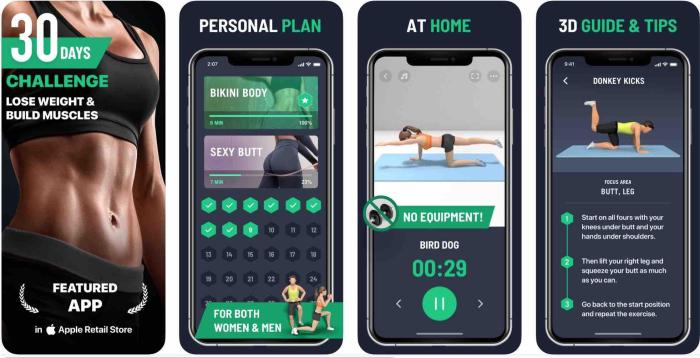
  • Video Demonstrations:Apps often provide detailed video demonstrations of each exercise, showcasing the correct form and technique. This allows users to visualize the proper execution and identify potential errors in their own movements.
  • Form Correction:Some apps use advanced technology, such as motion tracking or AI, to analyze user movements during workouts and provide real-time feedback on form. This allows users to adjust their technique and avoid potential injuries.
  • Injury Prevention Tips:Many apps offer comprehensive guides and articles on injury prevention, covering topics like warm-up routines, proper stretching techniques, and common exercise mistakes to avoid.

Effectiveness of Fitness Apps for Achieving Fitness Goals

The effectiveness of fitness apps in achieving fitness goals is influenced by several factors, including the app’s design, the user’s commitment, and individual fitness goals. Numerous user reviews and expert opinions suggest that fitness apps can be effective tools for achieving fitness goals, particularly when used consistently and in conjunction with a balanced diet.

“A study published in the Journal of Medical Internet Research found that participants who used a fitness app for at least 15 minutes per day were more likely to meet their fitness goals than those who did not use an app.”

Integration with Other Health Devices

Many fitness apps are designed to seamlessly integrate with smartwatches, fitness trackers, and other health devices, enhancing the overall experience and providing a more comprehensive view of your health and fitness data. This integration allows for a more accurate and detailed tracking of your workouts, sleep patterns, heart rate, and other vital metrics, empowering you to make informed decisions about your health and fitness journey.

Benefits of Integration

Integrating fitness apps with wearable technology offers several benefits that contribute to a more holistic approach to health monitoring and fitness management:

  • Real-time Data Tracking:Wearable devices continuously collect data, providing real-time insights into your workout performance, heart rate, and other metrics. This allows you to adjust your exercise intensity or rest periods based on your body’s responses.
  • Improved Accuracy:Integrating with wearables eliminates the need for manual data entry, reducing the risk of errors and providing more accurate data on your activity levels, sleep patterns, and other health indicators.
  • Personalized Recommendations:Fitness apps can leverage data from wearable devices to provide personalized recommendations for exercise intensity, workout routines, and dietary adjustments based on your individual needs and progress.
  • Motivational Insights:By tracking your progress and providing insights into your activity patterns, wearable integration can enhance motivation and encourage you to reach your fitness goals.
  • Enhanced Safety:Some fitness apps integrate with wearable devices to monitor your heart rate during workouts, alerting you to potential health issues and ensuring your safety.

Examples of Apps with Seamless Integration

Several popular fitness apps offer seamless integration with wearable technology, providing a comprehensive and convenient health monitoring experience:

  • Fitbit:The Fitbit app seamlessly integrates with Fitbit wearables, allowing you to track your steps, distance, calories burned, heart rate, sleep patterns, and more. It also provides personalized insights and challenges to keep you motivated.
  • Apple Fitness+:This app is designed specifically for Apple Watch users, offering a wide range of workout classes, guided meditations, and personalized fitness recommendations. It leverages the Apple Watch’s sensors for accurate data tracking and provides real-time feedback during workouts.
  • Peloton:While primarily known for its stationary bikes and treadmills, the Peloton app also offers a comprehensive fitness experience, integrating with Apple Watch, Garmin devices, and other compatible wearables to track your progress and provide personalized insights.
  • MyFitnessPal:This popular calorie-tracking app integrates with various wearable devices, allowing you to track your activity levels and automatically sync your calorie intake and expenditure for a more accurate picture of your overall health and fitness.

Conclusion

Choosing the right fitness app for home workouts can significantly impact your fitness journey. With so many options available, it’s essential to consider your individual needs and preferences.

Ultimately, the best fitness app for you is the one that motivates you to exercise regularly and helps you achieve your fitness goals.

Key Considerations for Choosing a Fitness App

Several factors should be considered when selecting a fitness app for home workouts.

  • Workout Types: Determine the types of workouts you’re interested in, such as strength training, cardio, yoga, or HIIT.
  • User Interface: Look for an app with a user-friendly interface that’s easy to navigate and understand.
  • Cost and Value: Consider the app’s pricing and whether it offers value for money based on its features and benefits.
  • Safety and Effectiveness: Choose an app that prioritizes safety and provides effective workouts.
  • Integration with Other Devices: If you use other fitness devices, ensure the app integrates with them seamlessly.

Related Topics

Physical fitness, healthy eating, and preventive care are interconnected pillars of a healthy lifestyle. Each aspect plays a crucial role in achieving optimal well-being and preventing chronic diseases.

Physical Fitness

Regular physical activity is essential for maintaining a healthy weight, reducing the risk of chronic diseases, and improving overall well-being. Engaging in at least 150 minutes of moderate-intensity aerobic activity or 75 minutes of vigorous-intensity aerobic activity per week, along with muscle-strengthening activities at least twice a week, is recommended for adults.

Healthy Eating

A balanced diet provides the body with the necessary nutrients to function properly. It should include a variety of fruits, vegetables, whole grains, lean protein, and healthy fats. Limiting processed foods, sugary drinks, and unhealthy fats is crucial for maintaining a healthy weight and reducing the risk of chronic diseases.

Preventive Care

Regular checkups and screenings can detect health problems early, when they are easier to treat. These include blood pressure checks, cholesterol screenings, and cancer screenings. Early detection and intervention can significantly improve health outcomes and reduce the risk of complications.

Balanced Diet

A balanced diet should include all essential nutrients, including carbohydrates, protein, fat, vitamins, and minerals. It is recommended to follow the Dietary Guidelines for Americans, which provide guidance on healthy eating patterns.

Regular Exercise

Regular exercise offers numerous health benefits, including weight management, improved cardiovascular health, reduced risk of chronic diseases, enhanced mood and cognitive function, and improved sleep quality.

Mental Health

Physical fitness and mental well-being are interconnected. Exercise releases endorphins, which have mood-boosting effects. Regular physical activity can reduce stress, anxiety, and depression.

Holistic Wellness

Holistic wellness encompasses all aspects of health, including physical, mental, emotional, and social well-being. It emphasizes a balanced approach to life, focusing on healthy habits and lifestyle choices.

Chronic Diseases

Physical fitness can help prevent or manage chronic diseases such as heart disease, stroke, type 2 diabetes, and some types of cancer. Regular exercise can improve blood sugar control, lower blood pressure, and reduce inflammation.

Immunity Boosters

Exercise and healthy lifestyle choices, including a balanced diet, adequate sleep, and stress management, can strengthen the immune system. Regular physical activity can improve circulation, reduce inflammation, and enhance the body’s natural defenses.

Final Summary

Choosing the right fitness app for home workouts is a personal decision that depends on your individual needs and preferences. Consider factors like workout types, pricing models, user interface, and safety features to find the app that best aligns with your fitness goals.

With a plethora of options available, you’re sure to find an app that empowers you to achieve your fitness aspirations and enjoy a healthier lifestyle.

Query Resolution

What are the most popular fitness apps for home workouts?

Some of the most popular fitness apps for home workouts include Peloton, Nike Training Club, FitBit Premium, and BetterMe.

Are fitness apps safe for home workouts?

Most reputable fitness apps prioritize safety by providing video demonstrations, form correction tips, and injury prevention advice. However, it’s always recommended to consult with a healthcare professional before starting any new workout program.

Do I need any equipment for home workouts?

Many fitness apps offer bodyweight workouts that require no equipment. However, some apps may require access to weights, resistance bands, or other equipment. It’s important to check the app’s requirements before you start.

How much do fitness apps cost?

Fitness apps offer various pricing models, including free versions with in-app purchases, subscription-based plans, and one-time purchase options. The cost can vary depending on the features and functionalities offered by the app.

Benefits of swimming for physical fitness: Dive into the advantages of swimming for your overall health and well-being

Benefits of swimming for physical fitness

Physical Fitness Benefits of Swimming

Benefits of swimming for physical fitness – Swimming is a fantastic way to improve overall physical fitness, offering a wide range of benefits that positively impact various aspects of our health.

Improved Cardiovascular Health

  • Swimming is an excellent cardiovascular workout that gets the heart pumping and improves circulation.
  • It helps lower blood pressure and reduce the risk of heart disease and stroke.
  • Regular swimming sessions can increase the heart’s efficiency and strengthen it over time.

Muscle Strength and Endurance

  • Swimming engages multiple muscle groups, providing a full-body workout that helps build strength and endurance.
  • It tones muscles and increases muscle mass, promoting a lean and fit physique.
  • Swimming is low-impact, making it ideal for individuals with joint issues or those recovering from injuries.

Flexibility and Joint Health

  • Swimming involves a wide range of motions that enhance flexibility and range of motion in joints.
  • The buoyancy of water reduces pressure on joints, making swimming an excellent exercise for those with arthritis or joint pain.
  • It can help improve posture and reduce the risk of injuries related to tight muscles and limited mobility.

Weight Management and Overall Fitness

  • Swimming burns a significant amount of calories, making it an effective way to manage weight and promote fat loss.
  • It boosts metabolism and can help maintain a healthy body composition when combined with a balanced diet.
  • Swimming regularly can improve overall fitness levels, increase stamina, and promote a sense of well-being.

Mental Wellness Benefits of Swimming: Benefits Of Swimming For Physical Fitness

Swimming not only improves physical fitness but also provides numerous mental wellness benefits.

Stress and Anxiety Reduction

Swimming is known to be a great stress reliever as the rhythmic nature of the strokes and the sound of water can have a calming effect on the mind. The physical activity involved in swimming also helps release endorphins, which are known as ‘feel-good’ hormones that can reduce anxiety levels.

Mental Clarity and Relaxation

The repetitive nature of swimming laps can help clear the mind and provide mental clarity. The focus required to coordinate breathing and movement can also act as a form of meditation, promoting relaxation and reducing mental fatigue.

Improved Mood

Regular swimming has been linked to improved mood and a decrease in symptoms of depression. The combination of physical activity, fresh air, and the sensory experience of being in water can contribute to a more positive outlook on life.

Meditative Aspects

Swimming can be a meditative practice for many individuals, allowing them to disconnect from the outside world and be fully present in the moment. The repetitive motion of swimming back and forth can create a sense of mindfulness and inner peace, promoting overall mental well-being.

Healthy Eating and Swimming

Proper nutrition plays a crucial role in enhancing the performance of swimmers. A balanced diet not only provides the necessary energy but also supports muscle recovery and overall health, allowing swimmers to excel in their training and competitions.

Importance of Nutrition for Swimmers

Swimmers require a well-rounded diet to meet the high energy demands of their rigorous workouts. A diet rich in carbohydrates, proteins, healthy fats, vitamins, and minerals is essential to maintain optimal performance in the water.

Key Nutrients for Swimmers

  • Carbohydrates: Serve as the primary fuel source for swimmers, providing energy for long training sessions and races.
  • Proteins: Aid in muscle repair and growth, crucial for swimmers to recover after intense workouts.
  • Healthy Fats: Support overall health, brain function, and provide a source of sustained energy for endurance swimming.
  • Vitamins and Minerals: Play a vital role in various bodily functions, including muscle function, immune support, and energy production.

Pre and Post-Swimming Meal Ideas

Before hitting the pool, swimmers can benefit from consuming a meal rich in carbohydrates for sustained energy. Some pre-swimming meal ideas include oatmeal with fruits, whole grain toast with nut butter, or a smoothie with yogurt and berries.

After a swim session, it’s important to refuel the body with a combination of carbohydrates and proteins to support muscle recovery. Post-swimming meal ideas may include grilled chicken with quinoa and vegetables, a tuna salad sandwich on whole grain bread, or a protein shake with banana and almond milk.

Preventive Care through Swimming

Regular swimming not only helps in improving physical fitness but also plays a crucial role in preventive care. Swimming has been shown to have a positive impact on preventing chronic diseases and promoting overall health and well-being.

Preventing Chronic Diseases

  • Swimming can help in reducing the risk of chronic conditions such as diabetes and heart diseases. The cardiovascular benefits of swimming, combined with weight management and improved circulation, contribute to better overall health and lower the chances of developing these diseases.

Reducing Risk of Osteoporosis and Arthritis, Benefits of swimming for physical fitness

  • Swimming is a low-impact exercise that can help in strengthening bones and muscles. This can reduce the risk of osteoporosis and arthritis, as the buoyancy of water supports the body and reduces stress on joints, making it an ideal form of exercise for those with these conditions.

Contributing to Overall Preventive Healthcare

  • By engaging in swimming regularly, individuals can improve their immune system, reduce inflammation, and boost their overall health. This contributes to preventive healthcare by strengthening the body’s defenses against various illnesses and diseases.

Long-Term Benefits of Swimming for Preventive Care

  • Swimming is a lifelong activity that can be enjoyed at any age. The consistent practice of swimming can lead to long-term benefits such as improved cardiovascular health, increased muscle strength, and enhanced mental well-being. These cumulative effects help in maintaining overall health and preventing the onset of various health issues as individuals age.

Balanced Diet and Swimming

Maintaining a balanced diet is crucial for swimmers to support their physical fitness and optimize their performance in the water. A well-rounded nutritional plan can provide the energy and nutrients necessary for endurance, strength, and overall health.

Importance of a Balanced Diet

A balanced diet rich in carbohydrates, proteins, fats, vitamins, and minerals is essential for swimmers. Carbohydrates serve as the primary fuel source for energy during workouts, while proteins support muscle repair and growth. Healthy fats aid in nutrient absorption and provide long-lasting energy. Vitamins and minerals play a key role in various bodily functions, including muscle contractions and recovery.

  • Example meals:
  • Breakfast: Whole grain toast with avocado and eggs, a side of fruit
  • Lunch: Grilled chicken salad with quinoa, mixed vegetables, and a vinaigrette dressing
  • Dinner: Baked salmon with sweet potato and steamed broccoli

Supporting Nutritional Needs

Different food groups contribute to swimmers’ nutritional needs in unique ways. Carbohydrates provide quick energy, proteins aid in muscle repair and growth, healthy fats support overall health, and vitamins/minerals ensure proper bodily functions. By incorporating a variety of foods from each group, swimmers can maintain a well-rounded diet that fuels their training and recovery.

Enhancing Swimming Performance

Consuming meals rich in carbohydrates before a swim can boost energy levels, while protein-rich snacks post-workout aid in muscle recovery. Hydration is also key, as staying well-hydrated supports performance and prevents fatigue. By fueling the body with the right nutrients at the right times, swimmers can enhance their performance in the water.

Correlation with Swimming Efficiency

A balanced diet directly impacts swimming efficiency by providing the necessary fuel and nutrients for optimal performance. Swimmers who prioritize nutrition often experience improved endurance, faster recovery times, and overall better results in their training. By paying attention to what they eat and ensuring a balanced intake, swimmers can maximize their efficiency in the water.

Regular Exercise and Swimming

Swimming is not just a recreational activity; it is also an excellent form of exercise that can be incorporated into a regular fitness routine.

Full-Body Workout with Swimming

Swimming engages multiple muscle groups simultaneously, making it a fantastic full-body workout. It helps strengthen muscles in the arms, legs, core, and back, while also improving cardiovascular endurance. This holistic approach to exercise ensures that no muscle group is left untouched, leading to improved overall fitness levels.

Cross-Training Benefits of Swimming

Incorporating swimming into a cross-training routine can have numerous benefits for overall health. By alternating between swimming and other forms of exercise such as running or weight training, individuals can reduce the risk of overuse injuries and prevent workout plateaus. The varied nature of swimming also challenges the body in different ways, promoting muscle balance and flexibility.

Contribution to a Well-Rounded Fitness Regimen

Swimming offers a low-impact yet highly effective form of exercise that complements other fitness activities. Whether used as a primary workout or as a supplement to existing routines, swimming can help individuals achieve a well-rounded fitness regimen. Its ability to improve strength, endurance, and flexibility makes it a valuable addition to any exercise plan.

Mental Health Benefits of Swimming

Swimming not only benefits physical health but also plays a significant role in boosting mental well-being. The following points highlight the positive impact of swimming on mental health:

Boost Self-Esteem and Confidence

Swimming can help individuals improve their self-esteem and confidence levels. As swimmers set goals and achieve them, they gain a sense of accomplishment and self-worth, which can translate into increased confidence in other areas of life.

Psychological Benefits of Setting and Achieving Swimming Goals

Setting and achieving swimming goals can have a positive impact on mental health. It helps individuals stay focused, motivated, and disciplined, leading to a sense of purpose and fulfillment. This can contribute to improved mental well-being and overall happiness.

Impact of Swimming on Mental Resilience and Coping Mechanisms

Swimming can enhance mental resilience by providing a coping mechanism for dealing with stress, anxiety, and other mental health challenges. The repetitive nature of swimming, combined with the focus required, can help individuals clear their minds and build resilience against negative emotions.

Emotional Well-Being Promoted by Regular Swimming

Regular swimming has been linked to improved emotional well-being. The release of endorphins during exercise can boost mood and reduce feelings of anxiety and depression. Swimming in a peaceful environment, such as a quiet pool or natural body of water, can also have a calming effect on the mind.

Holistic Wellness with Swimming

Benefits of swimming for physical fitness
Swimming is not just a physical exercise; it is a holistic approach to well-being that encompasses the mind, body, and emotions. By engaging in regular swimming sessions, individuals can experience a myriad of benefits that contribute to overall wellness.

Interconnectedness of Physical, Mental, and Emotional Health

  • Swimming helps improve cardiovascular health, muscle strength, and flexibility, leading to a physically fit body.
  • It also releases endorphins, the “feel-good” hormones, which can reduce stress, anxiety, and depression, promoting mental well-being.
  • The rhythmic breathing and focus required during swimming can help calm the mind and improve emotional stability.

Overall Wellness Benefits of Swimming

  • Swimming enhances overall endurance, promoting a healthy lifestyle and increasing longevity.
  • It can aid in weight management by burning calories effectively while being gentle on the joints.
  • Improvement in sleep quality and relaxation are additional benefits that contribute to holistic wellness.

Fostering a Balanced and Healthy Lifestyle

  • Swimming can be a meditative practice that fosters mindfulness and self-awareness, promoting emotional balance.
  • Incorporating swimming into a regular exercise routine can lead to a more balanced lifestyle, combining physical activity with mental and emotional well-being.
  • By making swimming a part of daily or weekly routines, individuals can achieve a holistic approach to wellness that encompasses all aspects of health.

Swimming for Preventing Chronic Diseases

Swimming is not only a great form of exercise but also plays a significant role in preventing chronic diseases. It offers a low-impact workout that can benefit individuals dealing with conditions like asthma and arthritis. The buoyancy of water reduces stress on joints and muscles, making it easier for those with chronic illnesses to exercise without causing further strain.

Managing Conditions like Asthma and Arthritis

Swimming can be particularly beneficial for individuals with asthma and arthritis. The humid environment of indoor pools can help improve breathing for asthma patients, while the gentle movements in water can reduce inflammation and pain for those with arthritis. The controlled breathing techniques in swimming can also enhance lung capacity and overall respiratory function, which is beneficial for asthma management.

Benefits for Individuals with Chronic Illnesses

For individuals with chronic illnesses, swimming offers a holistic approach to improving overall health. It can help in maintaining a healthy weight, improving cardiovascular health, and enhancing muscle strength. The repetitive nature of swimming strokes can also aid in improving flexibility and range of motion, which is crucial for individuals with conditions like arthritis.

Supporting Recovery and Rehabilitation

Swimming is often recommended as part of recovery and rehabilitation programs for various chronic diseases. The buoyancy of water provides a supportive environment for individuals recovering from injuries or surgeries. It allows for gentle movement and muscle strengthening without putting excessive strain on the body. Swimming can also help in regaining mobility and coordination, which is essential for rehabilitation after certain illnesses.

Positive Impact on Chronic Disease Management

Numerous studies have highlighted the positive impact of swimming on chronic disease management. From reducing symptoms and pain to improving overall quality of life, swimming has been shown to be an effective form of exercise for individuals with various health conditions. Success stories of individuals incorporating swimming into their wellness routines and experiencing significant improvements in their health outcomes are a testament to the benefits of this aquatic activity.

Immunity Boosters from Swimming

Swimming is not only a great form of exercise but also plays a significant role in boosting immunity. Regular swimming can strengthen the immune system, reducing the risk of infections and illnesses. The overall health benefits of swimming contribute to improved immunity by enhancing various bodily functions.

Relationship between Swimming and a Strengthened Immune System

Swimming helps improve circulation, which allows immune cells to move through the body more efficiently. This increased circulation can aid in the early detection and elimination of pathogens, reducing the chances of falling ill.

Reducing Risk of Infections and Illnesses

  • Swimming can help improve respiratory function, making the body more resistant to respiratory infections.
  • The combination of aerobic exercise and water resistance strengthens muscles and improves overall physical health, reducing the susceptibility to illnesses.
  • Regular swimming can also help regulate blood pressure and lower inflammation levels, which are important factors in maintaining a healthy immune system.

Overall Health Benefits Contributing to Improved Immunity

  • Swimming promotes cardiovascular health, which is essential for overall well-being and immune function.
  • The stress-relieving properties of swimming can reduce the production of stress hormones that can weaken the immune system.
  • Increased lung capacity and oxygen intake from swimming can enhance the body’s ability to fight off infections and diseases.

Connection between Swimming, Stress Reduction, and Immune Function

Swimming is known to be a mood-boosting activity that can reduce stress and anxiety levels. Lower stress levels can contribute to better immune function, as chronic stress has been linked to a weakened immune response. By engaging in regular swimming sessions, individuals can improve their mental well-being and enhance their immunity simultaneously.

Essential FAQs

Can swimming help in managing chronic diseases?

Yes, swimming can aid in managing conditions like asthma and arthritis due to its low-impact nature and benefits for muscle strength and endurance.

Is swimming alone enough for weight management?

While swimming is great for overall fitness, combining it with a balanced diet and other forms of exercise can enhance weight management results.

How does swimming contribute to mental wellness?

Swimming reduces stress and anxiety, promotes mental clarity, and can boost self-esteem and confidence, leading to improved overall mental health.

Can swimming prevent chronic diseases?

Swimming can help prevent conditions like diabetes and heart diseases by improving cardiovascular health and overall fitness levels.

What are some key nutrients needed for swimmers?

Swimmers require nutrients like protein for muscle repair, carbohydrates for energy, and hydration to support their activity levels.

Benefits of strength training for physical fitness: Enhancing Health and Well-being

Benefits of strength training for physical fitness

Benefits of Strength Training for Physical Fitness

Benefits of strength training for physical fitness
Strength training plays a crucial role in improving overall physical fitness. It not only enhances muscle strength and endurance but also has various other benefits that contribute to overall well-being.

Improvement in Muscle Strength and Endurance

Strength training involves exercises that target specific muscle groups, leading to increased muscle mass, strength, and endurance. By regularly engaging in strength training routines, individuals can enhance their physical performance in various activities, such as lifting heavy objects, running, or playing sports.

Types of Strength Training Exercises

There are different types of strength training exercises, including bodyweight exercises (e.g., push-ups, squats), free weight exercises (e.g., dumbbell curls, barbell bench press), and resistance band exercises. Each type offers unique benefits and can be tailored to individual fitness goals.

Impact on Bone Health and Density

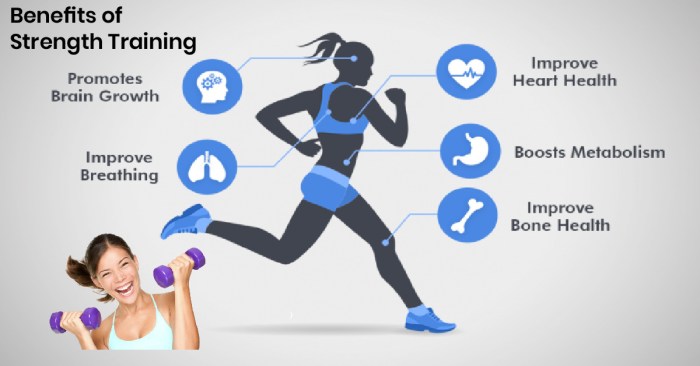
Strength training is known to improve bone health by increasing bone density and reducing the risk of osteoporosis. Weight-bearing exercises, such as squats and lunges, stimulate bone growth, making bones stronger and less prone to fractures.

Benefits for Weight Management

Incorporating strength training into a fitness routine can aid in weight management and fat loss. Muscle tissue burns more calories at rest compared to fat tissue, so increasing muscle mass through strength training can help boost metabolism and support weight loss efforts.

Mental Wellness

Benefits of strength training for physical fitness – Strength training not only benefits physical fitness but also plays a crucial role in enhancing mental wellness. The connection between physical activity and mental health is well-established, with strength training offering unique advantages in this aspect.

Positive Impact on Mental Health

Regular strength training has been shown to reduce symptoms of anxiety and depression by releasing endorphins, which are known as the “feel-good” hormones. This can lead to improved mood, increased self-esteem, and reduced feelings of stress and tension.

Connection between Physical Fitness and Mental Well-being

  • Improved Cognitive Function: Strength training can enhance cognitive function, memory, and focus, which are essential for overall mental well-being.
  • Stress Reduction: Engaging in strength training can help in managing stress levels and promoting relaxation, leading to a calmer mind.
  • Boosted Confidence: Achieving fitness goals through strength training can boost self-confidence and provide a sense of accomplishment, positively impacting mental health.

Incorporating Strength Training into a Mental Wellness Routine

  • Schedule Regular Workouts: Plan consistent strength training sessions into your weekly routine to prioritize both physical and mental health.
  • Combine with Mindfulness Practices: Pair strength training with mindfulness techniques such as deep breathing or meditation to create a holistic approach to mental wellness.
  • Seek Professional Guidance: Consult with a fitness trainer or mental health professional to develop a personalized strength training plan that aligns with your mental wellness goals.

Mental Health Benefits from Strength Training

  • Enhanced Mood: Regular strength training can lead to a more positive mood and reduced feelings of depression and anxiety.
  • Stress Relief: Engaging in strength training activities can help in managing stress and promoting relaxation, contributing to better mental well-being.
  • Improved Sleep: Strength training has been linked to better sleep quality, which is vital for overall mental health and cognitive function.

Healthy Eating

When it comes to maximizing the benefits of strength training, nutrition plays a crucial role in supporting muscle growth, repair, and overall physical performance. A balanced diet rich in essential nutrients can complement your strength training regimen and help you achieve your fitness goals more effectively.

Importance of Nutrition in Conjunction with Strength Training

Proper nutrition is essential for providing the energy and nutrients needed for muscle recovery and growth after intense strength training sessions. Without adequate nutrition, the body may not be able to repair and build new muscle tissue efficiently, hindering progress in strength training.

Balanced Diet and Strength Training

A balanced diet that includes a variety of nutrient-dense foods such as lean proteins, complex carbohydrates, healthy fats, fruits, and vegetables can provide the necessary nutrients to support muscle development and recovery. Proteins are crucial for muscle repair, while carbohydrates fuel workouts and replenish glycogen stores.

Nutrient-Rich Foods for Muscle Recovery and Growth

  • Lean proteins like chicken, turkey, fish, eggs, and plant-based sources such as tofu and legumes
  • Complex carbohydrates like whole grains, quinoa, sweet potatoes, and fruits
  • Healthy fats from sources like avocados, nuts, seeds, and olive oil
  • Foods rich in vitamins and minerals such as leafy greens, berries, and nuts

Tips for Meal Planning to Enhance Strength Training Benefits

  • Plan balanced meals that include a mix of proteins, carbohydrates, and fats to support muscle recovery and energy levels.
  • Prep meals in advance to ensure you have nutritious options readily available, especially after workouts when the body needs fuel for recovery.
  • Stay hydrated by drinking plenty of water throughout the day to support digestion, nutrient absorption, and overall performance during strength training sessions.
  • Consider consulting with a nutritionist or dietitian to create a personalized meal plan that aligns with your fitness goals and training routine.

Preventive Care

Benefits of strength training for physical fitness
Strength training is not only beneficial for physical fitness and mental wellness but also plays a crucial role in preventive care. By incorporating strength training exercises into your routine, you can significantly reduce the risk of injuries, improve joint health and flexibility, and lower the chances of developing chronic conditions.

Injury Prevention

Strength training helps strengthen muscles, tendons, and ligaments, providing better support and stability to your joints. This, in turn, can help prevent injuries, especially during physical activities or sports that put stress on the body. By improving overall strength and balance, you can reduce the likelihood of strains, sprains, and other common injuries.

Joint Health and Flexibility

Engaging in regular strength training exercises can help maintain and improve joint health by promoting better alignment and reducing the risk of degenerative conditions like arthritis. Additionally, strength training can enhance flexibility by increasing the range of motion in your joints, making daily movements easier and reducing the risk of stiffness or discomfort.

Risk of Chronic Conditions

Strength training has been shown to have a positive impact on various chronic conditions, including heart disease, diabetes, and osteoporosis. By building muscle mass and improving overall fitness levels, you can lower your risk of developing these conditions and manage existing ones more effectively. Strength training also helps regulate blood sugar levels, improve cardiovascular health, and strengthen bones, all of which contribute to overall wellness.

Preventive Care Routines

  • Include a mix of compound and isolation exercises to target different muscle groups and movement patterns.
  • Focus on proper form and technique to prevent injuries and maximize the benefits of each exercise.
  • Progress gradually by increasing weight or intensity to continue challenging your muscles and avoiding plateaus.
  • Combine strength training with cardiovascular exercise and flexibility training for a well-rounded fitness routine.

Balanced Diet

Maintaining a balanced diet is crucial for individuals engaged in strength training as it directly impacts muscle repair, growth, and overall performance. Proper nutrition ensures that the body has the necessary nutrients to recover and build muscle after intense workouts.

Importance of Balanced Diet for Muscle Repair and Growth

A balanced diet rich in protein, carbohydrates, healthy fats, vitamins, and minerals plays a key role in supporting muscle repair and growth post-workout. Protein is essential for muscle recovery, while carbohydrates provide the energy needed for intense training sessions. Healthy fats help with hormone production and nutrient absorption, while vitamins and minerals support overall health and well-being.

  • Include lean protein sources such as chicken, fish, tofu, and legumes in every meal to support muscle repair and growth.
  • Consume complex carbohydrates like whole grains, fruits, and vegetables to fuel your workouts and replenish glycogen stores.
  • Aim to include healthy fats from sources like avocados, nuts, seeds, and olive oil to support hormone production and nutrient absorption.
  • Ensure you are getting an adequate intake of vitamins and minerals through a variety of fruits, vegetables, and whole foods to support overall health and recovery.

Adjusting Nutrient Intake Based on Strength Training Goals

Depending on your strength training goals, nutrient intake may need to be adjusted to support muscle gain, fat loss, or overall performance. For muscle gain, focus on consuming a slightly higher calorie intake with a balance of protein, carbs, and fats. For fat loss, prioritize protein intake to maintain muscle mass while creating a calorie deficit. For overall performance, ensure you are getting enough calories to fuel your workouts and support recovery.

  • Track your macronutrient intake to ensure you are meeting your protein, carb, and fat goals based on your training objectives.
  • Adjust your calorie intake based on your energy expenditure and goals, whether it’s muscle gain, fat loss, or maintenance.
  • Stay hydrated and consume adequate fluids to support digestion, nutrient absorption, and overall performance during strength training sessions.

Meal Plans for Individuals Engaged in Strength Training

Here are some examples of meal plans that cater to individuals engaged in strength training:

Meal Food
Breakfast Scrambled eggs with spinach and whole grain toast
Snack Greek yogurt with berries and almonds
Lunch Grilled chicken salad with quinoa and avocado
Snack Protein shake with banana and peanut butter
Dinner Salmon with sweet potato and steamed broccoli

Regular Exercise

Regular exercise is crucial for maintaining overall health and well-being, and incorporating strength training into a consistent workout routine can have numerous benefits. Consistency in strength training plays a key role in enhancing physical fitness by building muscle strength, improving endurance, and boosting metabolism.

Significance of Strength Training in a Regular Exercise Routine

Strength training helps to increase muscle mass, which in turn can lead to a higher resting metabolic rate. This means that even when at rest, individuals who engage in regular strength training burn more calories throughout the day. Additionally, building muscle strength can improve overall body composition, increase bone density, and enhance joint stability.

Benefits of Combining Strength Training with Other Forms of Exercise

Incorporating strength training into a workout routine that includes cardiovascular exercises, such as running or cycling, can provide a well-rounded approach to fitness. Cardiovascular exercises help improve cardiovascular health, while strength training focuses on building muscle strength and endurance. This combination can lead to enhanced overall physical fitness, increased energy levels, and improved athletic performance.

Examples of Workout Schedules Prioritizing Strength Training

– Monday: Strength training focusing on upper body (e.g., bench press, bicep curls)
– Tuesday: Cardiovascular exercise (e.g., running, swimming)
– Wednesday: Strength training focusing on lower body (e.g., squats, lunges)
– Thursday: Yoga or Pilates for flexibility and core strength
– Friday: Full-body strength training circuit
– Saturday: Rest day or light activity (e.g., walking, stretching)
– Sunday: Outdoor activity or recreational sport for variety and enjoyment

By incorporating regular strength training sessions into a weekly workout schedule, individuals can experience a wide range of physical benefits that contribute to overall health and well-being.

Mental Health

Strength training not only benefits physical fitness but also plays a significant role in improving mental health outcomes. The connection between strength training and mental well-being is profound and can positively impact overall wellness.

Alleviating Stress and Anxiety

Strength training has been shown to be an effective tool in reducing stress and anxiety levels. Engaging in regular strength training sessions helps release endorphins, also known as ‘feel-good’ hormones, which can elevate mood and reduce feelings of stress and anxiety.

  • Strength training provides a healthy outlet to release pent-up emotions and tension, promoting relaxation and a sense of calm.
  • Building physical strength can also lead to increased self-confidence and a more positive self-image, which can contribute to better mental well-being.
  • Establishing a routine with strength training can help individuals manage stress more effectively and improve their overall resilience to life’s challenges.

Personal Testimonials

“Since incorporating strength training into my fitness routine, I have noticed a significant decrease in my anxiety levels. The feeling of empowerment that comes from getting stronger physically has translated into feeling more capable of handling stress in my daily life.”

Tips for Mental Well-Being

  1. Start with a manageable routine: Begin with lighter weights and gradually increase the intensity as you build strength and confidence.
  2. Focus on proper form: Ensuring correct form during strength training not only prevents injuries but also promotes mindfulness and concentration, which can have a calming effect on the mind.
  3. Combine strength training with mindfulness practices such as deep breathing or meditation to enhance the mental benefits of your workouts.

Holistic Wellness

Strength training plays a crucial role in achieving holistic wellness by addressing physical fitness, mental health, and overall well-being. The interconnectedness of these aspects highlights the importance of incorporating strength training into a well-rounded wellness routine.

Integration of Strength Training

Strength training not only helps improve physical strength and endurance but also contributes to mental wellness by reducing stress and anxiety. By engaging in regular strength training sessions, individuals can enhance their overall well-being and quality of life.

Strategies for Achieving Holistic Wellness

– Incorporate strength training exercises into your weekly workout routine to improve muscle tone and bone density.
– Practice mindfulness and meditation to enhance mental clarity and reduce stress levels.
– Prioritize healthy eating habits by consuming a balanced diet rich in fruits, vegetables, lean proteins, and whole grains.
– Get an adequate amount of sleep each night to support recovery and promote overall well-being.
– Stay hydrated throughout the day to maintain optimal physical and mental performance.

Examples of Holistic Wellness Routines

  • Monday: Strength training session focusing on upper body exercises followed by a yoga class for flexibility and relaxation.
  • Wednesday: Cardio workout such as running or cycling outdoors to boost cardiovascular health, combined with a nutritious post-workout meal.
  • Friday: Full-body strength training routine incorporating compound movements like squats, deadlifts, and lunges for overall muscle development.

Chronic Diseases

Strength training is not only beneficial for physical fitness but also plays a crucial role in managing and preventing certain chronic diseases. Let’s delve into how strength training can positively impact conditions like diabetes, heart disease, and osteoporosis.

Diabetes, Benefits of strength training for physical fitness

Strength training has been shown to improve insulin sensitivity, allowing better control of blood sugar levels in individuals with diabetes. Research studies have demonstrated that regular strength training can lead to reduced HbA1c levels, which is a key marker for long-term blood sugar control in diabetic patients. By increasing muscle mass and improving glucose metabolism, strength training can help individuals with diabetes better manage their condition.

Heart Disease

Engaging in strength training exercises can help lower blood pressure, reduce bad cholesterol levels, and improve overall cardiovascular health. This can significantly reduce the risk of developing heart disease or experiencing cardiac events. Incorporating strength training into a well-rounded exercise routine can strengthen the heart muscle, improve circulation, and promote better heart function.

Osteoporosis

Strength training is essential for maintaining bone density and reducing the risk of osteoporosis, especially in older adults. Weight-bearing exercises, such as lifting weights or using resistance bands, can stimulate bone growth and increase bone strength. Research has shown that targeted strength training programs can help prevent bone loss and improve bone mineral density, reducing the risk of fractures associated with osteoporosis.

Immunity Boosters

Strength training plays a crucial role in boosting immunity by improving overall physical fitness and immune function. The relationship between strength training and immune health is significant, as regular exercise can enhance the body’s defense mechanisms.

Benefits of Strength Training for Immune Health

  • Increased Production of White Blood Cells: Strength training can stimulate the production of white blood cells, which are essential for fighting off infections and illnesses.
  • Reduced Inflammation: By reducing chronic inflammation in the body, strength training can help the immune system function more effectively.
  • Enhanced Circulation: Improved blood flow from strength training can ensure that immune cells are transported efficiently throughout the body.
  • Stress Reduction: Regular strength training can reduce stress levels, which can have a positive impact on immune function.

General Inquiries: Benefits Of Strength Training For Physical Fitness

How often should I engage in strength training sessions?

It is recommended to aim for at least 2-3 strength training sessions per week to see optimal results and improvements in muscle strength and endurance.

Can strength training help with weight management?

Absolutely, strength training not only builds muscle but also boosts metabolism, helping in weight management by burning more calories even at rest.

Is it necessary to follow a specific diet while engaging in strength training?

While there is no one-size-fits-all diet for strength training, focusing on a balanced diet rich in lean proteins, whole grains, and fruits and vegetables can enhance the benefits of your workouts.

How does strength training contribute to mental wellness?

Strength training releases endorphins, the feel-good hormones, which can help reduce stress, anxiety, and improve overall mood and mental well-being.