Best immunity-boosting teas to drink: Enhance your health with these powerful teas

Best immunity-boosting teas to drink

Immunity-Boosting Teas

Tea is not only a comforting beverage but also a great way to boost your immune system. Here are some of the best teas known for their immunity-boosting properties:

Green Tea

Green tea is rich in antioxidants, particularly catechins, which help in enhancing immune function. It also contains an amino acid called L-theanine, known for its anti-inflammatory properties. Regular consumption of green tea can help strengthen the immune system and protect the body against infections.

Ginger Tea

Ginger tea is well-known for its immune-boosting and anti-inflammatory properties. It contains gingerol, a bioactive compound that has antioxidant effects. Ginger tea can help reduce inflammation, fight off harmful bacteria, and improve overall immune function.

Echinacea Tea

Echinacea tea is a popular herbal remedy known for its ability to boost the immune system. It contains active compounds like flavonoids and polysaccharides that can stimulate the immune response and protect the body against infections. Regular consumption of echinacea tea can help prevent colds and flu.

Peppermint Tea

Peppermint tea is not only refreshing but also beneficial for the immune system. It contains menthol, which has antimicrobial properties and can help relieve symptoms of respiratory infections. Peppermint tea can also aid in digestion, which is crucial for overall immune health.

These immunity-boosting teas can be a delicious and natural way to support your immune system and stay healthy. Incorporating them into your daily routine can provide a wide range of health benefits and help you ward off illness. So, why not brew a cup of your favorite immune-boosting tea today?

Mental Wellness

Consuming immunity-boosting teas not only benefits physical health but also plays a significant role in improving mental well-being. The connection between these teas and mental wellness lies in the calming and stress-relieving properties of certain ingredients found in these blends.

Certain ingredients commonly found in immunity-boosting teas, such as chamomile, lavender, and lemon balm, are known for their calming effects on the mind. These herbs have been used for centuries in traditional medicine to promote relaxation and reduce anxiety. When consumed regularly, these teas can help soothe the mind and promote a sense of peace and tranquility.

Impact of Ingredients on Mental Health

  • Chamomile: Known for its mild sedative properties, chamomile can help alleviate symptoms of anxiety and promote better sleep, leading to improved mental well-being.
  • Lavender: Lavender is widely used for its calming and mood-enhancing effects. It can help reduce stress and promote relaxation, contributing to a more positive state of mind.
  • Lemon Balm: Lemon balm is often used to reduce nervousness and improve mood. It can help alleviate symptoms of depression and anxiety, promoting overall mental wellness.

These ingredients work synergistically to create a soothing and calming effect on the mind, making immunity-boosting teas not just a remedy for physical ailments but also a natural way to support mental health. Personal experiences often reflect a sense of calmness and relaxation after consuming these teas, highlighting their positive impact on mental well-being.

Physical Fitness

Immunity-boosting teas play a crucial role in supporting physical fitness goals by providing essential nutrients and antioxidants that help in overall well-being.

Teas for Post-Workout Recovery and Muscle Repair

Teas like green tea and ginger tea are known for their anti-inflammatory properties, which can aid in post-workout recovery by reducing muscle soreness and inflammation. Green tea, in particular, contains catechins that help in muscle repair and growth, making it an excellent choice for fitness enthusiasts.

  • Green Tea: Rich in antioxidants, green tea can help reduce oxidative stress on the muscles and improve recovery time after intense workouts.
  • Ginger Tea: Known for its anti-inflammatory properties, ginger tea can help alleviate muscle pain and soreness post-exercise, promoting faster recovery.

Importance of Hydration and Tea Consumption

Hydration is key to maintaining optimal physical performance during workouts and aiding in muscle recovery. While water is essential, tea consumption can also contribute to hydration and overall fitness. Teas like herbal teas and green tea can be hydrating and provide additional health benefits, making them a great choice for fitness enthusiasts looking to boost their immunity while staying hydrated.

Remember to stay hydrated throughout the day, including before, during, and after your workouts, to support your physical fitness goals.

Healthy Eating

Best immunity-boosting teas to drink – Incorporating immunity-boosting teas into your diet is a great way to promote a healthy eating lifestyle. These teas are packed with antioxidants and nutrients that can help support your immune system and overall well-being.

Pairing Teas with Nutritious Meals

Pairing immunity-boosting teas with nutritious meals can help create a well-rounded and balanced diet. Consider having green tea with a salad rich in leafy greens, nuts, and lean protein for a healthy and satisfying meal.

Importance of Antioxidants and Nutrients

Antioxidants found in immunity-boosting teas, such as vitamin C in citrus teas or catechins in green tea, can help combat free radicals in the body and reduce inflammation. These nutrients play a crucial role in supporting overall health and boosting your immune system.

Preventive Care

Immunity-boosting teas are not only effective in fighting off illnesses but also in preventing them from occurring in the first place. Regular consumption of these teas can significantly enhance your body’s natural defense mechanisms.

Benefits of Immunity-Boosting Teas for Preventive Care

  • Rich in antioxidants that help strengthen the immune system and protect against harmful pathogens.
  • Contain anti-inflammatory properties that reduce the risk of chronic diseases.
  • Boost overall health and well-being by promoting a balanced immune response.

Integrating Tea into Daily Routine for Preventive Care

  • Start your day with a cup of immunity-boosting tea to kickstart your immune system.
  • Replace sugary beverages with tea throughout the day to stay hydrated and support your immune health.
  • Experiment with different flavors and blends to keep your tea routine exciting and enjoyable.

Balanced Diet

Maintaining a balanced diet is crucial for overall health and well-being. Immunity-boosting teas can play a significant role in achieving this balance by providing essential nutrients and antioxidants that support the immune system.

Nutritional Value of Different Tea Varieties

When it comes to the nutritional value of different tea varieties, each type offers unique benefits. Green tea, for example, is rich in antioxidants such as catechins, which help protect cells from damage and reduce inflammation. Black tea, on the other hand, contains theaflavins and thearubigins that may boost immunity and improve gut health. Herbal teas like chamomile or ginger tea also provide various health benefits, such as reducing inflammation and promoting relaxation.

Incorporating Immunity-Boosting Teas into Meal Plans

One way to incorporate immunity-boosting teas into a well-rounded meal plan is by enjoying a cup of tea with breakfast, lunch, or dinner. You can also use tea as a base for smoothies or salad dressings to add a unique flavor while reaping the health benefits. Additionally, you can pair different tea varieties with specific dishes to enhance the overall nutritional value of your meals. For example, pairing green tea with a protein-rich meal can help boost metabolism and aid in digestion.

Regular Exercise

Regular exercise is crucial for maintaining overall health and well-being. When it comes to enhancing workout performance and endurance, the right teas can be a valuable addition to your fitness routine. Teas can provide a natural boost of energy, help with recovery, and support muscle function.

Teas to Enhance Workout Performance

  • Green Tea: Known for its high antioxidant content, green tea can help improve endurance and fat burning during exercise.
  • Ginger Tea: Ginger has anti-inflammatory properties that can aid in reducing muscle soreness and improving recovery post-workout.
  • Black Tea: Black tea contains caffeine, which can enhance focus and energy levels during exercise.

Pre and Post-Exercise Tea Options

  • Peppermint Tea: Drinking peppermint tea before a workout can help boost energy levels and improve focus.
  • Chamomile Tea: Chamomile tea is great for post-workout relaxation and can help reduce muscle tension and promote better sleep.
  • Hibiscus Tea: Hibiscus tea is rich in antioxidants and can aid in reducing inflammation and supporting recovery after exercise.

Mental Health: Best Immunity-boosting Teas To Drink

Immunity-boosting teas not only benefit physical health but also have a positive impact on mental well-being. The soothing properties of certain teas can help alleviate stress and anxiety, promoting overall mental wellness.

Effects on Stress and Anxiety

  • Teas like chamomile, lavender, and green tea contain compounds that have calming effects on the mind, reducing feelings of stress and anxiety.
  • Regular consumption of these teas can help in relaxation, improving mood, and reducing the symptoms of mental health disorders.
  • Studies have shown that the ritual of preparing and enjoying a cup of tea can also have a meditative effect, promoting mindfulness and stress relief.

Positive Impact on Mental Well-being, Best immunity-boosting teas to drink

  • Herbal teas like peppermint and lemon balm are known for their ability to promote relaxation and improve sleep quality, which are essential for maintaining mental health.
  • The antioxidants in teas like matcha and rooibos can help protect brain cells from damage and promote cognitive function, contributing to mental well-being.
  • Regular tea consumption has been linked to lower rates of depression and improved overall mood, showcasing the mental health benefits of incorporating these teas into your daily routine.

Holistic Wellness

Best immunity-boosting teas to drink
Immunity-boosting teas play a crucial role in promoting holistic wellness by addressing both physical and mental aspects of well-being. These teas are packed with antioxidants, vitamins, and minerals that support the immune system, while also providing a calming and soothing effect on the mind.

Tea rituals can serve as a mindfulness practice that enhances the mind-body connection. Taking a few moments to prepare and savor a cup of tea can help reduce stress, improve focus, and promote relaxation. This mindful approach to tea consumption can contribute to overall wellness by fostering a sense of balance and harmony.

Creating a Holistic Wellness Routine with Tea

  • Start your day with a cup of green tea to boost metabolism and support immune function.
  • Include herbal teas like chamomile or peppermint in your evening routine to unwind and promote better sleep.
  • Experiment with different tea blends to cater to your specific wellness needs, such as detox teas for cleansing or ginger teas for digestion.
  • Practice mindful tea drinking by focusing on the aroma, taste, and sensations to fully immerse yourself in the experience.
  • Pair your tea ritual with other self-care practices like meditation, yoga, or journaling to create a comprehensive wellness routine.

Chronic Diseases

Best immunity-boosting teas to drink
Immunity-boosting teas play a crucial role in preventing and managing chronic diseases by supporting the body’s defense mechanisms and reducing inflammation. These teas are rich in antioxidants and other beneficial compounds that can help improve overall health and well-being.

Teas for Diabetes

Teas like green tea and hibiscus tea have shown promise in supporting individuals with diabetes. Green tea can help regulate blood sugar levels and improve insulin sensitivity, while hibiscus tea may lower blood pressure and cholesterol levels, reducing the risk of complications associated with diabetes.

Teas for Heart Disease

Certain teas such as black tea, rooibos tea, and hawthorn tea have been linked to heart health benefits. Black tea is known for its potential to reduce cholesterol levels and improve heart function, while rooibos tea and hawthorn tea may help lower blood pressure and promote cardiovascular health.

Teas for Inflammation

Chronic inflammation is a common factor in many chronic diseases, including arthritis and autoimmune conditions. Teas like turmeric tea, ginger tea, and chamomile tea have anti-inflammatory properties that can help reduce inflammation levels in the body, potentially alleviating symptoms associated with these conditions.

It is essential to consult healthcare professionals before integrating immunity-boosting teas into chronic disease management. These professionals can provide personalized advice and ensure that the teas do not interfere with any ongoing treatments or medications. Always seek guidance from a healthcare provider to optimize the benefits of incorporating teas into your wellness routine.

Immunity Boosters

When it comes to enhancing the immune system, certain key ingredients in immunity-boosting teas play a significant role. These ingredients are known for their ability to strengthen the body’s defense mechanisms and promote overall health.

Key Ingredients for Immunity Boosting

  • Green Tea: Rich in antioxidants like catechins, green tea helps boost immunity by fighting off free radicals and reducing inflammation in the body.
  • Ginger: Known for its anti-inflammatory and antibacterial properties, ginger can help support the immune system and improve overall health.
  • Echinacea: This herb is often used to prevent colds and flu due to its immune-boosting properties, helping the body defend against infections.

Teas vs. Supplements for Immunity

While supplements and medications can provide a quick fix, immunity-boosting teas offer a more natural and holistic approach to enhancing the immune system. Teas not only provide immune-boosting benefits but also offer additional health benefits due to their antioxidant-rich nature.

Benefits of Immunity-Boosting Teas

  • Personal Testimonial:

    “Incorporating immunity-boosting teas into my daily routine has helped me stay healthy and ward off illnesses. I feel more energized and resilient, especially during flu season.”

  • Expert Opinion:

    According to nutritionists, the antioxidants and nutrients in immunity-boosting teas can help strengthen the immune system over time, leading to better overall health and well-being.”

FAQ Summary

Can immunity-boosting teas replace medication?

While these teas can support your immune system, they are not a substitute for prescribed medications. Consult your healthcare provider for guidance.

Are there any side effects to drinking immunity-boosting teas?

Generally, these teas are safe for consumption, but individuals with specific health conditions should consult a doctor before incorporating them into their routine.

How often should I drink immunity-boosting teas for maximum benefits?

For optimal results, aim to drink these teas daily as part of a balanced diet and healthy lifestyle.


Research presentations and innovations at JSOC 2023 conference: Exploring Cutting-Edge Oral Care

Research presentations and innovations at JSOC 2023 conference

Research presentations and innovations at JSOC 2023 conference bring together the latest advancements and breakthroughs in oral care, promising an enlightening journey into the future of dental health. From groundbreaking research to revolutionary products, this conference is a hub of creativity and progress in the field.

Delve deeper into the realm of oral care as we uncover the pivotal role of JSOC in shaping the industry and driving innovation forward.

Introduction to JSOC and the JSOC 2023 conference

The Japanese Society of Oral Care (JSOC) is a renowned organization dedicated to advancing research and practices in oral healthcare. With a strong emphasis on promoting oral health and hygiene, JSOC plays a vital role in shaping the future of dental care in Japan and globally.

Focus and Goals of the JSOC 2023 Conference, Research presentations and innovations at JSOC 2023 conference

The JSOC 2023 conference aims to bring together experts, researchers, and practitioners in the field of oral care to exchange knowledge, discuss the latest advancements, and explore innovative solutions to current challenges in oral healthcare. The primary focus of the conference is to showcase cutting-edge research presentations and innovations that have the potential to revolutionize the way oral care is approached and delivered.

  • Highlighting groundbreaking research findings that have the potential to improve oral health outcomes.
  • Promoting collaboration among professionals to address common issues and enhance patient care.
  • Exploring new technologies and methodologies that can elevate the standards of oral care practice.
  • Providing a platform for young researchers to present their work and engage with established experts in the field.

Research Presentations at JSOC 2023

Research presentations and innovations at JSOC 2023 conference

Research presentations at JSOC 2023 will encompass a variety of formats, including oral presentations and poster sessions, allowing researchers to share their findings and innovations with the conference attendees.

Key Areas of Research to be Covered

  • Oral health innovations: Presentations focusing on advancements in dental technologies, materials, and techniques to improve oral health outcomes.
  • Clinical studies: Research presentations highlighting the latest findings in clinical trials, patient care, and treatment outcomes in the field of dentistry.

Themes and Trends in Past JSOC Conferences

  • Preventive Dentistry: A recurring theme in past conferences has been the emphasis on preventive measures to maintain oral health and prevent dental issues.
  • Digital Dentistry: The integration of technology in dentistry, such as digital imaging, CAD/CAM systems, and 3D printing, has been a prominent trend in recent years.
  • Interdisciplinary Research: Collaboration between dental professionals, researchers, and other healthcare practitioners to address complex oral health challenges has been a growing trend at JSOC conferences jsoc2023.com.

Innovations in Oral Care: Research Presentations And Innovations At JSOC 2023 Conference

Recent years have seen significant advancements in oral care, with innovative products and approaches revolutionizing the way we maintain oral health. These innovations have the potential to greatly impact the future of oral health practices.

Technological Advancements in Oral Care

Technological advancements have played a key role in transforming oral health practices. From the development of smart toothbrushes that provide real-time feedback on brushing techniques to the use of artificial intelligence in detecting early signs of oral diseases, technology has opened up new possibilities for improving oral care.

Examples of Innovative Products

  • Smart Toothbrushes: These toothbrushes use sensors and connectivity to track brushing habits and provide personalized feedback to users, enhancing their oral hygiene routines.
  • Teledentistry Services: The use of telecommunication technology allows patients to consult with oral health professionals remotely, improving access to dental care, especially in underserved areas.
  • 3D Printing in Dentistry: 3D printing technology is being used to create customized dental implants, crowns, and braces, increasing the accuracy and efficiency of dental procedures.

Collaboration and Networking Opportunities

Research presentations and innovations at JSOC 2023 conference

JSOC 2023 provides a unique platform for fostering collaboration among researchers, industry professionals, and policymakers in the field of oral care. This conference serves as a hub where individuals from diverse backgrounds come together to share knowledge, expertise, and ideas.

Facilitating Collaboration

JSOC 2023 offers various sessions, workshops, and panel discussions specifically designed to encourage collaboration among attendees. Researchers have the opportunity to present their findings, engage in meaningful discussions with peers, and explore potential areas for collaboration with industry professionals and policymakers.

Networking Opportunities

Networking plays a crucial role in building relationships and expanding professional connections. JSOC 2023 provides ample networking opportunities through social events, coffee breaks, and dedicated networking sessions. Participants can interact informally, exchange contact information, and establish valuable connections that may lead to future collaborations.

Success Stories

Several success stories have emerged from past JSOC conferences, where collaborations initiated during the event have resulted in groundbreaking research projects, innovative product developments, and impactful policy changes. These success stories highlight the significance of networking and collaboration in driving progress and advancements in the field of oral care.

Closure

As we conclude our exploration of Research presentations and innovations at JSOC 2023 conference, we are left with a profound sense of optimism and inspiration for the transformative possibilities that lie ahead in oral care. The collaborative spirit and wealth of knowledge shared at this conference pave the way for a brighter future in dental health.

Commonly Asked Questions

What types of research presentations can be expected at JSOC 2023 conference?

Research presentations at JSOC 2023 conference will include oral presentations and poster sessions, showcasing the latest findings and innovations in oral care.

How does JSOC 2023 conference facilitate collaboration among participants?

JSOC 2023 provides ample networking opportunities for researchers, industry professionals, and policymakers to come together, fostering new collaborations and partnerships.

What recent innovations in oral care might be highlighted at JSOC 2023?

Attendees can expect to explore cutting-edge technologies and products that are revolutionizing oral health practices, offering new solutions and approaches to dental care.

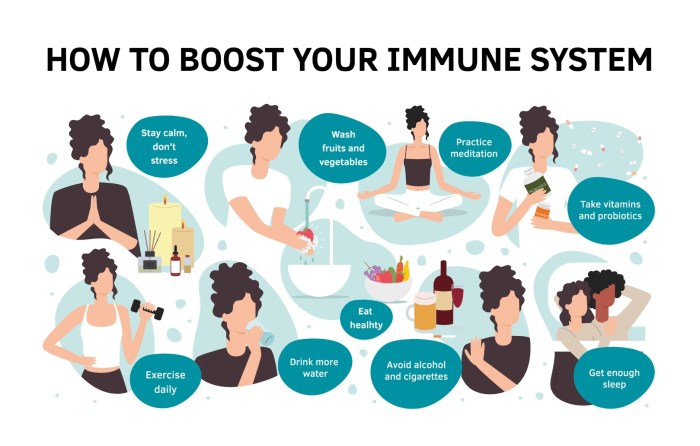
How to strengthen your immune system naturally – Boosting immunity through mental wellness, physical fitness, and healthy eating

How to strengthen your immune system naturally

Mental Wellness

Maintaining good mental wellness is essential for a strong immune system. The mind and body are closely connected, and when you are stressed or anxious, it can weaken your immune response.

Connection between Stress and Immune Function

Stress can have a significant impact on immune function. When you are stressed, your body releases cortisol, a hormone that can suppress the immune system. This makes you more susceptible to infections and illnesses.

  • Chronic stress can lead to inflammation in the body, which can weaken the immune response over time.
  • High levels of stress can also affect the production of white blood cells, which are crucial for fighting off pathogens.
  • Stress can disrupt the balance of hormones in the body, further compromising the immune system’s ability to function optimally.

Strategies for Managing Stress to Strengthen the Immune System

It is important to find ways to manage stress effectively in order to support your immune system. Here are some strategies to help you reduce stress and boost your immune function:

  1. Practice mindfulness and meditation to calm the mind and reduce stress levels.
  2. Engage in regular physical activity, which can help lower stress hormones and improve overall well-being.
  3. Get an adequate amount of sleep each night, as sleep is essential for a healthy immune system.
  4. Connect with loved ones and maintain a strong support system to help cope with stress and anxiety.
  5. Consider seeking professional help or therapy if you are struggling to manage stress on your own.

Physical Fitness: How To Strengthen Your Immune System Naturally

Regular physical activity plays a crucial role in supporting a healthy immune system. Exercise helps to strengthen the immune response, making the body more resilient to infections and diseases.

Types of Exercises to Boost Immunity

  • Cardiovascular exercises: Activities like running, cycling, or swimming can improve circulation and help immune cells move through the body more efficiently.
  • Strength training: Building muscle mass can enhance the immune system by promoting the production of antibodies and white blood cells.
  • Yoga and Pilates: These practices can reduce stress levels, which in turn can benefit the immune system by lowering inflammation.

Benefits of Incorporating Physical Fitness for Immune Support

  • Enhanced immune response: Regular exercise can boost the production of antibodies and white blood cells, strengthening the body’s defense mechanisms.
  • Reduced inflammation: Physical activity helps to decrease chronic inflammation, which is linked to various health issues, including a weakened immune system.
  • Improved overall health: Engaging in regular exercise not only supports the immune system but also contributes to better cardiovascular health, mental well-being, and overall quality of life.

Healthy Eating

Eating a nutritious diet plays a crucial role in strengthening the immune system. The foods we consume provide essential vitamins, minerals, and antioxidants that support the body’s defense mechanisms. By incorporating immune-boosting foods into our meals, we can enhance our overall health and well-being.

Immune-Boosting Foods and Their Benefits

  • Citrus Fruits: Citrus fruits like oranges, lemons, and grapefruits are rich in vitamin C, which helps boost the production of white blood cells, key players in immune response.
  • Berries: Berries such as strawberries, blueberries, and raspberries are packed with antioxidants that help reduce inflammation and enhance immune function.
  • Garlic: Garlic contains allicin, a compound with immune-boosting properties that can help fight infections and support overall immune health.
  • Yogurt: Yogurt is a good source of probiotics, beneficial bacteria that promote a healthy gut microbiome and strengthen the immune system.
  • Spinach: Spinach is loaded with vitamins A and C, as well as antioxidants and beta carotene, which contribute to immune function.

Meal Ideas for Immune Health

How to strengthen your immune system naturally – Incorporating immune-boosting foods into your meals can be delicious and satisfying. Here are some meal ideas and recipes that promote immune health:

  1. Immune-Boosting Smoothie: Blend together spinach, berries, yogurt, and a splash of orange juice for a nutritious and refreshing smoothie packed with immune-boosting ingredients.
  2. Garlic Roasted Chicken: Marinate chicken with garlic, lemon, and herbs before roasting for a flavorful and immune-supportive main dish.
  3. Citrus Salad: Combine mixed greens with citrus fruits, avocado, and nuts for a vibrant and nutrient-rich salad that supports immune function.
  4. Yogurt Parfait: Layer yogurt with berries, nuts, and a drizzle of honey for a tasty and immune-boosting breakfast or snack option.

Preventive Care

How to strengthen your immune system naturally

Preventive care plays a crucial role in maintaining a strong immune system. By taking proactive measures to prevent illnesses, you can significantly boost your body’s natural defense mechanisms.

Regular Health Check-ups

Regular health check-ups are essential for supporting your immune system. These check-ups help identify any underlying health issues early on, allowing for timely intervention and treatment to prevent complications that could weaken your immune response.

  • Make sure to schedule annual check-ups with your primary care physician to monitor your overall health.
  • Get routine vaccinations to protect against common infections and diseases.
  • Monitor your blood pressure, cholesterol levels, and other key indicators regularly to detect any abnormalities.

Tips for Preventive Measures

Implementing preventive measures in your daily routine can help you avoid illnesses and strengthen your immunity over time.

  1. Avoid smoking and limit alcohol consumption to reduce the risk of immune system suppression.
  2. Engage in regular physical activity to improve circulation and overall health.
  3. Follow a balanced diet rich in fruits, vegetables, whole grains, and lean proteins to provide essential nutrients for immune function.
  4. Practice good hygiene by washing your hands frequently and maintaining a clean living environment to prevent the spread of germs.
  5. Manage stress through relaxation techniques, mindfulness, or hobbies to reduce the impact of stress on your immune system.

Balanced Diet

Maintaining a balanced diet is crucial for supporting your immune system. A balanced diet consists of a variety of nutrients that work together to keep your immune system strong and functioning optimally.

Importance of Including a Variety of Nutrients

A balanced diet should include a variety of nutrients such as vitamins, minerals, protein, carbohydrates, and fats. Each nutrient plays a specific role in supporting immune function. For example, vitamin C is known for its antioxidant properties and is essential for immune cell function. Including a variety of nutrients ensures that your body has everything it needs to fight off infections and illnesses.

Impact of Malnutrition on Immune Function

Malnutrition, whether it be due to inadequate intake of nutrients or poor absorption, can have a detrimental impact on immune function. When your body lacks essential nutrients, it can weaken your immune response and make you more susceptible to infections. For example, a deficiency in vitamin D has been linked to an increased risk of respiratory infections. Ensuring that you are getting all the necessary nutrients through a balanced diet is essential for maintaining a strong immune system.

Regular Exercise

Regular exercise plays a crucial role in strengthening the immune system and promoting overall health. By engaging in consistent physical activity, individuals can boost their immune system resilience, reduce the risk of chronic diseases, and improve overall well-being.

Benefits of Consistent Exercise for Immune System Resilience

  • Regular exercise helps to flush bacteria out of the lungs and airways, reducing the chance of getting a cold, flu, or other illness.
  • Physical activity promotes good circulation, allowing immune cells to move freely throughout the body and do their job effectively.
  • Exercise can also help to lower levels of stress hormones, which in turn reduces inflammation and supports a healthy immune response.

Guidelines for Incorporating Regular Exercise into Daily Routines

  • Choose activities that you enjoy, whether it’s walking, jogging, cycling, dancing, or playing a sport.
  • Start with small, manageable goals and gradually increase the intensity and duration of your workouts.
  • Find a workout buddy or join a fitness class to stay motivated and accountable.
  • Make exercise a priority by scheduling it into your daily routine, just like any other important task.

Connection Between Physical Activity and Immune Response

Regular physical activity has been shown to have a positive impact on the immune system by:

  • Enhancing the circulation of immune cells in the body, allowing them to detect and target pathogens more effectively.
  • Reducing inflammation, which can help prevent chronic diseases and support a healthy immune response.
  • Improving overall health and well-being, leading to a stronger immune system and better ability to fight off infections.

Mental Health

Maintaining good mental health is essential for a strong immune system. The relationship between mental health and immune system function is closely intertwined. When you are stressed, anxious, or depressed, your body produces stress hormones like cortisol, which can suppress the immune system and make you more susceptible to infections and illnesses.

Strategies for Maintaining Good Mental Health

  • Practice mindfulness and meditation to reduce stress levels.
  • Engage in regular physical activity to release endorphins and improve mood.
  • Connect with friends and family for emotional support and social interaction.
  • Get enough sleep to allow your brain to rest and recharge.
  • Avoid unhealthy coping mechanisms like excessive alcohol or drug use.

Impact of Mental Health Disorders on Immune Health

Mental health disorders such as anxiety, depression, and PTSD can have a negative impact on immune health. Individuals with these conditions may have a weakened immune response, leading to increased susceptibility to infections and slower recovery times. It is crucial to seek professional help and treatment to manage mental health disorders effectively and support overall immune function.

Holistic Wellness

Holistic wellness focuses on treating the whole person, considering the mind, body, and spirit interconnected and working together for overall health. When it comes to boosting the immune system, holistic approaches play a crucial role in maintaining balance and promoting well-being.

Meditation

  • Meditation is a practice that can help reduce stress levels, improve mental clarity, and enhance overall well-being.
  • By calming the mind and reducing stress, meditation can help support a healthy immune system.
  • Regular meditation practice has been shown to boost immunity by reducing inflammation and promoting relaxation.

Yoga

  • Yoga combines physical postures, breathing exercises, and meditation to improve flexibility, strength, and mental focus.
  • Practicing yoga can help reduce stress, improve sleep quality, and promote overall health and wellness.
  • Yoga has been linked to lower levels of inflammation and a strengthened immune response.

Acupuncture

  • Acupuncture is a traditional Chinese medicine practice that involves inserting thin needles into specific points on the body to restore energy flow.
  • Acupuncture can help reduce pain, improve circulation, and support the body’s natural healing processes.
  • Studies have shown that acupuncture can modulate the immune system, enhancing its functionality and promoting overall health.

Lifestyle Changes

  • Healthy lifestyle choices such as getting enough sleep, staying physically active, and eating a balanced diet can contribute to overall wellness and immune health.
  • Reducing exposure to toxins, maintaining a healthy weight, and staying hydrated are also important factors in supporting the immune system.
  • By making sustainable lifestyle changes, individuals can improve their immune function and enhance their overall well-being.

Chronic Diseases

Chronic diseases are long-term health conditions that can have a significant impact on the immune system. Conditions such as diabetes, heart disease, and autoimmune disorders can weaken the immune response, making individuals more susceptible to infections and illnesses.

Managing Chronic Conditions for Immune System Strength

Individuals with chronic diseases must prioritize managing their conditions to support their immune health. Proper management of chronic diseases through medication, lifestyle changes, and regular medical check-ups can help in maintaining a strong immune system.

  • Adhering to prescribed medications: It is essential for individuals with chronic diseases to take their medications as directed by healthcare providers to manage their condition effectively and prevent complications that can compromise the immune system.
  • Healthy lifestyle choices: Adopting a healthy lifestyle that includes regular exercise, balanced nutrition, and adequate sleep can help in supporting the immune system and overall well-being.
  • Regular medical check-ups: Routine visits to healthcare professionals for monitoring of chronic conditions and early detection of any changes can aid in preventing immune system suppression.

Immunity Boosters

When it comes to strengthening your immune system naturally, incorporating immunity boosters into your daily routine can be highly beneficial. These natural remedies can help support your body’s defense mechanisms and keep you healthy.

Herbs for Immunity Boosting, How to strengthen your immune system naturally

Herbs have been used for centuries for their immune-boosting properties. Some popular herbs known for their immune-strengthening benefits include:

  • Echinacea: Known for its ability to enhance the immune system and reduce the severity of cold symptoms.
  • Ginseng: Helps improve immune function and reduce the risk of getting sick.
  • Garlic: Contains compounds that boost the immune system and have antimicrobial properties.

Supplements and Vitamins for Immunity

In addition to herbs, certain supplements and vitamins can also play a key role in boosting immunity. Some common options include:

  • Vitamin C: Known for its antioxidant properties and ability to enhance immune function.
  • Vitamin D: Helps regulate the immune system and reduce the risk of infections.
  • Zinc: Essential for immune cell function and overall immune health.

Incorporating Immunity Boosters into Daily Routine

Adding immunity boosters to your daily routine can be simple and effective. You can consider:

  • Adding herbs to your cooking or making herbal teas for immune support.
  • Taking supplements or vitamins as recommended by healthcare professionals to fill any nutritional gaps.
  • Eating a balanced diet rich in immune-boosting nutrients to support overall health.

FAQ Insights

Can mental wellness really impact the immune system?

Yes, mental wellness plays a crucial role in supporting immune function by reducing stress levels and promoting overall well-being.

How does regular exercise contribute to immune system health?

Regular physical activity boosts immune function by improving circulation, reducing inflammation, and promoting overall health.

What are some immune-boosting foods?

Immune-boosting foods include citrus fruits, leafy greens, garlic, ginger, and yogurt, among others.

Why is preventive care important for immune system support?

Preventive care helps in early detection of health issues, leading to timely interventions that strengthen the immune system.

How can lifestyle changes contribute to overall wellness and immune health?

Adopting healthy lifestyle habits such as regular exercise, balanced diet, and stress management can significantly improve overall wellness and immune function.

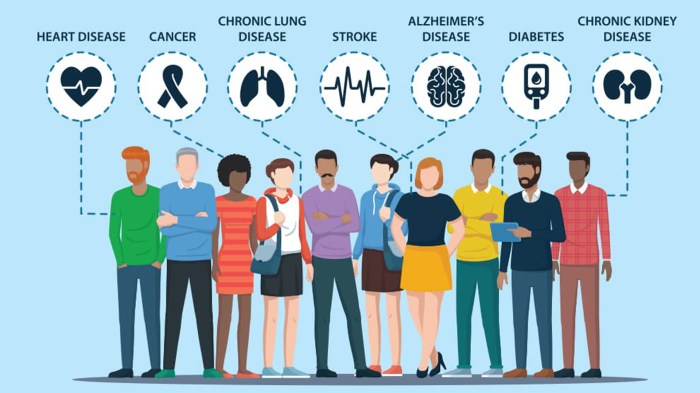
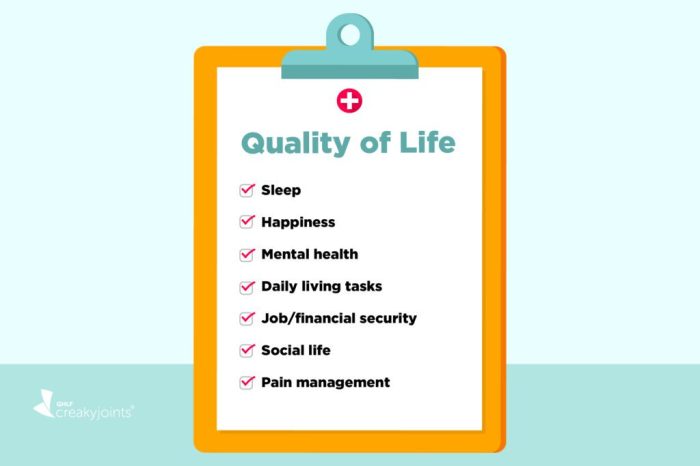
Impact of chronic diseases on quality of life: Understanding the Effects and Strategies

Impact of chronic diseases on quality of life

Impact of Chronic Diseases on Quality of Life

Chronic diseases can have a profound impact on an individual’s overall quality of life, affecting not only their physical health but also their emotional well-being and social interactions. These conditions often require long-term management and can lead to various complications, significantly impacting the daily life of those affected.

Common Chronic Diseases

  • Diabetes: Individuals with diabetes need to constantly monitor their blood sugar levels, adhere to strict dietary restrictions, and may face complications such as nerve damage or vision problems.
  • Hypertension: High blood pressure can increase the risk of heart disease, stroke, and kidney damage, requiring individuals to take medications and make lifestyle changes.
  • Arthritis: Chronic pain and stiffness in the joints can limit mobility and impact daily activities, affecting the individual’s quality of life.

Physical, Emotional, and Social Implications

Living with a chronic disease can take a toll on a person’s physical health, leading to symptoms that may impact their ability to perform daily tasks and participate in activities they enjoy. The emotional burden of managing a chronic condition, dealing with pain, and facing uncertainties about the future can also contribute to feelings of anxiety, depression, and stress. Socially, individuals with chronic diseases may face stigma, isolation, and difficulties in maintaining relationships due to the limitations imposed by their condition.

Comparison with Individuals without Chronic Diseases

The quality of life of individuals with chronic diseases is often lower compared to those without such conditions. They may experience a reduced ability to engage in physical activities, increased healthcare costs, and a higher risk of comorbidities. The constant need for medical attention and lifestyle modifications can also impact their overall well-being and independence, affecting their quality of life in various aspects.

Mental Wellness

Maintaining mental wellness is crucial for individuals managing chronic diseases as it directly impacts their overall quality of life. The emotional and psychological aspects of dealing with a chronic illness can significantly affect a person’s well-being and ability to cope with their condition.

Importance of Mental Wellness

  • Emotional Support: Managing a chronic illness can be overwhelming, leading to feelings of stress, anxiety, and depression. Prioritizing mental wellness can provide emotional support and coping strategies to navigate the challenges.
  • Resilience: Building mental resilience can help individuals better cope with the uncertainties and setbacks associated with chronic diseases, enabling them to maintain a positive outlook and sense of control.
  • Quality of Life: Mental wellness plays a key role in enhancing overall quality of life by promoting emotional stability, motivation, and a sense of well-being despite the limitations imposed by the illness.

Challenges and Strategies

  • Challenges: Living with a chronic illness can lead to feelings of isolation, frustration, and a sense of loss due to changes in lifestyle and limitations in daily activities.
  • Strategies for Maintaining Mental Wellness:
    • Seeking Support: Connecting with support groups, mental health professionals, or loved ones can provide a valuable outlet for expressing emotions and receiving guidance.
    • Self-Care: Engaging in activities that promote relaxation, such as meditation, exercise, or hobbies, can help reduce stress and improve mental well-being.
    • Positive Thinking: Cultivating a positive mindset and focusing on gratitude and resilience can enhance mental wellness and coping mechanisms.

Impact on Quality of Life, Impact of chronic diseases on quality of life

  • Interconnectedness: Mental wellness and quality of life are closely intertwined, with improvements in mental health leading to enhanced overall well-being and vice versa.
  • Self-Management: Individuals with chronic diseases who prioritize mental wellness are better equipped to manage their condition effectively, leading to improved adherence to treatment and better health outcomes.
  • Social Relationships: Maintaining mental wellness can also positively impact relationships with family, friends, and healthcare providers, fostering a supportive environment for holistic care and emotional well-being.

Physical Fitness

Impact of chronic diseases on quality of life
Regular exercise and physical fitness play a crucial role in managing chronic diseases and improving the overall quality of life for individuals suffering from these conditions. Exercise has been proven to have numerous benefits for both physical and mental health, making it an essential component of disease management.

Benefits of Regular Exercise for Chronic Conditions

  • Improved cardiovascular health: Regular exercise can help strengthen the heart, improve circulation, and lower blood pressure, reducing the risk of heart-related complications for individuals with chronic conditions such as heart disease or diabetes.
  • Enhanced flexibility and mobility: Engaging in exercises that focus on flexibility and mobility can help individuals with conditions like arthritis or osteoporosis maintain joint function and reduce pain.
  • Weight management: Exercise can aid in weight loss or maintenance, which is important for managing chronic conditions like obesity, which can exacerbate other health issues.
  • Mood regulation: Physical activity releases endorphins, which can help reduce stress, anxiety, and depression commonly experienced by individuals with chronic diseases.

Suitable Exercises for Different Chronic Diseases

  • Cardiovascular exercises (e.g., walking, cycling, swimming) are beneficial for individuals with heart disease or diabetes.
  • Strength training exercises (e.g., weightlifting, resistance bands) can help improve muscle strength and bone density for individuals with osteoporosis or arthritis.
  • Low-impact exercises (e.g., yoga, Pilates, tai chi) are gentle on the joints and suitable for individuals with conditions like fibromyalgia or chronic pain.
  • Aerobic exercises (e.g., dancing, aerobics classes) can improve lung function and overall fitness for individuals with respiratory conditions like asthma or COPD.

Improving Overall Well-being with Physical Fitness

Regular physical activity not only helps manage chronic diseases but also improves overall well-being and quality of life. It can boost energy levels, enhance sleep quality, and increase self-confidence and independence. By incorporating exercise into their routine, individuals with chronic conditions can experience a range of physical, mental, and emotional benefits that contribute to a better quality of life.

Healthy Eating

Eating a balanced diet is crucial in managing chronic diseases as it provides the necessary nutrients for the body to function optimally and helps in controlling symptoms and complications associated with these conditions.

Importance of a Balanced Diet in Managing Chronic Diseases

A balanced diet rich in fruits, vegetables, whole grains, lean proteins, and healthy fats is essential for individuals with chronic illnesses. These nutrients help in reducing inflammation, maintaining a healthy weight, managing blood sugar levels, and supporting overall health.

Guidelines for Healthy Eating Habits

– Include a variety of colorful fruits and vegetables in your meals to ensure a good intake of vitamins and minerals.
– Choose whole grains over refined grains for fiber content and sustained energy levels.
– Opt for lean proteins such as poultry, fish, beans, and nuts to support muscle health and repair.
– Limit the intake of processed foods, sugary beverages, and high-fat products to reduce the risk of exacerbating chronic conditions.

Impact of Nutrition on the Progression and Management of Chronic Conditions

Nutrition plays a significant role in the progression and management of chronic diseases. Poor dietary choices can worsen symptoms, increase inflammation, and lead to complications. On the other hand, a healthy diet can improve overall health, enhance immune function, and reduce the risk of developing secondary conditions.

Relationship Between Healthy Eating and Quality of Life

The relationship between healthy eating and quality of life for individuals with chronic diseases is profound. A well-balanced diet can improve energy levels, mood, and cognitive function, leading to a better quality of life. Furthermore, proper nutrition can help in managing symptoms effectively, reducing the need for medications, and promoting overall well-being.

Preventive Care

Preventive care plays a crucial role in reducing the impact of chronic diseases on quality of life by focusing on early detection and management of potential health issues.

Significance of Preventive Care

  • Regular check-ups and screenings can help in the early identification of chronic conditions, allowing for timely intervention and treatment.
  • Preventive measures such as vaccinations, healthy lifestyle choices, and disease screenings can significantly reduce the risk of developing chronic illnesses.
  • By prioritizing preventive care, individuals can maintain better overall health, leading to improved quality of life and well-being.

Role of Regular Check-ups and Screenings

  • Regular check-ups with healthcare providers enable monitoring of vital health indicators and early detection of any abnormalities.
  • Screenings for conditions like hypertension, diabetes, and cancer can help in identifying risks at an early stage, allowing for prompt treatment and management.
  • Early intervention through regular screenings can prevent the progression of chronic diseases and improve outcomes for patients.

Examples of Preventive Measures

  • Engaging in regular physical activity and maintaining a balanced diet can help prevent obesity, a risk factor for many chronic conditions.
  • Quitting smoking and limiting alcohol consumption can reduce the risk of developing heart disease, respiratory disorders, and certain types of cancer.
  • Getting vaccinated against infectious diseases like influenza and pneumonia can lower the chances of contracting severe illnesses that may lead to long-term health issues.

Comparison of Quality of Life Outcomes

  • Individuals who prioritize preventive care often experience fewer complications from chronic diseases, leading to a higher quality of life and increased longevity.
  • In contrast, those who neglect preventive measures may face more advanced stages of illness, reduced functional abilities, and a lower overall quality of life.
  • The proactive approach to health maintenance through preventive care can result in better health outcomes and a more fulfilling lifestyle in the long run.

Holistic Wellness

Impact of chronic diseases on quality of life
Holistic wellness encompasses the idea of treating the whole person, addressing physical, mental, and emotional well-being to achieve overall health. This approach is particularly relevant for individuals with chronic diseases as it acknowledges the interconnected nature of various aspects of health.

Benefits of Holistic Wellness for Individuals with Chronic Diseases

  • Improved Quality of Life: By addressing physical, mental, and emotional health together, individuals with chronic diseases can experience an overall improvement in their quality of life.
  • Enhanced Symptom Management: Holistic approaches often involve various techniques such as mindfulness, yoga, and nutrition counseling, which can help in managing symptoms of chronic conditions effectively.
  • Promotion of Self-Care: Encouraging individuals to take care of their physical, mental, and emotional well-being empowers them to actively participate in their treatment and recovery process.
  • Reduced Stress and Anxiety: Holistic practices like meditation and relaxation techniques can help in reducing stress and anxiety levels commonly associated with chronic diseases.

Immunity Boosters

Boosting immunity is crucial for individuals with chronic diseases as it helps in fighting off infections and maintaining overall health. A strong immune system can positively impact the management of chronic conditions by reducing the frequency and severity of flare-ups or complications.

Immunity-Boosting Foods, Supplements, and Lifestyle Practices

There are several ways to boost immunity naturally through diet, supplements, and lifestyle practices:

  • Eating a diet rich in fruits, vegetables, whole grains, and lean proteins can provide essential vitamins and minerals that support immune function.
  • Consuming foods high in antioxidants such as berries, nuts, and green leafy vegetables can help reduce inflammation and boost immunity.
  • Getting regular exercise, managing stress levels, and getting adequate sleep are important lifestyle factors that can strengthen the immune system.
  • Supplements like vitamin C, vitamin D, zinc, and probiotics can also help support immune health.

Relationship Between Immunity Levels and Quality of Life Outcomes

Maintaining optimal immunity levels is directly linked to better quality of life outcomes for individuals with chronic illnesses. A strong immune system can help prevent infections and complications, leading to fewer hospitalizations and improved overall well-being. By incorporating immunity-boosting foods, supplements, and lifestyle practices, individuals can better manage their chronic conditions and improve their quality of life.

FAQ Overview: Impact Of Chronic Diseases On Quality Of Life

How do chronic diseases affect quality of life?

Chronic diseases can significantly impact quality of life by affecting various aspects such as physical health, emotional well-being, and social interactions.

What are some common chronic diseases that have a major impact on quality of life?

Examples of common chronic diseases include diabetes, heart disease, arthritis, and asthma, among others.

How can mental wellness help in managing chronic diseases?

Maintaining mental wellness is crucial for individuals with chronic diseases as it can help in coping with the challenges and improving overall quality of life.

What role does physical fitness play in enhancing quality of life for individuals with chronic conditions?

Physical fitness is essential in managing chronic diseases as it can improve overall well-being, strengthen the body, and boost mental health.

Why is preventive care important in reducing the impact of chronic diseases on quality of life?

Preventive care helps in early detection and management of chronic conditions, leading to better quality of life outcomes for individuals.

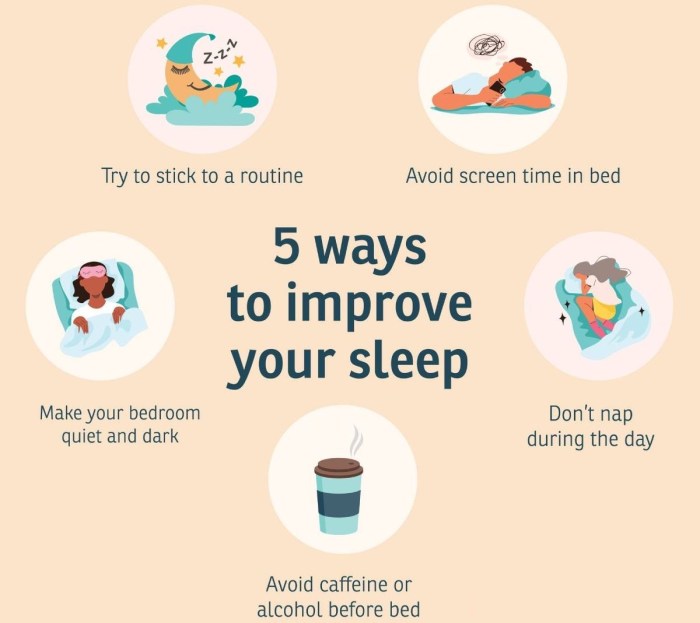
Mental health tips for improving sleep quality: Enhance Your Well-Being Through Better Sleep

Mental health tips for improving sleep quality

Mental Health Tips for Improving Sleep Quality

Mental health tips for improving sleep quality – Ensuring good mental health is crucial for achieving quality sleep. Here are some strategies to help reduce anxiety, establish a bedtime routine, create a calming sleep environment, and incorporate mindfulness or meditation for better sleep:

Reducing Anxiety Before Bedtime

  • Avoid stimulants like caffeine and nicotine close to bedtime.
  • Practice relaxation techniques such as deep breathing exercises or progressive muscle relaxation.
  • Write down your worries or thoughts in a journal to clear your mind before sleep.

Establishing a Bedtime Routine

  • Go to bed and wake up at the same time every day, even on weekends.
  • Engage in calming activities before bed, such as reading a book or taking a warm bath.
  • Avoid screens and stimulating activities before bedtime.

Creating a Calming Sleep Environment

  • Keep your bedroom cool, dark, and quiet for optimal sleep conditions.
  • Invest in a comfortable mattress and pillows that support good sleep posture.
  • Avoid clutter in your bedroom to promote a sense of relaxation and calm.

Role of Mindfulness or Meditation

  • Practice mindfulness techniques like body scans or guided meditation to relax the mind and body before sleep.
  • Focus on your breath and stay present in the moment to reduce racing thoughts and anxiety.
  • Use meditation apps or guided sleep meditations to aid in falling asleep peacefully.

Physical Fitness and Sleep Quality

Regular exercise has been proven to have a positive impact on sleep patterns. Engaging in physical activity can help regulate the body’s internal clock, known as the circadian rhythm, which plays a crucial role in determining when we feel sleepy and when we wake up. Additionally, exercise can reduce stress and anxiety levels, which are common culprits of poor sleep quality.

Best Types of Exercises for Promoting Better Sleep

  • Aerobic exercises such as running, cycling, or swimming are great options for improving sleep quality. These activities help increase the production of endorphins, which are known to promote relaxation and reduce stress.
  • Strength training exercises like weightlifting or bodyweight exercises can also contribute to better sleep. Building muscle mass has been linked to improved sleep patterns and overall sleep quality.
  • Yoga and stretching exercises are excellent choices for promoting relaxation and reducing muscle tension, both of which can help prepare the body for a restful night’s sleep.

Connection Between Physical Activity and Improved Sleep Quality

Regular physical activity can help regulate the production of hormones such as cortisol and melatonin, which play key roles in the sleep-wake cycle. Exercise can also increase body temperature, and the subsequent cooling down process can signal to the body that it’s time to rest, making it easier to fall asleep and stay asleep throughout the night.

Healthy Eating Habits for Better Sleep

Eating the right foods and maintaining healthy eating habits can significantly impact the quality of your sleep.

Foods that Promote Better Sleep

  • Cherries: Rich in melatonin, a hormone that regulates sleep-wake cycles.
  • Almonds: Contain magnesium, which helps relax muscles and promote sleep.
  • Bananas: High in potassium and magnesium, which are natural muscle relaxants.
  • Fatty Fish: Sources of omega-3 fatty acids that may help improve sleep quality.
  • Whole Grains: Provide a steady release of serotonin, promoting relaxation and sleep.

Avoiding Heavy Meals Before Bed

Avoiding heavy, rich meals close to bedtime is essential for better sleep quality. Large meals can lead to indigestion and discomfort, making it harder to fall asleep and stay asleep throughout the night.

The Impact of Caffeine and Alcohol

Caffeine: Consuming caffeine, especially in the afternoon or evening, can disrupt your sleep cycle. It is a stimulant that can keep you awake and reduce the quality of your sleep.

Alcohol: While alcohol may initially make you feel drowsy, it can disrupt your sleep cycle and lead to fragmented sleep. It is best to limit alcohol consumption, especially close to bedtime, for better sleep quality.

Preventive Care Practices for Quality Sleep

Mental health tips for improving sleep quality
Maintaining a consistent sleep schedule, practicing relaxation techniques, and managing stress are crucial for ensuring quality sleep and overall well-being.

Importance of Maintaining a Consistent Sleep Schedule

Consistency in your sleep schedule helps regulate your body’s internal clock, known as the circadian rhythm. Going to bed and waking up at the same time every day can improve the quality of your sleep by ensuring that you get enough restorative rest each night.

Role of Relaxation Techniques in Improving Sleep

  • Practice deep breathing exercises or meditation before bedtime to calm your mind and prepare your body for sleep.
  • Engage in gentle stretching or yoga to release tension in your muscles and promote relaxation.
  • Try progressive muscle relaxation techniques to reduce physical and mental stress, helping you fall asleep more easily.

Tips for Managing Stress to Prevent Sleep Disturbances

  • Establish a bedtime routine that includes activities like reading, taking a warm bath, or listening to soothing music to unwind before sleep.
  • Avoid caffeine, alcohol, and heavy meals close to bedtime, as these can disrupt your sleep and increase stress levels.
  • Practice mindfulness or journaling to express your thoughts and emotions, reducing anxiety and promoting a peaceful state of mind for restful sleep.

Balanced Diet and Sleep Quality

Maintaining a well-balanced diet is essential for overall health, including quality sleep. The foods we eat can have a significant impact on our sleep patterns and overall well-being.

Importance of Nutritional Deficiencies on Sleep Quality

Nutritional deficiencies can disrupt our sleep quality and lead to issues such as insomnia or restless sleep. For example, a lack of magnesium can contribute to poor sleep quality, while low levels of vitamin D have been linked to sleep disturbances. It’s crucial to ensure that we are getting all the necessary nutrients through our diet to support a good night’s sleep.

Tips for Timing Meals to Optimize Sleep

  • Avoid heavy meals close to bedtime, as it can lead to indigestion and disrupt sleep.
  • Try to have your last meal at least 2-3 hours before going to bed to allow for proper digestion.
  • Include foods rich in tryptophan, such as turkey, nuts, and seeds, in your dinner to promote the production of sleep-inducing hormones.
  • Limit caffeine and alcohol intake in the evening, as they can interfere with your sleep cycle.

Regular Exercise and Its Impact on Sleep

Regular exercise plays a crucial role in improving sleep quality and duration. Physical activity has been linked to better sleep patterns and overall well-being. Let’s delve deeper into the benefits of incorporating exercise into your daily routine for better sleep.

Relationship between Physical Activity and Sleep Duration

Regular exercise helps regulate your internal body clock, also known as the circadian rhythm, which is essential for maintaining a healthy sleep-wake cycle. Engaging in physical activity can help you fall asleep faster, experience deeper sleep, and reduce instances of waking up during the night. Studies have shown that individuals who exercise regularly tend to enjoy longer and more restful sleep compared to those who lead a sedentary lifestyle.

Strategies for Incorporating Exercise into Daily Routines for Better Sleep

– Schedule your workouts at a consistent time each day to establish a routine.
– Choose activities that you enjoy, whether it’s jogging, yoga, dancing, or swimming.
– Aim for at least 150 minutes of moderate-intensity exercise per week, as recommended by health authorities.
– Avoid vigorous exercise close to bedtime, as it may stimulate your body and make it harder to wind down for sleep.

Connection between Improved Fitness Levels and Sleep Quality

Regular exercise not only promotes better sleep but also enhances overall fitness levels. Improved cardiovascular health, reduced stress levels, and a boosted mood are just some of the benefits of staying physically active. As your fitness levels improve, you may notice that your sleep quality also enhances, leading to a more refreshed and energized feeling upon waking up.

Mental Health and Sleep Quality

Mental health plays a crucial role in determining the quality of sleep an individual gets. Various mental health conditions can significantly impact sleep patterns, making it essential to address these issues for better sleep quality.

Impact of Mental Health on Sleep Patterns

Conditions such as anxiety, depression, PTSD, and stress can disrupt normal sleep cycles, leading to difficulties falling asleep, staying asleep, or experiencing restful sleep. These mental health issues can cause insomnia, nightmares, or other sleep disorders, affecting overall well-being.

Coping Mechanisms for Managing Mental Health Issues

  • Practice relaxation techniques like deep breathing, meditation, or yoga to reduce stress and anxiety levels before bedtime.
  • Establish a consistent bedtime routine to signal the body that it’s time to wind down and prepare for sleep.
  • Engage in regular physical exercise, which can help improve mood, reduce symptoms of depression, and promote better sleep.
  • Seek therapy or counseling to address underlying mental health concerns professionally and learn coping strategies to manage symptoms effectively.

Importance of Seeking Professional Help

It is crucial to seek professional help for mental health concerns that are impacting sleep quality. Therapists, counselors, or psychiatrists can provide proper diagnosis, treatment, and support tailored to individual needs. Addressing mental health issues not only improves sleep quality but also enhances overall quality of life.

Holistic Wellness Approaches for Better Sleep

Mental health tips for improving sleep quality
Holistic wellness approaches encompass a wide range of practices aimed at promoting overall well-being, including physical, mental, and emotional health. When it comes to improving sleep quality, holistic techniques such as acupuncture and aromatherapy have shown promising results in helping individuals achieve a restful night’s sleep.

Acupuncture for Promoting Sleep

Acupuncture, an ancient Chinese healing practice, involves the insertion of thin needles into specific points on the body to promote balance and alleviate various health issues. When it comes to sleep, acupuncture has been found to help regulate the body’s natural sleep-wake cycle and reduce insomnia symptoms. By targeting specific energy pathways in the body, acupuncture can help improve overall sleep quality and promote relaxation.

Aromatherapy for Better Sleep

Aromatherapy involves the use of essential oils extracted from plants to promote physical and psychological well-being. Certain essential oils, such as lavender and chamomile, are known for their calming and sleep-inducing properties. By using aromatherapy techniques like diffusing essential oils in the bedroom or adding them to a warm bath before bedtime, individuals can create a soothing environment that promotes relaxation and better sleep quality.

Benefits of Integrating Holistic Wellness Techniques

Integrating holistic wellness techniques into a sleep routine can offer a range of benefits beyond just improving sleep quality. These practices can help reduce stress, alleviate anxiety, and promote overall relaxation, leading to better mental and physical health. By taking a holistic approach to sleep, individuals can address underlying issues that may be affecting their ability to rest and rejuvenate during the night.

Personal Experiences with Holistic Approaches

Many individuals have reported success in improving their sleep quality through holistic approaches like acupuncture and aromatherapy. By incorporating these practices into their daily routines, they have experienced fewer sleep disturbances, increased relaxation, and a greater sense of well-being. Personal stories and testimonials highlight the effectiveness of holistic wellness techniques in promoting better sleep and overall health.

Chronic Diseases and Sleep Quality

Chronic diseases can have a significant impact on sleep quality and overall health. Conditions such as diabetes, heart disease, arthritis, and chronic pain can lead to sleep disturbances, making it challenging to get a good night’s rest. Managing sleep problems associated with chronic illnesses is crucial for improving quality of life and overall well-being. Here are some strategies to help individuals cope with sleep disturbances caused by chronic diseases:

Strategies for Managing Sleep Disturbances, Mental health tips for improving sleep quality

  • Establish a consistent sleep schedule: Going to bed and waking up at the same time every day can help regulate your body’s internal clock and improve sleep quality.
  • Create a relaxing bedtime routine: Engage in calming activities before bed, such as reading a book, taking a warm bath, or practicing mindfulness techniques to signal to your body that it’s time to wind down.
  • Avoid stimulants and heavy meals close to bedtime: Caffeine, nicotine, and large meals can interfere with your ability to fall asleep, so it’s best to avoid them in the hours leading up to bedtime.
  • Manage stress: Chronic illnesses can be stressful, so finding healthy ways to cope with stress, such as meditation, yoga, or deep breathing exercises, can help improve sleep quality.

Tips for Improving Sleep Quality with a Chronic Condition

  • Consult with your healthcare provider: Talk to your doctor about your sleep difficulties and work together to develop a treatment plan that addresses both your chronic illness and sleep disturbances.
  • Stay physically active: Regular exercise can help improve sleep quality and overall health, but be sure to choose activities that are safe and appropriate for your condition.
  • Create a sleep-conducive environment: Make your bedroom a comfortable and relaxing space by keeping it cool, dark, and quiet to promote better sleep.
  • Consider cognitive behavioral therapy for insomnia (CBT-I): CBT-I is a structured program that helps individuals identify and change behaviors that contribute to sleep problems, making it an effective treatment for insomnia associated with chronic diseases.

Immunity Boosters and Sleep Quality

Poor sleep quality can have a significant impact on our immune system, making us more susceptible to illnesses and infections. Adequate and restful sleep plays a crucial role in supporting our body’s immune function and overall health. Here are some tips for enhancing immunity through improved sleep quality:

How Sleep Impacts the Immune System

  • During sleep, our body produces cytokines, a type of protein that helps regulate our immune response to infections and inflammation.
  • Lack of sleep can lead to a decrease in cytokine production, weakening our immune system’s ability to fight off pathogens.
  • Chronic sleep deprivation can also increase inflammation in the body, putting additional stress on the immune system.

Connection Between Adequate Sleep and Immune Function

  • Adequate sleep helps in the production of antibodies and immune cells that are essential in combating infections.
  • Quality sleep also supports the function of T cells, which play a crucial role in identifying and destroying infected cells in the body.
  • Research has shown that individuals who get enough sleep are less likely to get sick compared to those who are sleep deprived.

Tips for Enhancing Immunity Through Improved Sleep Quality

  • Establish a consistent sleep schedule and aim for 7-9 hours of quality sleep each night.
  • Create a relaxing bedtime routine to signal to your body that it’s time to wind down and prepare for sleep.
  • Avoid stimulants like caffeine and electronic devices before bedtime, as they can disrupt your sleep patterns.
  • Ensure your sleep environment is conducive to rest, with a comfortable mattress, pillows, and a cool, dark room.
  • Practice stress-reducing activities like meditation or deep breathing exercises to calm your mind before sleep.

Clarifying Questions

How can I reduce anxiety before bedtime?

To reduce anxiety before bedtime, try relaxation techniques like deep breathing, meditation, or gentle yoga exercises.

What are the best foods for promoting better sleep?

Foods like almonds, kiwi, chamomile tea, and warm milk can help promote better sleep due to their calming and sleep-inducing properties.

How does chronic illness affect sleep quality?

Chronic illnesses can disrupt sleep patterns and overall health due to symptoms like pain, discomfort, or medication side effects. It’s important to work with healthcare professionals to manage these challenges effectively.

Mental health tips for staying connected during isolation – Strategies for Wellness

Mental health tips for staying connected during isolation

Mental Wellness

Maintaining mental wellness during isolation is crucial for overall well-being. It’s important to check in with yourself and loved ones regularly to ensure everyone is coping well. Incorporating mindfulness practices into your daily routine can help reduce stress and promote a sense of calm. Journaling or engaging in creative expression can also be beneficial in processing emotions and promoting mental well-being.

Strategies for Maintaining Mental Wellness

  • Establish a daily routine to provide structure and stability.
  • Stay connected with friends and family through virtual platforms.
  • Practice relaxation techniques such as deep breathing or meditation.
  • Engage in physical activity to boost mood and reduce anxiety.
  • Limit exposure to news or social media that may increase stress levels.

Importance of Mental Health Check-ins

Mental health tips for staying connected during isolation – Regularly checking in with yourself and loved ones can help identify any concerning changes in mood or behavior. It allows for open communication and support during challenging times.

Incorporating Mindfulness Practices

  • Start the day with a mindful activity such as yoga or meditation.
  • Practice gratitude by reflecting on positive aspects of your life.
  • Stay present in the moment by focusing on your senses and surroundings.

Benefits of Journaling and Creative Expression

Journaling allows for self-reflection and can help process emotions effectively. Engaging in creative activities like painting or writing can serve as a therapeutic outlet for expressing thoughts and feelings.

Physical Fitness

Maintaining physical fitness is crucial for overall well-being, especially during times of isolation. Engaging in simple at-home workout routines can help you stay active and improve both your physical and mental health.

Simple At-Home Workout Routines

  • Start with a 10-15 minute warm-up session to get your blood flowing.
  • Incorporate bodyweight exercises like squats, lunges, push-ups, and planks.
  • Include cardio activities such as jumping jacks, high knees, or running in place.
  • Finish with a cool-down period and stretches to prevent injury.

Connection Between Physical Activity and Mental Health

Regular physical activity has been shown to reduce symptoms of anxiety and depression, improve mood, and boost self-esteem. Exercise releases endorphins, which are known as “feel-good” hormones that can help alleviate stress and promote a sense of well-being.

Importance of Setting Fitness Goals

Setting fitness goals during isolation can help provide structure to your routine and give you a sense of accomplishment. Whether it’s aiming to increase your daily step count, improve your flexibility, or master a new exercise, having goals can keep you motivated and focused.

Tips for Staying Motivated to Exercise Regularly

  • Find a workout buddy or join virtual fitness classes to stay accountable.
  • Mix up your routine to prevent boredom and challenge different muscle groups.
  • Reward yourself for reaching milestones, whether it’s with a healthy treat or a relaxing activity.
  • Track your progress to see how far you’ve come and celebrate your achievements.
  • Healthy Eating

    Eating a balanced and nutritious diet at home is essential for maintaining both physical and mental well-being. The food we consume not only affects our physical health but also plays a significant role in our mental health and mood regulation.

    Creating a Balanced Diet

    Creating a balanced diet at home involves incorporating a variety of food groups to ensure you are getting all the essential nutrients your body needs. Consider including the following in your meals:

    • Lean proteins such as chicken, fish, tofu, and legumes
    • Whole grains like brown rice, quinoa, and whole wheat bread
    • Plenty of fruits and vegetables for vitamins, minerals, and fiber
    • Healthy fats from sources like avocados, nuts, and olive oil
    • Dairy or dairy alternatives for calcium and vitamin D

    Impact of Diet on Mental Health

    The food we eat can directly impact our mood, energy levels, and overall mental well-being. Consuming a diet rich in fruits, vegetables, whole grains, and lean proteins can support brain function and help regulate mood. On the other hand, a diet high in processed foods, sugar, and unhealthy fats may contribute to feelings of fatigue, irritability, and even depression.

    Recipes for Brain Health

    Here are a few meal ideas and recipes that promote brain health and mood regulation:

    Salmon and avocado salad with quinoa

    Vegetable stir-fry with tofu and brown rice

    Greek yogurt with mixed berries and almonds

    Oatmeal topped with walnuts and banana slices

    Importance of Hydration

    Staying hydrated is crucial for maintaining optimal brain function and mental clarity. Dehydration can lead to cognitive decline, fatigue, and difficulty concentrating. Make sure to drink plenty of water throughout the day and consider incorporating hydrating foods like fruits and vegetables into your meals.

    Preventive Care

    During isolation, it is crucial to focus on preventive care to maintain overall health and well-being. Preventive measures play a significant role in managing chronic conditions and ensuring that you stay healthy.

    Tips for Preventive Care

    • Establish a routine for physical activity, healthy eating, and mental wellness to boost your immune system and overall health.
    • Stay connected with your healthcare provider through virtual appointments for regular check-ups and consultations.
    • Ensure you are up-to-date on vaccinations and screenings to prevent the spread of infectious diseases and detect any health issues early.
    • Practice good hygiene habits, such as frequent handwashing and sanitizing commonly touched surfaces, to reduce the risk of illness.

    Balanced Diet

    Maintaining a well-balanced diet is crucial for supporting not only physical health but also mental well-being. The food we consume directly impacts our mood, cognitive function, and overall mental health. By understanding the components of a balanced diet and choosing foods that support brain health, we can optimize our mental wellness.

    Components of a Well-Balanced Diet

    • Proteins: Essential for brain function and neurotransmitter production.
    • Healthy fats: Omega-3 fatty acids are crucial for cognitive function and mood stability.
    • Complex carbohydrates: Provide a steady source of energy for the brain.
    • Vitamins and minerals: Support overall brain health and function.

    Foods for Cognitive Function and Mood Stability

    • Fatty fish like salmon, nuts, and seeds for omega-3 fatty acids.
    • Leafy greens, berries, and citrus fruits for vitamins and antioxidants.
    • Whole grains, legumes, and lean proteins for sustained energy.

    Meal Planning and Grocery Shopping Tips

    • Plan your meals ahead to ensure a variety of nutrients.
    • Make a grocery list based on balanced meal options.
    • Focus on whole, unprocessed foods while shopping.

    Intuitive Eating for Mental Wellness

    Intuitive eating is about listening to your body’s hunger and fullness cues without restrictions or rules. By practicing intuitive eating, individuals can develop a healthier relationship with food, reduce stress around eating, and improve overall mental wellness.

    Regular Exercise

    Regular exercise plays a crucial role in maintaining good mental health. Physical activity has been shown to reduce symptoms of anxiety and depression, improve mood, and increase overall well-being. It is important to find ways to stay active, especially during times of isolation.

    Incorporating Exercise into Daily Routines

    • Set aside time each day for physical activity, whether it’s a workout, a walk, or some stretching exercises.
    • Try to incorporate movement into your daily tasks, such as taking the stairs instead of the elevator or doing squats while brushing your teeth.
    • Find activities that you enjoy, whether it’s dancing, yoga, or playing a sport, to make exercise more enjoyable and sustainable.

    Mental Health Benefits of Different Types of Physical Activities

    • Aerobic exercises like running or swimming can help release endorphins and reduce stress.
    • Strength training can boost self-esteem and improve body image, leading to better mental health.
    • Yoga and Pilates can help improve mindfulness and reduce symptoms of anxiety and depression.

    Staying Active and Motivated in Isolation, Mental health tips for staying connected during isolation

    • Set specific goals for your exercise routine and track your progress to stay motivated.
    • Join virtual fitness classes or workout groups to stay connected and accountable.
    • Mix up your routine to prevent boredom and keep things interesting.

    Mental Health

    Understanding the importance of mental health is crucial for overall well-being. It involves recognizing and addressing mental health concerns, seeking help when needed, and promoting a supportive and stigma-free environment.

    Significance of Mental Health Awareness and Destigmatization

    Mental health awareness plays a vital role in breaking down barriers and misconceptions surrounding mental illness. By promoting open discussions and providing education, we can create a more understanding and accepting society. Destigmatization helps individuals feel comfortable seeking help and support without fear of judgment or discrimination.

    Resources for Seeking Professional Help

    • Local mental health clinics or centers
    • Therapists or counselors specializing in mental health
    • Support groups or hotlines for immediate assistance
    • Online resources and telehealth services for virtual consultations

    Self-Care Practices for Mental Well-Being

    Self-care is essential for maintaining good mental health. Incorporating practices like mindfulness, relaxation techniques, regular exercise, and adequate sleep can help reduce stress and improve overall well-being.

    Personal Experiences and Success Stories

    Sharing personal experiences of mental health recovery can inspire others and offer hope. Success stories highlight the importance of seeking help, following treatment plans, and practicing self-care to achieve positive outcomes in mental health.

    Holistic Wellness: Mental Health Tips For Staying Connected During Isolation

    Mental health tips for staying connected during isolation
    Holistic wellness focuses on the interconnectedness of physical, emotional, and spiritual health to promote overall well-being. By addressing all aspects of health, individuals can achieve a more balanced and fulfilling life.

    Holistic Practices

    • Meditation: Incorporating meditation into your daily routine can help reduce stress, improve focus, and enhance emotional well-being. Find a quiet space, sit comfortably, and focus on your breath or a mantra to center your mind.
    • Yoga: Practicing yoga not only improves physical strength and flexibility but also promotes mental clarity and emotional balance. Join online yoga classes or follow guided videos to experience the benefits of this ancient practice.
    • Acupuncture: Acupuncture is a traditional Chinese medicine technique that involves inserting thin needles into specific points on the body to restore energy flow. It can help alleviate physical pain, reduce stress, and enhance overall wellness.

    Creating a Holistic Wellness Routine

    • Set Intentions: Start each day with a positive intention to guide your actions and mindset.
    • Mindful Eating: Focus on nourishing your body with whole foods that support your physical and emotional well-being.
    • Stay Active: Incorporate regular exercise, whether it’s yoga, walking, or dancing, to boost your mood and energy levels.
    • Connect with Nature: Spending time outdoors can help reduce stress, increase feelings of happiness, and promote a sense of peace.
    • Practice Gratitude: Take time to reflect on the things you are grateful for each day to cultivate a positive outlook and mindset.

    Chronic Diseases

    Isolation can have a significant impact on individuals with chronic diseases, as it may lead to feelings of loneliness, increased stress, and lack of access to necessary medical care. Managing chronic conditions while staying connected is crucial for maintaining overall health and well-being. Here are some strategies to help individuals with chronic diseases navigate these challenges:

    Strategies for Managing Chronic Conditions

    • Stay in touch with your healthcare provider through telemedicine or virtual appointments to ensure continuity of care.
    • Establish a routine that includes medication management, healthy eating, physical activity, and adequate rest.
    • Utilize technology to connect with support groups or online communities for individuals with similar health challenges.

    Resources for Support Groups

    • Check online platforms such as patient forums, social media groups, or websites dedicated to specific chronic diseases.
    • Join virtual support group meetings or webinars to share experiences, receive advice, and find emotional support.
    • Explore teletherapy options for mental health support and coping strategies.

    Tips for Maintaining a Healthy Lifestyle

    • Focus on a balanced diet rich in fruits, vegetables, whole grains, and lean proteins to support overall health.
    • Engage in physical activity that is appropriate for your condition, whether it’s gentle stretching, walking, or chair exercises.
    • Practice relaxation techniques such as deep breathing, meditation, or yoga to reduce stress and promote mental well-being.

    Immunity Boosters

    Mental health tips for staying connected during isolation
    Immunity boosters play a crucial role in keeping our bodies strong and resilient, especially during times of isolation. By incorporating certain foods and supplements into our diets, we can support a healthy immune system and overall well-being.

    Foods and Supplements for Immune Support

    • Include foods rich in vitamin C, such as citrus fruits, bell peppers, and strawberries, to boost your immune system.
    • Consider adding garlic, ginger, and turmeric to your meals for their anti-inflammatory and immune-boosting properties.
    • Probiotic-rich foods like yogurt and kefir can help maintain a healthy gut, which is essential for a strong immune response.
    • Supplements like vitamin D, zinc, and echinacea may also support immune function when taken as directed.

    Immunity and Mental Health

    There is a strong connection between our immune system and mental health. Chronic stress and anxiety can weaken the immune response, making us more susceptible to illnesses. By practicing stress-reducing techniques like meditation, yoga, or deep breathing exercises, we can support both our mental well-being and immune function.

    Immune-Boosting Recipes and Natural Remedies

    Try incorporating ingredients like honey, lemon, and ginger into warm teas or soothing drinks to boost your immune system naturally. Additionally, recipes featuring colorful fruits and vegetables can provide a variety of vitamins and antioxidants to support overall health.

    Lifestyle Habits for Immunity

    • Get an adequate amount of sleep each night to allow your body to rest and recharge.
    • Stay hydrated by drinking plenty of water throughout the day to support optimal immune function.
    • Engage in regular physical activity, such as walking, yoga, or home workouts, to strengthen your immune system and overall health.
    • Practice good hygiene habits, like washing your hands frequently and avoiding touching your face, to prevent the spread of germs.

    Expert Answers

    How can I stay mentally well during isolation?

    Try incorporating mindfulness practices, journaling, and regular mental health check-ins with yourself and loved ones.

    What are some tips for maintaining a balanced diet at home?

    Focus on creating nutritious meals, stay hydrated, and include foods that support brain health and mood regulation.

    Why is preventive care important during isolation?

    Preventive measures help maintain overall health, manage chronic conditions, and ensure timely healthcare access.

    How can I boost my immunity while in isolation?

    Include immune-boosting foods, supplements, and lifestyle habits that strengthen your immune system.

Benefits of regular exercise for diabetes management: Improving Health through Physical Activity

Benefits of regular exercise for diabetes management

Mental Wellness

Regular exercise plays a crucial role in promoting mental well-being for individuals managing diabetes. Physical activity has been shown to have a positive impact on mental health, offering a range of benefits that can enhance overall quality of life for those dealing with diabetes.

Reduced Stress and Anxiety

Engaging in regular exercise can help reduce stress and anxiety levels in individuals with diabetes. Physical activity stimulates the production of endorphins, also known as “feel-good” hormones, which can elevate mood and promote relaxation. By incorporating exercise into their routine, individuals can better manage the stress associated with diabetes management, leading to improved mental well-being.

Improved Cognitive Function

Exercise has been linked to improved cognitive function, including enhanced memory, concentration, and overall cognitive performance. For individuals managing diabetes, maintaining optimal cognitive function is essential for effective self-care and disease management. Regular physical activity can help sharpen cognitive abilities and promote mental clarity, contributing to better overall health outcomes.

Enhanced Sleep Quality

Quality sleep is essential for individuals with diabetes, as inadequate rest can negatively impact blood sugar levels and overall health. Regular exercise has been shown to improve sleep quality by regulating sleep patterns and promoting relaxation. By establishing a consistent exercise routine, individuals can experience better sleep, leading to improved mental wellness and overall health.

Social Connection and Support

Engaging in group exercise activities or classes can provide opportunities for social connection and support, which are crucial for mental well-being. Building relationships with others who share similar experiences can offer emotional support, reduce feelings of isolation, and enhance overall mental health. By participating in exercise programs with a supportive community, individuals managing diabetes can experience a sense of belonging and camaraderie, ultimately improving their mental wellness.

Physical Fitness

Regular exercise plays a crucial role in improving physical fitness levels for individuals managing diabetes. By engaging in consistent physical activity, individuals can enhance their overall health and well-being, leading to better management of their condition.

Impact of Regular Exercise, Benefits of regular exercise for diabetes management

Regular exercise helps individuals with diabetes improve their physical fitness levels by increasing cardiovascular endurance, muscle strength, flexibility, and overall stamina. Physical activity also aids in maintaining a healthy body weight and reducing the risk of developing complications associated with diabetes.

  • Cardiovascular Exercises: Activities such as brisk walking, cycling, swimming, and dancing help improve heart health, boost circulation, and enhance overall fitness levels.
  • Strength Training: Including resistance training exercises like weightlifting or bodyweight exercises can help build muscle mass, improve metabolism, and increase strength, which is beneficial for individuals with diabetes.
  • Flexibility and Balance Exercises: Incorporating yoga, Pilates, or stretching routines can enhance flexibility, balance, and coordination, reducing the risk of falls and injuries.
  • Interval Training: Alternating between high-intensity bursts of activity and rest periods can improve cardiovascular fitness, burn calories, and regulate blood sugar levels effectively.

Role of Physical Fitness in Overall Health

Physical fitness is essential for individuals with diabetes as it contributes to better blood sugar control, reduced insulin resistance, improved mood, increased energy levels, and enhanced quality of life. By maintaining an active lifestyle and focusing on physical fitness, individuals can better manage their diabetes and minimize the impact of related health complications.

Healthy Eating

Benefits of regular exercise for diabetes management
Regular exercise plays a crucial role in managing diabetes, but it is equally important to complement physical activity with a healthy diet. Adopting nutritious eating habits can significantly improve blood sugar control and overall health for individuals with diabetes.

Connection between Exercise and Healthy Eating

A balanced diet rich in fruits, vegetables, whole grains, lean proteins, and healthy fats can enhance the benefits of regular exercise for diabetes management. These foods provide essential nutrients and energy to support physical activity and help regulate blood sugar levels effectively.

Nutritious Foods for Diabetes Management

  • Leafy greens like spinach and kale, which are high in fiber and low in carbohydrates.
  • Lean proteins such as chicken, fish, tofu, and legumes to promote muscle growth and repair.
  • Whole grains like quinoa, brown rice, and oats for sustained energy release.
  • Fruits like berries, apples, and citrus fruits for vitamins, minerals, and antioxidants.
  • Healthy fats from sources like avocados, nuts, seeds, and olive oil to support heart health.

Importance of Balanced Diet and Exercise

A combination of regular exercise and a balanced diet is essential for optimal diabetes management. While exercise helps improve insulin sensitivity and blood sugar control, a healthy diet provides the necessary nutrients to support physical activity and overall well-being. By incorporating both elements into daily routines, individuals with diabetes can effectively manage their condition and reduce the risk of complications.

Preventive Care

Regular exercise plays a crucial role as a form of preventive care for individuals at risk of developing diabetes. By incorporating physical activity into daily routines, individuals can significantly reduce the risk of complications associated with diabetes through preventive measures.

Role of Physical Activity

Regular physical activity helps in improving insulin sensitivity, which is essential for managing blood sugar levels. It also aids in maintaining a healthy weight, reducing inflammation, and improving cardiovascular health. These factors are key in preventing the onset of diabetes and its associated complications.

  • Exercise helps in regulating blood sugar levels by increasing glucose uptake by the muscles, thus reducing the risk of insulin resistance.
  • Physical activity promotes weight loss or weight maintenance, which is crucial in preventing obesity-related diabetes.
  • Regular exercise improves cardiovascular health, reducing the risk of heart disease and other complications related to diabetes.

Balanced Diet: Benefits Of Regular Exercise For Diabetes Management

Maintaining a balanced diet is crucial for individuals with diabetes to effectively manage their condition alongside regular exercise. A balanced diet helps regulate blood sugar levels, provides essential nutrients, and supports overall health outcomes.

Creating a Balanced Diet Plan

  • Include a variety of fruits and vegetables to ensure a good intake of vitamins, minerals, and fiber.
  • Incorporate whole grains like brown rice, quinoa, and whole wheat bread for sustained energy and fiber content.
  • Choose lean protein sources such as skinless poultry, fish, legumes, and tofu to support muscle health.
  • Limit processed foods, sugary beverages, and high-fat snacks to control blood sugar spikes and maintain a healthy weight.
  • Monitor portion sizes and spread out meals throughout the day to prevent drastic fluctuations in blood sugar levels.

Impact on Blood Sugar Levels and Health Outcomes

A balanced diet plays a crucial role in managing blood sugar levels for individuals with diabetes. By consuming a variety of nutrient-dense foods in appropriate portions, individuals can better control their blood sugar levels and reduce the risk of complications associated with diabetes. Additionally, a balanced diet supports overall health outcomes by providing essential nutrients for optimal bodily functions and maintaining a healthy weight.

Regular Exercise

Regular exercise plays a crucial role in managing blood sugar levels for individuals with diabetes. It helps improve insulin sensitivity, allowing cells to better use available insulin to take up glucose from the bloodstream.

Types of Exercises for Individuals with Diabetes

  • Aerobic Exercises: Activities like walking, jogging, swimming, or cycling help increase heart rate and improve cardiovascular health. Aim for at least 150 minutes of moderate-intensity aerobic exercise per week.
  • Strength Training: Weightlifting or resistance exercises help build muscle mass, which can enhance glucose uptake and improve overall metabolism. Include strength training exercises at least 2-3 times per week.
  • Flexibility and Balance Exercises: Yoga or Tai Chi can help improve flexibility, balance, and reduce stress levels, which are beneficial for overall well-being.

Recommended Frequency and Duration

Regular exercise is recommended on most days of the week, aiming for at least 30 minutes of moderate-intensity activity each day. It is important to consult with a healthcare provider or a fitness professional to create a personalized exercise plan that suits individual needs and health goals.

Mental Health

Regular exercise plays a crucial role in improving mental health for individuals with diabetes. Physical activity has been shown to positively impact mood, reduce stress levels, and enhance overall well-being in those managing diabetes. Let’s explore the significant effects of exercise on mental health in the context of diabetes management.

Positive Impact on Mood and Stress Levels

Regular exercise has been proven to release endorphins, also known as “feel-good” hormones, which can help improve mood and reduce feelings of anxiety or depression. By engaging in physical activity, individuals with diabetes can experience a boost in their mental well-being, leading to a more positive outlook on life.

Case Studies and Personal Stories

Numerous case studies and personal stories highlight the transformative effects of exercise on mental health for individuals with diabetes. For example, Sarah, a diabetic patient, noticed a significant decrease in her stress levels and an improvement in her overall mood after incorporating daily walks into her routine. These real-life examples demonstrate the power of physical activity as a form of therapy for managing mental health challenges associated with diabetes.

Physical Activity as Therapy

Exercise can act as a therapeutic tool for individuals with diabetes to cope with the mental health challenges they may face. Whether it’s through aerobic activities like running or cycling, or mind-body exercises like yoga or tai chi, physical activity can help reduce stress, improve mood, and promote emotional well-being. By incorporating regular exercise into their diabetes management plan, individuals can take proactive steps towards enhancing their mental health and overall quality of life.

Holistic Wellness

Regular exercise plays a crucial role in achieving holistic wellness for individuals managing diabetes. It is not just about physical fitness but also encompasses mental and emotional well-being, creating a balanced approach to overall health.

Interconnectedness of Physical, Mental, and Emotional Health

  • Regular exercise helps in regulating blood sugar levels, improving cardiovascular health, and reducing the risk of complications associated with diabetes.
  • Physical activity also releases endorphins, which are known as ‘feel-good’ hormones, promoting mental wellness and reducing stress and anxiety.
  • Emotional well-being is enhanced through exercise as it boosts self-esteem, confidence, and overall mood, leading to a positive outlook on life.

Holistic Approaches for Comprehensive Diabetes Care

  • Integrating regular exercise routines with proper nutrition is essential for managing diabetes effectively. A balanced diet rich in nutrients supports overall health and complements the benefits of physical activity.
  • Engaging in mindfulness practices such as yoga or meditation alongside exercise can help individuals cope with the emotional challenges of diabetes and improve mental well-being.
  • Creating a support network of healthcare professionals, family, and friends who understand the holistic approach to diabetes management can provide encouragement, motivation, and guidance throughout the journey towards wellness.

Chronic Diseases

Regular exercise plays a crucial role in managing chronic diseases such as diabetes by helping to control blood sugar levels, improve insulin sensitivity, and reduce the risk of complications associated with the condition. Additionally, exercise can lead to better cardiovascular health, weight management, and overall well-being for individuals with diabetes.

Impact on Other Chronic Conditions

Regular physical activity can also have a positive impact on other chronic conditions commonly seen in individuals with diabetes, such as hypertension, high cholesterol, and heart disease. Exercise helps to lower blood pressure, improve lipid profiles, and strengthen the heart muscle, thereby reducing the risk of cardiovascular events.

Holistic Approach to Health

Taking a holistic approach to health, which includes regular exercise, can benefit individuals dealing with multiple chronic diseases by improving overall physical and mental well-being. Exercise not only helps to manage individual conditions but also contributes to a healthier lifestyle that can prevent the development of additional chronic diseases in the future.

Immunity Boosters

Regular exercise plays a crucial role in boosting the immune system of individuals managing diabetes. By incorporating immune-boosting exercises into their routine, individuals can reduce the risk of infections and illnesses, leading to overall improved wellness.

Benefits of Regular Exercise for Immune Function in Diabetes Management

Regular physical activity can enhance immune function in individuals with diabetes in several ways. Exercise helps in improving circulation, which allows immune cells to move more efficiently throughout the body to combat infections. Additionally, exercise can reduce inflammation, which is a common issue in diabetes and can weaken the immune system. By engaging in regular exercise, individuals can also manage stress levels, another factor that can impact immune function negatively.

  • Cardiovascular exercises such as brisk walking, cycling, or swimming can help improve circulation and enhance immune response.
  • Strength training exercises can build muscle mass, which plays a role in immune function and overall health.
  • Yoga and meditation can help reduce stress levels, which in turn can boost the immune system.

Key Questions Answered

Benefits of regular exercise for diabetes management – How does regular exercise help in managing blood sugar levels?

Regular exercise aids in improving insulin sensitivity, allowing cells to use blood sugar more effectively, thus helping in managing blood sugar levels.

What are some examples of immune-boosting exercises for individuals with diabetes?

Activities like brisk walking, cycling, and swimming can boost the immune system and contribute to overall wellness for individuals managing diabetes.

Can exercise alone prevent the development of diabetes?

While exercise plays a crucial role in preventing diabetes, it is essential to combine it with a balanced diet and regular monitoring of blood sugar levels for effective prevention.

How does regular exercise impact mental well-being in individuals with diabetes?

Exercise releases endorphins, which are known to improve mood and reduce stress, contributing to enhanced mental well-being for individuals managing diabetes.

Is there an ideal workout routine for individuals with diabetes?

Consulting with a healthcare provider to create a personalized workout plan based on individual needs and fitness levels is recommended for those managing diabetes.

How to balance carbohydrates in your diet: Tips and Strategies for a Healthy Lifestyle

How to balance carbohydrates in your diet

Importance of Balancing Carbohydrates in Your Diet

Carbohydrates are an essential macronutrient that provides the body with energy to function properly. Balancing your carbohydrate intake is crucial for overall health and well-being.

Impact of Unbalanced Carbohydrate Intake

When you consume too many carbohydrates, especially refined sugars and processed foods, it can lead to weight gain, increased risk of diabetes, and other metabolic issues. On the other hand, consuming too few carbohydrates can result in low energy levels, nutrient deficiencies, and poor cognitive function.

  • Weight Gain: Excess carbohydrates that are not utilized by the body are stored as fat, leading to weight gain and obesity.
  • Diabetes Risk: High carbohydrate intake, especially from sugary foods, can spike blood sugar levels and increase the risk of developing type 2 diabetes.
  • Low Energy Levels: Inadequate carbohydrate intake can leave you feeling fatigued and lethargic due to the lack of readily available energy.
  • Nutrient Deficiencies: Carbohydrates are a primary source of essential nutrients like fiber, vitamins, and minerals. Insufficient intake can result in nutrient deficiencies.

Sources of Healthy Carbohydrates

How to balance carbohydrates in your diet – When it comes to incorporating healthy carbohydrates into your diet, it’s important to choose the right sources. Here are some common sources of healthy carbohydrates:

Simple vs. Complex Carbohydrates

Carbohydrates are often classified as either simple or complex based on their chemical structure and how quickly they are digested and absorbed by the body. Here’s the difference between the two:

  • Simple Carbohydrates: These are composed of one or two sugar units and are quickly digested by the body, leading to a rapid spike in blood sugar levels. Sources include fruits, milk, and foods with added sugars like candy and soda.
  • Complex Carbohydrates: These are made up of longer chains of sugar molecules, which take longer to break down and provide a more sustained release of energy. Sources include whole grains, legumes, vegetables, and starchy foods like potatoes.

Role of Fiber in Carbohydrate-rich Foods

Fiber is a type of carbohydrate that the body cannot digest. It plays a crucial role in maintaining digestive health, promoting satiety, and helping to regulate blood sugar levels. Here’s how fiber functions in carbohydrate-rich foods:

  • Fiber slows down the digestion and absorption of carbohydrates, preventing sudden spikes in blood sugar levels and providing a more steady release of energy.
  • It adds bulk to the diet, promoting feelings of fullness and aiding in weight management by reducing overall calorie intake.
  • Fiber also supports healthy digestion by promoting regular bowel movements and feeding beneficial gut bacteria.

Strategies for Balancing Carbohydrates

Carbohydrates play a crucial role in our diet, but it’s essential to balance them properly to maintain a healthy lifestyle. Here are some strategies to help you achieve that balance:

Reading Food Labels for Carbohydrate Content, How to balance carbohydrates in your diet

When looking at food labels, focus on the total carbohydrates listed. Be mindful of serving sizes and the grams of carbohydrates per serving. Additionally, check the breakdown of sugar and fiber within the total carbohydrates to make informed choices.

Portion Control and Balancing Carbs

Controlling portions is key to balancing carbohydrates. Be mindful of serving sizes and aim to include a variety of food groups in each meal. Opt for whole grains, fruits, vegetables, and lean proteins to create a well-rounded plate.

Examples of Balanced Meals

Here are a few examples of balanced meals that incorporate the right amount of carbohydrates:

  • Grilled chicken breast with quinoa and roasted vegetables
  • Salmon with a side of brown rice and steamed broccoli
  • Whole wheat pasta with marinara sauce, lean ground turkey, and a side salad

Impact of Carbohydrates on Mental Wellness

Carbohydrates play a crucial role not only in physical health but also in mental well-being. The type and amount of carbs you consume can have a significant impact on your cognitive function and overall mental wellness.

Supporting Cognitive Function with Balanced Carb Consumption

  • Carbohydrates are the primary source of energy for the brain, providing glucose that is essential for optimal cognitive function.
  • Choosing complex carbohydrates like whole grains, fruits, and vegetables can help maintain steady blood sugar levels, preventing energy crashes that can negatively affect focus and concentration.
  • Incorporating fiber-rich carbs into your diet can support gut health, which has been linked to improved mood and mental well-being.

Tips for Incorporating Carbs for Mental Well-Being

  • Include a variety of healthy carbs in your meals, such as quinoa, sweet potatoes, and legumes, to ensure you’re getting a range of nutrients that support brain health.
  • Avoid excessive consumption of refined carbs and sugary snacks, as they can lead to blood sugar spikes and crashes that may negatively impact your mood and mental clarity.
  • Pair carbs with protein and healthy fats to create balanced meals that provide sustained energy and promote overall mental wellness.

Carbohydrates and Physical Fitness

How to balance carbohydrates in your diet
Carbohydrates play a crucial role in fueling physical activity. They are the body’s primary source of energy, especially during intense workouts or endurance exercises. Balancing carbohydrates in your diet is essential for optimal athletic performance, as they provide the necessary fuel for muscles to function efficiently.

Importance of Balancing Carbs for Athletic Performance

Ensuring a balance of carbohydrates in your pre and post-workout meals is key to supporting your physical fitness goals. Before a workout, consuming complex carbohydrates like whole grains, fruits, and vegetables can provide a sustained release of energy. This can help improve endurance and prevent fatigue during exercise. Post-workout meals should include a mix of carbohydrates and protein to replenish glycogen stores and aid in muscle recovery.

Examples of Pre and Post-Workout Meals

  • Pre-workout meal: A bowl of oatmeal topped with fresh berries and a sprinkle of nuts. This combination provides a good balance of complex carbohydrates, fiber, and antioxidants to fuel your workout.
  • Post-workout meal: Grilled chicken with quinoa and roasted vegetables. Quinoa is a great source of complex carbohydrates and protein, while the vegetables offer vitamins and minerals for recovery.

Preventive Care through Balanced Carbohydrate Intake

Consuming a balanced amount of carbohydrates in your diet can play a crucial role in preventing chronic diseases such as diabetes and heart disease. By prioritizing balanced carbohydrate intake, you can significantly reduce the risk of developing these serious health conditions.

Benefits of a Balanced Diet Rich in Carbs for Preventive Health

A diet that includes healthy sources of carbohydrates in the right proportions can contribute to overall preventive health. It helps in maintaining stable blood sugar levels, promoting heart health, and supporting proper digestion and metabolism.

  • Include whole grains, fruits, vegetables, and legumes in your meal plan to ensure a diverse intake of healthy carbohydrates.
  • Limit the consumption of processed and refined carbohydrates like sugary snacks and beverages to prevent spikes in blood sugar levels.
  • Focus on fiber-rich carbohydrates to aid in digestion and promote a feeling of fullness, preventing overeating and supporting weight management.
  • Stay hydrated and engage in regular physical activity to enhance the benefits of a balanced carbohydrate-rich diet.

Tips for Creating a Meal Plan with Balanced Carbohydrate Intake

Planning your meals thoughtfully can help you maintain a balanced carbohydrate intake and support your overall health and well-being. Here are some tips to create a meal plan that prioritizes healthy carbohydrates:

  • Start your day with a balanced breakfast that includes whole grains, fruits, and protein to kickstart your metabolism and provide sustained energy throughout the day.
  • Incorporate a variety of colorful fruits and vegetables into your meals to ensure a diverse range of nutrients and antioxidants.
  • Opt for whole grain options like brown rice, quinoa, and whole wheat bread over refined grains for added fiber and nutrients.
  • Snack on nuts, seeds, yogurt, or whole fruits to satisfy hunger between meals without relying on processed snacks.
  • Consult with a nutritionist or dietitian to tailor a meal plan that meets your individual carbohydrate needs based on your lifestyle, health goals, and preferences.

Immunity Boosters and Carbohydrates

Carbohydrates play a crucial role in supporting the immune system by providing the necessary energy for immune cells to function effectively. Certain carbohydrates contain essential nutrients like vitamins, minerals, and antioxidants that can help boost immune system health.

Examples of Immune-Boosting Foods Rich in Carbohydrates:

  • Sweet potatoes: Rich in beta-carotene, which is converted into vitamin A to support immune function.
  • Oranges: High in vitamin C, an antioxidant that helps boost the production of white blood cells.
  • Quinoa: Contains zinc, iron, and vitamin B, all of which contribute to a healthy immune system.
  • Legumes: Packed with fiber, protein, and various vitamins and minerals that support overall immune health.

Promoting Holistic Wellness through Balanced Carbohydrates

How to balance carbohydrates in your diet
Balanced carbohydrates play a crucial role in promoting holistic wellness by contributing to overall well-being. The interconnectedness of mental health, physical fitness, and diet highlights the importance of integrating balanced carbs into a holistic wellness routine.

Benefits of Balanced Carbohydrates for Holistic Wellness

  • Provide sustained energy levels throughout the day, supporting mental clarity and focus.
  • Help regulate blood sugar levels, reducing the risk of mood swings and promoting emotional stability.
  • Aid in muscle recovery and growth, enhancing physical performance and endurance.
  • Support gut health and digestion, contributing to overall immune function and well-being.

Strategies for Integrating Balanced Carbs into a Holistic Wellness Routine

  • Include a variety of whole grains, fruits, vegetables, and legumes in your daily meals to ensure a diverse intake of carbohydrates.
  • Monitor portion sizes and aim for a balanced distribution of carbs, proteins, and fats in each meal to maintain overall nutrient balance.
  • Stay hydrated and choose complex carbohydrates over simple sugars to sustain energy levels and avoid spikes in blood sugar.
  • Engage in regular physical activity to optimize carbohydrate utilization and promote overall well-being.

Managing Chronic Diseases with Balanced Carbohydrates: How To Balance Carbohydrates In Your Diet

Carbohydrate intake plays a crucial role in managing chronic conditions like diabetes. By following a balanced carbohydrate diet, individuals can better control their blood sugar levels and improve their overall health.

Success Stories of Health Improvement

  • Case study 1: John, a diabetic patient, significantly reduced his HbA1c levels by incorporating whole grains and vegetables into his meals.
  • Case study 2: Sarah, who has insulin resistance, managed to lose weight and improve her insulin sensitivity by limiting her intake of refined carbohydrates and opting for complex carbs.

Tips for Maintaining a Balanced Carbohydrate Diet

  • Avoid sugary drinks and opt for water or unsweetened beverages.
  • Include a variety of fruits, vegetables, whole grains, and legumes in your meals.
  • Monitor your carbohydrate intake and work with a healthcare provider or nutritionist to create a personalized meal plan.
  • Focus on portion control and balance your carbs with proteins and healthy fats to prevent blood sugar spikes.

The Role of Balanced Carbohydrates in Mental Health

Carbohydrates play a crucial role in mental health by impacting mood and overall well-being. The connection between stable blood sugar levels and mental health is significant, as fluctuations can lead to mood swings and affect cognitive functions. Consuming carbohydrate-rich foods that promote stable blood sugar levels can support a healthy mind and contribute to better mental wellness.

Impact of Carbohydrates on Mood and Mental Well-being

Carbohydrates are essential for the production of serotonin, a neurotransmitter that regulates mood and promotes feelings of well-being. Low levels of serotonin are often associated with conditions like depression and anxiety. By including complex carbohydrates in your diet, such as whole grains, legumes, and vegetables, you can help maintain optimal serotonin levels and support a positive mood.

  • Whole grains like quinoa, brown rice, and oats provide a steady release of energy and help stabilize blood sugar levels, reducing mood swings and promoting mental clarity.
  • Legumes like chickpeas, lentils, and black beans are rich in fiber and protein, which slow down the absorption of carbohydrates and prevent rapid spikes and crashes in blood sugar.
  • Vegetables such as sweet potatoes, carrots, and leafy greens contain vitamins and minerals that support brain health and cognitive function, contributing to overall mental well-being.

Common Queries

How can I tell if I’m consuming too many carbohydrates?

Signs of excessive carb intake include weight gain, fatigue, and spikes in blood sugar levels.

Can I still enjoy carbs if I’m trying to lose weight?

Absolutely! Focus on consuming healthy, complex carbohydrates in moderation to support your weight loss goals.

Are all carbohydrates bad for you?

No, not all carbs are bad. It’s about choosing the right sources like whole grains, fruits, and vegetables.

Benefits of routine blood tests for preventive care: Optimizing Health Through Proactive Measures

Benefits of routine blood tests for preventive care

Mental Wellness

Routine blood tests play a crucial role in maintaining mental wellness by allowing early detection and management of underlying health issues that can impact mental health. When health problems are identified and treated promptly, individuals are more likely to experience improved mental well-being.

Connection between Preventive Care and Mental Health

Routine blood tests for preventive care can help identify potential health concerns before they escalate, reducing the risk of conditions that could negatively affect mental health. By addressing these issues early on, individuals can better manage their overall health, leading to a positive impact on mental wellness.

Role of Early Detection in Promoting Mental Well-being, Benefits of routine blood tests for preventive care

  • Early detection through routine blood tests allows for timely intervention and treatment of medical conditions that may contribute to mental health issues.
  • Managing physical health through preventive care can alleviate stress and anxiety associated with unknown or untreated health problems.
  • Regular monitoring of health markers can provide peace of mind and a sense of control over one’s well-being, promoting mental resilience.
  • Improving physical health can enhance overall quality of life, leading to a positive impact on mental wellness and emotional stability.

Physical Fitness

Regular blood tests play a crucial role in evaluating and maintaining physical fitness. By providing valuable insights into various biomarkers and health indicators, these tests help individuals make informed decisions to improve their overall well-being.

Impact of Blood Tests on Physical Fitness

  • Regular blood tests can detect underlying health issues such as cholesterol levels, blood sugar levels, and vitamin deficiencies that may affect physical performance.
  • Monitoring key parameters like hemoglobin levels and thyroid function through blood tests can help optimize energy levels and endurance during physical activities.
  • Identifying inflammation markers in the blood can aid in preventing injuries and promoting faster recovery post-exercise.

Healthy Eating: Benefits Of Routine Blood Tests For Preventive Care

Routine blood tests play a crucial role in helping individuals maintain a healthy diet. By regularly monitoring key indicators in the blood, such as cholesterol levels, blood sugar levels, and nutrient deficiencies, individuals can make informed decisions about their dietary choices to improve overall health and well-being.

Relationship between Routine Blood Tests and Healthy Diet

Routine blood tests provide valuable insights into an individual’s current health status, highlighting any potential issues that may be linked to diet. For example, high cholesterol levels may indicate a need to reduce saturated fats in the diet, while low vitamin D levels could signify a lack of exposure to sunlight or inadequate consumption of fortified foods.

  • Regular monitoring of blood sugar levels can help individuals manage their intake of carbohydrates and sugars, reducing the risk of developing conditions such as diabetes.
  • Tracking nutrient levels, such as iron or vitamin B12, can guide individuals in choosing foods that are rich in these essential nutrients, preventing deficiencies and related health problems.

Impact of Blood Tests on Dietary Choices

By understanding the results of routine blood tests, individuals can make targeted changes to their diet to address specific health concerns. For instance, increasing fiber intake to lower cholesterol levels or incorporating more leafy greens to boost iron levels can be informed decisions based on blood test results.

  • Healthy eating patterns, such as the Mediterranean diet or DASH diet, can be recommended based on blood test findings to promote overall well-being and reduce the risk of chronic diseases.
  • Consulting with a healthcare provider or nutritionist after receiving blood test results can help individuals create personalized dietary plans tailored to their unique needs and health goals.

Monitoring the Impact of Eating Habits on Health

Routine blood tests allow individuals to track changes in their health over time, providing a way to assess the effectiveness of dietary changes and lifestyle modifications. By comparing blood test results from different time points, individuals can see improvements or identify areas that may require further attention.

  • Regular blood tests can help individuals stay accountable for their dietary choices, encouraging them to make healthier decisions to support long-term health and well-being.
  • Identifying trends in blood test results can alert individuals to potential issues early on, allowing for proactive measures to be taken to prevent more serious health complications.

Preventive Care

Routine blood tests play a crucial role in preventive care strategies by providing valuable insights into our overall health and well-being. Early detection of potential health issues through these tests can significantly impact our quality of life and longevity.

Importance of Routine Blood Tests

Regular screenings involving blood tests are essential for identifying any underlying health conditions before they progress into more serious issues. By monitoring key health indicators such as cholesterol levels, blood sugar levels, and organ function, healthcare providers can intervene early and tailor preventive measures to individual needs.

  • Early Detection: Routine blood tests can detect abnormalities that may indicate a risk for conditions such as diabetes, heart disease, or certain types of cancer. This early detection allows for timely interventions and treatment, potentially preventing the development of more severe health problems.
  • Personalized Care: By tracking changes in blood test results over time, healthcare providers can personalize preventive care plans to address specific risk factors and promote overall health and well-being. This proactive approach can help individuals maintain optimal health and prevent future complications.
  • Monitoring Progress: Regular blood tests enable healthcare providers to monitor the effectiveness of preventive measures and lifestyle modifications. Adjustments can be made based on changes in test results, ensuring that individuals are on the right track towards better health outcomes.

Balanced Diet

Maintaining a balanced diet is crucial for overall health and well-being. Blood test results can play a significant role in guiding individuals towards making informed dietary choices. By analyzing various health markers through blood tests, individuals can better understand their nutritional needs and make adjustments to ensure a balanced diet tailored to their specific requirements.

Impact of Preventive Care

Preventive care, including routine blood tests, can have a profound impact on promoting a balanced diet. By regularly monitoring key health indicators such as cholesterol levels, blood sugar levels, and vitamin deficiencies, healthcare providers can identify any nutritional imbalances or deficiencies early on. This early detection allows for timely interventions and personalized dietary recommendations to help individuals achieve and maintain a balanced diet.

Significance of Monitoring Health Markers

Monitoring health markers through blood tests is essential for maintaining a balanced diet as it provides valuable insights into an individual’s overall health status. For example, elevated cholesterol levels may indicate the need to reduce saturated fats in the diet, while low levels of certain vitamins or minerals may signal the need for supplementation or dietary changes. By tracking these health markers over time, individuals can proactively adjust their dietary habits to ensure they are meeting their nutritional needs and promoting optimal health through a balanced diet.

Regular Exercise

Benefits of routine blood tests for preventive care
Regular exercise plays a crucial role in maintaining overall health and well-being. When it comes to routine blood tests, there is a significant relationship between these tests and regular physical activity.

Regular exercise can positively impact various markers in routine blood tests, such as cholesterol levels, blood pressure, and blood sugar levels. Engaging in physical activity can help improve these markers, leading to better overall health and reduced risk of chronic diseases.

Optimizing Benefits of Exercise through Preventive Care

Preventive care, including routine blood tests, can help individuals track and monitor their health status. By regularly checking blood parameters through these tests, individuals can optimize the benefits of exercise by understanding how physical activity is impacting their overall health.

Additionally, preventive care can identify any potential risk factors or underlying health issues that may affect an individual’s ability to engage in physical activity. By addressing these issues early on, individuals can make necessary lifestyle changes and adjustments to enhance the benefits of exercise.

Motivation through Blood Test Results

Receiving blood test results that show improvements in health markers due to regular exercise can serve as a powerful motivator for individuals to continue their physical activity routine. Seeing tangible evidence of the positive impact of exercise on overall health can inspire individuals to stay committed to their fitness goals and maintain a consistent workout regimen.

Mental Health

Routine blood tests play a crucial role in supporting mental health by providing valuable insights into the body’s overall functioning. Early detection of certain conditions through these tests can have a significant impact on mental well-being.

Impact of Routine Blood Tests on Mental Health

  • Routine blood tests can help detect deficiencies in essential nutrients like vitamin D, B12, and iron, which are linked to mood disorders such as depression and anxiety.
  • Monitoring levels of thyroid hormones through blood tests can help identify thyroid disorders that may contribute to symptoms of depression and fatigue.
  • Identifying abnormalities in blood sugar levels can be crucial in managing conditions like diabetes, which are known to impact mental health.

Role of Preventive Care in Supporting Mental Well-being

  • Regular preventive care, including routine blood tests, can help individuals maintain overall health and catch potential issues before they escalate and negatively affect mental well-being.
  • By staying proactive with preventive screenings, individuals can take control of their health and reduce the risk of developing chronic conditions that may impact mental health.
  • Preventive care promotes a proactive approach to health management, empowering individuals to make informed decisions and seek early interventions for better mental well-being.

Early Detection through Blood Tests and Mental Health Outcomes

  • Early detection of health issues through routine blood tests can lead to timely interventions and treatments, preventing the progression of conditions that may have detrimental effects on mental health.
  • By addressing underlying health concerns early on, individuals can experience improved overall well-being, which positively influences mental health outcomes.
  • Regular monitoring of key health markers through blood tests can provide peace of mind and reduce anxiety related to unknown health conditions, promoting better mental health.

Holistic Wellness

Routine blood tests play a crucial role in promoting holistic wellness by providing valuable insights into our overall health. These tests offer a comprehensive view of various health markers, allowing healthcare providers to detect potential issues at an early stage and take preventive measures accordingly.

Comprehensive Benefits of Preventive Care Through Blood Tests

  • Routine blood tests can help in early detection of various medical conditions such as diabetes, cholesterol imbalances, and anemia, among others.
  • Identifying these conditions early on can lead to timely interventions, preventing further complications and improving overall health outcomes.
  • Regular monitoring of health markers through blood tests enables individuals to track their progress and make informed decisions about their lifestyle and healthcare choices.

Enhancement of Overall Holistic Well-being Through Health Marker Monitoring

  • By keeping a close eye on key health indicators like blood sugar levels, lipid profiles, and kidney function, individuals can proactively manage their health and well-being.
  • Understanding these health markers can empower individuals to make necessary dietary and lifestyle changes to optimize their overall health and prevent the onset of chronic diseases.
  • Regular blood tests serve as a proactive approach to maintaining holistic wellness, promoting a state of balance and harmony between the mind, body, and spirit.

Chronic Diseases

Routine blood tests play a crucial role in the early detection and management of chronic diseases. These tests can provide valuable insights into the overall health of an individual, helping healthcare providers identify potential risk factors and underlying conditions.

Detecting and Managing Chronic Diseases

Routine blood tests can help in detecting chronic diseases such as diabetes, hypertension, and high cholesterol, among others. By analyzing markers in the blood, healthcare professionals can assess the functioning of vital organs like the liver, kidneys, and thyroid. Early detection of abnormalities through blood tests allows for timely intervention and treatment, preventing the progression of chronic conditions.

  • Regular screenings for blood sugar levels can aid in the early diagnosis and management of diabetes, a chronic disease that affects millions of individuals worldwide.
  • Monitoring cholesterol levels through blood tests can help prevent cardiovascular diseases, which are major contributors to morbidity and mortality globally.
  • Assessing kidney function with routine blood tests can detect conditions like chronic kidney disease, enabling healthcare providers to implement strategies to slow down disease progression.

Preventive Care through Blood Tests

Preventive care through routine blood tests allows for proactive measures to be taken to reduce the risk of developing chronic diseases. By identifying potential health issues early on, individuals can make lifestyle modifications, such as adopting a healthier diet or increasing physical activity, to prevent the onset of chronic conditions.

  • Early intervention based on blood test results can lead to better management of chronic diseases, improving the quality of life for individuals living with these conditions.
  • Regular screenings can help individuals and healthcare providers track changes in health parameters over time, enabling adjustments to treatment plans as needed.

Impact of Regular Screenings

The impact of regular screenings through blood tests on the prevention and management of chronic diseases cannot be overstated. These screenings not only aid in the early detection of conditions but also empower individuals to take control of their health and well-being.

  • Regular blood tests can help healthcare providers tailor preventive strategies to an individual’s specific health needs, promoting personalized care and improved health outcomes.
  • By monitoring key health markers through routine screenings, individuals can actively participate in their healthcare journey, leading to better disease management and overall well-being.

Immunity Boosters

Routine blood tests can offer valuable insights into the health of our immune system. By analyzing various markers in the blood, healthcare providers can assess the functioning of key immune cells and identify any potential issues that may compromise immunity.

Monitoring immune function through routine blood tests plays a crucial role in preventive care and overall health. A healthy immune system is essential for defending the body against infections and diseases. By regularly checking parameters like white blood cell count, immunoglobulin levels, and inflammatory markers, healthcare professionals can detect early signs of immune system dysregulation.

Relationship between Preventive Care and Immunity Boosters

Regular blood tests can help identify deficiencies in essential nutrients like vitamin D, vitamin C, and zinc, which are known to play a significant role in supporting immune function. By addressing these deficiencies through dietary modifications or supplementation, individuals can enhance their immune response and overall well-being.

Significance of Monitoring Immune Function

Monitoring immune function through routine blood tests is crucial for individuals with underlying health conditions or those at higher risk of infections. By keeping a close eye on immune parameters, healthcare providers can tailor preventive strategies and interventions to strengthen the immune system and reduce the likelihood of falling ill.

Common Queries

Benefits of routine blood tests for preventive care – How often should one undergo routine blood tests for preventive care?

It is recommended to consult with a healthcare provider to determine the frequency of blood tests based on individual health factors and risk factors.

Can routine blood tests detect all potential health issues?

Routine blood tests can provide valuable information, but they may not detect every possible health issue. Additional tests may be required based on specific symptoms or concerns.

Are there any specific dietary recommendations based on blood test results?

Depending on the individual’s test results, healthcare providers may recommend dietary changes to address specific health markers or conditions.

Preventive care guidelines for children and adolescents: Promoting Health from an Early Age

Preventive care guidelines for children and adolescents

Importance of Preventive Care for Children and Adolescents

Preventive care guidelines for children and adolescents
Preventive care plays a critical role in ensuring the overall health and well-being of children and adolescents. By focusing on early detection, education, and intervention, preventive care measures can help identify health issues before they escalate, leading to better health outcomes and quality of life.

Benefits of Preventive Care Measures

  • Regular check-ups and screenings can detect potential health concerns early, allowing for timely intervention and treatment.
  • Immunizations protect against serious diseases and prevent the spread of infections within the community.
  • Promoting healthy lifestyle habits, such as a balanced diet and regular exercise, can help prevent chronic conditions like obesity and diabetes.
  • Educating children and adolescents on the importance of mental health and stress management can reduce the risk of mental health disorders.

Long-Term Impact on Healthcare Costs and Quality of Life

Preventive care not only saves lives but also reduces healthcare costs in the long run. By addressing health issues early on, healthcare providers can prevent the progression of diseases, ultimately decreasing the need for costly medical interventions. Additionally, promoting preventive care measures can lead to a healthier population, improving overall quality of life and reducing the burden on the healthcare system.

Mental Wellness in Children and Adolescents

Maintaining mental wellness is crucial for the overall well-being of children and adolescents. It impacts their emotional, social, and cognitive development, shaping their future success and happiness.

Strategies to Promote Mental Wellness

  • Encouraging mindfulness practices, such as meditation or deep breathing exercises, can help young individuals manage stress and improve their focus.
  • Teaching stress management techniques, like time management and problem-solving skills, can empower children and adolescents to handle challenges effectively.
  • Promoting physical activity and healthy eating habits can positively impact mental health by boosting mood and reducing anxiety.
  • Creating a supportive and open environment where young individuals feel comfortable expressing their emotions and seeking help when needed.

Role of Parents and Caregivers, Preventive care guidelines for children and adolescents

  • Parents and caregivers play a crucial role in supporting the mental well-being of children and adolescents by actively listening to their concerns and providing a safe space for open communication.
  • Setting a positive example by practicing self-care, managing stress effectively, and demonstrating healthy coping mechanisms can influence young individuals to adopt similar behaviors.
  • Seeking professional help from therapists or counselors when necessary and being proactive in addressing mental health issues without stigma or judgment.

Physical Fitness Recommendations for Children and Adolescents: Preventive Care Guidelines For Children And Adolescents

Preventive care guidelines for children and adolescents
Regular physical activity is crucial for the overall health and development of children and adolescents. It helps improve cardiovascular health, build strong muscles and bones, enhance coordination and balance, and maintain a healthy weight.

Physical Activity Guidelines for Different Age Groups

  • Preschool-aged children (3-5 years old) should engage in active play throughout the day, aiming for at least 3 hours of physical activity.
  • Children and adolescents aged 6-17 years should participate in at least 60 minutes of moderate to vigorous physical activity every day, including activities that strengthen muscles and bones.

Benefits of Regular Exercise on Physical Health and Development

Regular exercise not only improves physical health but also has a positive impact on mental well-being. It helps reduce the risk of chronic diseases, improves mood and concentration, and promotes better sleep patterns.

Examples of Fun and Engaging Physical Activities

  • Bike riding: A great way to improve cardiovascular health and strengthen leg muscles.
  • Dancing: A fun activity that enhances coordination, flexibility, and balance.
  • Swimming: An excellent full-body workout that is gentle on the joints.
  • Soccer or basketball: Team sports that promote social interaction, teamwork, and physical fitness.

Healthy Eating Habits for Children and Adolescents

Maintaining healthy eating habits is crucial for the overall well-being of children and adolescents. A balanced diet plays a key role in promoting growth, development, and preventing chronic diseases. Here, we will discuss the components of a balanced diet, the importance of nutrition, and tips for parents to encourage healthy eating habits in young individuals.

Components of a Balanced Diet

  • Proteins: Essential for growth and repair of tissues. Sources include lean meats, poultry, fish, beans, and nuts.
  • Fruits and Vegetables: Rich in vitamins, minerals, and antioxidants. Encourage a variety of colors for a wide range of nutrients.
  • Whole Grains: Provide fiber, vitamins, and minerals. Opt for whole wheat bread, brown rice, oats, and quinoa.
  • Dairy: Good source of calcium for bone health. Choose low-fat or fat-free options like milk, yogurt, and cheese.
  • Healthy Fats: Include sources like avocados, nuts, seeds, and olive oil for brain development and energy.

Importance of Nutrition

Nutrition plays a vital role in preventing chronic diseases such as obesity, diabetes, and heart conditions. A balanced diet supports the immune system, cognitive function, and overall health. By instilling healthy eating habits early on, children and adolescents can develop a positive relationship with food and make better choices in the long run.

Tips for Parents

  • Lead by Example: Be a role model by eating nutritious meals and snacks yourself.
  • Get Creative: Involve children in meal planning and preparation to make healthy eating fun.
  • Offer Variety: Introduce new foods regularly and encourage trying different fruits, vegetables, and whole grains.
  • Set Limits: Limit sugary drinks, processed snacks, and fast food, and promote water as the main beverage.
  • Educate on Nutrition: Teach children about the benefits of different food groups and the impact of their choices on health.

Preventive Care Guidelines for Chronic Diseases

Preventive care plays a crucial role in managing chronic diseases in children and adolescents. By identifying common chronic conditions early and implementing preventive measures, healthcare providers can help prevent long-term complications and improve overall health outcomes.

Common Chronic Diseases in Children and Adolescents

  • Asthma: Regular screenings and monitoring of symptoms can help manage asthma effectively.
  • Obesity: Encouraging healthy eating habits and regular physical activity can prevent obesity-related complications.
  • Type 2 Diabetes: Lifestyle modifications such as a balanced diet and exercise can reduce the risk of developing type 2 diabetes.
  • High Blood Pressure: Monitoring blood pressure levels and promoting a healthy lifestyle can prevent hypertension.

Preventive Measures

  • Screenings: Regular health check-ups and screenings can help detect early signs of chronic diseases.
  • Vaccinations: Following the recommended vaccination schedule can prevent infectious diseases that may lead to chronic conditions.
  • Lifestyle Modifications: Encouraging healthy habits such as balanced nutrition, regular exercise, and adequate sleep can prevent chronic diseases.

Role of Healthcare Providers

  • Educating Families: Healthcare providers play a vital role in educating families about managing chronic conditions proactively through lifestyle changes and regular monitoring.
  • Creating Care Plans: Healthcare providers can work with families to create personalized care plans that address the specific needs of children and adolescents with chronic diseases.
  • Monitoring Progress: Regular follow-ups and monitoring help track the effectiveness of preventive measures and adjust care plans accordingly.

Immunity Boosters for Children and Adolescents

Maintaining a strong immune system is crucial for children and adolescents to stay healthy and ward off illnesses. Here are some natural ways to boost their immunity:

Nutritious Diet

  • Include plenty of fruits and vegetables rich in vitamins and antioxidants.
  • Encourage the consumption of probiotic-rich foods like yogurt and kefir to support gut health.
  • Ensure they get enough protein from sources like lean meats, fish, eggs, and legumes.
  • Promote the intake of foods high in zinc, such as nuts, seeds, and whole grains.

Adequate Sleep

  • Establish a consistent bedtime routine to ensure children get the recommended amount of sleep for their age.
  • Adequate rest helps the body recharge and supports a healthy immune system.

Regular Exercise

  • Engage children in physical activities they enjoy to boost overall health and immunity.
  • Encourage outdoor play and structured exercise to strengthen their immune response.

Hydration

  • Ensure children drink plenty of water throughout the day to flush out toxins and support immune function.
  • Avoid sugary drinks and opt for water, herbal teas, and natural fruit juices.

Helpful Answers

Preventive care guidelines for children and adolescents – What are some key preventive care measures for children and adolescents?

Some key preventive care measures include regular physical activity, balanced nutrition, mental wellness practices, and timely screenings for chronic diseases.

How can parents support the mental well-being of their children?

Parents can support mental well-being by fostering open communication, providing a supportive environment, and encouraging healthy coping mechanisms.

Why is immunity important for children and adolescents?

Immunity plays a vital role in protecting young individuals from illnesses and infections, promoting overall health and well-being.