Benefits of fiber-rich foods for healthy eating
Fiber is an essential component of a balanced diet that offers numerous health benefits. It plays a crucial role in promoting digestive health, preventing chronic diseases, and boosting immunity.
Importance of Fiber in a Balanced Diet
Fiber is crucial for maintaining a healthy digestive system. It aids in proper digestion by promoting regular bowel movements and preventing constipation. Additionally, fiber helps in controlling blood sugar levels and reducing the risk of heart disease.
Common Fiber-Rich Foods for Digestive Health
- Whole grains such as oats, brown rice, and quinoa
- Fruits like apples, berries, and oranges
- Vegetables such as broccoli, carrots, and Brussels sprouts
- Legumes including lentils, chickpeas, and black beans
Consuming a variety of these fiber-rich foods can help maintain a healthy digestive system and overall well-being.
Role of Fiber in Preventing Chronic Diseases
Fiber has been linked to a reduced risk of chronic diseases such as diabetes, heart disease, and certain types of cancer. It helps in lowering cholesterol levels and maintaining a healthy weight, which are key factors in preventing these conditions.
Role of Fiber in Boosting Immunity
Fiber-rich foods support a healthy immune system by promoting the growth of beneficial bacteria in the gut. These bacteria play a crucial role in protecting the body against harmful pathogens and supporting overall immune function.
Mental Wellness: Benefits Of Fiber-rich Foods For Healthy Eating
Fiber-rich foods not only benefit physical health but also play a crucial role in promoting mental wellness. The connection between the gut and the brain is a fascinating area of research that highlights the impact of diet on mental health.
Gut-Brain Connection
A healthy gut is essential for overall well-being, including mental health. The gut-brain axis is a bidirectional communication system between the gastrointestinal tract and the central nervous system. Fiber-rich foods help maintain a healthy gut microbiome, which in turn influences brain function and mood.
- Fiber promotes the growth of beneficial bacteria in the gut, which produce neurotransmitters like serotonin, known as the “feel-good” hormone.
- By reducing inflammation in the gut, fiber helps prevent leaky gut syndrome, which has been linked to depression and anxiety.
- The balance of gut bacteria influenced by fiber intake can affect cognitive function and even protect against neurodegenerative diseases.
Mood and Cognitive Function
A diet rich in fiber has been associated with improved mood and cognitive function. Fiber helps regulate blood sugar levels, preventing energy crashes that can lead to mood swings and fatigue. Additionally, fiber aids in the absorption of essential nutrients that support brain health.
Fiber-rich foods like whole grains, fruits, vegetables, and legumes are excellent choices for maintaining mental wellness.
Overall Mental Wellness
Incorporating fiber-rich foods into your diet can have a significant impact on your overall mental wellness. By supporting gut health and providing essential nutrients for brain function, fiber helps maintain a healthy mind and body connection.
Physical Fitness
Consuming fiber-rich foods plays a crucial role in enhancing physical performance and overall fitness levels. Fiber provides numerous benefits that can help individuals achieve their fitness goals.
Enhanced Physical Performance
Fiber-rich snacks can serve as excellent sources of pre and post-workout fuel. Examples of fiber-rich snacks include:
- Whole grain toast with almond butter
- Greek yogurt with berries
- Trail mix with nuts and dried fruits
Muscle Recovery and Energy Levels
Fiber aids in muscle recovery by promoting proper digestion and nutrient absorption. It also helps in sustaining energy levels throughout the day, making it easier to engage in physical activities and workouts.
Maintaining a Healthy Weight for Fitness
Consuming an adequate amount of fiber is essential for maintaining a healthy weight, which is crucial for overall fitness. Fiber helps in promoting satiety, preventing overeating, and supporting weight management goals.
Preventive Care
Fiber-rich foods are not only beneficial for mental wellness and physical fitness but also play a crucial role in preventive healthcare. Incorporating fiber into your diet can have a significant impact on reducing the risk of various health conditions.
Role in Preventing Cancer
Fiber has been shown to have a protective effect against certain types of cancer, including colorectal cancer. It helps in maintaining a healthy digestive system by promoting regular bowel movements and reducing inflammation in the colon. By keeping the digestive tract healthy, fiber-rich foods can lower the risk of developing cancer in the gastrointestinal system.
Supporting Heart Health
A diet high in fiber can also benefit heart health by helping to lower cholesterol levels. Soluble fiber found in foods like oats, legumes, and fruits can bind to cholesterol in the gut and prevent it from being absorbed into the bloodstream. This, in turn, reduces the risk of heart disease and stroke.
Managing Blood Sugar Levels
Fiber plays a crucial role in managing blood sugar levels, making it especially beneficial for individuals with diabetes. Soluble fiber slows down the absorption of sugar and helps prevent spikes in blood glucose levels after meals. By regulating blood sugar, fiber-rich foods can improve insulin sensitivity and reduce the risk of developing type 2 diabetes.
Balanced Diet
Fiber-rich foods play a crucial role in maintaining a balanced diet. Here are some tips on how to incorporate them effectively:
Variety in Fiber Sources
- Include a variety of fiber sources in your diet, such as fruits, vegetables, whole grains, legumes, nuts, and seeds. This ensures that you are getting a wide range of nutrients and benefits.
- Try to choose different colored fruits and vegetables to maximize the variety of vitamins, minerals, and antioxidants in your diet.
- Experiment with new recipes and ingredients to keep your meals exciting and diverse.
Balancing Fiber Intake with Essential Nutrients
- While increasing fiber intake is important, it is also crucial to balance it with other essential nutrients like proteins, healthy fats, vitamins, and minerals.
- Make sure to include lean proteins, such as poultry, fish, tofu, and legumes, in your meals to provide a complete range of amino acids for overall health.
- Incorporate sources of healthy fats like avocados, nuts, seeds, and olive oil to support brain function, hormone production, and absorption of fat-soluble vitamins.
Impact of Fiber-Rich Diet on Nutritional Needs, Benefits of fiber-rich foods for healthy eating
- A fiber-rich diet can help regulate blood sugar levels, lower cholesterol, improve digestion, and promote a healthy weight, which are all essential components of overall nutritional needs.
- By consuming a variety of fiber-rich foods, you can ensure that you are meeting your daily requirements for essential nutrients while reaping the benefits of fiber for optimal health.
Regular Exercise
Regular physical activity is essential for maintaining overall health and well-being. Fiber-rich foods play a crucial role in supporting exercise routines by providing sustained energy, aiding in muscle recovery, and enhancing endurance.
Energy Levels and Performance
Fiber helps regulate blood sugar levels, preventing energy crashes during workouts. It also promotes a steady release of energy, allowing individuals to sustain their physical activity levels for longer durations.
- Include fiber-rich foods like whole grains, fruits, vegetables, and legumes in your pre-workout meals to ensure a steady supply of energy.
- Opt for a combination of complex carbohydrates and fiber to fuel your body effectively before exercise.
Muscle Recovery and Repair
After intense exercise, the body needs proper nutrients to repair and rebuild muscle tissues. Fiber aids in this process by supporting digestion and nutrient absorption, facilitating quicker muscle recovery.
- Post-workout meals should include fiber-rich sources such as quinoa, sweet potatoes, and leafy greens to aid in muscle repair.
- Consuming a mix of protein and fiber can help optimize muscle recovery and reduce soreness after workouts.
Endurance and Physical Performance
Fiber contributes to improved endurance and physical performance by enhancing nutrient absorption, maintaining hydration levels, and supporting overall digestive health.
- During exercise, fiber-rich snacks like nuts, seeds, or whole fruit can provide a quick energy boost without causing digestive discomfort.
- Including fiber in your diet helps maintain a healthy gut microbiome, which is crucial for optimal nutrient absorption and overall performance.
Holistic Wellness
Fiber-rich foods play a crucial role in promoting holistic wellness by impacting various aspects of health and well-being. The consumption of fiber contributes to a holistic approach to overall health, encompassing mental, physical, and emotional well-being.
Balanced Nutrition
- Fiber aids in digestion and regulates bowel movements, promoting gastrointestinal health and preventing digestive issues like constipation.
- By promoting satiety, fiber helps in weight management and reduces the risk of obesity, which is linked to various health conditions.
- Fiber-rich foods also support heart health by lowering cholesterol levels and reducing the risk of cardiovascular diseases.
Mental Clarity
- Consuming fiber-rich foods helps stabilize blood sugar levels, which can enhance mental clarity and focus throughout the day.
- A balanced diet high in fiber is associated with a lower risk of cognitive decline and may improve overall brain function.
Emotional Well-being
- The nutrients in fiber-rich foods can positively impact mood and reduce symptoms of anxiety and depression.
- A diet rich in fiber can help stabilize energy levels, reducing mood swings and promoting emotional balance.
Overall Quality of Life
- Fiber intake is linked to a reduced risk of chronic diseases such as diabetes, cancer, and stroke, which can significantly impact overall quality of life.
- By promoting a healthy gut microbiome, fiber-rich foods support immune function and reduce the risk of infections and illness.
Chronic Diseases
Consuming fiber-rich foods plays a crucial role in preventing various chronic diseases. Fiber is known for its ability to support overall health and reduce the risk of developing serious conditions.
Role of Fiber in Managing Diabetes and Heart Disease
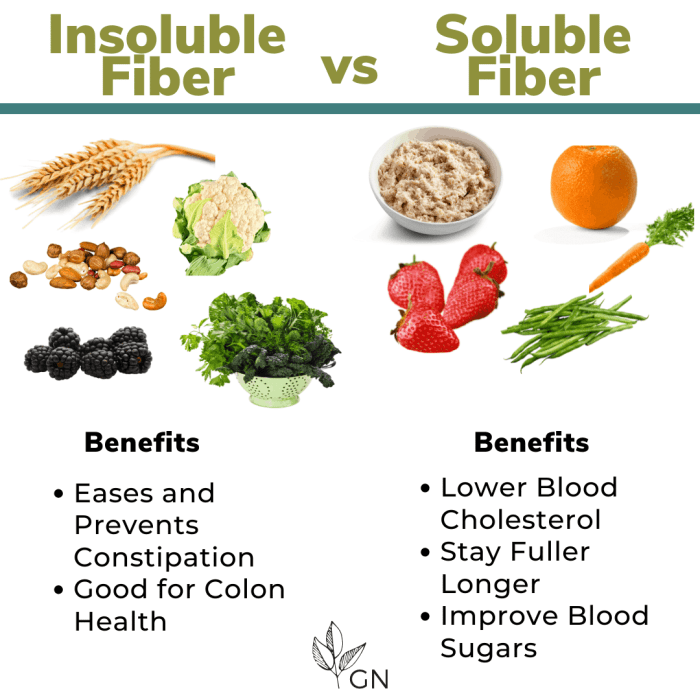
Fiber-rich foods are essential in managing conditions like diabetes and heart disease. Soluble fiber helps regulate blood sugar levels by slowing down the absorption of sugar, preventing spikes. Additionally, fiber aids in lowering cholesterol levels, reducing the risk of heart disease.
- Foods high in soluble fiber such as oats, legumes, and fruits can be beneficial for individuals with diabetes to control blood sugar levels.
- Incorporating sources of insoluble fiber like whole grains and vegetables can help reduce the risk of heart disease by promoting heart health.
Role of Fiber in Supporting Gut Health
Fiber is essential for maintaining gut health, which is crucial for reducing the risk of certain chronic illnesses. By promoting healthy digestion and regular bowel movements, fiber helps prevent conditions like colorectal cancer and diverticulitis.
- A diet rich in fiber can prevent constipation and promote a healthy digestive system, reducing the risk of colorectal cancer.
- Fiber supports the growth of beneficial gut bacteria, which is essential for overall immune function and reducing inflammation in the body.
Fiber-Rich Recipes for Disease Prevention and Management
Incorporating fiber-rich recipes into your diet can help prevent and manage chronic diseases effectively. Here are some examples of delicious and nutritious meals:
- Quinoa and Black Bean Salad: A protein-packed dish high in fiber, perfect for supporting heart health and managing diabetes.
- Veggie Stir-Fry with Brown Rice: Loaded with fiber from vegetables and whole grains, ideal for promoting gut health and preventing chronic illnesses.
Immunity Boosters
Fiber-rich foods play a crucial role in boosting our immune system, providing us with the necessary nutrients to stay healthy and ward off illnesses.
Nutrients in Fiber-Rich Foods for Immunity
- Fiber: Soluble fiber found in foods like oats, barley, and fruits helps in promoting the growth of beneficial gut bacteria, which in turn supports a healthy immune system.
- Vitamins: Fruits and vegetables rich in fiber are also abundant in essential vitamins like Vitamin C, which is known for its immune-boosting properties.
- Antioxidants: Many fiber-rich foods contain antioxidants that help reduce inflammation and strengthen the immune response.
Impact of Fiber on Gut Health and Immunity
Fiber plays a crucial role in maintaining a healthy gut microbiome, which is closely linked to our immune system. A diverse range of fiber sources helps in promoting good bacteria in the gut, leading to improved immunity and overall health.
Incorporating Immune-Boosting Fiber Sources
- Start your day with a fiber-rich breakfast such as oatmeal or whole grain cereal.
- Snack on fruits and vegetables throughout the day to increase your fiber intake.
- Incorporate legumes like lentils and chickpeas into soups, salads, and main dishes for a fiber boost.
- Choose whole grains like brown rice, quinoa, and whole wheat bread for added fiber content in your meals.
Essential Questionnaire
Benefits of fiber-rich foods for healthy eating – How does fiber help in preventing chronic diseases?
Fiber plays a crucial role in preventing chronic diseases by supporting gut health, managing blood sugar levels, and reducing risks of conditions like heart disease and diabetes.
What are some examples of fiber-rich snacks for pre and post-workout fuel?
Some examples include a banana with almond butter, Greek yogurt with berries, or whole grain toast with avocado.
How can fiber contribute to mental well-being?
Fiber-rich foods can positively impact mental well-being by supporting gut health, which is connected to brain function and mood regulation.
What chronic diseases can be prevented by consuming fiber-rich foods?
Consuming fiber-rich foods can help prevent diseases like certain types of cancer, heart disease, and diabetes.
How does fiber contribute to a balanced diet?
Fiber is essential for a balanced diet as it aids in digestion, helps maintain a healthy weight, and supports overall nutritional needs.