How regular exercise boosts immune system function is a fascinating topic that explores the intricate relationship between physical activity and our body’s natural defenses. While it’s common knowledge that exercise is beneficial for our physical health, its impact on our immune system is often overlooked.
This article delves into the science behind this connection, revealing how exercise can significantly enhance our body’s ability to fight off infections and maintain overall well-being.
Regular exercise has been scientifically proven to stimulate the immune system, leading to a stronger defense against infections. This is achieved through various mechanisms, including the increased production of white blood cells, which are the body’s primary defenders against disease.
Moreover, exercise can help reduce stress levels, which can negatively impact the immune system. By incorporating regular physical activity into our lives, we can significantly enhance our body’s natural defenses and promote a healthier, more resilient immune system.
The Science Behind Exercise and Immunity
Regular exercise is not only beneficial for physical health but also plays a crucial role in strengthening the immune system. It enhances the body’s ability to fight off infections and diseases.
How Exercise Impacts the Immune System
Regular physical activity has a profound impact on the immune system, influencing the production, function, and circulation of immune cells. Exercise stimulates the release of various cytokines, small proteins that act as messengers between cells, influencing the immune response. These cytokines, such as interleukin-6 (IL-6) and tumor necrosis factor-alpha (TNF-α), are crucial for immune cell activation and communication.
The Role of White Blood Cells During Exercise
White blood cells, also known as leukocytes, are the primary components of the immune system, responsible for identifying and destroying pathogens. During exercise, the number of circulating white blood cells, particularly neutrophils and natural killer (NK) cells, increases. Neutrophils are essential for engulfing and destroying bacteria, while NK cells are responsible for targeting and eliminating virus-infected cells and cancer cells.
Exercise and Reduced Risk of Infections
Numerous studies have demonstrated a strong link between regular exercise and a reduced risk of infections. Research has shown that individuals who engage in moderate-intensity exercise for at least 150 minutes per week or vigorous-intensity exercise for at least 75 minutes per week have a lower risk of developing upper respiratory tract infections (URTIs) compared to sedentary individuals.
Types of Exercise and Immune Benefits
Regular physical activity plays a crucial role in bolstering the immune system, and different types of exercise offer distinct benefits. Understanding these benefits allows individuals to tailor their workout routines for optimal immune health.
Aerobic Exercise and Immune Benefits
Aerobic exercise, also known as cardio, is a type of physical activity that elevates your heart rate and improves your cardiovascular health. Engaging in regular aerobic exercise can significantly enhance your immune system’s ability to fight off infections.
- Increased White Blood Cell Count:Aerobic exercise promotes the production of white blood cells, the body’s primary defense against pathogens. Studies have shown that moderate-intensity aerobic exercise can increase the number of circulating white blood cells, including neutrophils and lymphocytes, which are crucial for immune responses.
- Improved Immune Cell Function:Aerobic exercise also improves the function of white blood cells, making them more effective at identifying and destroying pathogens. This enhanced immune cell function contributes to a stronger immune response and a reduced risk of infections.
- Reduced Inflammation:Chronic inflammation can suppress the immune system, making it more vulnerable to infections. Aerobic exercise helps to reduce inflammation throughout the body, thereby improving immune function.
Examples of effective aerobic exercises include:
- Running:Running is a great way to elevate your heart rate and improve your cardiovascular fitness. It also helps to boost your immune system.
- Swimming:Swimming is a low-impact aerobic exercise that is gentle on your joints but still provides a good cardiovascular workout.
- Cycling:Cycling is another excellent aerobic exercise that can help to improve your immune system and overall health.
Strength Training and Immune Benefits
Strength training, which involves lifting weights or using resistance bands, builds muscle mass and strength. While not directly impacting immune cells like aerobic exercise, strength training offers indirect benefits for the immune system.
- Reduced Stress:Strength training can help to reduce stress levels, which can have a positive impact on the immune system. Stress hormones can suppress immune function, making it more difficult to fight off infections. Regular strength training can help to reduce stress hormone levels, thereby improving immune function.
- Improved Sleep Quality:Adequate sleep is essential for a healthy immune system. Strength training can improve sleep quality by reducing stress levels and promoting muscle recovery.
- Increased Insulin Sensitivity:Strength training can improve insulin sensitivity, which is the ability of cells to use glucose for energy. Insulin resistance is linked to chronic inflammation, which can suppress the immune system.
Examples of effective strength training exercises include:
- Squats:Squats are a compound exercise that works multiple muscle groups, including the quads, glutes, and hamstrings.
- Push-ups:Push-ups are a great bodyweight exercise that targets the chest, shoulders, and triceps.
- Deadlifts:Deadlifts are another compound exercise that works multiple muscle groups, including the back, legs, and core.
Yoga and Immune Benefits
Yoga is a mind-body practice that combines physical postures, breathing exercises, and meditation. Yoga offers numerous benefits for both physical and mental health, including a positive impact on the immune system.
- Stress Reduction:Yoga is known for its stress-reducing benefits. Stress can suppress immune function, making it more difficult to fight off infections. Yoga’s stress-reducing effects can help to boost the immune system by reducing stress hormone levels.
- Improved Sleep Quality:Yoga can improve sleep quality by reducing stress levels and promoting relaxation. Adequate sleep is essential for a healthy immune system.
- Increased Circulation:Yoga poses can improve circulation by stretching and compressing blood vessels. Improved circulation can help to deliver immune cells to areas of the body where they are needed to fight off infections.
Sample Workout Routine for Optimal Immune Health
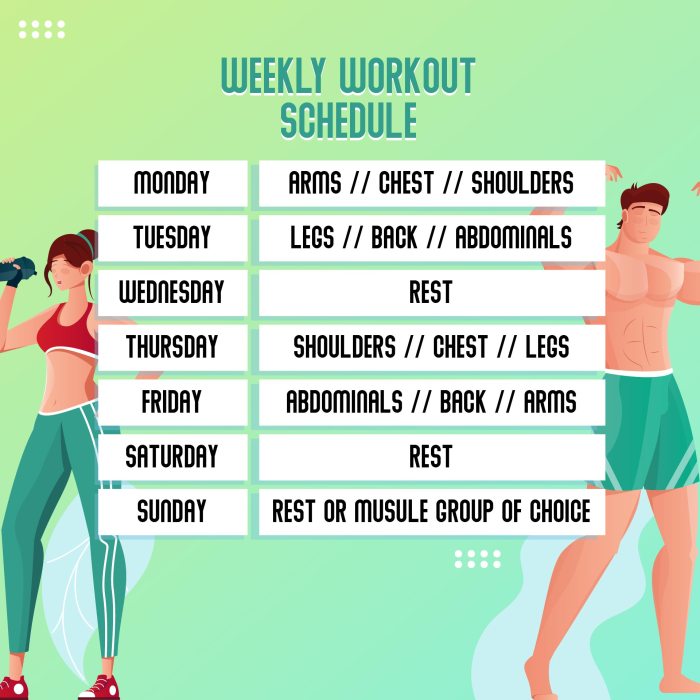
A well-rounded workout routine incorporating different types of exercise can provide optimal immune benefits. Here’s a sample routine:
- Warm-up:Begin with a 5-minute warm-up, such as light cardio or dynamic stretching. This prepares your body for more strenuous activity and helps to prevent injuries.
- Aerobic Exercise:Engage in 30 minutes of moderate-intensity aerobic exercise, such as brisk walking, jogging, cycling, or swimming.
- Strength Training:Perform 2-3 sets of 8-12 repetitions of various strength training exercises, such as squats, push-ups, and deadlifts.
- Yoga:Finish your workout with 15-20 minutes of yoga practice. This can help to improve flexibility, reduce stress, and promote relaxation.
- Cool-down:End your workout with a 5-minute cool-down, such as light stretching or walking. This helps your body to recover from exercise and prevents muscle soreness.
Exercise Intensity and Duration
The intensity and duration of exercise significantly influence its impact on the immune system. Understanding the optimal levels of both factors is crucial for reaping the benefits of exercise while minimizing potential risks.
Exercise Intensity and Immune Function
Exercise intensity, measured as the effort required to perform an activity, plays a crucial role in immune system modulation. Moderate-intensity exercise, characterized by an elevated heart rate and increased breathing, has consistently been linked to enhanced immune function. This type of exercise promotes the production of immune cells, strengthens their activity, and reduces inflammation.
Moderate-intensity exercise, like brisk walking or cycling, is ideal for boosting the immune system.
Conversely, intense exercise, often associated with high-intensity interval training (HIIT) or marathon running, can temporarily suppress immune function. While this suppression is generally short-lived, it can increase the risk of infections in individuals who are already immunocompromised or undergoing strenuous training.
Optimal Duration and Frequency of Exercise
The optimal duration and frequency of exercise for immune benefits vary depending on individual factors such as age, fitness level, and overall health. Generally, aiming for at least 150 minutes of moderate-intensity exercise or 75 minutes of vigorous-intensity exercise per week is recommended for most adults.
This can be achieved through a combination of various activities spread throughout the week.
Regular physical activity, even in short bursts, can significantly improve immune function.
Recommended Exercise Guidelines for Different Age Groups and Fitness Levels
The following table Artikels recommended exercise guidelines for different age groups and fitness levels:| Age Group | Fitness Level | Recommended Exercise ||—|—|—|| 18-64 years | Sedentary | At least 150 minutes of moderate-intensity exercise or 75 minutes of vigorous-intensity exercise per week || 18-64 years | Active | At least 300 minutes of moderate-intensity exercise or 150 minutes of vigorous-intensity exercise per week || 65+ years | Sedentary | At least 150 minutes of moderate-intensity exercise or 75 minutes of vigorous-intensity exercise per week, with focus on balance and flexibility || 65+ years | Active | At least 300 minutes of moderate-intensity exercise or 150 minutes of vigorous-intensity exercise per week, with focus on balance and flexibility |It is essential to consult with a healthcare professional before starting any new exercise program, especially if you have any underlying health conditions.
Exercise and Stress Reduction
Stress is a common experience in modern life, and it can have a significant impact on our immune system. Chronic stress can suppress the immune response, making us more susceptible to illness. Fortunately, exercise can be a powerful tool for managing stress and boosting our immune function.
Stress-Reducing Exercises
Exercise is an effective way to manage stress and improve our immune system. Physical activity releases endorphins, which have mood-boosting effects and can help reduce feelings of anxiety and depression. Exercise can also help to improve sleep quality, which is essential for immune function.
- Meditationis a practice that involves focusing on the present moment and quieting the mind. It can help to reduce stress, anxiety, and improve sleep quality.
- Deep breathing exercisesare simple yet effective techniques that can help to calm the nervous system and reduce stress.
- Yogacombines physical postures with breathing techniques and meditation, offering a holistic approach to stress management.
Holistic Wellness and Exercise
Exercise is not just about building muscles or losing weight; it’s a cornerstone of a healthy and fulfilling life. Regular physical activity plays a crucial role in promoting overall well-being by impacting various aspects of our health, including physical, mental, and emotional aspects.
The Interplay of Exercise, Nutrition, Sleep, and Immunity
A holistic approach to health recognizes the interconnectedness of different lifestyle factors. Exercise, nutrition, sleep, and stress management work synergistically to support a robust immune system. Regular exercise enhances immune function by increasing blood flow and circulation, which helps deliver immune cells throughout the body.
A balanced diet rich in fruits, vegetables, and lean protein provides the necessary nutrients for immune cells to function optimally. Adequate sleep allows the body to repair and regenerate, supporting immune cell production and function. Conversely, chronic stress can suppress the immune system, highlighting the importance of stress management techniques like exercise and mindfulness.
Exercise for Specific Health Conditions
Regular exercise can be a powerful tool for managing and improving various chronic health conditions. It can help individuals with diabetes, heart disease, and other conditions live healthier and more fulfilling lives.
Exercise Programs for Diabetes
Exercise plays a crucial role in managing diabetes by improving insulin sensitivity, reducing blood sugar levels, and promoting weight loss.
- Aerobic exercise, such as brisk walking, swimming, or cycling, is recommended for at least 150 minutes per week at moderate intensity or 75 minutes per week at vigorous intensity.
- Strength training, which involves lifting weights or using resistance bands, is also important for building muscle mass and improving insulin sensitivity. Aim for two to three sessions per week, targeting major muscle groups.
- High-intensity interval training (HIIT), which involves short bursts of intense exercise followed by periods of rest or low-intensity activity, can be effective for improving blood sugar control.
It’s essential to consult with a healthcare professional before starting any exercise program, especially if you have diabetes. They can help create a personalized plan that is safe and effective for your individual needs.
Exercise Programs for Heart Disease, How regular exercise boosts immune system function
Regular exercise can strengthen the heart, lower blood pressure, and improve cholesterol levels, all of which are essential for managing heart disease.
- Low-impact aerobic exercise, such as walking, swimming, or water aerobics, is generally recommended for individuals with heart disease.
- Strength trainingcan also be beneficial, but it’s important to start slowly and gradually increase the intensity and duration of workouts.
- Yoga, which combines physical postures with breathing exercises, can help reduce stress and improve cardiovascular health.
Always consult with a healthcare professional before starting any exercise program if you have heart disease. They can provide guidance on appropriate exercise intensity, duration, and frequency, as well as any necessary precautions.
Risks and Precautions
While exercise offers numerous benefits for individuals with chronic health conditions, it’s important to be aware of potential risks and take necessary precautions.
- Listen to your bodyand stop exercising if you experience any pain, dizziness, or shortness of breath.
- Start slowlyand gradually increase the intensity and duration of your workouts.
- Stay hydratedby drinking plenty of water before, during, and after exercise.
- Avoid exercising in extreme heat or cold.
- Consult with your healthcare providerbefore starting any new exercise program, especially if you have any underlying health conditions.
Building a Sustainable Exercise Routine
Integrating regular exercise into your lifestyle can be a powerful tool for boosting your immune system and overall health. However, the key to reaping these benefits is to establish a sustainable routine that you can stick with.
Finding the Right Exercise for You
The first step in building a sustainable routine is finding activities you genuinely enjoy. There are numerous forms of exercise, from high-intensity interval training (HIIT) to gentle yoga. Experimenting with different activities helps you discover what you find most engaging and motivating.
Consider your current fitness level, personal preferences, and any limitations you may have. For example, if you enjoy dancing, try joining a dance class. If you prefer outdoor activities, explore hiking or biking.
Creating a Realistic Plan
Once you’ve identified activities you enjoy, create a realistic plan that fits your lifestyle. Start small and gradually increase the frequency, duration, and intensity of your workouts. Aim for at least 150 minutes of moderate-intensity aerobic activity or 75 minutes of vigorous-intensity aerobic activity per week, as recommended by the American Heart Association.
Overcoming Barriers to Exercise
Common barriers to exercise include lack of time, motivation, and access to facilities.
- Time constraints:Schedule exercise into your day like any other important appointment. Even short bursts of activity can make a difference. Try incorporating 10-minute workouts throughout your day.
- Lack of motivation:Find an exercise buddy, join a fitness class, or set achievable goals to stay motivated. Celebrate your achievements to reinforce positive habits.
- Access to facilities:Explore free or low-cost options such as walking, running, or bodyweight exercises at home. Many parks and community centers offer affordable fitness classes.
Incorporating Exercise into Daily Life
Make exercise a part of your daily routine.
- Take the stairs:Opt for stairs instead of elevators whenever possible.
- Walk or bike:Choose walking or biking for short errands instead of driving.
- Stand up more:Take breaks to stand up and stretch throughout your workday.
- Engage in active hobbies:Find hobbies that involve physical activity, such as gardening, dancing, or playing sports.
Understanding Immune Boosters
While regular exercise plays a significant role in boosting your immune system, optimizing your diet is equally crucial. A balanced and nutrient-rich diet provides your body with the essential building blocks to fight off infections and maintain a strong immune response.
Nutritional Components for Immune Health
The immune system relies on a variety of nutrients to function optimally. Some key nutrients that play a vital role in supporting immune function include:
- Vitamin C: This powerful antioxidant is crucial for the production of white blood cells, which are the body’s primary defense against infections. Vitamin C also helps to protect cells from damage caused by free radicals.
- Zinc: Zinc is essential for the development and function of immune cells, including T cells and natural killer cells. It also plays a role in wound healing and reducing inflammation.
- Selenium: Selenium is a trace mineral that acts as an antioxidant and supports the function of the immune system. It is essential for the production of certain enzymes that are involved in immune responses.
Foods Rich in Immune-Boosting Nutrients
Incorporating a variety of foods rich in these essential nutrients can significantly enhance your immune system’s strength:
- Vitamin C: Citrus fruits (oranges, grapefruits, lemons), berries (strawberries, blueberries), kiwi, bell peppers, broccoli, Brussels sprouts, and spinach.
- Zinc: Oysters, red meat, poultry, beans, nuts (cashews, almonds), and fortified cereals.
- Selenium: Brazil nuts, tuna, salmon, eggs, and whole grains.
Physical Fitness, Healthy Eating, and Preventive Care
A holistic approach to health emphasizes the interconnectedness of physical fitness, healthy eating, and preventive care. These three pillars work in synergy to strengthen your immune system, reduce the risk of chronic diseases, and improve overall well-being.
The Importance of a Balanced Diet and Regular Exercise
A balanced diet provides the essential nutrients your body needs to function optimally, while regular exercise strengthens your immune system and improves your overall health.
- A balanced dietshould include a variety of fruits, vegetables, whole grains, lean protein, and healthy fats. This ensures you get the necessary vitamins, minerals, and antioxidants to support your immune system.
- Regular exercisestimulates the production of white blood cells, which are crucial for fighting infections. It also reduces stress, which can weaken your immune system.
Strategies for Incorporating Preventive Care Measures
Preventive care measures are proactive steps you can take to maintain your health and prevent disease.
- Regular medical checkupsallow healthcare professionals to identify potential health issues early, when they are often easier to treat.
- Vaccinationsprotect you from serious diseases by stimulating your immune system to produce antibodies against specific pathogens.
- Early detection screeningsfor diseases like cancer and heart disease can help catch these conditions at an early stage, when treatment is often more effective.
- Lifestyle modifications, such as quitting smoking, limiting alcohol consumption, and managing stress, can significantly reduce your risk of developing chronic diseases.
Ending Remarks
In conclusion, incorporating regular exercise into your lifestyle is a powerful way to boost your immune system and enhance overall health. By understanding the science behind this connection and adopting a balanced approach to physical activity, you can unlock the full potential of your body’s natural defenses.
Remember, exercise is not just about physical fitness; it’s about building a stronger, more resilient you.
FAQ Summary: How Regular Exercise Boosts Immune System Function
How much exercise is enough to boost my immune system?
Aim for at least 150 minutes of moderate-intensity aerobic activity or 75 minutes of vigorous-intensity aerobic activity per week. You can also include strength training exercises twice a week.
Can exercise actually weaken my immune system?
While moderate exercise is beneficial, excessive exercise can temporarily suppress the immune system. This is known as “exercise-induced immunosuppression.” It’s important to listen to your body and avoid overtraining.
What are some examples of moderate-intensity exercise?
Examples include brisk walking, jogging, swimming, cycling, and dancing.
What are some examples of vigorous-intensity exercise?
Examples include running, swimming laps, jumping rope, and playing sports.