Impact of chronic diseases on quality of life: Understanding the Effects and Strategies

Impact of chronic diseases on quality of life

Impact of Chronic Diseases on Quality of Life

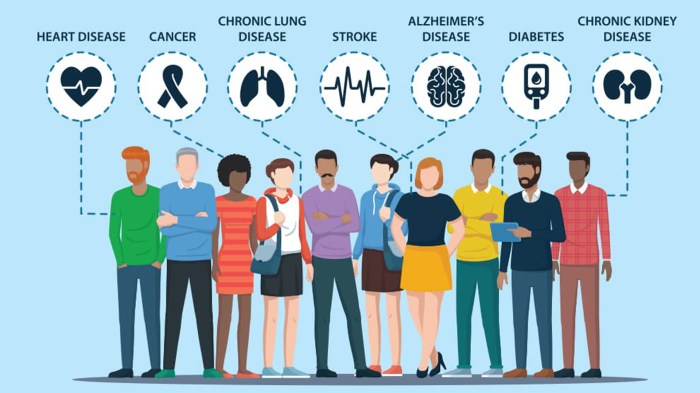
Chronic diseases can have a profound impact on an individual’s overall quality of life, affecting not only their physical health but also their emotional well-being and social interactions. These conditions often require long-term management and can lead to various complications, significantly impacting the daily life of those affected.

Common Chronic Diseases

  • Diabetes: Individuals with diabetes need to constantly monitor their blood sugar levels, adhere to strict dietary restrictions, and may face complications such as nerve damage or vision problems.
  • Hypertension: High blood pressure can increase the risk of heart disease, stroke, and kidney damage, requiring individuals to take medications and make lifestyle changes.
  • Arthritis: Chronic pain and stiffness in the joints can limit mobility and impact daily activities, affecting the individual’s quality of life.

Physical, Emotional, and Social Implications

Living with a chronic disease can take a toll on a person’s physical health, leading to symptoms that may impact their ability to perform daily tasks and participate in activities they enjoy. The emotional burden of managing a chronic condition, dealing with pain, and facing uncertainties about the future can also contribute to feelings of anxiety, depression, and stress. Socially, individuals with chronic diseases may face stigma, isolation, and difficulties in maintaining relationships due to the limitations imposed by their condition.

Comparison with Individuals without Chronic Diseases

The quality of life of individuals with chronic diseases is often lower compared to those without such conditions. They may experience a reduced ability to engage in physical activities, increased healthcare costs, and a higher risk of comorbidities. The constant need for medical attention and lifestyle modifications can also impact their overall well-being and independence, affecting their quality of life in various aspects.

Mental Wellness

Maintaining mental wellness is crucial for individuals managing chronic diseases as it directly impacts their overall quality of life. The emotional and psychological aspects of dealing with a chronic illness can significantly affect a person’s well-being and ability to cope with their condition.

Importance of Mental Wellness

  • Emotional Support: Managing a chronic illness can be overwhelming, leading to feelings of stress, anxiety, and depression. Prioritizing mental wellness can provide emotional support and coping strategies to navigate the challenges.
  • Resilience: Building mental resilience can help individuals better cope with the uncertainties and setbacks associated with chronic diseases, enabling them to maintain a positive outlook and sense of control.
  • Quality of Life: Mental wellness plays a key role in enhancing overall quality of life by promoting emotional stability, motivation, and a sense of well-being despite the limitations imposed by the illness.

Challenges and Strategies

  • Challenges: Living with a chronic illness can lead to feelings of isolation, frustration, and a sense of loss due to changes in lifestyle and limitations in daily activities.
  • Strategies for Maintaining Mental Wellness:
    • Seeking Support: Connecting with support groups, mental health professionals, or loved ones can provide a valuable outlet for expressing emotions and receiving guidance.
    • Self-Care: Engaging in activities that promote relaxation, such as meditation, exercise, or hobbies, can help reduce stress and improve mental well-being.
    • Positive Thinking: Cultivating a positive mindset and focusing on gratitude and resilience can enhance mental wellness and coping mechanisms.

Impact on Quality of Life, Impact of chronic diseases on quality of life

  • Interconnectedness: Mental wellness and quality of life are closely intertwined, with improvements in mental health leading to enhanced overall well-being and vice versa.
  • Self-Management: Individuals with chronic diseases who prioritize mental wellness are better equipped to manage their condition effectively, leading to improved adherence to treatment and better health outcomes.
  • Social Relationships: Maintaining mental wellness can also positively impact relationships with family, friends, and healthcare providers, fostering a supportive environment for holistic care and emotional well-being.

Physical Fitness

Impact of chronic diseases on quality of life
Regular exercise and physical fitness play a crucial role in managing chronic diseases and improving the overall quality of life for individuals suffering from these conditions. Exercise has been proven to have numerous benefits for both physical and mental health, making it an essential component of disease management.

Benefits of Regular Exercise for Chronic Conditions

  • Improved cardiovascular health: Regular exercise can help strengthen the heart, improve circulation, and lower blood pressure, reducing the risk of heart-related complications for individuals with chronic conditions such as heart disease or diabetes.
  • Enhanced flexibility and mobility: Engaging in exercises that focus on flexibility and mobility can help individuals with conditions like arthritis or osteoporosis maintain joint function and reduce pain.
  • Weight management: Exercise can aid in weight loss or maintenance, which is important for managing chronic conditions like obesity, which can exacerbate other health issues.
  • Mood regulation: Physical activity releases endorphins, which can help reduce stress, anxiety, and depression commonly experienced by individuals with chronic diseases.

Suitable Exercises for Different Chronic Diseases

  • Cardiovascular exercises (e.g., walking, cycling, swimming) are beneficial for individuals with heart disease or diabetes.
  • Strength training exercises (e.g., weightlifting, resistance bands) can help improve muscle strength and bone density for individuals with osteoporosis or arthritis.
  • Low-impact exercises (e.g., yoga, Pilates, tai chi) are gentle on the joints and suitable for individuals with conditions like fibromyalgia or chronic pain.
  • Aerobic exercises (e.g., dancing, aerobics classes) can improve lung function and overall fitness for individuals with respiratory conditions like asthma or COPD.

Improving Overall Well-being with Physical Fitness

Regular physical activity not only helps manage chronic diseases but also improves overall well-being and quality of life. It can boost energy levels, enhance sleep quality, and increase self-confidence and independence. By incorporating exercise into their routine, individuals with chronic conditions can experience a range of physical, mental, and emotional benefits that contribute to a better quality of life.

Healthy Eating

Eating a balanced diet is crucial in managing chronic diseases as it provides the necessary nutrients for the body to function optimally and helps in controlling symptoms and complications associated with these conditions.

Importance of a Balanced Diet in Managing Chronic Diseases

A balanced diet rich in fruits, vegetables, whole grains, lean proteins, and healthy fats is essential for individuals with chronic illnesses. These nutrients help in reducing inflammation, maintaining a healthy weight, managing blood sugar levels, and supporting overall health.

Guidelines for Healthy Eating Habits

– Include a variety of colorful fruits and vegetables in your meals to ensure a good intake of vitamins and minerals.
– Choose whole grains over refined grains for fiber content and sustained energy levels.
– Opt for lean proteins such as poultry, fish, beans, and nuts to support muscle health and repair.
– Limit the intake of processed foods, sugary beverages, and high-fat products to reduce the risk of exacerbating chronic conditions.

Impact of Nutrition on the Progression and Management of Chronic Conditions

Nutrition plays a significant role in the progression and management of chronic diseases. Poor dietary choices can worsen symptoms, increase inflammation, and lead to complications. On the other hand, a healthy diet can improve overall health, enhance immune function, and reduce the risk of developing secondary conditions.

Relationship Between Healthy Eating and Quality of Life

The relationship between healthy eating and quality of life for individuals with chronic diseases is profound. A well-balanced diet can improve energy levels, mood, and cognitive function, leading to a better quality of life. Furthermore, proper nutrition can help in managing symptoms effectively, reducing the need for medications, and promoting overall well-being.

Preventive Care

Preventive care plays a crucial role in reducing the impact of chronic diseases on quality of life by focusing on early detection and management of potential health issues.

Significance of Preventive Care

  • Regular check-ups and screenings can help in the early identification of chronic conditions, allowing for timely intervention and treatment.
  • Preventive measures such as vaccinations, healthy lifestyle choices, and disease screenings can significantly reduce the risk of developing chronic illnesses.
  • By prioritizing preventive care, individuals can maintain better overall health, leading to improved quality of life and well-being.

Role of Regular Check-ups and Screenings

  • Regular check-ups with healthcare providers enable monitoring of vital health indicators and early detection of any abnormalities.
  • Screenings for conditions like hypertension, diabetes, and cancer can help in identifying risks at an early stage, allowing for prompt treatment and management.
  • Early intervention through regular screenings can prevent the progression of chronic diseases and improve outcomes for patients.

Examples of Preventive Measures

  • Engaging in regular physical activity and maintaining a balanced diet can help prevent obesity, a risk factor for many chronic conditions.
  • Quitting smoking and limiting alcohol consumption can reduce the risk of developing heart disease, respiratory disorders, and certain types of cancer.
  • Getting vaccinated against infectious diseases like influenza and pneumonia can lower the chances of contracting severe illnesses that may lead to long-term health issues.

Comparison of Quality of Life Outcomes

  • Individuals who prioritize preventive care often experience fewer complications from chronic diseases, leading to a higher quality of life and increased longevity.
  • In contrast, those who neglect preventive measures may face more advanced stages of illness, reduced functional abilities, and a lower overall quality of life.
  • The proactive approach to health maintenance through preventive care can result in better health outcomes and a more fulfilling lifestyle in the long run.

Holistic Wellness
Impact of chronic diseases on quality of life
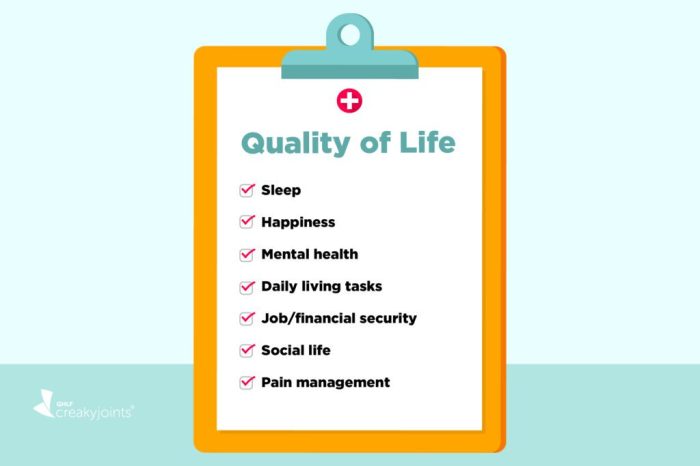
Holistic wellness encompasses the idea of treating the whole person, addressing physical, mental, and emotional well-being to achieve overall health. This approach is particularly relevant for individuals with chronic diseases as it acknowledges the interconnected nature of various aspects of health.

Benefits of Holistic Wellness for Individuals with Chronic Diseases

  • Improved Quality of Life: By addressing physical, mental, and emotional health together, individuals with chronic diseases can experience an overall improvement in their quality of life.
  • Enhanced Symptom Management: Holistic approaches often involve various techniques such as mindfulness, yoga, and nutrition counseling, which can help in managing symptoms of chronic conditions effectively.
  • Promotion of Self-Care: Encouraging individuals to take care of their physical, mental, and emotional well-being empowers them to actively participate in their treatment and recovery process.
  • Reduced Stress and Anxiety: Holistic practices like meditation and relaxation techniques can help in reducing stress and anxiety levels commonly associated with chronic diseases.

Immunity Boosters

Boosting immunity is crucial for individuals with chronic diseases as it helps in fighting off infections and maintaining overall health. A strong immune system can positively impact the management of chronic conditions by reducing the frequency and severity of flare-ups or complications.

Immunity-Boosting Foods, Supplements, and Lifestyle Practices

There are several ways to boost immunity naturally through diet, supplements, and lifestyle practices:

  • Eating a diet rich in fruits, vegetables, whole grains, and lean proteins can provide essential vitamins and minerals that support immune function.
  • Consuming foods high in antioxidants such as berries, nuts, and green leafy vegetables can help reduce inflammation and boost immunity.
  • Getting regular exercise, managing stress levels, and getting adequate sleep are important lifestyle factors that can strengthen the immune system.
  • Supplements like vitamin C, vitamin D, zinc, and probiotics can also help support immune health.

Relationship Between Immunity Levels and Quality of Life Outcomes

Maintaining optimal immunity levels is directly linked to better quality of life outcomes for individuals with chronic illnesses. A strong immune system can help prevent infections and complications, leading to fewer hospitalizations and improved overall well-being. By incorporating immunity-boosting foods, supplements, and lifestyle practices, individuals can better manage their chronic conditions and improve their quality of life.

FAQ Overview: Impact Of Chronic Diseases On Quality Of Life

How do chronic diseases affect quality of life?

Chronic diseases can significantly impact quality of life by affecting various aspects such as physical health, emotional well-being, and social interactions.

What are some common chronic diseases that have a major impact on quality of life?

Examples of common chronic diseases include diabetes, heart disease, arthritis, and asthma, among others.

How can mental wellness help in managing chronic diseases?

Maintaining mental wellness is crucial for individuals with chronic diseases as it can help in coping with the challenges and improving overall quality of life.

What role does physical fitness play in enhancing quality of life for individuals with chronic conditions?

Physical fitness is essential in managing chronic diseases as it can improve overall well-being, strengthen the body, and boost mental health.

Why is preventive care important in reducing the impact of chronic diseases on quality of life?

Preventive care helps in early detection and management of chronic conditions, leading to better quality of life outcomes for individuals.


How to achieve holistic wellness through mindfulness

How to achieve holistic wellness through mindfulness

Mental Wellness

How to achieve holistic wellness through mindfulness – Ensuring mental wellness is a crucial component of achieving holistic well-being. Our mental state affects how we perceive and interact with the world around us, impacting our overall health and quality of life.

The Role of Mindfulness in Improving Mental Wellness

Mindfulness practices play a significant role in enhancing mental wellness by promoting self-awareness, emotional regulation, and stress reduction. By cultivating mindfulness, individuals can develop a greater sense of clarity and focus, leading to improved mental health.

  • Practicing Meditation: Engaging in regular meditation sessions can help calm the mind, reduce anxiety, and increase mental resilience. By focusing on the present moment, individuals can let go of negative thoughts and promote a sense of peace.
  • Deep Breathing Exercises: Deep breathing techniques can help alleviate stress and anxiety by activating the body’s relaxation response. Taking deep, mindful breaths can center the mind and bring about a sense of calmness.
  • Body Scan Meditation: This mindfulness practice involves systematically scanning the body for sensations, helping individuals connect with their physical and emotional state. By tuning into bodily sensations, individuals can cultivate a greater awareness of their mental well-being.

Physical Fitness

Regular physical activity is a crucial component of achieving holistic wellness. Physical fitness not only improves our physical health but also has a significant impact on our mental and emotional well-being.

Relationship Between Physical Fitness and Holistic Wellness

Physical fitness is closely linked to holistic wellness as it contributes to overall health and vitality. Engaging in regular exercise can help reduce stress, anxiety, and depression while boosting self-esteem and mood. It also improves sleep quality, increases energy levels, and promotes a sense of well-being.

Tips for Incorporating Mindfulness into Physical Fitness Routines

– Start by focusing on your breath during your workout sessions. Pay attention to the sensation of air entering and leaving your body.
– Practice body scan exercises to bring awareness to different muscle groups and sensations while exercising.
– Stay present in the moment by focusing on the movement of your body and the physical sensations you experience during physical activity.

Benefits of Combining Mindfulness with Physical Exercise

  • Mindful exercise can increase the effectiveness of your workouts by enhancing your mind-body connection.
  • It helps reduce the risk of injury by promoting proper form and alignment during exercise.
  • Combining mindfulness with physical activity can improve concentration, focus, and overall performance.
  • It allows you to fully experience and enjoy the benefits of exercise, leading to a greater sense of satisfaction and fulfillment.

Healthy Eating: How To Achieve Holistic Wellness Through Mindfulness

Eating a balanced and nutritious diet plays a crucial role in achieving holistic wellness. A healthy diet not only fuels our bodies but also supports our mental well-being, boosts our immune system, and enhances our overall quality of life.

Mindful Eating Strategies

Practicing mindfulness while eating can help us develop a healthier relationship with food and make better choices. Here are some strategies for mindful eating:

  • Avoid distractions while eating, such as watching TV or using your phone.
  • Take time to appreciate the flavors, textures, and aromas of your food.
  • Eat slowly and chew your food thoroughly to aid digestion.
  • Listen to your body’s hunger and fullness cues to prevent overeating.

Nutrient-Rich Foods for Holistic Well-Being

Including nutrient-rich foods in your diet can help support your holistic well-being. Some examples of foods that promote overall health and wellness include:

  • Leafy green vegetables like spinach, kale, and Swiss chard, which are rich in vitamins, minerals, and antioxidants.
  • Fatty fish such as salmon, mackerel, and sardines, which are high in omega-3 fatty acids that support brain health.
  • Whole grains like quinoa, brown rice, and oats, which provide fiber and essential nutrients for energy.
  • Lean proteins like chicken, turkey, tofu, and legumes, which help build and repair tissues in the body.

Preventive Care

Preventive care plays a crucial role in maintaining holistic wellness by focusing on avoiding health issues before they arise. By taking proactive measures, individuals can prevent illnesses and injuries, leading to overall well-being.

Mindfulness and Preventive Health

Mindfulness complements preventive health measures by increasing awareness of one’s body and mind. It helps individuals tune into their physical and emotional states, making it easier to detect early signs of potential health issues.

  • Practicing mindful eating: Being present during meals, focusing on the taste and texture of food, and listening to hunger cues can prevent overeating and promote healthy eating habits.
  • Mindful exercise routines: Paying attention to the body’s signals during workouts can help prevent injuries and ensure proper form, leading to better physical fitness and overall well-being.
  • Mindful stress management: Techniques like deep breathing, meditation, and yoga can reduce stress levels, which, in turn, lowers the risk of developing stress-related health conditions.

Balanced Diet

Achieving a balanced diet is crucial for overall holistic wellness as it provides the necessary nutrients for the body to function optimally. A balanced diet includes a mix of different food groups such as fruits, vegetables, whole grains, lean proteins, and healthy fats.

Mindfulness and Balanced Diet

Practicing mindfulness can help individuals achieve a balanced diet by promoting awareness of food choices and eating habits. Mindful eating involves paying attention to the sensory experience of eating, such as the taste, texture, and smell of food. By being present in the moment while eating, individuals can better tune into their body’s hunger and fullness cues, leading to more balanced food choices.

  • Avoid distractions while eating, such as watching TV or scrolling through your phone, to focus on the act of eating.
  • Listen to your body’s hunger and fullness signals to prevent overeating or undereating.
  • Choose a variety of colorful fruits and vegetables to ensure you are getting a wide range of nutrients.
  • Practice portion control by serving yourself appropriate serving sizes and avoiding mindless snacking.
  • Stay hydrated by drinking plenty of water throughout the day, as dehydration can sometimes be mistaken for hunger.

Regular Exercise

Regular exercise plays a crucial role in achieving holistic wellness by improving physical fitness, mental well-being, and overall health. It helps in maintaining a healthy weight, reducing the risk of chronic diseases, and boosting mood and energy levels.

Mindfulness in Exercise

Incorporating mindfulness into your workout routine can enhance the benefits of regular exercise by helping you focus on the present moment, connect with your body, and improve overall performance. Mindful exercise can also reduce stress, anxiety, and negative thoughts.

  • Practice deep breathing: Focus on your breath while exercising to stay present and calm.
  • Listen to your body: Pay attention to how your body feels during exercise and adjust accordingly to prevent injuries.
  • Engage all your senses: Notice the sights, sounds, and sensations around you while working out to stay present and engaged.
  • Set intentions: Before starting your workout, set an intention or goal to stay focused and motivated throughout.

Mental Health

Mindfulness plays a crucial role in promoting mental health and overall well-being. By incorporating mindfulness practices into our daily routine, we can cultivate a greater sense of awareness, reduce stress, and improve our emotional regulation.

Benefits of Mindfulness for Mental Health

  • Enhances emotional intelligence and self-awareness
  • Reduces symptoms of anxiety and depression
  • Improves focus and concentration
  • Promotes better sleep quality

Mindfulness Exercises for Positive Mental Health

  • Body Scan Meditation: Focus on each part of your body, releasing tension and promoting relaxation.
  • Deep Breathing Exercises: Inhale deeply through your nose, hold for a few seconds, and exhale slowly through your mouth to calm the mind.
  • Gratitude Journaling: Write down things you are grateful for each day to shift your focus to the positive aspects of life.
  • Walking Meditation: Pay attention to each step you take, feeling the connection between your body and the ground.

Holistic Wellness

Holistic wellness is the approach to health that considers the whole person, including their mental, physical, emotional, and spiritual well-being. It emphasizes the interconnectedness of these aspects and aims to achieve balance and harmony in all areas of life.

Components of Holistic Wellness

  • Mental Wellness: focusing on mental health, emotional balance, and stress management.
  • Physical Fitness: incorporating regular exercise, movement, and physical activities.
  • Healthy Eating: nourishing the body with whole, nutritious foods.
  • Preventive Care: taking proactive measures to prevent illnesses and promote well-being.
  • Balanced Diet: ensuring a diverse and balanced diet to meet nutritional needs.
  • Regular Exercise: engaging in physical activities to maintain fitness and overall health.
  • Mental Health: prioritizing mental well-being through mindfulness, self-care, and therapy.

How Mindfulness Contributes to Holistic Wellness

Mindfulness plays a crucial role in achieving holistic wellness by promoting present-moment awareness, reducing stress, enhancing self-awareness, and fostering a sense of inner peace. By practicing mindfulness, individuals can improve their mental, emotional, and physical well-being, leading to a more balanced and harmonious life.

Examples of Holistic Wellness Practices Integrating Mindfulness

  • Yoga: combines physical postures, breathwork, and meditation to promote mindfulness and holistic well-being.
  • Mindful Eating: focusing on the sensations and experience of eating to cultivate a healthy relationship with food.
  • Meditation: practicing mindfulness meditation to quiet the mind, reduce stress, and enhance mental clarity.
  • Nature Walks: connecting with nature mindfully to reduce stress, boost mood, and improve overall well-being.
  • Journaling: using writing as a tool for self-reflection, emotional processing, and mindfulness practice.

Chronic Diseases

How to achieve holistic wellness through mindfulness
Mindfulness plays a crucial role in preventing and managing chronic diseases by promoting overall well-being and reducing stress levels. The impact of mindfulness extends to improving the quality of life for individuals dealing with chronic illnesses.

Benefits of Mindfulness for Chronic Diseases

  • Reduces stress and anxiety levels, which are often heightened in individuals with chronic diseases.
  • Improves sleep quality, which is essential for managing symptoms and promoting healing.
  • Enhances emotional resilience, helping individuals cope better with the challenges of their condition.
  • Boosts immune function, supporting the body’s ability to fight off infections and other complications.

Immunity Boosters

Maintaining a strong immune system is crucial for overall health and well-being. Immunity boosters play a significant role in protecting the body from various illnesses and diseases. Mindfulness practices can also contribute to strengthening the immune system by reducing stress and promoting a sense of calmness and balance.

Immunity-Boosting Foods

  • Eating a diet rich in fruits and vegetables can provide essential vitamins and minerals that support immune function. Foods like citrus fruits, red bell peppers, spinach, and broccoli are excellent sources of vitamin C, known for its immune-boosting properties.
  • Probiotics found in yogurt, kefir, and fermented foods can help maintain a healthy gut, which is essential for a strong immune system. A healthy gut microbiome plays a crucial role in immune function.
  • Garlic, ginger, turmeric, and other spices have antimicrobial and anti-inflammatory properties that can help ward off infections and support immune health.

Mindful Activities for Immune Health, How to achieve holistic wellness through mindfulness

  • Practicing meditation and deep breathing exercises can reduce stress levels, which in turn can strengthen the immune system. Mindfulness techniques help regulate the body’s stress response and promote overall well-being.
  • Engaging in physical activity such as yoga or tai chi not only improves physical fitness but also enhances immune function. These mindful movement practices combine exercise with relaxation techniques, benefiting both the body and mind.
  • Spending time in nature and practicing gratitude can boost mood and lower stress, leading to a healthier immune system. Connecting with the environment and expressing gratitude have been linked to improved overall health.

Helpful Answers

How can mindfulness improve mental wellness?

Mindfulness practices such as meditation and deep breathing can help reduce stress, anxiety, and improve overall mental well-being.

What are some examples of nutrient-rich foods for holistic well-being?

Foods like leafy greens, berries, nuts, and seeds are excellent choices to support holistic wellness due to their high nutritional content.

How does mindfulness complement preventive care?

Mindfulness can enhance preventive care by promoting self-awareness, early detection of health issues, and proactive steps towards maintaining well-being.

Can mindfulness exercises promote positive mental health?

Yes, mindfulness exercises that focus on self-compassion, gratitude, and acceptance can significantly improve mental health and emotional well-being.

What are some immunity-boosting foods that incorporate mindfulness?

Foods like citrus fruits, garlic, ginger, and green tea can boost immunity when consumed mindfully, savoring each bite and appreciating their benefits.

How to balance protein intake in your diet: A comprehensive guide to optimizing your protein consumption

How to balance protein intake in your diet

Introduction to Balancing Protein Intake: How To Balance Protein Intake In Your Diet

How to balance protein intake in your diet – Protein is an essential macronutrient that plays a crucial role in the body’s overall function and health. It is composed of amino acids, which are the building blocks of muscles, tissues, enzymes, and hormones. Balancing protein intake in your diet is essential to ensure you meet your body’s daily requirements for optimal performance and well-being.

The Importance of Balancing Protein Intake

Protein is necessary for the growth and repair of tissues, maintenance of muscle mass, and the production of enzymes and hormones. Without adequate protein intake, the body may experience negative consequences, such as muscle loss, weakened immune function, and slower wound healing.

  • Protein aids in muscle growth and repair: Adequate protein intake is essential for building and repairing muscle tissues, especially after exercise or injury.
  • Protein supports immune function: Amino acids from protein play a vital role in the immune system’s function, helping to fight off infections and illnesses.
  • Protein promotes satiety: Protein-rich foods can help you feel full and satisfied, reducing the likelihood of overeating and supporting weight management.

Effects of Imbalanced Protein Intake

Consuming too little or too much protein can have negative effects on your health and well-being. An imbalance in protein intake can lead to various issues, such as:

  • Muscle loss: Inadequate protein intake can result in muscle breakdown and loss of lean muscle mass.
  • Impaired immune function: Not getting enough protein can weaken your immune system, making you more susceptible to infections.
  • Weight gain: Excessive protein intake, especially from high-calorie sources, can contribute to weight gain and increase the risk of chronic diseases.

Determining Your Protein Needs

Determining your protein needs is crucial for maintaining optimal health and function. Several factors influence the amount of protein you should consume, including age, gender, activity level, and overall health. It is essential to calculate the ideal amount of protein intake based on individual needs to ensure proper nutrition and support bodily functions. Consuming too little or too much protein can have adverse effects on your health, making it important to strike a balance.

Factors Influencing Protein Requirements

  • Age: Protein needs may vary depending on age, with children, adolescents, adults, and older adults requiring different amounts.
  • Gender: Men generally require more protein than women due to differences in muscle mass and hormonal makeup.
  • Activity Level: Those who are more physically active or engage in intense workouts may need higher protein intake to support muscle repair and growth.
  • Overall Health: Certain health conditions or illnesses may increase protein requirements to aid in recovery and healing.

Calculating Ideal Protein Intake

One common guideline is to consume around 0.8 grams of protein per kilogram of body weight per day for the average adult. However, individual needs may vary.

  • Calculate your protein needs based on your weight, activity level, and health goals.
  • Consult with a healthcare provider or nutritionist for personalized recommendations.
  • Keep track of your protein intake from various food sources to ensure you are meeting your daily requirements.

Risks of Consuming Too Little or Too Much Protein

  • Too Little Protein:
    • May lead to muscle loss, weakened immune function, and poor wound healing.
    • Can result in fatigue, weakness, and nutrient deficiencies.
  • Too Much Protein:
    • May strain the kidneys and liver over time.
    • Could contribute to weight gain if calorie intake exceeds energy needs.

Sources of Protein

Protein is an essential macronutrient that can be obtained from a variety of sources, both animal-based and plant-based. It is important to incorporate a mix of protein sources in your diet to ensure you are getting an adequate amount of this nutrient.

Animal-Based Protein Sources

  • Meat: Examples include beef, pork, lamb, and venison.
  • Poultry: Chicken, turkey, duck, and other fowl are good sources of protein.
  • Fish: Salmon, tuna, sardines, and other seafood are rich in protein and healthy fats.
  • Dairy: Milk, yogurt, cheese, and eggs are also sources of protein.

Plant-Based Protein Sources

  • Legumes: Beans, lentils, chickpeas, and peas are excellent plant-based sources of protein.
  • Nuts and Seeds: Almonds, walnuts, chia seeds, and flaxseeds are protein-rich options.
  • Tofu: Made from soybeans, tofu is a versatile plant-based protein source.

It is important to note that while animal-based proteins are considered complete proteins, plant-based proteins may lack certain essential amino acids. By combining different plant-based protein sources, you can create a balanced amino acid profile similar to that of animal-based proteins.

Incorporating Protein into Meals

To ensure you meet your protein requirements throughout the day, it’s essential to incorporate protein into your meals in a balanced way. This not only helps in muscle recovery but also provides a well-rounded diet rich in essential nutrients.

Meal Ideas Rich in Protein

  • Grilled chicken salad with quinoa and mixed veggies
  • Salmon with roasted sweet potatoes and asparagus
  • Greek yogurt parfait with nuts and fruits

Planning Protein-Rich Meals

  • Include a protein source in every meal and snack to distribute intake evenly throughout the day.
  • Opt for lean proteins like poultry, fish, tofu, or legumes to keep meals healthy and balanced.
  • Pair proteins with complex carbohydrates and healthy fats for a well-rounded meal that satisfies hunger and provides sustained energy.

Timing Protein Intake Around Workouts, How to balance protein intake in your diet

To maximize muscle recovery and growth, it’s crucial to consume protein around your workout sessions. Aim to have a protein-rich snack or meal within 30 minutes to an hour post-exercise to replenish glycogen stores and support muscle repair. Additionally, including protein in pre-workout meals can help fuel your workout and enhance performance.

Monitoring Protein Intake

Properly tracking protein consumption is essential to ensure that you are meeting your daily requirements. By monitoring your protein intake, you can make necessary adjustments to your diet to achieve your health and fitness goals.

Utilizing Food Labels and Nutritional Information

One effective way to monitor your protein intake is by carefully reading food labels and nutritional information. These labels provide valuable details about the protein content in different food items, allowing you to keep track of how much protein you are consuming throughout the day.

Pay attention to the serving size listed on the label, as the protein content is often presented per serving. This information can help you calculate the total protein intake accurately.

Adjusting Protein Intake Based on Goals

It is important to adjust your protein intake based on your individual goals and lifestyle changes. For example, if you are increasing your physical activity levels or aiming to build muscle mass, you may need to consume more protein to support these objectives.

Consulting with a nutritionist or dietitian can provide personalized recommendations on how to adjust your protein intake according to your specific needs and goals.

Related Topics for Discussion

How to balance protein intake in your diet
Protein intake goes beyond just physical health; it also plays a crucial role in mental wellness, physical fitness, healthy eating, preventive care, and overall balanced diet. Let’s explore some related topics in detail.

Mental Wellness

Protein intake is not only essential for physical health but also influences mental well-being. Amino acids from protein-rich foods are the building blocks for neurotransmitters that regulate mood and cognitive function.

Physical Fitness

Protein is vital for muscle repair and growth, making it essential for physical performance and fitness. Consuming an adequate amount of protein can help enhance muscle strength and endurance.

Healthy Eating

Balancing protein intake is a key aspect of maintaining a well-rounded diet. Proteins provide essential nutrients and energy, supporting overall health and wellness when incorporated into meals appropriately.

Preventive Care

Protein plays a crucial role in preventing nutritional deficiencies and promoting overall health. By ensuring a sufficient intake of protein, you can support your body’s immune system and prevent various health issues.

Balanced Diet

Achieving a balanced diet involves incorporating adequate protein along with other essential nutrients. Balancing protein intake with carbohydrates, fats, vitamins, and minerals is essential for overall health and well-being.

Regular Exercise

Protein is vital for supporting an active lifestyle and exercise routine. It helps repair and build muscle tissue, aids in recovery after workouts, and provides the necessary energy for physical activity.

Mental Health

The effects of protein intake on mood and cognitive function are significant. A well-balanced diet with sufficient protein can positively impact mental health by supporting neurotransmitter function and overall brain health.

Holistic Wellness

Protein intake is a crucial component of a holistic approach to well-being. It contributes to physical, mental, and emotional health, playing a vital role in achieving overall wellness and balance in life.

Chronic Diseases

Consuming adequate protein is essential for preventing chronic diseases. Protein-rich foods contain essential nutrients that support immune function, metabolic processes, and overall health, reducing the risk of developing chronic conditions.

Immunity Boosters

Protein-rich foods can act as immunity boosters by providing essential amino acids and nutrients that support the body’s immune system. Including a variety of protein sources in your diet can help strengthen your body’s defenses against infections and illnesses.

FAQ Resource

What are some common signs of a protein deficiency?

Signs of a protein deficiency include muscle loss, frequent infections, slow wound healing, and fatigue.

Can you consume too much protein?

Yes, consuming excessive protein can strain the kidneys and lead to dehydration. It’s important to find the right balance.

Are plant-based proteins as effective as animal-based proteins?

Yes, plant-based proteins can be just as effective as animal-based proteins when combined properly to ensure all essential amino acids are obtained.

Benefits of routine blood tests for preventive care: Optimizing Health Through Proactive Measures

Benefits of routine blood tests for preventive care

Mental Wellness

Routine blood tests play a crucial role in maintaining mental wellness by allowing early detection and management of underlying health issues that can impact mental health. When health problems are identified and treated promptly, individuals are more likely to experience improved mental well-being.

Connection between Preventive Care and Mental Health

Routine blood tests for preventive care can help identify potential health concerns before they escalate, reducing the risk of conditions that could negatively affect mental health. By addressing these issues early on, individuals can better manage their overall health, leading to a positive impact on mental wellness.

Role of Early Detection in Promoting Mental Well-being, Benefits of routine blood tests for preventive care

  • Early detection through routine blood tests allows for timely intervention and treatment of medical conditions that may contribute to mental health issues.
  • Managing physical health through preventive care can alleviate stress and anxiety associated with unknown or untreated health problems.
  • Regular monitoring of health markers can provide peace of mind and a sense of control over one’s well-being, promoting mental resilience.
  • Improving physical health can enhance overall quality of life, leading to a positive impact on mental wellness and emotional stability.

Physical Fitness

Regular blood tests play a crucial role in evaluating and maintaining physical fitness. By providing valuable insights into various biomarkers and health indicators, these tests help individuals make informed decisions to improve their overall well-being.

Impact of Blood Tests on Physical Fitness

  • Regular blood tests can detect underlying health issues such as cholesterol levels, blood sugar levels, and vitamin deficiencies that may affect physical performance.
  • Monitoring key parameters like hemoglobin levels and thyroid function through blood tests can help optimize energy levels and endurance during physical activities.
  • Identifying inflammation markers in the blood can aid in preventing injuries and promoting faster recovery post-exercise.

Healthy Eating: Benefits Of Routine Blood Tests For Preventive Care

Routine blood tests play a crucial role in helping individuals maintain a healthy diet. By regularly monitoring key indicators in the blood, such as cholesterol levels, blood sugar levels, and nutrient deficiencies, individuals can make informed decisions about their dietary choices to improve overall health and well-being.

Relationship between Routine Blood Tests and Healthy Diet

Routine blood tests provide valuable insights into an individual’s current health status, highlighting any potential issues that may be linked to diet. For example, high cholesterol levels may indicate a need to reduce saturated fats in the diet, while low vitamin D levels could signify a lack of exposure to sunlight or inadequate consumption of fortified foods.

  • Regular monitoring of blood sugar levels can help individuals manage their intake of carbohydrates and sugars, reducing the risk of developing conditions such as diabetes.
  • Tracking nutrient levels, such as iron or vitamin B12, can guide individuals in choosing foods that are rich in these essential nutrients, preventing deficiencies and related health problems.

Impact of Blood Tests on Dietary Choices

By understanding the results of routine blood tests, individuals can make targeted changes to their diet to address specific health concerns. For instance, increasing fiber intake to lower cholesterol levels or incorporating more leafy greens to boost iron levels can be informed decisions based on blood test results.

  • Healthy eating patterns, such as the Mediterranean diet or DASH diet, can be recommended based on blood test findings to promote overall well-being and reduce the risk of chronic diseases.
  • Consulting with a healthcare provider or nutritionist after receiving blood test results can help individuals create personalized dietary plans tailored to their unique needs and health goals.

Monitoring the Impact of Eating Habits on Health

Routine blood tests allow individuals to track changes in their health over time, providing a way to assess the effectiveness of dietary changes and lifestyle modifications. By comparing blood test results from different time points, individuals can see improvements or identify areas that may require further attention.

  • Regular blood tests can help individuals stay accountable for their dietary choices, encouraging them to make healthier decisions to support long-term health and well-being.
  • Identifying trends in blood test results can alert individuals to potential issues early on, allowing for proactive measures to be taken to prevent more serious health complications.

Preventive Care

Routine blood tests play a crucial role in preventive care strategies by providing valuable insights into our overall health and well-being. Early detection of potential health issues through these tests can significantly impact our quality of life and longevity.

Importance of Routine Blood Tests

Regular screenings involving blood tests are essential for identifying any underlying health conditions before they progress into more serious issues. By monitoring key health indicators such as cholesterol levels, blood sugar levels, and organ function, healthcare providers can intervene early and tailor preventive measures to individual needs.

  • Early Detection: Routine blood tests can detect abnormalities that may indicate a risk for conditions such as diabetes, heart disease, or certain types of cancer. This early detection allows for timely interventions and treatment, potentially preventing the development of more severe health problems.
  • Personalized Care: By tracking changes in blood test results over time, healthcare providers can personalize preventive care plans to address specific risk factors and promote overall health and well-being. This proactive approach can help individuals maintain optimal health and prevent future complications.
  • Monitoring Progress: Regular blood tests enable healthcare providers to monitor the effectiveness of preventive measures and lifestyle modifications. Adjustments can be made based on changes in test results, ensuring that individuals are on the right track towards better health outcomes.

Balanced Diet

Maintaining a balanced diet is crucial for overall health and well-being. Blood test results can play a significant role in guiding individuals towards making informed dietary choices. By analyzing various health markers through blood tests, individuals can better understand their nutritional needs and make adjustments to ensure a balanced diet tailored to their specific requirements.

Impact of Preventive Care

Preventive care, including routine blood tests, can have a profound impact on promoting a balanced diet. By regularly monitoring key health indicators such as cholesterol levels, blood sugar levels, and vitamin deficiencies, healthcare providers can identify any nutritional imbalances or deficiencies early on. This early detection allows for timely interventions and personalized dietary recommendations to help individuals achieve and maintain a balanced diet.

Significance of Monitoring Health Markers

Monitoring health markers through blood tests is essential for maintaining a balanced diet as it provides valuable insights into an individual’s overall health status. For example, elevated cholesterol levels may indicate the need to reduce saturated fats in the diet, while low levels of certain vitamins or minerals may signal the need for supplementation or dietary changes. By tracking these health markers over time, individuals can proactively adjust their dietary habits to ensure they are meeting their nutritional needs and promoting optimal health through a balanced diet.

Regular Exercise

Benefits of routine blood tests for preventive care
Regular exercise plays a crucial role in maintaining overall health and well-being. When it comes to routine blood tests, there is a significant relationship between these tests and regular physical activity.

Regular exercise can positively impact various markers in routine blood tests, such as cholesterol levels, blood pressure, and blood sugar levels. Engaging in physical activity can help improve these markers, leading to better overall health and reduced risk of chronic diseases.

Optimizing Benefits of Exercise through Preventive Care

Preventive care, including routine blood tests, can help individuals track and monitor their health status. By regularly checking blood parameters through these tests, individuals can optimize the benefits of exercise by understanding how physical activity is impacting their overall health.

Additionally, preventive care can identify any potential risk factors or underlying health issues that may affect an individual’s ability to engage in physical activity. By addressing these issues early on, individuals can make necessary lifestyle changes and adjustments to enhance the benefits of exercise.

Motivation through Blood Test Results

Receiving blood test results that show improvements in health markers due to regular exercise can serve as a powerful motivator for individuals to continue their physical activity routine. Seeing tangible evidence of the positive impact of exercise on overall health can inspire individuals to stay committed to their fitness goals and maintain a consistent workout regimen.

Mental Health

Routine blood tests play a crucial role in supporting mental health by providing valuable insights into the body’s overall functioning. Early detection of certain conditions through these tests can have a significant impact on mental well-being.

Impact of Routine Blood Tests on Mental Health

  • Routine blood tests can help detect deficiencies in essential nutrients like vitamin D, B12, and iron, which are linked to mood disorders such as depression and anxiety.
  • Monitoring levels of thyroid hormones through blood tests can help identify thyroid disorders that may contribute to symptoms of depression and fatigue.
  • Identifying abnormalities in blood sugar levels can be crucial in managing conditions like diabetes, which are known to impact mental health.

Role of Preventive Care in Supporting Mental Well-being

  • Regular preventive care, including routine blood tests, can help individuals maintain overall health and catch potential issues before they escalate and negatively affect mental well-being.
  • By staying proactive with preventive screenings, individuals can take control of their health and reduce the risk of developing chronic conditions that may impact mental health.
  • Preventive care promotes a proactive approach to health management, empowering individuals to make informed decisions and seek early interventions for better mental well-being.

Early Detection through Blood Tests and Mental Health Outcomes

  • Early detection of health issues through routine blood tests can lead to timely interventions and treatments, preventing the progression of conditions that may have detrimental effects on mental health.
  • By addressing underlying health concerns early on, individuals can experience improved overall well-being, which positively influences mental health outcomes.
  • Regular monitoring of key health markers through blood tests can provide peace of mind and reduce anxiety related to unknown health conditions, promoting better mental health.

Holistic Wellness

Routine blood tests play a crucial role in promoting holistic wellness by providing valuable insights into our overall health. These tests offer a comprehensive view of various health markers, allowing healthcare providers to detect potential issues at an early stage and take preventive measures accordingly.

Comprehensive Benefits of Preventive Care Through Blood Tests

  • Routine blood tests can help in early detection of various medical conditions such as diabetes, cholesterol imbalances, and anemia, among others.
  • Identifying these conditions early on can lead to timely interventions, preventing further complications and improving overall health outcomes.
  • Regular monitoring of health markers through blood tests enables individuals to track their progress and make informed decisions about their lifestyle and healthcare choices.

Enhancement of Overall Holistic Well-being Through Health Marker Monitoring

  • By keeping a close eye on key health indicators like blood sugar levels, lipid profiles, and kidney function, individuals can proactively manage their health and well-being.
  • Understanding these health markers can empower individuals to make necessary dietary and lifestyle changes to optimize their overall health and prevent the onset of chronic diseases.
  • Regular blood tests serve as a proactive approach to maintaining holistic wellness, promoting a state of balance and harmony between the mind, body, and spirit.

Chronic Diseases

Routine blood tests play a crucial role in the early detection and management of chronic diseases. These tests can provide valuable insights into the overall health of an individual, helping healthcare providers identify potential risk factors and underlying conditions.

Detecting and Managing Chronic Diseases

Routine blood tests can help in detecting chronic diseases such as diabetes, hypertension, and high cholesterol, among others. By analyzing markers in the blood, healthcare professionals can assess the functioning of vital organs like the liver, kidneys, and thyroid. Early detection of abnormalities through blood tests allows for timely intervention and treatment, preventing the progression of chronic conditions.

  • Regular screenings for blood sugar levels can aid in the early diagnosis and management of diabetes, a chronic disease that affects millions of individuals worldwide.
  • Monitoring cholesterol levels through blood tests can help prevent cardiovascular diseases, which are major contributors to morbidity and mortality globally.
  • Assessing kidney function with routine blood tests can detect conditions like chronic kidney disease, enabling healthcare providers to implement strategies to slow down disease progression.

Preventive Care through Blood Tests

Preventive care through routine blood tests allows for proactive measures to be taken to reduce the risk of developing chronic diseases. By identifying potential health issues early on, individuals can make lifestyle modifications, such as adopting a healthier diet or increasing physical activity, to prevent the onset of chronic conditions.

  • Early intervention based on blood test results can lead to better management of chronic diseases, improving the quality of life for individuals living with these conditions.
  • Regular screenings can help individuals and healthcare providers track changes in health parameters over time, enabling adjustments to treatment plans as needed.

Impact of Regular Screenings

The impact of regular screenings through blood tests on the prevention and management of chronic diseases cannot be overstated. These screenings not only aid in the early detection of conditions but also empower individuals to take control of their health and well-being.

  • Regular blood tests can help healthcare providers tailor preventive strategies to an individual’s specific health needs, promoting personalized care and improved health outcomes.
  • By monitoring key health markers through routine screenings, individuals can actively participate in their healthcare journey, leading to better disease management and overall well-being.

Immunity Boosters

Routine blood tests can offer valuable insights into the health of our immune system. By analyzing various markers in the blood, healthcare providers can assess the functioning of key immune cells and identify any potential issues that may compromise immunity.

Monitoring immune function through routine blood tests plays a crucial role in preventive care and overall health. A healthy immune system is essential for defending the body against infections and diseases. By regularly checking parameters like white blood cell count, immunoglobulin levels, and inflammatory markers, healthcare professionals can detect early signs of immune system dysregulation.

Relationship between Preventive Care and Immunity Boosters

Regular blood tests can help identify deficiencies in essential nutrients like vitamin D, vitamin C, and zinc, which are known to play a significant role in supporting immune function. By addressing these deficiencies through dietary modifications or supplementation, individuals can enhance their immune response and overall well-being.

Significance of Monitoring Immune Function

Monitoring immune function through routine blood tests is crucial for individuals with underlying health conditions or those at higher risk of infections. By keeping a close eye on immune parameters, healthcare providers can tailor preventive strategies and interventions to strengthen the immune system and reduce the likelihood of falling ill.

Common Queries

Benefits of routine blood tests for preventive care – How often should one undergo routine blood tests for preventive care?

It is recommended to consult with a healthcare provider to determine the frequency of blood tests based on individual health factors and risk factors.

Can routine blood tests detect all potential health issues?

Routine blood tests can provide valuable information, but they may not detect every possible health issue. Additional tests may be required based on specific symptoms or concerns.

Are there any specific dietary recommendations based on blood test results?

Depending on the individual’s test results, healthcare providers may recommend dietary changes to address specific health markers or conditions.