Mental Wellness
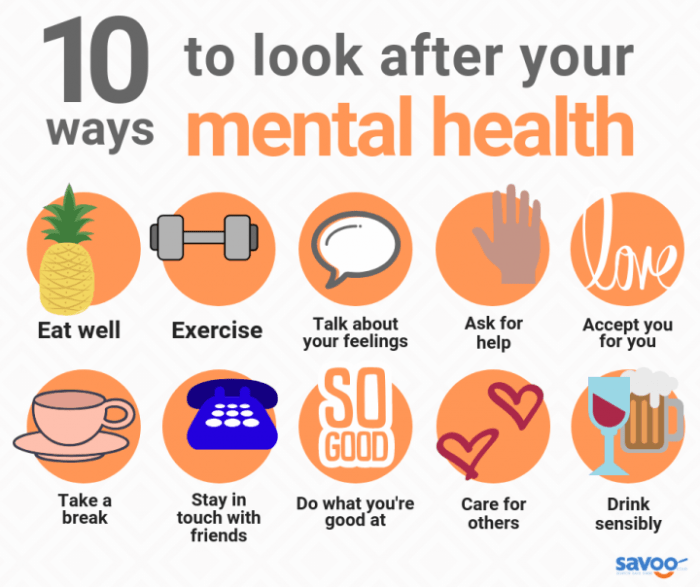
Maintaining good mental wellness is essential for a strong immune system. The mind and body are closely connected, and when you are stressed or anxious, it can weaken your immune response.
Connection between Stress and Immune Function
Stress can have a significant impact on immune function. When you are stressed, your body releases cortisol, a hormone that can suppress the immune system. This makes you more susceptible to infections and illnesses.
- Chronic stress can lead to inflammation in the body, which can weaken the immune response over time.
- High levels of stress can also affect the production of white blood cells, which are crucial for fighting off pathogens.
- Stress can disrupt the balance of hormones in the body, further compromising the immune system’s ability to function optimally.
Strategies for Managing Stress to Strengthen the Immune System
It is important to find ways to manage stress effectively in order to support your immune system. Here are some strategies to help you reduce stress and boost your immune function:
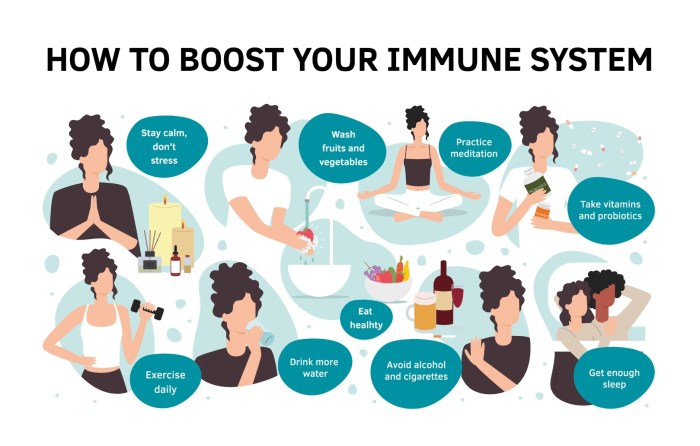
- Practice mindfulness and meditation to calm the mind and reduce stress levels.
- Engage in regular physical activity, which can help lower stress hormones and improve overall well-being.
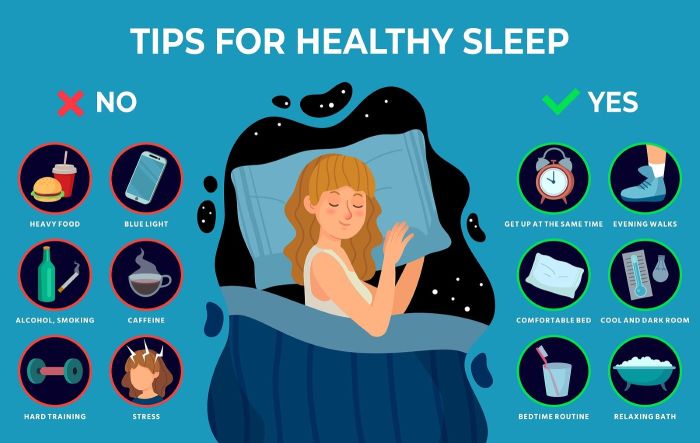
- Get an adequate amount of sleep each night, as sleep is essential for a healthy immune system.
- Connect with loved ones and maintain a strong support system to help cope with stress and anxiety.
- Consider seeking professional help or therapy if you are struggling to manage stress on your own.
Physical Fitness: How To Strengthen Your Immune System Naturally
Regular physical activity plays a crucial role in supporting a healthy immune system. Exercise helps to strengthen the immune response, making the body more resilient to infections and diseases.
Types of Exercises to Boost Immunity
- Cardiovascular exercises: Activities like running, cycling, or swimming can improve circulation and help immune cells move through the body more efficiently.
- Strength training: Building muscle mass can enhance the immune system by promoting the production of antibodies and white blood cells.
- Yoga and Pilates: These practices can reduce stress levels, which in turn can benefit the immune system by lowering inflammation.
Benefits of Incorporating Physical Fitness for Immune Support
- Enhanced immune response: Regular exercise can boost the production of antibodies and white blood cells, strengthening the body’s defense mechanisms.
- Reduced inflammation: Physical activity helps to decrease chronic inflammation, which is linked to various health issues, including a weakened immune system.
- Improved overall health: Engaging in regular exercise not only supports the immune system but also contributes to better cardiovascular health, mental well-being, and overall quality of life.
Healthy Eating
Eating a nutritious diet plays a crucial role in strengthening the immune system. The foods we consume provide essential vitamins, minerals, and antioxidants that support the body’s defense mechanisms. By incorporating immune-boosting foods into our meals, we can enhance our overall health and well-being.
Immune-Boosting Foods and Their Benefits
- Citrus Fruits: Citrus fruits like oranges, lemons, and grapefruits are rich in vitamin C, which helps boost the production of white blood cells, key players in immune response.
- Berries: Berries such as strawberries, blueberries, and raspberries are packed with antioxidants that help reduce inflammation and enhance immune function.
- Garlic: Garlic contains allicin, a compound with immune-boosting properties that can help fight infections and support overall immune health.
- Yogurt: Yogurt is a good source of probiotics, beneficial bacteria that promote a healthy gut microbiome and strengthen the immune system.
- Spinach: Spinach is loaded with vitamins A and C, as well as antioxidants and beta carotene, which contribute to immune function.
Meal Ideas for Immune Health
How to strengthen your immune system naturally – Incorporating immune-boosting foods into your meals can be delicious and satisfying. Here are some meal ideas and recipes that promote immune health:
- Immune-Boosting Smoothie: Blend together spinach, berries, yogurt, and a splash of orange juice for a nutritious and refreshing smoothie packed with immune-boosting ingredients.
- Garlic Roasted Chicken: Marinate chicken with garlic, lemon, and herbs before roasting for a flavorful and immune-supportive main dish.
- Citrus Salad: Combine mixed greens with citrus fruits, avocado, and nuts for a vibrant and nutrient-rich salad that supports immune function.
- Yogurt Parfait: Layer yogurt with berries, nuts, and a drizzle of honey for a tasty and immune-boosting breakfast or snack option.
Preventive Care
Preventive care plays a crucial role in maintaining a strong immune system. By taking proactive measures to prevent illnesses, you can significantly boost your body’s natural defense mechanisms.
Regular Health Check-ups
Regular health check-ups are essential for supporting your immune system. These check-ups help identify any underlying health issues early on, allowing for timely intervention and treatment to prevent complications that could weaken your immune response.
- Make sure to schedule annual check-ups with your primary care physician to monitor your overall health.
- Get routine vaccinations to protect against common infections and diseases.
- Monitor your blood pressure, cholesterol levels, and other key indicators regularly to detect any abnormalities.
Tips for Preventive Measures
Implementing preventive measures in your daily routine can help you avoid illnesses and strengthen your immunity over time.
- Avoid smoking and limit alcohol consumption to reduce the risk of immune system suppression.
- Engage in regular physical activity to improve circulation and overall health.
- Follow a balanced diet rich in fruits, vegetables, whole grains, and lean proteins to provide essential nutrients for immune function.
- Practice good hygiene by washing your hands frequently and maintaining a clean living environment to prevent the spread of germs.
- Manage stress through relaxation techniques, mindfulness, or hobbies to reduce the impact of stress on your immune system.
Balanced Diet
Maintaining a balanced diet is crucial for supporting your immune system. A balanced diet consists of a variety of nutrients that work together to keep your immune system strong and functioning optimally.
Importance of Including a Variety of Nutrients
A balanced diet should include a variety of nutrients such as vitamins, minerals, protein, carbohydrates, and fats. Each nutrient plays a specific role in supporting immune function. For example, vitamin C is known for its antioxidant properties and is essential for immune cell function. Including a variety of nutrients ensures that your body has everything it needs to fight off infections and illnesses.
Impact of Malnutrition on Immune Function
Malnutrition, whether it be due to inadequate intake of nutrients or poor absorption, can have a detrimental impact on immune function. When your body lacks essential nutrients, it can weaken your immune response and make you more susceptible to infections. For example, a deficiency in vitamin D has been linked to an increased risk of respiratory infections. Ensuring that you are getting all the necessary nutrients through a balanced diet is essential for maintaining a strong immune system.
Regular Exercise
Regular exercise plays a crucial role in strengthening the immune system and promoting overall health. By engaging in consistent physical activity, individuals can boost their immune system resilience, reduce the risk of chronic diseases, and improve overall well-being.
Benefits of Consistent Exercise for Immune System Resilience
- Regular exercise helps to flush bacteria out of the lungs and airways, reducing the chance of getting a cold, flu, or other illness.
- Physical activity promotes good circulation, allowing immune cells to move freely throughout the body and do their job effectively.
- Exercise can also help to lower levels of stress hormones, which in turn reduces inflammation and supports a healthy immune response.
Guidelines for Incorporating Regular Exercise into Daily Routines
- Choose activities that you enjoy, whether it’s walking, jogging, cycling, dancing, or playing a sport.
- Start with small, manageable goals and gradually increase the intensity and duration of your workouts.
- Find a workout buddy or join a fitness class to stay motivated and accountable.
- Make exercise a priority by scheduling it into your daily routine, just like any other important task.
Connection Between Physical Activity and Immune Response
Regular physical activity has been shown to have a positive impact on the immune system by:
- Enhancing the circulation of immune cells in the body, allowing them to detect and target pathogens more effectively.
- Reducing inflammation, which can help prevent chronic diseases and support a healthy immune response.
- Improving overall health and well-being, leading to a stronger immune system and better ability to fight off infections.
Mental Health
Maintaining good mental health is essential for a strong immune system. The relationship between mental health and immune system function is closely intertwined. When you are stressed, anxious, or depressed, your body produces stress hormones like cortisol, which can suppress the immune system and make you more susceptible to infections and illnesses.
Strategies for Maintaining Good Mental Health
- Practice mindfulness and meditation to reduce stress levels.
- Engage in regular physical activity to release endorphins and improve mood.
- Connect with friends and family for emotional support and social interaction.
- Get enough sleep to allow your brain to rest and recharge.
- Avoid unhealthy coping mechanisms like excessive alcohol or drug use.
Impact of Mental Health Disorders on Immune Health
Mental health disorders such as anxiety, depression, and PTSD can have a negative impact on immune health. Individuals with these conditions may have a weakened immune response, leading to increased susceptibility to infections and slower recovery times. It is crucial to seek professional help and treatment to manage mental health disorders effectively and support overall immune function.
Holistic Wellness
Holistic wellness focuses on treating the whole person, considering the mind, body, and spirit interconnected and working together for overall health. When it comes to boosting the immune system, holistic approaches play a crucial role in maintaining balance and promoting well-being.
Meditation
- Meditation is a practice that can help reduce stress levels, improve mental clarity, and enhance overall well-being.
- By calming the mind and reducing stress, meditation can help support a healthy immune system.
- Regular meditation practice has been shown to boost immunity by reducing inflammation and promoting relaxation.
Yoga
- Yoga combines physical postures, breathing exercises, and meditation to improve flexibility, strength, and mental focus.
- Practicing yoga can help reduce stress, improve sleep quality, and promote overall health and wellness.
- Yoga has been linked to lower levels of inflammation and a strengthened immune response.
Acupuncture
- Acupuncture is a traditional Chinese medicine practice that involves inserting thin needles into specific points on the body to restore energy flow.
- Acupuncture can help reduce pain, improve circulation, and support the body’s natural healing processes.
- Studies have shown that acupuncture can modulate the immune system, enhancing its functionality and promoting overall health.
Lifestyle Changes
- Healthy lifestyle choices such as getting enough sleep, staying physically active, and eating a balanced diet can contribute to overall wellness and immune health.
- Reducing exposure to toxins, maintaining a healthy weight, and staying hydrated are also important factors in supporting the immune system.
- By making sustainable lifestyle changes, individuals can improve their immune function and enhance their overall well-being.
Chronic Diseases
Chronic diseases are long-term health conditions that can have a significant impact on the immune system. Conditions such as diabetes, heart disease, and autoimmune disorders can weaken the immune response, making individuals more susceptible to infections and illnesses.
Managing Chronic Conditions for Immune System Strength
Individuals with chronic diseases must prioritize managing their conditions to support their immune health. Proper management of chronic diseases through medication, lifestyle changes, and regular medical check-ups can help in maintaining a strong immune system.
- Adhering to prescribed medications: It is essential for individuals with chronic diseases to take their medications as directed by healthcare providers to manage their condition effectively and prevent complications that can compromise the immune system.
- Healthy lifestyle choices: Adopting a healthy lifestyle that includes regular exercise, balanced nutrition, and adequate sleep can help in supporting the immune system and overall well-being.
- Regular medical check-ups: Routine visits to healthcare professionals for monitoring of chronic conditions and early detection of any changes can aid in preventing immune system suppression.
Immunity Boosters
When it comes to strengthening your immune system naturally, incorporating immunity boosters into your daily routine can be highly beneficial. These natural remedies can help support your body’s defense mechanisms and keep you healthy.
Herbs for Immunity Boosting, How to strengthen your immune system naturally
Herbs have been used for centuries for their immune-boosting properties. Some popular herbs known for their immune-strengthening benefits include:
- Echinacea: Known for its ability to enhance the immune system and reduce the severity of cold symptoms.
- Ginseng: Helps improve immune function and reduce the risk of getting sick.
- Garlic: Contains compounds that boost the immune system and have antimicrobial properties.
Supplements and Vitamins for Immunity
In addition to herbs, certain supplements and vitamins can also play a key role in boosting immunity. Some common options include:
- Vitamin C: Known for its antioxidant properties and ability to enhance immune function.
- Vitamin D: Helps regulate the immune system and reduce the risk of infections.
- Zinc: Essential for immune cell function and overall immune health.
Incorporating Immunity Boosters into Daily Routine
Adding immunity boosters to your daily routine can be simple and effective. You can consider:
- Adding herbs to your cooking or making herbal teas for immune support.
- Taking supplements or vitamins as recommended by healthcare professionals to fill any nutritional gaps.
- Eating a balanced diet rich in immune-boosting nutrients to support overall health.
FAQ Insights
Can mental wellness really impact the immune system?
Yes, mental wellness plays a crucial role in supporting immune function by reducing stress levels and promoting overall well-being.
How does regular exercise contribute to immune system health?
Regular physical activity boosts immune function by improving circulation, reducing inflammation, and promoting overall health.
What are some immune-boosting foods?
Immune-boosting foods include citrus fruits, leafy greens, garlic, ginger, and yogurt, among others.
Why is preventive care important for immune system support?
Preventive care helps in early detection of health issues, leading to timely interventions that strengthen the immune system.
How can lifestyle changes contribute to overall wellness and immune health?
Adopting healthy lifestyle habits such as regular exercise, balanced diet, and stress management can significantly improve overall wellness and immune function.