
How to strengthen your immune system naturally – Boosting immunity through mental wellness, physical fitness, and healthy eating

How to strengthen your immune system naturally

Mental Wellness

Maintaining good mental wellness is essential for a strong immune system. The mind and body are closely connected, and when you are stressed or anxious, it can weaken your immune response.

Connection between Stress and Immune Function

Stress can have a significant impact on immune function. When you are stressed, your body releases cortisol, a hormone that can suppress the immune system. This makes you more susceptible to infections and illnesses.

  • Chronic stress can lead to inflammation in the body, which can weaken the immune response over time.
  • High levels of stress can also affect the production of white blood cells, which are crucial for fighting off pathogens.
  • Stress can disrupt the balance of hormones in the body, further compromising the immune system’s ability to function optimally.

Strategies for Managing Stress to Strengthen the Immune System

It is important to find ways to manage stress effectively in order to support your immune system. Here are some strategies to help you reduce stress and boost your immune function:

  1. Practice mindfulness and meditation to calm the mind and reduce stress levels.
  2. Engage in regular physical activity, which can help lower stress hormones and improve overall well-being.
  3. Get an adequate amount of sleep each night, as sleep is essential for a healthy immune system.
  4. Connect with loved ones and maintain a strong support system to help cope with stress and anxiety.
  5. Consider seeking professional help or therapy if you are struggling to manage stress on your own.

Physical Fitness: How To Strengthen Your Immune System Naturally

Regular physical activity plays a crucial role in supporting a healthy immune system. Exercise helps to strengthen the immune response, making the body more resilient to infections and diseases.

Types of Exercises to Boost Immunity

  • Cardiovascular exercises: Activities like running, cycling, or swimming can improve circulation and help immune cells move through the body more efficiently.
  • Strength training: Building muscle mass can enhance the immune system by promoting the production of antibodies and white blood cells.
  • Yoga and Pilates: These practices can reduce stress levels, which in turn can benefit the immune system by lowering inflammation.

Benefits of Incorporating Physical Fitness for Immune Support

  • Enhanced immune response: Regular exercise can boost the production of antibodies and white blood cells, strengthening the body’s defense mechanisms.
  • Reduced inflammation: Physical activity helps to decrease chronic inflammation, which is linked to various health issues, including a weakened immune system.
  • Improved overall health: Engaging in regular exercise not only supports the immune system but also contributes to better cardiovascular health, mental well-being, and overall quality of life.

Healthy Eating

Eating a nutritious diet plays a crucial role in strengthening the immune system. The foods we consume provide essential vitamins, minerals, and antioxidants that support the body’s defense mechanisms. By incorporating immune-boosting foods into our meals, we can enhance our overall health and well-being.

Immune-Boosting Foods and Their Benefits

  • Citrus Fruits: Citrus fruits like oranges, lemons, and grapefruits are rich in vitamin C, which helps boost the production of white blood cells, key players in immune response.
  • Berries: Berries such as strawberries, blueberries, and raspberries are packed with antioxidants that help reduce inflammation and enhance immune function.
  • Garlic: Garlic contains allicin, a compound with immune-boosting properties that can help fight infections and support overall immune health.
  • Yogurt: Yogurt is a good source of probiotics, beneficial bacteria that promote a healthy gut microbiome and strengthen the immune system.
  • Spinach: Spinach is loaded with vitamins A and C, as well as antioxidants and beta carotene, which contribute to immune function.

Meal Ideas for Immune Health

How to strengthen your immune system naturally – Incorporating immune-boosting foods into your meals can be delicious and satisfying. Here are some meal ideas and recipes that promote immune health:

  1. Immune-Boosting Smoothie: Blend together spinach, berries, yogurt, and a splash of orange juice for a nutritious and refreshing smoothie packed with immune-boosting ingredients.
  2. Garlic Roasted Chicken: Marinate chicken with garlic, lemon, and herbs before roasting for a flavorful and immune-supportive main dish.
  3. Citrus Salad: Combine mixed greens with citrus fruits, avocado, and nuts for a vibrant and nutrient-rich salad that supports immune function.
  4. Yogurt Parfait: Layer yogurt with berries, nuts, and a drizzle of honey for a tasty and immune-boosting breakfast or snack option.

Preventive Care

How to strengthen your immune system naturally

Preventive care plays a crucial role in maintaining a strong immune system. By taking proactive measures to prevent illnesses, you can significantly boost your body’s natural defense mechanisms.

Regular Health Check-ups

Regular health check-ups are essential for supporting your immune system. These check-ups help identify any underlying health issues early on, allowing for timely intervention and treatment to prevent complications that could weaken your immune response.

  • Make sure to schedule annual check-ups with your primary care physician to monitor your overall health.
  • Get routine vaccinations to protect against common infections and diseases.
  • Monitor your blood pressure, cholesterol levels, and other key indicators regularly to detect any abnormalities.

Tips for Preventive Measures

Implementing preventive measures in your daily routine can help you avoid illnesses and strengthen your immunity over time.

  1. Avoid smoking and limit alcohol consumption to reduce the risk of immune system suppression.
  2. Engage in regular physical activity to improve circulation and overall health.
  3. Follow a balanced diet rich in fruits, vegetables, whole grains, and lean proteins to provide essential nutrients for immune function.
  4. Practice good hygiene by washing your hands frequently and maintaining a clean living environment to prevent the spread of germs.
  5. Manage stress through relaxation techniques, mindfulness, or hobbies to reduce the impact of stress on your immune system.

Balanced Diet

Maintaining a balanced diet is crucial for supporting your immune system. A balanced diet consists of a variety of nutrients that work together to keep your immune system strong and functioning optimally.

Importance of Including a Variety of Nutrients

A balanced diet should include a variety of nutrients such as vitamins, minerals, protein, carbohydrates, and fats. Each nutrient plays a specific role in supporting immune function. For example, vitamin C is known for its antioxidant properties and is essential for immune cell function. Including a variety of nutrients ensures that your body has everything it needs to fight off infections and illnesses.

Impact of Malnutrition on Immune Function

Malnutrition, whether it be due to inadequate intake of nutrients or poor absorption, can have a detrimental impact on immune function. When your body lacks essential nutrients, it can weaken your immune response and make you more susceptible to infections. For example, a deficiency in vitamin D has been linked to an increased risk of respiratory infections. Ensuring that you are getting all the necessary nutrients through a balanced diet is essential for maintaining a strong immune system.

Regular Exercise

Regular exercise plays a crucial role in strengthening the immune system and promoting overall health. By engaging in consistent physical activity, individuals can boost their immune system resilience, reduce the risk of chronic diseases, and improve overall well-being.

Benefits of Consistent Exercise for Immune System Resilience

  • Regular exercise helps to flush bacteria out of the lungs and airways, reducing the chance of getting a cold, flu, or other illness.
  • Physical activity promotes good circulation, allowing immune cells to move freely throughout the body and do their job effectively.
  • Exercise can also help to lower levels of stress hormones, which in turn reduces inflammation and supports a healthy immune response.

Guidelines for Incorporating Regular Exercise into Daily Routines

  • Choose activities that you enjoy, whether it’s walking, jogging, cycling, dancing, or playing a sport.
  • Start with small, manageable goals and gradually increase the intensity and duration of your workouts.
  • Find a workout buddy or join a fitness class to stay motivated and accountable.
  • Make exercise a priority by scheduling it into your daily routine, just like any other important task.

Connection Between Physical Activity and Immune Response

Regular physical activity has been shown to have a positive impact on the immune system by:

  • Enhancing the circulation of immune cells in the body, allowing them to detect and target pathogens more effectively.
  • Reducing inflammation, which can help prevent chronic diseases and support a healthy immune response.
  • Improving overall health and well-being, leading to a stronger immune system and better ability to fight off infections.

Mental Health

Maintaining good mental health is essential for a strong immune system. The relationship between mental health and immune system function is closely intertwined. When you are stressed, anxious, or depressed, your body produces stress hormones like cortisol, which can suppress the immune system and make you more susceptible to infections and illnesses.

Strategies for Maintaining Good Mental Health

  • Practice mindfulness and meditation to reduce stress levels.
  • Engage in regular physical activity to release endorphins and improve mood.
  • Connect with friends and family for emotional support and social interaction.
  • Get enough sleep to allow your brain to rest and recharge.
  • Avoid unhealthy coping mechanisms like excessive alcohol or drug use.

Impact of Mental Health Disorders on Immune Health

Mental health disorders such as anxiety, depression, and PTSD can have a negative impact on immune health. Individuals with these conditions may have a weakened immune response, leading to increased susceptibility to infections and slower recovery times. It is crucial to seek professional help and treatment to manage mental health disorders effectively and support overall immune function.

Holistic Wellness

Holistic wellness focuses on treating the whole person, considering the mind, body, and spirit interconnected and working together for overall health. When it comes to boosting the immune system, holistic approaches play a crucial role in maintaining balance and promoting well-being.

Meditation

  • Meditation is a practice that can help reduce stress levels, improve mental clarity, and enhance overall well-being.
  • By calming the mind and reducing stress, meditation can help support a healthy immune system.
  • Regular meditation practice has been shown to boost immunity by reducing inflammation and promoting relaxation.

Yoga

  • Yoga combines physical postures, breathing exercises, and meditation to improve flexibility, strength, and mental focus.
  • Practicing yoga can help reduce stress, improve sleep quality, and promote overall health and wellness.
  • Yoga has been linked to lower levels of inflammation and a strengthened immune response.

Acupuncture

  • Acupuncture is a traditional Chinese medicine practice that involves inserting thin needles into specific points on the body to restore energy flow.
  • Acupuncture can help reduce pain, improve circulation, and support the body’s natural healing processes.
  • Studies have shown that acupuncture can modulate the immune system, enhancing its functionality and promoting overall health.

Lifestyle Changes

  • Healthy lifestyle choices such as getting enough sleep, staying physically active, and eating a balanced diet can contribute to overall wellness and immune health.
  • Reducing exposure to toxins, maintaining a healthy weight, and staying hydrated are also important factors in supporting the immune system.
  • By making sustainable lifestyle changes, individuals can improve their immune function and enhance their overall well-being.

Chronic Diseases

Chronic diseases are long-term health conditions that can have a significant impact on the immune system. Conditions such as diabetes, heart disease, and autoimmune disorders can weaken the immune response, making individuals more susceptible to infections and illnesses.

Managing Chronic Conditions for Immune System Strength

Individuals with chronic diseases must prioritize managing their conditions to support their immune health. Proper management of chronic diseases through medication, lifestyle changes, and regular medical check-ups can help in maintaining a strong immune system.

  • Adhering to prescribed medications: It is essential for individuals with chronic diseases to take their medications as directed by healthcare providers to manage their condition effectively and prevent complications that can compromise the immune system.
  • Healthy lifestyle choices: Adopting a healthy lifestyle that includes regular exercise, balanced nutrition, and adequate sleep can help in supporting the immune system and overall well-being.
  • Regular medical check-ups: Routine visits to healthcare professionals for monitoring of chronic conditions and early detection of any changes can aid in preventing immune system suppression.

Immunity Boosters

When it comes to strengthening your immune system naturally, incorporating immunity boosters into your daily routine can be highly beneficial. These natural remedies can help support your body’s defense mechanisms and keep you healthy.

Herbs for Immunity Boosting, How to strengthen your immune system naturally

Herbs have been used for centuries for their immune-boosting properties. Some popular herbs known for their immune-strengthening benefits include:

  • Echinacea: Known for its ability to enhance the immune system and reduce the severity of cold symptoms.
  • Ginseng: Helps improve immune function and reduce the risk of getting sick.
  • Garlic: Contains compounds that boost the immune system and have antimicrobial properties.

Supplements and Vitamins for Immunity

In addition to herbs, certain supplements and vitamins can also play a key role in boosting immunity. Some common options include:

  • Vitamin C: Known for its antioxidant properties and ability to enhance immune function.
  • Vitamin D: Helps regulate the immune system and reduce the risk of infections.
  • Zinc: Essential for immune cell function and overall immune health.

Incorporating Immunity Boosters into Daily Routine

Adding immunity boosters to your daily routine can be simple and effective. You can consider:

  • Adding herbs to your cooking or making herbal teas for immune support.
  • Taking supplements or vitamins as recommended by healthcare professionals to fill any nutritional gaps.
  • Eating a balanced diet rich in immune-boosting nutrients to support overall health.

FAQ Insights

Can mental wellness really impact the immune system?

Yes, mental wellness plays a crucial role in supporting immune function by reducing stress levels and promoting overall well-being.

How does regular exercise contribute to immune system health?

Regular physical activity boosts immune function by improving circulation, reducing inflammation, and promoting overall health.

What are some immune-boosting foods?

Immune-boosting foods include citrus fruits, leafy greens, garlic, ginger, and yogurt, among others.

Why is preventive care important for immune system support?

Preventive care helps in early detection of health issues, leading to timely interventions that strengthen the immune system.

How can lifestyle changes contribute to overall wellness and immune health?

Adopting healthy lifestyle habits such as regular exercise, balanced diet, and stress management can significantly improve overall wellness and immune function.

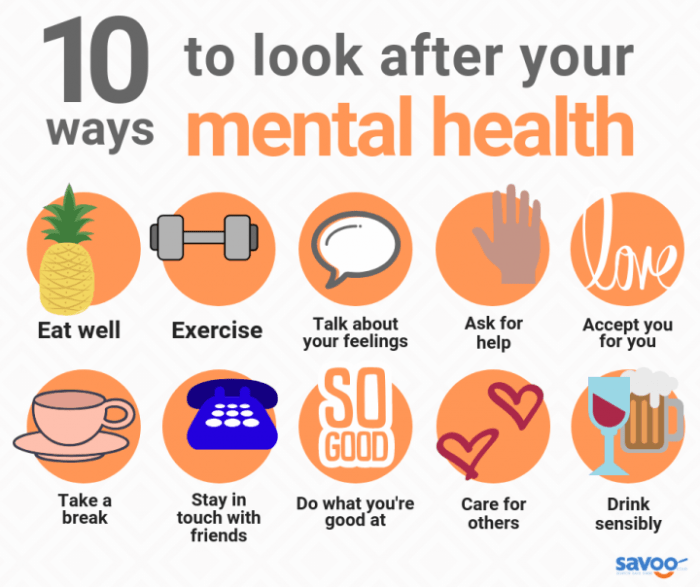
Preventive care practices for mental health: Promoting overall well-being through proactive strategies

Preventive care practices for mental health

Mental Wellness

Maintaining mental wellness is crucial for overall health as it directly impacts how we think, feel, and act in our daily lives. It contributes to our ability to handle stress, relate to others, and make healthy choices. Neglecting mental wellness can lead to various mental health conditions such as anxiety, depression, and mood disorders.

Activities Promoting Mental Wellness

  • Regular exercise: Physical activity releases endorphins, which are known to improve mood and reduce feelings of stress and anxiety.
  • Mindfulness and meditation: Practicing mindfulness helps in staying present and reducing negative thoughts.
  • Social connections: Engaging with friends and family members can provide emotional support and a sense of belonging.
  • Healthy diet: Eating nutritious foods can positively impact mental health and overall well-being.

Connection between Mental Wellness and Preventive Care Practices

Maintaining mental wellness through activities like exercise, mindfulness, social connections, and a healthy diet is a form of preventive care for mental health. By incorporating these practices into our daily routine, we can reduce the risk of developing mental health conditions and improve our overall quality of life.

Physical Fitness

Regular physical activity plays a crucial role in maintaining good mental health. Exercise has been shown to reduce symptoms of anxiety and depression, improve mood, boost self-esteem, and enhance cognitive function.

Types of Physical Exercises

  • Aerobic exercises: Activities like running, swimming, or biking that increase heart rate and improve cardiovascular health.
  • Strength training: Lifting weights or using resistance bands to build muscle strength and endurance.
  • Yoga: Combining physical postures, breathing techniques, and meditation to promote relaxation and reduce stress.
  • Dance: Fun and energetic movements that not only improve physical fitness but also uplift mood and creativity.

Benefits of Incorporating Physical Fitness

  • Release of endorphins: Exercise triggers the release of endorphins, also known as “feel-good” hormones, which can reduce feelings of stress and anxiety.
  • Improved sleep: Regular physical activity can help regulate sleep patterns and improve the quality of sleep, leading to better mental health overall.
  • Enhanced self-confidence: Achieving fitness goals and feeling stronger physically can boost self-esteem and self-image.
  • Reduced risk of chronic illnesses: Regular exercise can lower the risk of developing conditions such as heart disease, diabetes, and obesity, which can have a negative impact on mental well-being.

Healthy Eating

Eating a nutritious diet plays a crucial role in maintaining good mental health. The food we consume provides essential nutrients that support brain function and help regulate mood. Making healthy food choices can lead to improved mental well-being and overall emotional balance.

The Role of Nutrition in Mental Health

Nutrition affects the structure and function of our brain, influencing neurotransmitter levels and overall cognitive performance. Consuming a diet rich in vitamins, minerals, antioxidants, and omega-3 fatty acids can promote mental clarity, focus, and emotional stability.

  • Foods rich in omega-3 fatty acids, such as salmon, walnuts, and flaxseeds, support brain health and may reduce symptoms of depression and anxiety.
  • Dark leafy greens like spinach and kale are high in folate, a B vitamin that plays a key role in neurotransmitter synthesis and mood regulation.
  • Whole grains, legumes, and lean proteins provide a steady source of energy and essential amino acids that contribute to optimal brain function.

Healthy Eating Habits as Preventive Care, Preventive care practices for mental health

Establishing healthy eating habits is a form of preventive care for mental health. Consistently choosing nutrient-dense foods over processed or sugary options can help stabilize blood sugar levels, improve concentration, and enhance emotional resilience. By prioritizing a balanced diet, individuals can proactively support their mental well-being and reduce the risk of developing mood disorders or cognitive decline.

Preventive Care

Preventive care practices for mental health are proactive measures taken to maintain and enhance mental well-being, reducing the risk of developing mental health issues.

Define Preventive Care Practices

Preventive care practices for mental health include regular exercise, stress management techniques, healthy eating habits, adequate sleep, mindfulness practices, and seeking professional help when needed.

Share Strategies for Implementing Preventive Care Routines

  • Establish a routine: Create a daily schedule that includes time for self-care activities such as exercise, meditation, and relaxation.
  • Stay connected: Build a support system of friends, family, or mental health professionals to lean on in times of need.
  • Practice mindfulness: Engage in activities that promote mindfulness, such as yoga, deep breathing exercises, or journaling.
  • Limit screen time: Reduce exposure to screens and social media to prevent mental fatigue and promote overall well-being.
  • Seek professional help: Regularly check in with a mental health professional to discuss any concerns or changes in mental health.

Discuss the Long-term Benefits of Prioritizing Preventive Care for Mental Well-being

By prioritizing preventive care for mental health, individuals can experience improved mood, increased resilience to stress, enhanced cognitive function, better relationships, and overall higher quality of life. Additionally, preventing mental health issues before they arise can lead to reduced healthcare costs and increased productivity in various aspects of life.

Balanced Diet

Eating a balanced diet is crucial for maintaining good mental health. The food we consume plays a significant role in how our brain functions and how we feel emotionally.

Essential Nutrients for Mental Well-being

There are several key nutrients that are essential for promoting mental well-being:

  • Omega-3 fatty acids: Found in fatty fish, flaxseeds, and walnuts, omega-3s are important for brain health and can help reduce symptoms of depression and anxiety.
  • Vitamin B12: This vitamin is crucial for nerve function and the production of neurotransmitters that regulate mood. Sources include meat, dairy, and fortified cereals.
  • Magnesium: Magnesium plays a role in regulating neurotransmitters involved in mood and relaxation. Foods like nuts, seeds, and leafy greens are good sources.
  • Amino acids: Amino acids like tryptophan and tyrosine are precursors to neurotransmitters like serotonin and dopamine, which play a role in mood regulation. Foods like turkey, eggs, and dairy products contain these amino acids.

Preventing Mental Health Issues

A balanced diet can help prevent mental health issues by providing the necessary nutrients for optimal brain function and emotional well-being. Nutrient deficiencies can lead to imbalances in neurotransmitters, which can contribute to conditions like depression, anxiety, and mood disorders. By ensuring a diet rich in essential nutrients, individuals can support their mental health and reduce the risk of developing mental health issues.

Regular Exercise: Preventive Care Practices For Mental Health

Regular exercise plays a crucial role in promoting mental well-being and overall mental health. Engaging in physical activity on a consistent basis has been shown to have numerous benefits for mental health.

Types of Exercises for Mental Well-Being

  • Cardiovascular exercises, such as running, swimming, or cycling, help release endorphins and reduce stress levels.
  • Strength training exercises, like weightlifting or bodyweight exercises, can improve self-esteem and boost mood.
  • Yoga and Pilates focus on mindfulness and relaxation, reducing symptoms of anxiety and depression.

Relationship between Exercise and Preventive Care for Mental Health

Regular exercise is a key component of preventive care for mental health. By incorporating physical activity into your routine, you can reduce the risk of developing mental health issues such as depression and anxiety. Exercise also helps in managing symptoms for those already dealing with mental health conditions, improving overall quality of life.

Holistic Wellness

Preventive care practices for mental health
Holistic wellness focuses on the overall well-being of an individual, encompassing the mind, body, and spirit. In relation to mental health, holistic wellness emphasizes the interconnectedness of various aspects of a person’s life and how they contribute to mental well-being.

Examples of Holistic Practices

  • Yoga and meditation: These practices help reduce stress, anxiety, and improve mental clarity.
  • Acupuncture and acupressure: Traditional Chinese medicine techniques that can help alleviate symptoms of depression and anxiety.
  • Aromatherapy: The use of essential oils to promote relaxation and improve mood.
  • Art therapy: Engaging in creative activities to express emotions and reduce stress.

Incorporating Holistic Wellness for Preventive Care

By incorporating holistic wellness practices into preventive care for mental health, individuals can address underlying issues that may contribute to mental health challenges. This approach focuses on treating the root causes of problems rather than just the symptoms, leading to long-term well-being.

Chronic Diseases

Mental health and chronic diseases are closely linked, as individuals with chronic conditions such as diabetes, heart disease, or cancer often experience higher rates of depression, anxiety, and other mental health issues. The physical symptoms, lifestyle changes, and emotional toll of managing a chronic illness can significantly impact a person’s mental well-being.

Preventive Care Practices for Mental Health and Chronic Diseases

  • Regular monitoring and management of chronic conditions through medication adherence, doctor visits, and lifestyle modifications can help reduce the risk of mental health issues.
  • Engaging in stress-reducing activities such as mindfulness meditation, yoga, or deep breathing exercises can improve mental well-being for individuals dealing with chronic diseases.
  • Seeking support from healthcare professionals, therapists, or support groups can provide emotional support and coping strategies for managing the challenges of living with a chronic illness.
  • Maintaining a healthy lifestyle with a balanced diet, regular exercise, and adequate sleep can improve overall mental health and reduce the impact of chronic diseases on mental well-being.

Importance of Managing Chronic Conditions for Mental Well-being

Chronic diseases not only affect physical health but also have a significant impact on mental well-being. Proper management of chronic conditions is crucial in preventing the development or worsening of mental health issues such as depression, anxiety, and stress. By taking proactive steps to manage chronic diseases, individuals can improve their overall quality of life and ensure better mental health outcomes.

Immunity Boosters

Preventive care practices for mental health
Immunity boosters play a crucial role in supporting mental health by strengthening the body’s defense system against illnesses and infections. A robust immune system can help reduce the risk of developing mental health issues and improve overall well-being.

Natural Immunity Boosters for Mental Well-being

  • Vitamin C: Known for its immune-boosting properties, vitamin C helps reduce stress levels and improve mood. Citrus fruits, bell peppers, and strawberries are rich sources of vitamin C.
  • Probiotics: These beneficial bacteria support gut health, which is closely linked to mental health. Yogurt, kefir, and kimchi are good sources of probiotics.
  • Turmeric: Curcumin, the active compound in turmeric, has anti-inflammatory and antioxidant properties that can enhance immune function and promote mental wellness.
  • Garlic: Garlic contains sulfur compounds that stimulate the immune system and protect against oxidative stress, benefiting both physical and mental health.

Role of Immunity in Preventive Care for Mental Health

Immunity plays a vital role in preventive care practices for maintaining good mental health. A strong immune system can help reduce inflammation in the body, which is linked to mental health conditions like depression and anxiety. By incorporating natural immunity boosters into your diet, you can support your immune system and promote mental well-being.

Popular Questions

Can preventive care practices for mental health replace traditional treatments?

Preventive care practices are meant to complement traditional treatments, not replace them. It’s important to consult with healthcare professionals for personalized advice.

How often should one engage in preventive care practices for mental health?

Consistency is key. Aim for a balanced routine that includes mental wellness activities, physical exercise, healthy eating, and holistic approaches on a regular basis.

Benefits of swimming for physical fitness: Dive into the advantages of swimming for your overall health and well-being

Benefits of swimming for physical fitness

Physical Fitness Benefits of Swimming

Benefits of swimming for physical fitness – Swimming is a fantastic way to improve overall physical fitness, offering a wide range of benefits that positively impact various aspects of our health.

Improved Cardiovascular Health

  • Swimming is an excellent cardiovascular workout that gets the heart pumping and improves circulation.
  • It helps lower blood pressure and reduce the risk of heart disease and stroke.
  • Regular swimming sessions can increase the heart’s efficiency and strengthen it over time.

Muscle Strength and Endurance

  • Swimming engages multiple muscle groups, providing a full-body workout that helps build strength and endurance.
  • It tones muscles and increases muscle mass, promoting a lean and fit physique.
  • Swimming is low-impact, making it ideal for individuals with joint issues or those recovering from injuries.

Flexibility and Joint Health

  • Swimming involves a wide range of motions that enhance flexibility and range of motion in joints.
  • The buoyancy of water reduces pressure on joints, making swimming an excellent exercise for those with arthritis or joint pain.
  • It can help improve posture and reduce the risk of injuries related to tight muscles and limited mobility.

Weight Management and Overall Fitness

  • Swimming burns a significant amount of calories, making it an effective way to manage weight and promote fat loss.
  • It boosts metabolism and can help maintain a healthy body composition when combined with a balanced diet.
  • Swimming regularly can improve overall fitness levels, increase stamina, and promote a sense of well-being.

Mental Wellness Benefits of Swimming: Benefits Of Swimming For Physical Fitness

Swimming not only improves physical fitness but also provides numerous mental wellness benefits.

Stress and Anxiety Reduction

Swimming is known to be a great stress reliever as the rhythmic nature of the strokes and the sound of water can have a calming effect on the mind. The physical activity involved in swimming also helps release endorphins, which are known as ‘feel-good’ hormones that can reduce anxiety levels.

Mental Clarity and Relaxation

The repetitive nature of swimming laps can help clear the mind and provide mental clarity. The focus required to coordinate breathing and movement can also act as a form of meditation, promoting relaxation and reducing mental fatigue.

Improved Mood

Regular swimming has been linked to improved mood and a decrease in symptoms of depression. The combination of physical activity, fresh air, and the sensory experience of being in water can contribute to a more positive outlook on life.

Meditative Aspects

Swimming can be a meditative practice for many individuals, allowing them to disconnect from the outside world and be fully present in the moment. The repetitive motion of swimming back and forth can create a sense of mindfulness and inner peace, promoting overall mental well-being.

Healthy Eating and Swimming

Proper nutrition plays a crucial role in enhancing the performance of swimmers. A balanced diet not only provides the necessary energy but also supports muscle recovery and overall health, allowing swimmers to excel in their training and competitions.

Importance of Nutrition for Swimmers

Swimmers require a well-rounded diet to meet the high energy demands of their rigorous workouts. A diet rich in carbohydrates, proteins, healthy fats, vitamins, and minerals is essential to maintain optimal performance in the water.

Key Nutrients for Swimmers

  • Carbohydrates: Serve as the primary fuel source for swimmers, providing energy for long training sessions and races.
  • Proteins: Aid in muscle repair and growth, crucial for swimmers to recover after intense workouts.
  • Healthy Fats: Support overall health, brain function, and provide a source of sustained energy for endurance swimming.
  • Vitamins and Minerals: Play a vital role in various bodily functions, including muscle function, immune support, and energy production.

Pre and Post-Swimming Meal Ideas

Before hitting the pool, swimmers can benefit from consuming a meal rich in carbohydrates for sustained energy. Some pre-swimming meal ideas include oatmeal with fruits, whole grain toast with nut butter, or a smoothie with yogurt and berries.

After a swim session, it’s important to refuel the body with a combination of carbohydrates and proteins to support muscle recovery. Post-swimming meal ideas may include grilled chicken with quinoa and vegetables, a tuna salad sandwich on whole grain bread, or a protein shake with banana and almond milk.

Preventive Care through Swimming

Regular swimming not only helps in improving physical fitness but also plays a crucial role in preventive care. Swimming has been shown to have a positive impact on preventing chronic diseases and promoting overall health and well-being.

Preventing Chronic Diseases

  • Swimming can help in reducing the risk of chronic conditions such as diabetes and heart diseases. The cardiovascular benefits of swimming, combined with weight management and improved circulation, contribute to better overall health and lower the chances of developing these diseases.

Reducing Risk of Osteoporosis and Arthritis, Benefits of swimming for physical fitness

  • Swimming is a low-impact exercise that can help in strengthening bones and muscles. This can reduce the risk of osteoporosis and arthritis, as the buoyancy of water supports the body and reduces stress on joints, making it an ideal form of exercise for those with these conditions.

Contributing to Overall Preventive Healthcare

  • By engaging in swimming regularly, individuals can improve their immune system, reduce inflammation, and boost their overall health. This contributes to preventive healthcare by strengthening the body’s defenses against various illnesses and diseases.

Long-Term Benefits of Swimming for Preventive Care

  • Swimming is a lifelong activity that can be enjoyed at any age. The consistent practice of swimming can lead to long-term benefits such as improved cardiovascular health, increased muscle strength, and enhanced mental well-being. These cumulative effects help in maintaining overall health and preventing the onset of various health issues as individuals age.

Balanced Diet and Swimming

Maintaining a balanced diet is crucial for swimmers to support their physical fitness and optimize their performance in the water. A well-rounded nutritional plan can provide the energy and nutrients necessary for endurance, strength, and overall health.

Importance of a Balanced Diet

A balanced diet rich in carbohydrates, proteins, fats, vitamins, and minerals is essential for swimmers. Carbohydrates serve as the primary fuel source for energy during workouts, while proteins support muscle repair and growth. Healthy fats aid in nutrient absorption and provide long-lasting energy. Vitamins and minerals play a key role in various bodily functions, including muscle contractions and recovery.

  • Example meals:
  • Breakfast: Whole grain toast with avocado and eggs, a side of fruit
  • Lunch: Grilled chicken salad with quinoa, mixed vegetables, and a vinaigrette dressing
  • Dinner: Baked salmon with sweet potato and steamed broccoli

Supporting Nutritional Needs

Different food groups contribute to swimmers’ nutritional needs in unique ways. Carbohydrates provide quick energy, proteins aid in muscle repair and growth, healthy fats support overall health, and vitamins/minerals ensure proper bodily functions. By incorporating a variety of foods from each group, swimmers can maintain a well-rounded diet that fuels their training and recovery.

Enhancing Swimming Performance

Consuming meals rich in carbohydrates before a swim can boost energy levels, while protein-rich snacks post-workout aid in muscle recovery. Hydration is also key, as staying well-hydrated supports performance and prevents fatigue. By fueling the body with the right nutrients at the right times, swimmers can enhance their performance in the water.

Correlation with Swimming Efficiency

A balanced diet directly impacts swimming efficiency by providing the necessary fuel and nutrients for optimal performance. Swimmers who prioritize nutrition often experience improved endurance, faster recovery times, and overall better results in their training. By paying attention to what they eat and ensuring a balanced intake, swimmers can maximize their efficiency in the water.

Regular Exercise and Swimming

Swimming is not just a recreational activity; it is also an excellent form of exercise that can be incorporated into a regular fitness routine.

Full-Body Workout with Swimming

Swimming engages multiple muscle groups simultaneously, making it a fantastic full-body workout. It helps strengthen muscles in the arms, legs, core, and back, while also improving cardiovascular endurance. This holistic approach to exercise ensures that no muscle group is left untouched, leading to improved overall fitness levels.

Cross-Training Benefits of Swimming

Incorporating swimming into a cross-training routine can have numerous benefits for overall health. By alternating between swimming and other forms of exercise such as running or weight training, individuals can reduce the risk of overuse injuries and prevent workout plateaus. The varied nature of swimming also challenges the body in different ways, promoting muscle balance and flexibility.

Contribution to a Well-Rounded Fitness Regimen

Swimming offers a low-impact yet highly effective form of exercise that complements other fitness activities. Whether used as a primary workout or as a supplement to existing routines, swimming can help individuals achieve a well-rounded fitness regimen. Its ability to improve strength, endurance, and flexibility makes it a valuable addition to any exercise plan.

Mental Health Benefits of Swimming

Swimming not only benefits physical health but also plays a significant role in boosting mental well-being. The following points highlight the positive impact of swimming on mental health:

Boost Self-Esteem and Confidence

Swimming can help individuals improve their self-esteem and confidence levels. As swimmers set goals and achieve them, they gain a sense of accomplishment and self-worth, which can translate into increased confidence in other areas of life.

Psychological Benefits of Setting and Achieving Swimming Goals

Setting and achieving swimming goals can have a positive impact on mental health. It helps individuals stay focused, motivated, and disciplined, leading to a sense of purpose and fulfillment. This can contribute to improved mental well-being and overall happiness.

Impact of Swimming on Mental Resilience and Coping Mechanisms

Swimming can enhance mental resilience by providing a coping mechanism for dealing with stress, anxiety, and other mental health challenges. The repetitive nature of swimming, combined with the focus required, can help individuals clear their minds and build resilience against negative emotions.

Emotional Well-Being Promoted by Regular Swimming

Regular swimming has been linked to improved emotional well-being. The release of endorphins during exercise can boost mood and reduce feelings of anxiety and depression. Swimming in a peaceful environment, such as a quiet pool or natural body of water, can also have a calming effect on the mind.

Holistic Wellness with Swimming

Benefits of swimming for physical fitness
Swimming is not just a physical exercise; it is a holistic approach to well-being that encompasses the mind, body, and emotions. By engaging in regular swimming sessions, individuals can experience a myriad of benefits that contribute to overall wellness.

Interconnectedness of Physical, Mental, and Emotional Health

  • Swimming helps improve cardiovascular health, muscle strength, and flexibility, leading to a physically fit body.
  • It also releases endorphins, the “feel-good” hormones, which can reduce stress, anxiety, and depression, promoting mental well-being.
  • The rhythmic breathing and focus required during swimming can help calm the mind and improve emotional stability.

Overall Wellness Benefits of Swimming

  • Swimming enhances overall endurance, promoting a healthy lifestyle and increasing longevity.
  • It can aid in weight management by burning calories effectively while being gentle on the joints.
  • Improvement in sleep quality and relaxation are additional benefits that contribute to holistic wellness.

Fostering a Balanced and Healthy Lifestyle

  • Swimming can be a meditative practice that fosters mindfulness and self-awareness, promoting emotional balance.
  • Incorporating swimming into a regular exercise routine can lead to a more balanced lifestyle, combining physical activity with mental and emotional well-being.
  • By making swimming a part of daily or weekly routines, individuals can achieve a holistic approach to wellness that encompasses all aspects of health.

Swimming for Preventing Chronic Diseases

Swimming is not only a great form of exercise but also plays a significant role in preventing chronic diseases. It offers a low-impact workout that can benefit individuals dealing with conditions like asthma and arthritis. The buoyancy of water reduces stress on joints and muscles, making it easier for those with chronic illnesses to exercise without causing further strain.

Managing Conditions like Asthma and Arthritis

Swimming can be particularly beneficial for individuals with asthma and arthritis. The humid environment of indoor pools can help improve breathing for asthma patients, while the gentle movements in water can reduce inflammation and pain for those with arthritis. The controlled breathing techniques in swimming can also enhance lung capacity and overall respiratory function, which is beneficial for asthma management.

Benefits for Individuals with Chronic Illnesses

For individuals with chronic illnesses, swimming offers a holistic approach to improving overall health. It can help in maintaining a healthy weight, improving cardiovascular health, and enhancing muscle strength. The repetitive nature of swimming strokes can also aid in improving flexibility and range of motion, which is crucial for individuals with conditions like arthritis.

Supporting Recovery and Rehabilitation

Swimming is often recommended as part of recovery and rehabilitation programs for various chronic diseases. The buoyancy of water provides a supportive environment for individuals recovering from injuries or surgeries. It allows for gentle movement and muscle strengthening without putting excessive strain on the body. Swimming can also help in regaining mobility and coordination, which is essential for rehabilitation after certain illnesses.

Positive Impact on Chronic Disease Management

Numerous studies have highlighted the positive impact of swimming on chronic disease management. From reducing symptoms and pain to improving overall quality of life, swimming has been shown to be an effective form of exercise for individuals with various health conditions. Success stories of individuals incorporating swimming into their wellness routines and experiencing significant improvements in their health outcomes are a testament to the benefits of this aquatic activity.

Immunity Boosters from Swimming

Swimming is not only a great form of exercise but also plays a significant role in boosting immunity. Regular swimming can strengthen the immune system, reducing the risk of infections and illnesses. The overall health benefits of swimming contribute to improved immunity by enhancing various bodily functions.

Relationship between Swimming and a Strengthened Immune System

Swimming helps improve circulation, which allows immune cells to move through the body more efficiently. This increased circulation can aid in the early detection and elimination of pathogens, reducing the chances of falling ill.

Reducing Risk of Infections and Illnesses

  • Swimming can help improve respiratory function, making the body more resistant to respiratory infections.
  • The combination of aerobic exercise and water resistance strengthens muscles and improves overall physical health, reducing the susceptibility to illnesses.
  • Regular swimming can also help regulate blood pressure and lower inflammation levels, which are important factors in maintaining a healthy immune system.

Overall Health Benefits Contributing to Improved Immunity

  • Swimming promotes cardiovascular health, which is essential for overall well-being and immune function.
  • The stress-relieving properties of swimming can reduce the production of stress hormones that can weaken the immune system.
  • Increased lung capacity and oxygen intake from swimming can enhance the body’s ability to fight off infections and diseases.

Connection between Swimming, Stress Reduction, and Immune Function

Swimming is known to be a mood-boosting activity that can reduce stress and anxiety levels. Lower stress levels can contribute to better immune function, as chronic stress has been linked to a weakened immune response. By engaging in regular swimming sessions, individuals can improve their mental well-being and enhance their immunity simultaneously.

Essential FAQs

Can swimming help in managing chronic diseases?

Yes, swimming can aid in managing conditions like asthma and arthritis due to its low-impact nature and benefits for muscle strength and endurance.

Is swimming alone enough for weight management?

While swimming is great for overall fitness, combining it with a balanced diet and other forms of exercise can enhance weight management results.

How does swimming contribute to mental wellness?

Swimming reduces stress and anxiety, promotes mental clarity, and can boost self-esteem and confidence, leading to improved overall mental health.

Can swimming prevent chronic diseases?

Swimming can help prevent conditions like diabetes and heart diseases by improving cardiovascular health and overall fitness levels.

What are some key nutrients needed for swimmers?

Swimmers require nutrients like protein for muscle repair, carbohydrates for energy, and hydration to support their activity levels.

How to combine yoga and physical fitness: A holistic approach for wellness

How to combine yoga and physical fitness

Introduction to Combining Yoga and Physical Fitness

How to combine yoga and physical fitness – Integrating yoga with physical fitness can offer a wide range of benefits for overall health and well-being. Yoga, with its focus on breath control, flexibility, and mindfulness, can complement traditional exercise routines and enhance their effectiveness.

Enhanced Flexibility and Strength

By incorporating yoga poses and stretches into your fitness regimen, you can improve flexibility and build strength in muscles that may not be targeted by conventional workouts. The combination of yoga and physical fitness can help prevent injuries and enhance performance in various activities.

Mental Clarity and Stress Reduction

Yoga’s emphasis on mindfulness and relaxation techniques can help reduce stress levels and promote mental clarity. By combining yoga with physical exercise, individuals can experience a holistic approach to wellness that addresses both the physical and mental aspects of health.

Mental Wellness through Yoga and Physical Fitness

Yoga and physical fitness are not only beneficial for the body but also play a significant role in promoting mental well-being. The combination of yoga and traditional workouts can have a positive impact on mental health by reducing stress, improving mood, and enhancing overall mental clarity.

Comparing Mental Health Benefits of Yoga and Traditional Workouts

When it comes to mental health benefits, yoga and traditional workouts offer unique advantages that cater to different aspects of mental well-being. While traditional workouts focus on physical strength and endurance, yoga emphasizes mindfulness, relaxation, and inner peace. Here are some key differences:

  • Yoga promotes mindfulness: Through breathwork and meditation, yoga helps individuals cultivate a sense of awareness and presence in the moment, reducing stress and anxiety levels.
  • Traditional workouts boost endorphins: Physical exercises like running or weightlifting stimulate the release of endorphins, which are known as the “feel-good” hormones that can improve mood and reduce symptoms of depression.
  • Yoga enhances mental clarity: The practice of yoga poses, such as child’s pose or legs up the wall, can help calm the mind, increase focus, and promote mental clarity.

Examples of Yoga Poses for Mental Relaxation and Clarity

Yoga offers a wide range of poses that are specifically designed to promote mental relaxation and clarity. Some examples include:

  • Child’s Pose (Balasana): This gentle resting pose helps to calm the mind, relieve stress, and promote relaxation by allowing the body to surrender and the breath to flow smoothly.
  • Legs Up the Wall Pose (Viparita Karani): By elevating the legs above the heart, this pose encourages relaxation, improves circulation, and reduces anxiety and fatigue.
  • Corpse Pose (Savasana): Often practiced at the end of a yoga session, Savasana allows the body and mind to fully relax, promoting mental clarity and a sense of inner peace.

Physical Fitness Benefits: How To Combine Yoga And Physical Fitness

Regular physical fitness activities combined with yoga can significantly improve overall physical health. Yoga enhances flexibility, strength, and endurance, which are essential components of physical fitness. Moreover, incorporating yoga into a fitness routine can help prevent injuries during various physical activities.

Impact of Yoga on Flexibility, Strength, and Endurance

  • Yoga poses focus on stretching and lengthening muscles, thereby increasing flexibility over time.
  • Strength is developed through holding yoga poses that require engaging different muscle groups.
  • Endurance is improved through the practice of flowing sequences that challenge cardiovascular fitness and stamina.

Preventing Injuries during Physical Activities

Yoga helps increase body awareness and proper alignment, reducing the risk of injuries during physical exercises or sports.

  • Improved flexibility from yoga can prevent muscle strains and sprains.
  • Enhanced strength can support joints and prevent overuse injuries.
  • Increased endurance can help maintain proper form and technique, reducing the chances of accidents.

Healthy Eating for Yogis and Fitness Enthusiasts

When it comes to practicing yoga and physical fitness, maintaining a balanced diet is crucial for overall health and performance. A nutritious diet not only fuels your body for workouts but also aids in recovery and promotes overall well-being.

Importance of a Balanced Diet, How to combine yoga and physical fitness

A balanced diet provides the necessary nutrients, vitamins, and minerals that your body needs to function optimally. It helps in maintaining energy levels, supporting muscle growth and repair, and boosting immunity. When combined with yoga and physical fitness, a balanced diet can enhance your performance and help you achieve your fitness goals.

Nutritious Foods for Yogis and Fitness Enthusiasts

Here are some examples of nutritious foods that complement a yoga and fitness routine:

  • Fruits and vegetables: Rich in vitamins, minerals, and antioxidants to support overall health.
  • Whole grains: Provide sustained energy for workouts and aid in digestion.
  • Lean proteins: Essential for muscle repair and growth, such as chicken, fish, tofu, and legumes.
  • Healthy fats: Sources like nuts, seeds, and avocados help in nutrient absorption and provide energy.
  • Hydration: Drinking an adequate amount of water is key to maintaining proper bodily functions and performance.

Diet’s Influence on Performance and Recovery

Your diet plays a significant role in how well you perform during physical activities and how quickly you recover afterward. Eating a balanced diet ensures that your body has the necessary nutrients to optimize performance, prevent fatigue, and aid in muscle recovery. It also helps in reducing inflammation and promoting overall wellness, allowing you to get the most out of your yoga and fitness routine.

Preventive Care Strategies

How to combine yoga and physical fitness
Regular physical activity and yoga practice can greatly benefit overall health and well-being. However, it’s important to incorporate preventive care strategies to avoid injuries and maintain a safe fitness routine.

Common Injuries in Yoga and Fitness

  • Avoid overstretching: While flexibility is important, pushing your body beyond its limits can lead to muscle strains and joint injuries. Listen to your body and practice mindfulness during yoga poses.
  • Proper form is key: Incorrect alignment during exercises can result in injuries. Take the time to learn the correct form from a certified instructor to prevent strains and sprains.
  • Rest and recovery: Overtraining can lead to fatigue and increased risk of injuries. Allow your body to rest and recover adequately between workouts to prevent burnout and overuse injuries.

Role of Warm-Up Exercises

Warm-up exercises are crucial in preparing your body for more intense physical activity. They help increase blood flow to the muscles, improve flexibility, and reduce the risk of injuries during workouts.

Dynamic stretches, light cardio, and mobility exercises are effective warm-up routines to activate muscles and loosen joints before engaging in yoga or fitness workouts.

Immunity Boosters for Yogis and Fitness Enthusiasts

Maintaining a strong immune system is crucial for yogis and fitness enthusiasts to stay healthy and active. By incorporating specific practices and exercises into your routine, you can boost your immunity and protect your overall well-being.

Connection Between Immune Health and Regular Exercise

Regular physical activity, including yoga and fitness routines, plays a vital role in supporting immune function. Exercise helps improve circulation, reduce inflammation, and promote overall health, which can enhance the body’s ability to fight off infections and illnesses.

Yoga Poses and Exercises for Immune Function

  • Sun Salutations: This dynamic sequence of yoga poses helps to improve blood circulation, stimulate the lymphatic system, and boost overall immunity.
  • Twisting Poses: Twists aid in detoxification by wringing out toxins from the organs, promoting better immune function.
  • Breathing Exercises (Pranayama): Practices like Kapalabhati and Anulom Vilom help to calm the mind, reduce stress, and strengthen the respiratory system, benefiting the immune system.
  • Cardiovascular Exercises: Engaging in activities like running, cycling, or swimming can increase heart rate and circulation, supporting immune health.

Questions and Answers

Is yoga a good complement to traditional workouts?

Absolutely! Yoga can enhance flexibility, strength, and mental focus, making it an excellent addition to your physical fitness routine.

How does diet influence performance in physical activities?

A balanced diet plays a crucial role in fueling your body for exercise and aiding in recovery. Make sure to consume nutritious foods to support your yoga and fitness regimen.

What are some preventive care measures for injuries in yoga and fitness?

Warm-up exercises, proper form during workouts, and listening to your body are essential preventive care strategies to avoid injuries while practicing yoga and physical fitness.

Can yoga poses enhance immune function?

Yes, certain yoga poses can help boost immune function by stimulating circulation, reducing stress, and promoting overall well-being.

Benefits of strength training for physical fitness: Enhancing Health and Well-being

Benefits of strength training for physical fitness

Benefits of Strength Training for Physical Fitness

Benefits of strength training for physical fitness
Strength training plays a crucial role in improving overall physical fitness. It not only enhances muscle strength and endurance but also has various other benefits that contribute to overall well-being.

Improvement in Muscle Strength and Endurance

Strength training involves exercises that target specific muscle groups, leading to increased muscle mass, strength, and endurance. By regularly engaging in strength training routines, individuals can enhance their physical performance in various activities, such as lifting heavy objects, running, or playing sports.

Types of Strength Training Exercises

There are different types of strength training exercises, including bodyweight exercises (e.g., push-ups, squats), free weight exercises (e.g., dumbbell curls, barbell bench press), and resistance band exercises. Each type offers unique benefits and can be tailored to individual fitness goals.

Impact on Bone Health and Density

Strength training is known to improve bone health by increasing bone density and reducing the risk of osteoporosis. Weight-bearing exercises, such as squats and lunges, stimulate bone growth, making bones stronger and less prone to fractures.

Benefits for Weight Management

Incorporating strength training into a fitness routine can aid in weight management and fat loss. Muscle tissue burns more calories at rest compared to fat tissue, so increasing muscle mass through strength training can help boost metabolism and support weight loss efforts.

Mental Wellness

Benefits of strength training for physical fitness – Strength training not only benefits physical fitness but also plays a crucial role in enhancing mental wellness. The connection between physical activity and mental health is well-established, with strength training offering unique advantages in this aspect.

Positive Impact on Mental Health

Regular strength training has been shown to reduce symptoms of anxiety and depression by releasing endorphins, which are known as the “feel-good” hormones. This can lead to improved mood, increased self-esteem, and reduced feelings of stress and tension.

Connection between Physical Fitness and Mental Well-being

  • Improved Cognitive Function: Strength training can enhance cognitive function, memory, and focus, which are essential for overall mental well-being.
  • Stress Reduction: Engaging in strength training can help in managing stress levels and promoting relaxation, leading to a calmer mind.
  • Boosted Confidence: Achieving fitness goals through strength training can boost self-confidence and provide a sense of accomplishment, positively impacting mental health.

Incorporating Strength Training into a Mental Wellness Routine

  • Schedule Regular Workouts: Plan consistent strength training sessions into your weekly routine to prioritize both physical and mental health.
  • Combine with Mindfulness Practices: Pair strength training with mindfulness techniques such as deep breathing or meditation to create a holistic approach to mental wellness.
  • Seek Professional Guidance: Consult with a fitness trainer or mental health professional to develop a personalized strength training plan that aligns with your mental wellness goals.

Mental Health Benefits from Strength Training

  • Enhanced Mood: Regular strength training can lead to a more positive mood and reduced feelings of depression and anxiety.
  • Stress Relief: Engaging in strength training activities can help in managing stress and promoting relaxation, contributing to better mental well-being.
  • Improved Sleep: Strength training has been linked to better sleep quality, which is vital for overall mental health and cognitive function.

Healthy Eating

When it comes to maximizing the benefits of strength training, nutrition plays a crucial role in supporting muscle growth, repair, and overall physical performance. A balanced diet rich in essential nutrients can complement your strength training regimen and help you achieve your fitness goals more effectively.

Importance of Nutrition in Conjunction with Strength Training

Proper nutrition is essential for providing the energy and nutrients needed for muscle recovery and growth after intense strength training sessions. Without adequate nutrition, the body may not be able to repair and build new muscle tissue efficiently, hindering progress in strength training.

Balanced Diet and Strength Training

A balanced diet that includes a variety of nutrient-dense foods such as lean proteins, complex carbohydrates, healthy fats, fruits, and vegetables can provide the necessary nutrients to support muscle development and recovery. Proteins are crucial for muscle repair, while carbohydrates fuel workouts and replenish glycogen stores.

Nutrient-Rich Foods for Muscle Recovery and Growth

  • Lean proteins like chicken, turkey, fish, eggs, and plant-based sources such as tofu and legumes
  • Complex carbohydrates like whole grains, quinoa, sweet potatoes, and fruits
  • Healthy fats from sources like avocados, nuts, seeds, and olive oil
  • Foods rich in vitamins and minerals such as leafy greens, berries, and nuts

Tips for Meal Planning to Enhance Strength Training Benefits

  • Plan balanced meals that include a mix of proteins, carbohydrates, and fats to support muscle recovery and energy levels.
  • Prep meals in advance to ensure you have nutritious options readily available, especially after workouts when the body needs fuel for recovery.
  • Stay hydrated by drinking plenty of water throughout the day to support digestion, nutrient absorption, and overall performance during strength training sessions.
  • Consider consulting with a nutritionist or dietitian to create a personalized meal plan that aligns with your fitness goals and training routine.

Preventive Care

Benefits of strength training for physical fitness
Strength training is not only beneficial for physical fitness and mental wellness but also plays a crucial role in preventive care. By incorporating strength training exercises into your routine, you can significantly reduce the risk of injuries, improve joint health and flexibility, and lower the chances of developing chronic conditions.

Injury Prevention

Strength training helps strengthen muscles, tendons, and ligaments, providing better support and stability to your joints. This, in turn, can help prevent injuries, especially during physical activities or sports that put stress on the body. By improving overall strength and balance, you can reduce the likelihood of strains, sprains, and other common injuries.

Joint Health and Flexibility

Engaging in regular strength training exercises can help maintain and improve joint health by promoting better alignment and reducing the risk of degenerative conditions like arthritis. Additionally, strength training can enhance flexibility by increasing the range of motion in your joints, making daily movements easier and reducing the risk of stiffness or discomfort.

Risk of Chronic Conditions

Strength training has been shown to have a positive impact on various chronic conditions, including heart disease, diabetes, and osteoporosis. By building muscle mass and improving overall fitness levels, you can lower your risk of developing these conditions and manage existing ones more effectively. Strength training also helps regulate blood sugar levels, improve cardiovascular health, and strengthen bones, all of which contribute to overall wellness.

Preventive Care Routines

  • Include a mix of compound and isolation exercises to target different muscle groups and movement patterns.
  • Focus on proper form and technique to prevent injuries and maximize the benefits of each exercise.
  • Progress gradually by increasing weight or intensity to continue challenging your muscles and avoiding plateaus.
  • Combine strength training with cardiovascular exercise and flexibility training for a well-rounded fitness routine.

Balanced Diet

Maintaining a balanced diet is crucial for individuals engaged in strength training as it directly impacts muscle repair, growth, and overall performance. Proper nutrition ensures that the body has the necessary nutrients to recover and build muscle after intense workouts.

Importance of Balanced Diet for Muscle Repair and Growth

A balanced diet rich in protein, carbohydrates, healthy fats, vitamins, and minerals plays a key role in supporting muscle repair and growth post-workout. Protein is essential for muscle recovery, while carbohydrates provide the energy needed for intense training sessions. Healthy fats help with hormone production and nutrient absorption, while vitamins and minerals support overall health and well-being.

  • Include lean protein sources such as chicken, fish, tofu, and legumes in every meal to support muscle repair and growth.
  • Consume complex carbohydrates like whole grains, fruits, and vegetables to fuel your workouts and replenish glycogen stores.
  • Aim to include healthy fats from sources like avocados, nuts, seeds, and olive oil to support hormone production and nutrient absorption.
  • Ensure you are getting an adequate intake of vitamins and minerals through a variety of fruits, vegetables, and whole foods to support overall health and recovery.

Adjusting Nutrient Intake Based on Strength Training Goals

Depending on your strength training goals, nutrient intake may need to be adjusted to support muscle gain, fat loss, or overall performance. For muscle gain, focus on consuming a slightly higher calorie intake with a balance of protein, carbs, and fats. For fat loss, prioritize protein intake to maintain muscle mass while creating a calorie deficit. For overall performance, ensure you are getting enough calories to fuel your workouts and support recovery.

  • Track your macronutrient intake to ensure you are meeting your protein, carb, and fat goals based on your training objectives.
  • Adjust your calorie intake based on your energy expenditure and goals, whether it’s muscle gain, fat loss, or maintenance.
  • Stay hydrated and consume adequate fluids to support digestion, nutrient absorption, and overall performance during strength training sessions.

Meal Plans for Individuals Engaged in Strength Training

Here are some examples of meal plans that cater to individuals engaged in strength training:

Meal Food
Breakfast Scrambled eggs with spinach and whole grain toast
Snack Greek yogurt with berries and almonds
Lunch Grilled chicken salad with quinoa and avocado
Snack Protein shake with banana and peanut butter
Dinner Salmon with sweet potato and steamed broccoli

Regular Exercise

Regular exercise is crucial for maintaining overall health and well-being, and incorporating strength training into a consistent workout routine can have numerous benefits. Consistency in strength training plays a key role in enhancing physical fitness by building muscle strength, improving endurance, and boosting metabolism.

Significance of Strength Training in a Regular Exercise Routine

Strength training helps to increase muscle mass, which in turn can lead to a higher resting metabolic rate. This means that even when at rest, individuals who engage in regular strength training burn more calories throughout the day. Additionally, building muscle strength can improve overall body composition, increase bone density, and enhance joint stability.

Benefits of Combining Strength Training with Other Forms of Exercise

Incorporating strength training into a workout routine that includes cardiovascular exercises, such as running or cycling, can provide a well-rounded approach to fitness. Cardiovascular exercises help improve cardiovascular health, while strength training focuses on building muscle strength and endurance. This combination can lead to enhanced overall physical fitness, increased energy levels, and improved athletic performance.

Examples of Workout Schedules Prioritizing Strength Training

– Monday: Strength training focusing on upper body (e.g., bench press, bicep curls)
– Tuesday: Cardiovascular exercise (e.g., running, swimming)
– Wednesday: Strength training focusing on lower body (e.g., squats, lunges)
– Thursday: Yoga or Pilates for flexibility and core strength
– Friday: Full-body strength training circuit
– Saturday: Rest day or light activity (e.g., walking, stretching)
– Sunday: Outdoor activity or recreational sport for variety and enjoyment

By incorporating regular strength training sessions into a weekly workout schedule, individuals can experience a wide range of physical benefits that contribute to overall health and well-being.

Mental Health

Strength training not only benefits physical fitness but also plays a significant role in improving mental health outcomes. The connection between strength training and mental well-being is profound and can positively impact overall wellness.

Alleviating Stress and Anxiety

Strength training has been shown to be an effective tool in reducing stress and anxiety levels. Engaging in regular strength training sessions helps release endorphins, also known as ‘feel-good’ hormones, which can elevate mood and reduce feelings of stress and anxiety.

  • Strength training provides a healthy outlet to release pent-up emotions and tension, promoting relaxation and a sense of calm.
  • Building physical strength can also lead to increased self-confidence and a more positive self-image, which can contribute to better mental well-being.
  • Establishing a routine with strength training can help individuals manage stress more effectively and improve their overall resilience to life’s challenges.

Personal Testimonials

“Since incorporating strength training into my fitness routine, I have noticed a significant decrease in my anxiety levels. The feeling of empowerment that comes from getting stronger physically has translated into feeling more capable of handling stress in my daily life.”

Tips for Mental Well-Being

  1. Start with a manageable routine: Begin with lighter weights and gradually increase the intensity as you build strength and confidence.
  2. Focus on proper form: Ensuring correct form during strength training not only prevents injuries but also promotes mindfulness and concentration, which can have a calming effect on the mind.
  3. Combine strength training with mindfulness practices such as deep breathing or meditation to enhance the mental benefits of your workouts.

Holistic Wellness

Strength training plays a crucial role in achieving holistic wellness by addressing physical fitness, mental health, and overall well-being. The interconnectedness of these aspects highlights the importance of incorporating strength training into a well-rounded wellness routine.

Integration of Strength Training

Strength training not only helps improve physical strength and endurance but also contributes to mental wellness by reducing stress and anxiety. By engaging in regular strength training sessions, individuals can enhance their overall well-being and quality of life.

Strategies for Achieving Holistic Wellness

– Incorporate strength training exercises into your weekly workout routine to improve muscle tone and bone density.
– Practice mindfulness and meditation to enhance mental clarity and reduce stress levels.
– Prioritize healthy eating habits by consuming a balanced diet rich in fruits, vegetables, lean proteins, and whole grains.
– Get an adequate amount of sleep each night to support recovery and promote overall well-being.
– Stay hydrated throughout the day to maintain optimal physical and mental performance.

Examples of Holistic Wellness Routines

  • Monday: Strength training session focusing on upper body exercises followed by a yoga class for flexibility and relaxation.
  • Wednesday: Cardio workout such as running or cycling outdoors to boost cardiovascular health, combined with a nutritious post-workout meal.
  • Friday: Full-body strength training routine incorporating compound movements like squats, deadlifts, and lunges for overall muscle development.

Chronic Diseases

Strength training is not only beneficial for physical fitness but also plays a crucial role in managing and preventing certain chronic diseases. Let’s delve into how strength training can positively impact conditions like diabetes, heart disease, and osteoporosis.

Diabetes, Benefits of strength training for physical fitness

Strength training has been shown to improve insulin sensitivity, allowing better control of blood sugar levels in individuals with diabetes. Research studies have demonstrated that regular strength training can lead to reduced HbA1c levels, which is a key marker for long-term blood sugar control in diabetic patients. By increasing muscle mass and improving glucose metabolism, strength training can help individuals with diabetes better manage their condition.

Heart Disease

Engaging in strength training exercises can help lower blood pressure, reduce bad cholesterol levels, and improve overall cardiovascular health. This can significantly reduce the risk of developing heart disease or experiencing cardiac events. Incorporating strength training into a well-rounded exercise routine can strengthen the heart muscle, improve circulation, and promote better heart function.

Osteoporosis

Strength training is essential for maintaining bone density and reducing the risk of osteoporosis, especially in older adults. Weight-bearing exercises, such as lifting weights or using resistance bands, can stimulate bone growth and increase bone strength. Research has shown that targeted strength training programs can help prevent bone loss and improve bone mineral density, reducing the risk of fractures associated with osteoporosis.

Immunity Boosters

Strength training plays a crucial role in boosting immunity by improving overall physical fitness and immune function. The relationship between strength training and immune health is significant, as regular exercise can enhance the body’s defense mechanisms.

Benefits of Strength Training for Immune Health

  • Increased Production of White Blood Cells: Strength training can stimulate the production of white blood cells, which are essential for fighting off infections and illnesses.
  • Reduced Inflammation: By reducing chronic inflammation in the body, strength training can help the immune system function more effectively.
  • Enhanced Circulation: Improved blood flow from strength training can ensure that immune cells are transported efficiently throughout the body.
  • Stress Reduction: Regular strength training can reduce stress levels, which can have a positive impact on immune function.

General Inquiries: Benefits Of Strength Training For Physical Fitness

How often should I engage in strength training sessions?

It is recommended to aim for at least 2-3 strength training sessions per week to see optimal results and improvements in muscle strength and endurance.

Can strength training help with weight management?

Absolutely, strength training not only builds muscle but also boosts metabolism, helping in weight management by burning more calories even at rest.

Is it necessary to follow a specific diet while engaging in strength training?

While there is no one-size-fits-all diet for strength training, focusing on a balanced diet rich in lean proteins, whole grains, and fruits and vegetables can enhance the benefits of your workouts.

How does strength training contribute to mental wellness?

Strength training releases endorphins, the feel-good hormones, which can help reduce stress, anxiety, and improve overall mood and mental well-being.