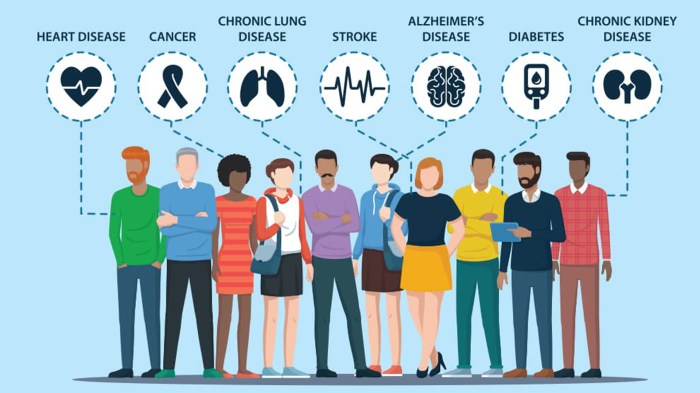
Impact of Chronic Diseases on Quality of Life
Chronic diseases can have a profound impact on an individual’s overall quality of life, affecting not only their physical health but also their emotional well-being and social interactions. These conditions often require long-term management and can lead to various complications, significantly impacting the daily life of those affected.
Common Chronic Diseases
- Diabetes: Individuals with diabetes need to constantly monitor their blood sugar levels, adhere to strict dietary restrictions, and may face complications such as nerve damage or vision problems.
- Hypertension: High blood pressure can increase the risk of heart disease, stroke, and kidney damage, requiring individuals to take medications and make lifestyle changes.
- Arthritis: Chronic pain and stiffness in the joints can limit mobility and impact daily activities, affecting the individual’s quality of life.
Physical, Emotional, and Social Implications
Living with a chronic disease can take a toll on a person’s physical health, leading to symptoms that may impact their ability to perform daily tasks and participate in activities they enjoy. The emotional burden of managing a chronic condition, dealing with pain, and facing uncertainties about the future can also contribute to feelings of anxiety, depression, and stress. Socially, individuals with chronic diseases may face stigma, isolation, and difficulties in maintaining relationships due to the limitations imposed by their condition.
Comparison with Individuals without Chronic Diseases
The quality of life of individuals with chronic diseases is often lower compared to those without such conditions. They may experience a reduced ability to engage in physical activities, increased healthcare costs, and a higher risk of comorbidities. The constant need for medical attention and lifestyle modifications can also impact their overall well-being and independence, affecting their quality of life in various aspects.
Mental Wellness
Maintaining mental wellness is crucial for individuals managing chronic diseases as it directly impacts their overall quality of life. The emotional and psychological aspects of dealing with a chronic illness can significantly affect a person’s well-being and ability to cope with their condition.
Importance of Mental Wellness
- Emotional Support: Managing a chronic illness can be overwhelming, leading to feelings of stress, anxiety, and depression. Prioritizing mental wellness can provide emotional support and coping strategies to navigate the challenges.
- Resilience: Building mental resilience can help individuals better cope with the uncertainties and setbacks associated with chronic diseases, enabling them to maintain a positive outlook and sense of control.
- Quality of Life: Mental wellness plays a key role in enhancing overall quality of life by promoting emotional stability, motivation, and a sense of well-being despite the limitations imposed by the illness.
Challenges and Strategies
- Challenges: Living with a chronic illness can lead to feelings of isolation, frustration, and a sense of loss due to changes in lifestyle and limitations in daily activities.
- Strategies for Maintaining Mental Wellness:
- Seeking Support: Connecting with support groups, mental health professionals, or loved ones can provide a valuable outlet for expressing emotions and receiving guidance.
- Self-Care: Engaging in activities that promote relaxation, such as meditation, exercise, or hobbies, can help reduce stress and improve mental well-being.
- Positive Thinking: Cultivating a positive mindset and focusing on gratitude and resilience can enhance mental wellness and coping mechanisms.
Impact on Quality of Life, Impact of chronic diseases on quality of life
- Interconnectedness: Mental wellness and quality of life are closely intertwined, with improvements in mental health leading to enhanced overall well-being and vice versa.
- Self-Management: Individuals with chronic diseases who prioritize mental wellness are better equipped to manage their condition effectively, leading to improved adherence to treatment and better health outcomes.
- Social Relationships: Maintaining mental wellness can also positively impact relationships with family, friends, and healthcare providers, fostering a supportive environment for holistic care and emotional well-being.
Physical Fitness
Regular exercise and physical fitness play a crucial role in managing chronic diseases and improving the overall quality of life for individuals suffering from these conditions. Exercise has been proven to have numerous benefits for both physical and mental health, making it an essential component of disease management.
Benefits of Regular Exercise for Chronic Conditions
- Improved cardiovascular health: Regular exercise can help strengthen the heart, improve circulation, and lower blood pressure, reducing the risk of heart-related complications for individuals with chronic conditions such as heart disease or diabetes.
- Enhanced flexibility and mobility: Engaging in exercises that focus on flexibility and mobility can help individuals with conditions like arthritis or osteoporosis maintain joint function and reduce pain.
- Weight management: Exercise can aid in weight loss or maintenance, which is important for managing chronic conditions like obesity, which can exacerbate other health issues.
- Mood regulation: Physical activity releases endorphins, which can help reduce stress, anxiety, and depression commonly experienced by individuals with chronic diseases.
Suitable Exercises for Different Chronic Diseases
- Cardiovascular exercises (e.g., walking, cycling, swimming) are beneficial for individuals with heart disease or diabetes.
- Strength training exercises (e.g., weightlifting, resistance bands) can help improve muscle strength and bone density for individuals with osteoporosis or arthritis.
- Low-impact exercises (e.g., yoga, Pilates, tai chi) are gentle on the joints and suitable for individuals with conditions like fibromyalgia or chronic pain.
- Aerobic exercises (e.g., dancing, aerobics classes) can improve lung function and overall fitness for individuals with respiratory conditions like asthma or COPD.
Improving Overall Well-being with Physical Fitness
Regular physical activity not only helps manage chronic diseases but also improves overall well-being and quality of life. It can boost energy levels, enhance sleep quality, and increase self-confidence and independence. By incorporating exercise into their routine, individuals with chronic conditions can experience a range of physical, mental, and emotional benefits that contribute to a better quality of life.
Healthy Eating
Eating a balanced diet is crucial in managing chronic diseases as it provides the necessary nutrients for the body to function optimally and helps in controlling symptoms and complications associated with these conditions.
Importance of a Balanced Diet in Managing Chronic Diseases
A balanced diet rich in fruits, vegetables, whole grains, lean proteins, and healthy fats is essential for individuals with chronic illnesses. These nutrients help in reducing inflammation, maintaining a healthy weight, managing blood sugar levels, and supporting overall health.
Guidelines for Healthy Eating Habits
– Include a variety of colorful fruits and vegetables in your meals to ensure a good intake of vitamins and minerals.
– Choose whole grains over refined grains for fiber content and sustained energy levels.
– Opt for lean proteins such as poultry, fish, beans, and nuts to support muscle health and repair.
– Limit the intake of processed foods, sugary beverages, and high-fat products to reduce the risk of exacerbating chronic conditions.
Impact of Nutrition on the Progression and Management of Chronic Conditions
Nutrition plays a significant role in the progression and management of chronic diseases. Poor dietary choices can worsen symptoms, increase inflammation, and lead to complications. On the other hand, a healthy diet can improve overall health, enhance immune function, and reduce the risk of developing secondary conditions.
Relationship Between Healthy Eating and Quality of Life
The relationship between healthy eating and quality of life for individuals with chronic diseases is profound. A well-balanced diet can improve energy levels, mood, and cognitive function, leading to a better quality of life. Furthermore, proper nutrition can help in managing symptoms effectively, reducing the need for medications, and promoting overall well-being.
Preventive Care
Preventive care plays a crucial role in reducing the impact of chronic diseases on quality of life by focusing on early detection and management of potential health issues.
Significance of Preventive Care
- Regular check-ups and screenings can help in the early identification of chronic conditions, allowing for timely intervention and treatment.
- Preventive measures such as vaccinations, healthy lifestyle choices, and disease screenings can significantly reduce the risk of developing chronic illnesses.
- By prioritizing preventive care, individuals can maintain better overall health, leading to improved quality of life and well-being.
Role of Regular Check-ups and Screenings
- Regular check-ups with healthcare providers enable monitoring of vital health indicators and early detection of any abnormalities.
- Screenings for conditions like hypertension, diabetes, and cancer can help in identifying risks at an early stage, allowing for prompt treatment and management.
- Early intervention through regular screenings can prevent the progression of chronic diseases and improve outcomes for patients.
Examples of Preventive Measures
- Engaging in regular physical activity and maintaining a balanced diet can help prevent obesity, a risk factor for many chronic conditions.
- Quitting smoking and limiting alcohol consumption can reduce the risk of developing heart disease, respiratory disorders, and certain types of cancer.
- Getting vaccinated against infectious diseases like influenza and pneumonia can lower the chances of contracting severe illnesses that may lead to long-term health issues.
Comparison of Quality of Life Outcomes
- Individuals who prioritize preventive care often experience fewer complications from chronic diseases, leading to a higher quality of life and increased longevity.
- In contrast, those who neglect preventive measures may face more advanced stages of illness, reduced functional abilities, and a lower overall quality of life.
- The proactive approach to health maintenance through preventive care can result in better health outcomes and a more fulfilling lifestyle in the long run.
Holistic Wellness
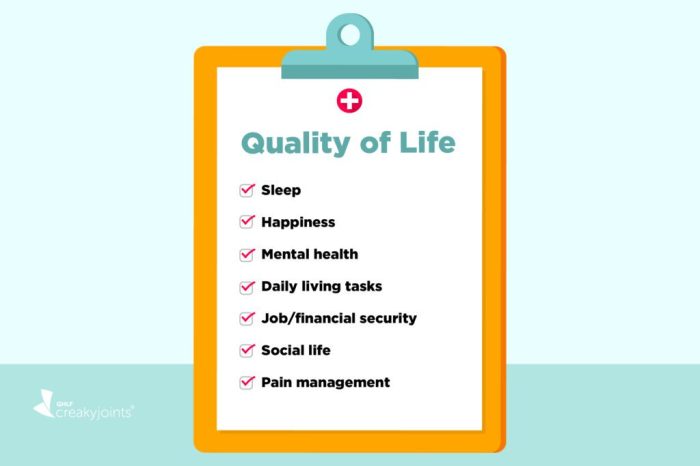
Holistic wellness encompasses the idea of treating the whole person, addressing physical, mental, and emotional well-being to achieve overall health. This approach is particularly relevant for individuals with chronic diseases as it acknowledges the interconnected nature of various aspects of health.
Benefits of Holistic Wellness for Individuals with Chronic Diseases
- Improved Quality of Life: By addressing physical, mental, and emotional health together, individuals with chronic diseases can experience an overall improvement in their quality of life.
- Enhanced Symptom Management: Holistic approaches often involve various techniques such as mindfulness, yoga, and nutrition counseling, which can help in managing symptoms of chronic conditions effectively.
- Promotion of Self-Care: Encouraging individuals to take care of their physical, mental, and emotional well-being empowers them to actively participate in their treatment and recovery process.
- Reduced Stress and Anxiety: Holistic practices like meditation and relaxation techniques can help in reducing stress and anxiety levels commonly associated with chronic diseases.
Immunity Boosters
Boosting immunity is crucial for individuals with chronic diseases as it helps in fighting off infections and maintaining overall health. A strong immune system can positively impact the management of chronic conditions by reducing the frequency and severity of flare-ups or complications.
Immunity-Boosting Foods, Supplements, and Lifestyle Practices
There are several ways to boost immunity naturally through diet, supplements, and lifestyle practices:
- Eating a diet rich in fruits, vegetables, whole grains, and lean proteins can provide essential vitamins and minerals that support immune function.
- Consuming foods high in antioxidants such as berries, nuts, and green leafy vegetables can help reduce inflammation and boost immunity.
- Getting regular exercise, managing stress levels, and getting adequate sleep are important lifestyle factors that can strengthen the immune system.
- Supplements like vitamin C, vitamin D, zinc, and probiotics can also help support immune health.
Relationship Between Immunity Levels and Quality of Life Outcomes
Maintaining optimal immunity levels is directly linked to better quality of life outcomes for individuals with chronic illnesses. A strong immune system can help prevent infections and complications, leading to fewer hospitalizations and improved overall well-being. By incorporating immunity-boosting foods, supplements, and lifestyle practices, individuals can better manage their chronic conditions and improve their quality of life.
FAQ Overview: Impact Of Chronic Diseases On Quality Of Life
How do chronic diseases affect quality of life?
Chronic diseases can significantly impact quality of life by affecting various aspects such as physical health, emotional well-being, and social interactions.
What are some common chronic diseases that have a major impact on quality of life?
Examples of common chronic diseases include diabetes, heart disease, arthritis, and asthma, among others.
How can mental wellness help in managing chronic diseases?
Maintaining mental wellness is crucial for individuals with chronic diseases as it can help in coping with the challenges and improving overall quality of life.
What role does physical fitness play in enhancing quality of life for individuals with chronic conditions?
Physical fitness is essential in managing chronic diseases as it can improve overall well-being, strengthen the body, and boost mental health.
Why is preventive care important in reducing the impact of chronic diseases on quality of life?
Preventive care helps in early detection and management of chronic conditions, leading to better quality of life outcomes for individuals.