Introduction to Combining Yoga and Physical Fitness
How to combine yoga and physical fitness – Integrating yoga with physical fitness can offer a wide range of benefits for overall health and well-being. Yoga, with its focus on breath control, flexibility, and mindfulness, can complement traditional exercise routines and enhance their effectiveness.
Enhanced Flexibility and Strength
By incorporating yoga poses and stretches into your fitness regimen, you can improve flexibility and build strength in muscles that may not be targeted by conventional workouts. The combination of yoga and physical fitness can help prevent injuries and enhance performance in various activities.
Mental Clarity and Stress Reduction
Yoga’s emphasis on mindfulness and relaxation techniques can help reduce stress levels and promote mental clarity. By combining yoga with physical exercise, individuals can experience a holistic approach to wellness that addresses both the physical and mental aspects of health.
Mental Wellness through Yoga and Physical Fitness
Yoga and physical fitness are not only beneficial for the body but also play a significant role in promoting mental well-being. The combination of yoga and traditional workouts can have a positive impact on mental health by reducing stress, improving mood, and enhancing overall mental clarity.
Comparing Mental Health Benefits of Yoga and Traditional Workouts
When it comes to mental health benefits, yoga and traditional workouts offer unique advantages that cater to different aspects of mental well-being. While traditional workouts focus on physical strength and endurance, yoga emphasizes mindfulness, relaxation, and inner peace. Here are some key differences:
- Yoga promotes mindfulness: Through breathwork and meditation, yoga helps individuals cultivate a sense of awareness and presence in the moment, reducing stress and anxiety levels.
- Traditional workouts boost endorphins: Physical exercises like running or weightlifting stimulate the release of endorphins, which are known as the “feel-good” hormones that can improve mood and reduce symptoms of depression.
- Yoga enhances mental clarity: The practice of yoga poses, such as child’s pose or legs up the wall, can help calm the mind, increase focus, and promote mental clarity.
Examples of Yoga Poses for Mental Relaxation and Clarity
Yoga offers a wide range of poses that are specifically designed to promote mental relaxation and clarity. Some examples include:
- Child’s Pose (Balasana): This gentle resting pose helps to calm the mind, relieve stress, and promote relaxation by allowing the body to surrender and the breath to flow smoothly.
- Legs Up the Wall Pose (Viparita Karani): By elevating the legs above the heart, this pose encourages relaxation, improves circulation, and reduces anxiety and fatigue.
- Corpse Pose (Savasana): Often practiced at the end of a yoga session, Savasana allows the body and mind to fully relax, promoting mental clarity and a sense of inner peace.
Physical Fitness Benefits: How To Combine Yoga And Physical Fitness
Regular physical fitness activities combined with yoga can significantly improve overall physical health. Yoga enhances flexibility, strength, and endurance, which are essential components of physical fitness. Moreover, incorporating yoga into a fitness routine can help prevent injuries during various physical activities.
Impact of Yoga on Flexibility, Strength, and Endurance
- Yoga poses focus on stretching and lengthening muscles, thereby increasing flexibility over time.
- Strength is developed through holding yoga poses that require engaging different muscle groups.
- Endurance is improved through the practice of flowing sequences that challenge cardiovascular fitness and stamina.
Preventing Injuries during Physical Activities
Yoga helps increase body awareness and proper alignment, reducing the risk of injuries during physical exercises or sports.
- Improved flexibility from yoga can prevent muscle strains and sprains.
- Enhanced strength can support joints and prevent overuse injuries.
- Increased endurance can help maintain proper form and technique, reducing the chances of accidents.
Healthy Eating for Yogis and Fitness Enthusiasts
When it comes to practicing yoga and physical fitness, maintaining a balanced diet is crucial for overall health and performance. A nutritious diet not only fuels your body for workouts but also aids in recovery and promotes overall well-being.
Importance of a Balanced Diet, How to combine yoga and physical fitness
A balanced diet provides the necessary nutrients, vitamins, and minerals that your body needs to function optimally. It helps in maintaining energy levels, supporting muscle growth and repair, and boosting immunity. When combined with yoga and physical fitness, a balanced diet can enhance your performance and help you achieve your fitness goals.
Nutritious Foods for Yogis and Fitness Enthusiasts
Here are some examples of nutritious foods that complement a yoga and fitness routine:
- Fruits and vegetables: Rich in vitamins, minerals, and antioxidants to support overall health.
- Whole grains: Provide sustained energy for workouts and aid in digestion.
- Lean proteins: Essential for muscle repair and growth, such as chicken, fish, tofu, and legumes.
- Healthy fats: Sources like nuts, seeds, and avocados help in nutrient absorption and provide energy.
- Hydration: Drinking an adequate amount of water is key to maintaining proper bodily functions and performance.
Diet’s Influence on Performance and Recovery
Your diet plays a significant role in how well you perform during physical activities and how quickly you recover afterward. Eating a balanced diet ensures that your body has the necessary nutrients to optimize performance, prevent fatigue, and aid in muscle recovery. It also helps in reducing inflammation and promoting overall wellness, allowing you to get the most out of your yoga and fitness routine.
Preventive Care Strategies
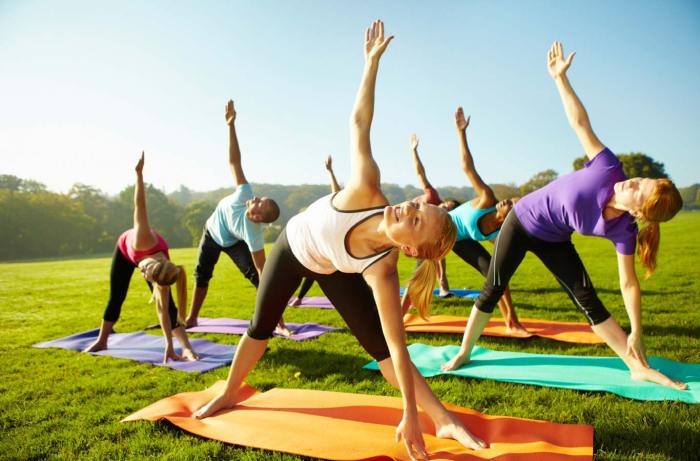
Regular physical activity and yoga practice can greatly benefit overall health and well-being. However, it’s important to incorporate preventive care strategies to avoid injuries and maintain a safe fitness routine.
Common Injuries in Yoga and Fitness
- Avoid overstretching: While flexibility is important, pushing your body beyond its limits can lead to muscle strains and joint injuries. Listen to your body and practice mindfulness during yoga poses.
- Proper form is key: Incorrect alignment during exercises can result in injuries. Take the time to learn the correct form from a certified instructor to prevent strains and sprains.
- Rest and recovery: Overtraining can lead to fatigue and increased risk of injuries. Allow your body to rest and recover adequately between workouts to prevent burnout and overuse injuries.
Role of Warm-Up Exercises
Warm-up exercises are crucial in preparing your body for more intense physical activity. They help increase blood flow to the muscles, improve flexibility, and reduce the risk of injuries during workouts.
Dynamic stretches, light cardio, and mobility exercises are effective warm-up routines to activate muscles and loosen joints before engaging in yoga or fitness workouts.
Immunity Boosters for Yogis and Fitness Enthusiasts
Maintaining a strong immune system is crucial for yogis and fitness enthusiasts to stay healthy and active. By incorporating specific practices and exercises into your routine, you can boost your immunity and protect your overall well-being.
Connection Between Immune Health and Regular Exercise
Regular physical activity, including yoga and fitness routines, plays a vital role in supporting immune function. Exercise helps improve circulation, reduce inflammation, and promote overall health, which can enhance the body’s ability to fight off infections and illnesses.
Yoga Poses and Exercises for Immune Function
- Sun Salutations: This dynamic sequence of yoga poses helps to improve blood circulation, stimulate the lymphatic system, and boost overall immunity.
- Twisting Poses: Twists aid in detoxification by wringing out toxins from the organs, promoting better immune function.
- Breathing Exercises (Pranayama): Practices like Kapalabhati and Anulom Vilom help to calm the mind, reduce stress, and strengthen the respiratory system, benefiting the immune system.
- Cardiovascular Exercises: Engaging in activities like running, cycling, or swimming can increase heart rate and circulation, supporting immune health.
Questions and Answers
Is yoga a good complement to traditional workouts?
Absolutely! Yoga can enhance flexibility, strength, and mental focus, making it an excellent addition to your physical fitness routine.
How does diet influence performance in physical activities?
A balanced diet plays a crucial role in fueling your body for exercise and aiding in recovery. Make sure to consume nutritious foods to support your yoga and fitness regimen.
What are some preventive care measures for injuries in yoga and fitness?
Warm-up exercises, proper form during workouts, and listening to your body are essential preventive care strategies to avoid injuries while practicing yoga and physical fitness.
Can yoga poses enhance immune function?
Yes, certain yoga poses can help boost immune function by stimulating circulation, reducing stress, and promoting overall well-being.