Introduction to Balancing Protein Intake: How To Balance Protein Intake In Your Diet
How to balance protein intake in your diet – Protein is an essential macronutrient that plays a crucial role in the body’s overall function and health. It is composed of amino acids, which are the building blocks of muscles, tissues, enzymes, and hormones. Balancing protein intake in your diet is essential to ensure you meet your body’s daily requirements for optimal performance and well-being.
The Importance of Balancing Protein Intake
Protein is necessary for the growth and repair of tissues, maintenance of muscle mass, and the production of enzymes and hormones. Without adequate protein intake, the body may experience negative consequences, such as muscle loss, weakened immune function, and slower wound healing.
- Protein aids in muscle growth and repair: Adequate protein intake is essential for building and repairing muscle tissues, especially after exercise or injury.
- Protein supports immune function: Amino acids from protein play a vital role in the immune system’s function, helping to fight off infections and illnesses.
- Protein promotes satiety: Protein-rich foods can help you feel full and satisfied, reducing the likelihood of overeating and supporting weight management.
Effects of Imbalanced Protein Intake
Consuming too little or too much protein can have negative effects on your health and well-being. An imbalance in protein intake can lead to various issues, such as:
- Muscle loss: Inadequate protein intake can result in muscle breakdown and loss of lean muscle mass.
- Impaired immune function: Not getting enough protein can weaken your immune system, making you more susceptible to infections.
- Weight gain: Excessive protein intake, especially from high-calorie sources, can contribute to weight gain and increase the risk of chronic diseases.
Determining Your Protein Needs
Determining your protein needs is crucial for maintaining optimal health and function. Several factors influence the amount of protein you should consume, including age, gender, activity level, and overall health. It is essential to calculate the ideal amount of protein intake based on individual needs to ensure proper nutrition and support bodily functions. Consuming too little or too much protein can have adverse effects on your health, making it important to strike a balance.
Factors Influencing Protein Requirements
- Age: Protein needs may vary depending on age, with children, adolescents, adults, and older adults requiring different amounts.
- Gender: Men generally require more protein than women due to differences in muscle mass and hormonal makeup.
- Activity Level: Those who are more physically active or engage in intense workouts may need higher protein intake to support muscle repair and growth.
- Overall Health: Certain health conditions or illnesses may increase protein requirements to aid in recovery and healing.
Calculating Ideal Protein Intake
One common guideline is to consume around 0.8 grams of protein per kilogram of body weight per day for the average adult. However, individual needs may vary.
- Calculate your protein needs based on your weight, activity level, and health goals.
- Consult with a healthcare provider or nutritionist for personalized recommendations.
- Keep track of your protein intake from various food sources to ensure you are meeting your daily requirements.
Risks of Consuming Too Little or Too Much Protein
- Too Little Protein:
- May lead to muscle loss, weakened immune function, and poor wound healing.
- Can result in fatigue, weakness, and nutrient deficiencies.
- Too Much Protein:
- May strain the kidneys and liver over time.
- Could contribute to weight gain if calorie intake exceeds energy needs.
Sources of Protein
Protein is an essential macronutrient that can be obtained from a variety of sources, both animal-based and plant-based. It is important to incorporate a mix of protein sources in your diet to ensure you are getting an adequate amount of this nutrient.
Animal-Based Protein Sources
- Meat: Examples include beef, pork, lamb, and venison.
- Poultry: Chicken, turkey, duck, and other fowl are good sources of protein.
- Fish: Salmon, tuna, sardines, and other seafood are rich in protein and healthy fats.
- Dairy: Milk, yogurt, cheese, and eggs are also sources of protein.
Plant-Based Protein Sources
- Legumes: Beans, lentils, chickpeas, and peas are excellent plant-based sources of protein.
- Nuts and Seeds: Almonds, walnuts, chia seeds, and flaxseeds are protein-rich options.
- Tofu: Made from soybeans, tofu is a versatile plant-based protein source.
It is important to note that while animal-based proteins are considered complete proteins, plant-based proteins may lack certain essential amino acids. By combining different plant-based protein sources, you can create a balanced amino acid profile similar to that of animal-based proteins.
Incorporating Protein into Meals
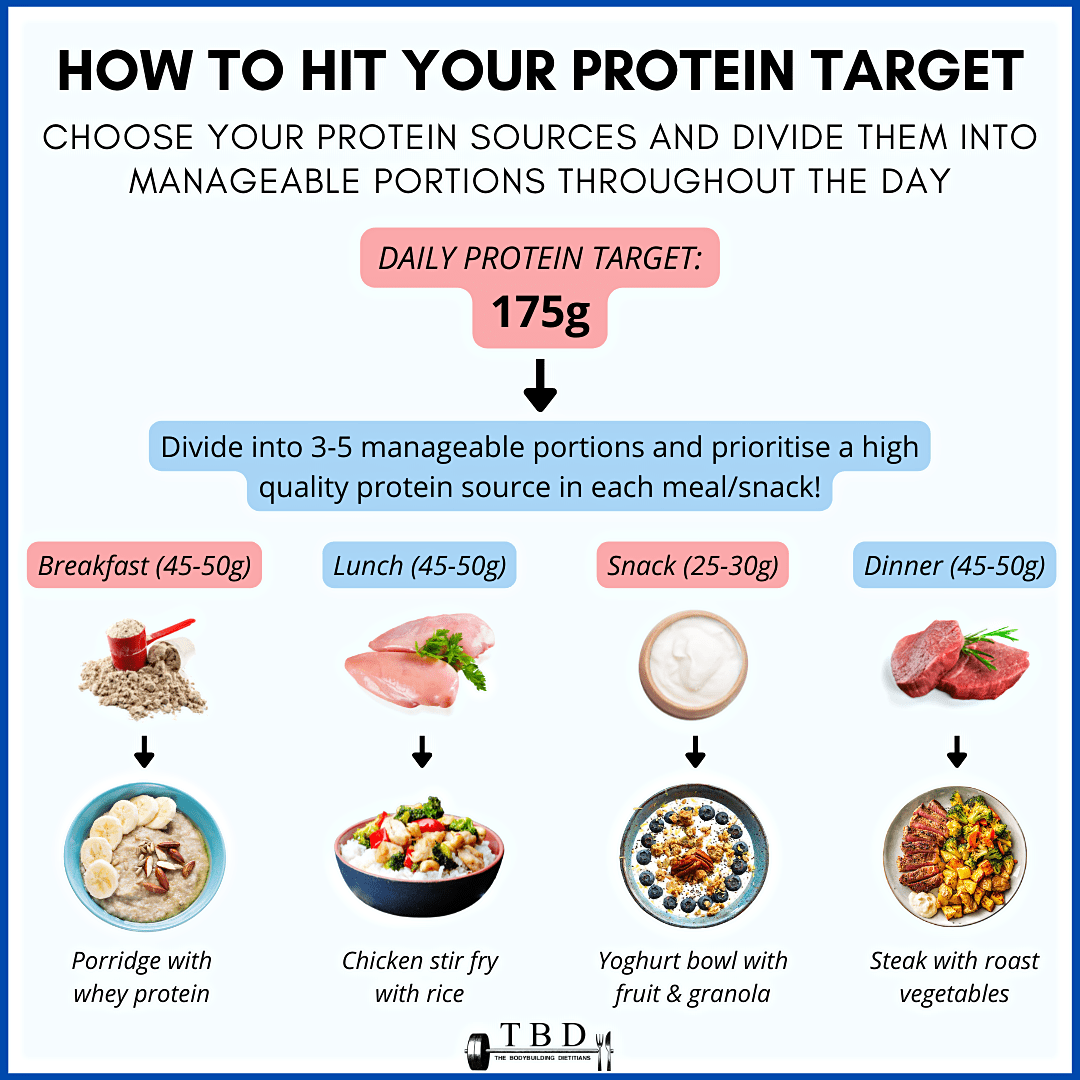
To ensure you meet your protein requirements throughout the day, it’s essential to incorporate protein into your meals in a balanced way. This not only helps in muscle recovery but also provides a well-rounded diet rich in essential nutrients.
Meal Ideas Rich in Protein
- Grilled chicken salad with quinoa and mixed veggies
- Salmon with roasted sweet potatoes and asparagus
- Greek yogurt parfait with nuts and fruits
Planning Protein-Rich Meals
- Include a protein source in every meal and snack to distribute intake evenly throughout the day.
- Opt for lean proteins like poultry, fish, tofu, or legumes to keep meals healthy and balanced.
- Pair proteins with complex carbohydrates and healthy fats for a well-rounded meal that satisfies hunger and provides sustained energy.
Timing Protein Intake Around Workouts, How to balance protein intake in your diet
To maximize muscle recovery and growth, it’s crucial to consume protein around your workout sessions. Aim to have a protein-rich snack or meal within 30 minutes to an hour post-exercise to replenish glycogen stores and support muscle repair. Additionally, including protein in pre-workout meals can help fuel your workout and enhance performance.
Monitoring Protein Intake
Properly tracking protein consumption is essential to ensure that you are meeting your daily requirements. By monitoring your protein intake, you can make necessary adjustments to your diet to achieve your health and fitness goals.
Utilizing Food Labels and Nutritional Information
One effective way to monitor your protein intake is by carefully reading food labels and nutritional information. These labels provide valuable details about the protein content in different food items, allowing you to keep track of how much protein you are consuming throughout the day.
Pay attention to the serving size listed on the label, as the protein content is often presented per serving. This information can help you calculate the total protein intake accurately.
Adjusting Protein Intake Based on Goals
It is important to adjust your protein intake based on your individual goals and lifestyle changes. For example, if you are increasing your physical activity levels or aiming to build muscle mass, you may need to consume more protein to support these objectives.
Consulting with a nutritionist or dietitian can provide personalized recommendations on how to adjust your protein intake according to your specific needs and goals.
Related Topics for Discussion
Protein intake goes beyond just physical health; it also plays a crucial role in mental wellness, physical fitness, healthy eating, preventive care, and overall balanced diet. Let’s explore some related topics in detail.
Mental Wellness
Protein intake is not only essential for physical health but also influences mental well-being. Amino acids from protein-rich foods are the building blocks for neurotransmitters that regulate mood and cognitive function.
Physical Fitness
Protein is vital for muscle repair and growth, making it essential for physical performance and fitness. Consuming an adequate amount of protein can help enhance muscle strength and endurance.
Healthy Eating
Balancing protein intake is a key aspect of maintaining a well-rounded diet. Proteins provide essential nutrients and energy, supporting overall health and wellness when incorporated into meals appropriately.
Preventive Care
Protein plays a crucial role in preventing nutritional deficiencies and promoting overall health. By ensuring a sufficient intake of protein, you can support your body’s immune system and prevent various health issues.
Balanced Diet
Achieving a balanced diet involves incorporating adequate protein along with other essential nutrients. Balancing protein intake with carbohydrates, fats, vitamins, and minerals is essential for overall health and well-being.
Regular Exercise
Protein is vital for supporting an active lifestyle and exercise routine. It helps repair and build muscle tissue, aids in recovery after workouts, and provides the necessary energy for physical activity.
Mental Health
The effects of protein intake on mood and cognitive function are significant. A well-balanced diet with sufficient protein can positively impact mental health by supporting neurotransmitter function and overall brain health.
Holistic Wellness
Protein intake is a crucial component of a holistic approach to well-being. It contributes to physical, mental, and emotional health, playing a vital role in achieving overall wellness and balance in life.
Chronic Diseases
Consuming adequate protein is essential for preventing chronic diseases. Protein-rich foods contain essential nutrients that support immune function, metabolic processes, and overall health, reducing the risk of developing chronic conditions.
Immunity Boosters
Protein-rich foods can act as immunity boosters by providing essential amino acids and nutrients that support the body’s immune system. Including a variety of protein sources in your diet can help strengthen your body’s defenses against infections and illnesses.
FAQ Resource
What are some common signs of a protein deficiency?
Signs of a protein deficiency include muscle loss, frequent infections, slow wound healing, and fatigue.
Can you consume too much protein?
Yes, consuming excessive protein can strain the kidneys and lead to dehydration. It’s important to find the right balance.
Are plant-based proteins as effective as animal-based proteins?
Yes, plant-based proteins can be just as effective as animal-based proteins when combined properly to ensure all essential amino acids are obtained.