Mental Wellness
Regular exercise is not only beneficial for physical health but also plays a crucial role in maintaining mental wellness. A healthy mind is essential for overall well-being, as it impacts how we think, feel, and act in our daily lives. Incorporating exercise into a busy schedule can significantly improve mental health and help manage stress, anxiety, and depression.
Importance of Mental Wellness
- Enhances cognitive function and memory
- Boosts mood and reduces symptoms of anxiety and depression
- Improves sleep quality and overall mental clarity
Regular Exercise and Mental Well-being
Regular physical activity releases endorphins, also known as “feel-good” hormones, which can elevate mood and reduce feelings of stress and anxiety. Exercise also helps in increasing blood flow to the brain, promoting the growth of new brain cells and improving overall cognitive function.
Tips for Incorporating Mindfulness Practices
- Start your day with a short meditation or breathing exercise
- Take short breaks during the day to practice mindfulness and focus on the present moment
- Combine exercise with mindfulness by practicing yoga or tai chi
- Avoid multitasking and focus on one task at a time to reduce stress and improve concentration
Physical Fitness

Regular physical exercise is crucial for busy individuals as it not only helps in maintaining a healthy weight and reducing the risk of chronic diseases but also improves overall mood and energy levels. Incorporating quick yet effective workouts into a busy schedule can make a significant difference in one’s physical well-being.
Benefits of Physical Fitness for Busy Individuals
- Improved cardiovascular health and reduced risk of heart disease
- Enhanced strength and flexibility, reducing the risk of injuries
- Boosted metabolism, aiding in weight management
- Increased energy levels and improved mood through the release of endorphins
Quick and Effective Workouts
Regular exercise ideas for busy schedules – For busy schedules, consider the following workouts that can be done in a short amount of time:
- High-Intensity Interval Training (HIIT) – Short bursts of intense exercise followed by brief rest periods
- Bodyweight exercises like squats, lunges, push-ups, and planks
- Tabata workouts – 20 seconds of high-intensity exercise followed by 10 seconds of rest, repeated for 4 minutes
- Jumping jacks, burpees, or skipping rope for cardiovascular benefits
Significance of Staying Active Throughout the Day
Even if you have a busy schedule, finding ways to stay active throughout the day is essential for maintaining physical fitness. Simple strategies like taking the stairs instead of the elevator, going for short walks during breaks, or incorporating standing desks can help in staying active and avoiding prolonged sitting.
Healthy Eating
Eating a nutritious diet is essential for supporting a busy lifestyle. Proper nutrition provides the energy and nutrients needed to stay focused, productive, and healthy throughout the day.
Tips for Meal Prepping and Planning
Meal prepping and planning can be a lifesaver for busy days. Here are some tips to help you stay on track:
- Set aside time each week to plan your meals and snacks.
- Choose simple recipes that can be prepared in advance and easily reheated.
- Invest in quality food storage containers to keep your meals fresh and organized.
- Include a variety of fruits, vegetables, lean proteins, and whole grains in your meal prepping.
- Prepare grab-and-go snacks like cut-up veggies, nuts, or yogurt for busy days.
Importance of Balanced Meals
Balanced meals are crucial for maintaining sustained energy levels throughout the day. A balanced meal should include a combination of carbohydrates, proteins, and fats to keep you feeling full and satisfied. Remember to:
- Include a source of lean protein in each meal to support muscle growth and repair.
- Incorporate complex carbohydrates like whole grains and vegetables for lasting energy.
- Don’t forget healthy fats from sources like avocados, nuts, and olive oil to support brain function and hormone production.
- Stay hydrated by drinking plenty of water throughout the day to support digestion and overall health.
Preventive Care
Regular exercise is not only essential for physical fitness but also serves as a crucial aspect of preventive care. By incorporating exercise into a busy schedule, individuals can proactively maintain their health and reduce the risk of various illnesses and conditions.
Regular Exercise as Preventive Care
- Exercise helps strengthen the immune system, making individuals less susceptible to infections and diseases.
- Regular physical activity can lower the risk of chronic conditions such as heart disease, diabetes, and obesity.
- Exercise promotes mental well-being and can reduce the risk of anxiety, depression, and other mental health issues.
- Engaging in regular exercise can improve overall quality of life and increase longevity.
Strategies for Fitting Preventive Health Appointments into a Busy Schedule
- Prioritize preventive health appointments by scheduling them in advance and treating them as non-negotiable commitments.
- Utilize telemedicine options for virtual consultations with healthcare providers to save time and avoid travel to appointments.
- Combine preventive health appointments with other errands or tasks to maximize efficiency and minimize disruptions to your schedule.
- Take advantage of lunch breaks or early morning slots for appointments to avoid conflicts with work or other obligations.
Balanced Diet
A balanced diet is crucial for maintaining overall well-being as it provides the necessary nutrients our bodies need to function properly. This includes a mix of carbohydrates, proteins, fats, vitamins, and minerals in appropriate proportions.
Foods to Support a Busy Schedule
- Pre-cut fruits and vegetables for quick and easy snacks
- Trail mix or nuts for a protein-packed snack on the go
- Greek yogurt for a filling and nutritious option
- Canned tuna or salmon for a convenient source of omega-3 fatty acids
- Whole grain crackers or rice cakes for a fiber boost
Importance of Hydration
Staying hydrated is a key component of maintaining a balanced diet. Water helps transport nutrients, regulate body temperature, and flush out toxins. Aim to drink at least 8 cups of water per day, and more if you are active or live in a hot climate.
Regular Exercise
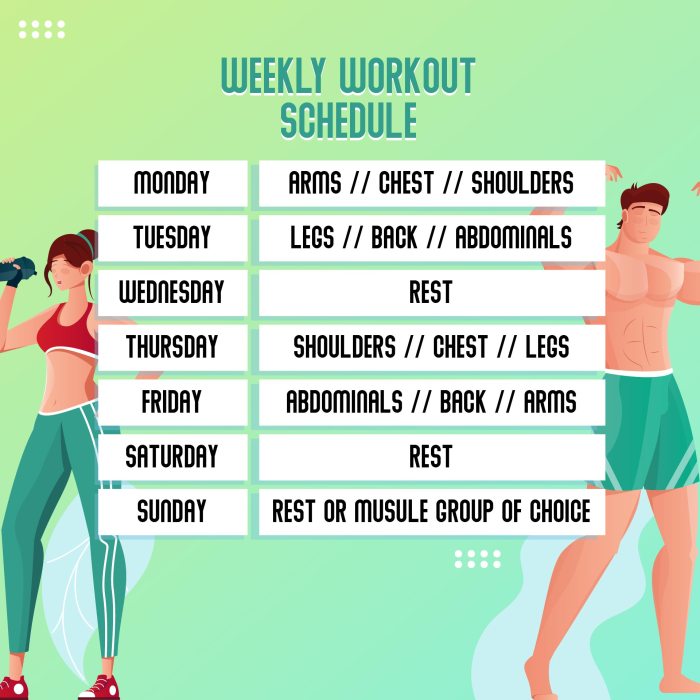
Regular exercise is crucial for maintaining overall health and well-being, even with a busy schedule. Incorporating exercise into your routine comes with a multitude of benefits, including improved physical fitness, mental clarity, stress relief, and increased energy levels.
Benefits of Regular Exercise
- Enhanced cardiovascular health and reduced risk of chronic diseases
- Improved mood and mental well-being
- Boosted metabolism and weight management
- Increased strength, flexibility, and endurance
Time-Efficient Workouts
- High-Intensity Interval Training (HIIT): Short bursts of intense exercise followed by brief rest periods
- Tabata: Four-minute workout consisting of 20 seconds of high-intensity exercise and 10 seconds of rest
- Bodyweight exercises: Push-ups, squats, lunges, and planks can be done anywhere with no equipment
Importance of Consistency
Regular exercise is most effective when done consistently. By establishing a routine and sticking to it, you can maximize the benefits of physical activity. Consistency helps build healthy habits, improves overall fitness levels, and ensures long-term success in achieving your health and wellness goals.
Mental Health: Regular Exercise Ideas For Busy Schedules
Regular exercise has a profound impact on mental health. Engaging in physical activity not only benefits the body but also has positive effects on the mind. Exercise can help in reducing symptoms of depression, anxiety, and stress, while also improving overall mood and well-being.
Connection between regular exercise and mental health
Regular exercise promotes the release of endorphins, often referred to as the “feel-good” hormones. These endorphins act as natural mood lifters, reducing feelings of stress and anxiety. Additionally, exercise can improve sleep quality, boost self-esteem, and increase cognitive function, all of which contribute to better mental health.
Role of physical activity in managing stress and anxiety
Physical activity serves as a powerful stress reliever by reducing levels of cortisol, the stress hormone, in the body. Engaging in exercise can help individuals cope with daily stressors, providing a healthy outlet for pent-up emotions. The act of focusing on physical activity can also divert attention from negative thoughts, promoting mental relaxation.
Tips on creating a supportive environment for mental health well-being
- Acknowledge and express emotions: Encourage open communication about feelings and emotions to foster a supportive environment.
- Establish a routine: Incorporating regular exercise into daily schedules can provide structure and stability, promoting mental well-being.
- Practice mindfulness: Engage in activities like yoga or meditation to enhance self-awareness and reduce stress levels.
- Connect with others: Build strong social connections to combat feelings of isolation and loneliness, promoting mental health.
- Seek professional help when needed: Encourage individuals to reach out to mental health professionals for support and guidance.
Holistic Wellness
Holistic wellness is a concept that focuses on achieving overall health and well-being by addressing the physical, mental, emotional, and spiritual aspects of an individual. It emphasizes the interconnectedness of these different elements and how they influence each other to create a balanced and healthy lifestyle.
Integrating Physical Activity, Nutrition, and Mental Wellness, Regular exercise ideas for busy schedules
Integrating physical activity, nutrition, and mental wellness is essential for achieving holistic well-being. Regular exercise helps improve physical health, reduce stress, and boost mental well-being. A balanced diet provides the necessary nutrients for overall health and supports mental clarity. Mental wellness practices such as meditation, mindfulness, and stress management techniques help in maintaining emotional balance and resilience.
- Engage in a variety of physical activities to keep your exercise routine interesting and effective.
- Plan and prepare nutritious meals in advance to ensure you’re fueling your body with the right nutrients.
- Practice mindfulness and relaxation techniques to reduce stress and improve mental well-being.
Chronic Diseases
Regular exercise plays a crucial role in preventing chronic diseases by improving overall health and reducing the risk of developing conditions such as heart disease, diabetes, and hypertension. By engaging in physical activity, individuals can maintain a healthy weight, lower blood pressure, and improve cholesterol levels, all of which are essential in preventing chronic illnesses.
Impact of Lifestyle Factors
- Lack of physical activity: Sedentary lifestyles contribute to the development of chronic diseases such as obesity, diabetes, and cardiovascular issues.
- Poor diet: Consuming high amounts of processed foods, sugar, and unhealthy fats can increase the risk of chronic conditions.
- Smoking and alcohol consumption: These habits can exacerbate the risk of developing chronic diseases like cancer, heart disease, and liver issues.
Managing Chronic Conditions
Regular exercise, combined with lifestyle changes, can help individuals manage chronic conditions effectively. By incorporating physical activity into their daily routine, maintaining a balanced diet, and avoiding harmful habits, individuals can improve their overall health and quality of life. It is essential to consult healthcare professionals for personalized guidance and support in managing chronic illnesses through a holistic approach.
Immunity Boosters
Regular exercise and a strong immune system go hand in hand. Exercise helps to boost the immune system by promoting good circulation, which allows immune cells to move freely throughout the body and do their job effectively. Additionally, physical activity can help to reduce inflammation, which is linked to many chronic diseases and can weaken the immune response.
Nutrition for Immune Health
Proper nutrition is essential for supporting immune health. Eating a balanced diet rich in fruits, vegetables, whole grains, lean proteins, and healthy fats can provide the vitamins, minerals, and antioxidants needed to keep the immune system functioning optimally. Foods like citrus fruits, red bell peppers, almonds, spinach, and yogurt are known for their immune-boosting properties.
Incorporating Immune-Boosting Activities into a Busy Schedule
– Aim to include at least 30 minutes of moderate exercise most days of the week, even if it means breaking it up into shorter sessions throughout the day.
– Prioritize sleep to allow your body to rest and recover, as lack of sleep can weaken the immune system.
– Stay hydrated by drinking plenty of water throughout the day to support overall health and immune function.
– Manage stress through techniques like deep breathing, meditation, yoga, or spending time in nature, as chronic stress can suppress the immune system.
– Consider taking immune-boosting supplements like vitamin C, vitamin D, zinc, and probiotics, but always consult with a healthcare provider before adding new supplements to your routine.
FAQ Resource
How can I find time for exercise in a busy schedule?
Try incorporating short workouts during breaks or waking up earlier to fit in some physical activity before your day gets busy.
What are some quick yet effective workouts for busy individuals?
High-intensity interval training (HIIT), bodyweight exercises, and quick cardio sessions are great options for busy schedules.
How important is consistency in a regular exercise routine?
Consistency is key to seeing long-term benefits from exercise. Aim to establish a routine and stick to it as much as possible.
Can regular exercise really help with managing stress and anxiety?
Absolutely! Physical activity releases endorphins that can help reduce stress and improve your mood, making it a great tool for managing mental health.