Mental Health Tips for Improving Sleep Quality
Mental health tips for improving sleep quality – Ensuring good mental health is crucial for achieving quality sleep. Here are some strategies to help reduce anxiety, establish a bedtime routine, create a calming sleep environment, and incorporate mindfulness or meditation for better sleep:
Reducing Anxiety Before Bedtime
- Avoid stimulants like caffeine and nicotine close to bedtime.
- Practice relaxation techniques such as deep breathing exercises or progressive muscle relaxation.
- Write down your worries or thoughts in a journal to clear your mind before sleep.
Establishing a Bedtime Routine
- Go to bed and wake up at the same time every day, even on weekends.
- Engage in calming activities before bed, such as reading a book or taking a warm bath.
- Avoid screens and stimulating activities before bedtime.
Creating a Calming Sleep Environment
- Keep your bedroom cool, dark, and quiet for optimal sleep conditions.
- Invest in a comfortable mattress and pillows that support good sleep posture.
- Avoid clutter in your bedroom to promote a sense of relaxation and calm.
Role of Mindfulness or Meditation
- Practice mindfulness techniques like body scans or guided meditation to relax the mind and body before sleep.
- Focus on your breath and stay present in the moment to reduce racing thoughts and anxiety.
- Use meditation apps or guided sleep meditations to aid in falling asleep peacefully.
Physical Fitness and Sleep Quality
Regular exercise has been proven to have a positive impact on sleep patterns. Engaging in physical activity can help regulate the body’s internal clock, known as the circadian rhythm, which plays a crucial role in determining when we feel sleepy and when we wake up. Additionally, exercise can reduce stress and anxiety levels, which are common culprits of poor sleep quality.
Best Types of Exercises for Promoting Better Sleep
- Aerobic exercises such as running, cycling, or swimming are great options for improving sleep quality. These activities help increase the production of endorphins, which are known to promote relaxation and reduce stress.
- Strength training exercises like weightlifting or bodyweight exercises can also contribute to better sleep. Building muscle mass has been linked to improved sleep patterns and overall sleep quality.
- Yoga and stretching exercises are excellent choices for promoting relaxation and reducing muscle tension, both of which can help prepare the body for a restful night’s sleep.
Connection Between Physical Activity and Improved Sleep Quality
Regular physical activity can help regulate the production of hormones such as cortisol and melatonin, which play key roles in the sleep-wake cycle. Exercise can also increase body temperature, and the subsequent cooling down process can signal to the body that it’s time to rest, making it easier to fall asleep and stay asleep throughout the night.
Healthy Eating Habits for Better Sleep
Eating the right foods and maintaining healthy eating habits can significantly impact the quality of your sleep.
Foods that Promote Better Sleep
- Cherries: Rich in melatonin, a hormone that regulates sleep-wake cycles.
- Almonds: Contain magnesium, which helps relax muscles and promote sleep.
- Bananas: High in potassium and magnesium, which are natural muscle relaxants.
- Fatty Fish: Sources of omega-3 fatty acids that may help improve sleep quality.
- Whole Grains: Provide a steady release of serotonin, promoting relaxation and sleep.
Avoiding Heavy Meals Before Bed
Avoiding heavy, rich meals close to bedtime is essential for better sleep quality. Large meals can lead to indigestion and discomfort, making it harder to fall asleep and stay asleep throughout the night.
The Impact of Caffeine and Alcohol
Caffeine: Consuming caffeine, especially in the afternoon or evening, can disrupt your sleep cycle. It is a stimulant that can keep you awake and reduce the quality of your sleep.
Alcohol: While alcohol may initially make you feel drowsy, it can disrupt your sleep cycle and lead to fragmented sleep. It is best to limit alcohol consumption, especially close to bedtime, for better sleep quality.
Preventive Care Practices for Quality Sleep
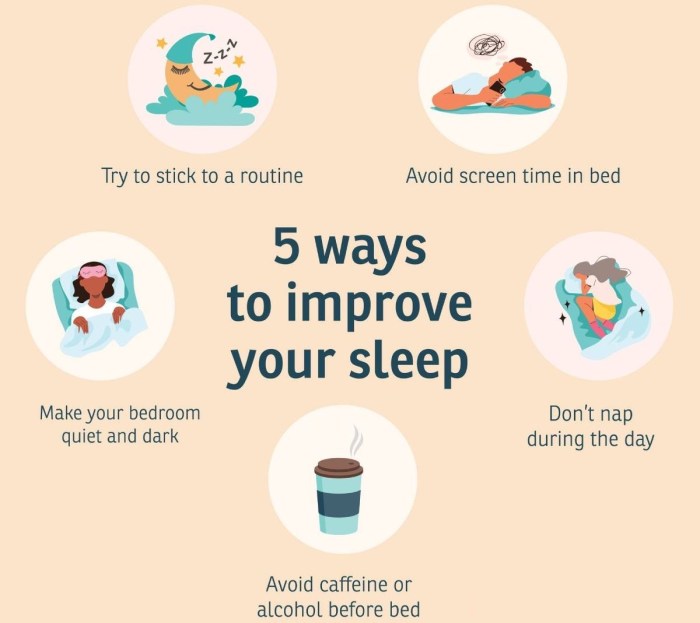
Maintaining a consistent sleep schedule, practicing relaxation techniques, and managing stress are crucial for ensuring quality sleep and overall well-being.
Importance of Maintaining a Consistent Sleep Schedule
Consistency in your sleep schedule helps regulate your body’s internal clock, known as the circadian rhythm. Going to bed and waking up at the same time every day can improve the quality of your sleep by ensuring that you get enough restorative rest each night.
Role of Relaxation Techniques in Improving Sleep
- Practice deep breathing exercises or meditation before bedtime to calm your mind and prepare your body for sleep.
- Engage in gentle stretching or yoga to release tension in your muscles and promote relaxation.
- Try progressive muscle relaxation techniques to reduce physical and mental stress, helping you fall asleep more easily.
Tips for Managing Stress to Prevent Sleep Disturbances
- Establish a bedtime routine that includes activities like reading, taking a warm bath, or listening to soothing music to unwind before sleep.
- Avoid caffeine, alcohol, and heavy meals close to bedtime, as these can disrupt your sleep and increase stress levels.
- Practice mindfulness or journaling to express your thoughts and emotions, reducing anxiety and promoting a peaceful state of mind for restful sleep.
Balanced Diet and Sleep Quality
Maintaining a well-balanced diet is essential for overall health, including quality sleep. The foods we eat can have a significant impact on our sleep patterns and overall well-being.
Importance of Nutritional Deficiencies on Sleep Quality
Nutritional deficiencies can disrupt our sleep quality and lead to issues such as insomnia or restless sleep. For example, a lack of magnesium can contribute to poor sleep quality, while low levels of vitamin D have been linked to sleep disturbances. It’s crucial to ensure that we are getting all the necessary nutrients through our diet to support a good night’s sleep.
Tips for Timing Meals to Optimize Sleep
- Avoid heavy meals close to bedtime, as it can lead to indigestion and disrupt sleep.
- Try to have your last meal at least 2-3 hours before going to bed to allow for proper digestion.
- Include foods rich in tryptophan, such as turkey, nuts, and seeds, in your dinner to promote the production of sleep-inducing hormones.
- Limit caffeine and alcohol intake in the evening, as they can interfere with your sleep cycle.
Regular Exercise and Its Impact on Sleep
Regular exercise plays a crucial role in improving sleep quality and duration. Physical activity has been linked to better sleep patterns and overall well-being. Let’s delve deeper into the benefits of incorporating exercise into your daily routine for better sleep.
Relationship between Physical Activity and Sleep Duration
Regular exercise helps regulate your internal body clock, also known as the circadian rhythm, which is essential for maintaining a healthy sleep-wake cycle. Engaging in physical activity can help you fall asleep faster, experience deeper sleep, and reduce instances of waking up during the night. Studies have shown that individuals who exercise regularly tend to enjoy longer and more restful sleep compared to those who lead a sedentary lifestyle.
Strategies for Incorporating Exercise into Daily Routines for Better Sleep
– Schedule your workouts at a consistent time each day to establish a routine.
– Choose activities that you enjoy, whether it’s jogging, yoga, dancing, or swimming.
– Aim for at least 150 minutes of moderate-intensity exercise per week, as recommended by health authorities.
– Avoid vigorous exercise close to bedtime, as it may stimulate your body and make it harder to wind down for sleep.
Connection between Improved Fitness Levels and Sleep Quality
Regular exercise not only promotes better sleep but also enhances overall fitness levels. Improved cardiovascular health, reduced stress levels, and a boosted mood are just some of the benefits of staying physically active. As your fitness levels improve, you may notice that your sleep quality also enhances, leading to a more refreshed and energized feeling upon waking up.
Mental Health and Sleep Quality
Mental health plays a crucial role in determining the quality of sleep an individual gets. Various mental health conditions can significantly impact sleep patterns, making it essential to address these issues for better sleep quality.
Impact of Mental Health on Sleep Patterns
Conditions such as anxiety, depression, PTSD, and stress can disrupt normal sleep cycles, leading to difficulties falling asleep, staying asleep, or experiencing restful sleep. These mental health issues can cause insomnia, nightmares, or other sleep disorders, affecting overall well-being.
Coping Mechanisms for Managing Mental Health Issues
- Practice relaxation techniques like deep breathing, meditation, or yoga to reduce stress and anxiety levels before bedtime.
- Establish a consistent bedtime routine to signal the body that it’s time to wind down and prepare for sleep.
- Engage in regular physical exercise, which can help improve mood, reduce symptoms of depression, and promote better sleep.
- Seek therapy or counseling to address underlying mental health concerns professionally and learn coping strategies to manage symptoms effectively.
Importance of Seeking Professional Help
It is crucial to seek professional help for mental health concerns that are impacting sleep quality. Therapists, counselors, or psychiatrists can provide proper diagnosis, treatment, and support tailored to individual needs. Addressing mental health issues not only improves sleep quality but also enhances overall quality of life.
Holistic Wellness Approaches for Better Sleep
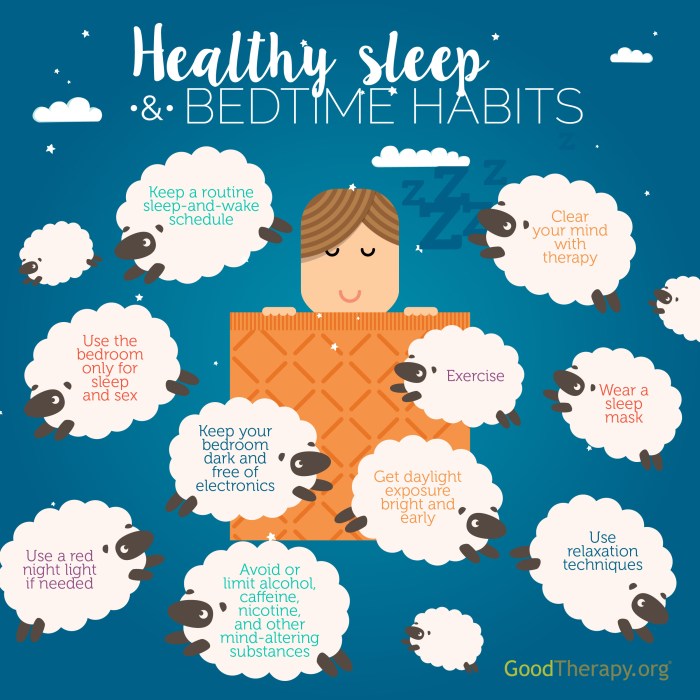
Holistic wellness approaches encompass a wide range of practices aimed at promoting overall well-being, including physical, mental, and emotional health. When it comes to improving sleep quality, holistic techniques such as acupuncture and aromatherapy have shown promising results in helping individuals achieve a restful night’s sleep.
Acupuncture for Promoting Sleep
Acupuncture, an ancient Chinese healing practice, involves the insertion of thin needles into specific points on the body to promote balance and alleviate various health issues. When it comes to sleep, acupuncture has been found to help regulate the body’s natural sleep-wake cycle and reduce insomnia symptoms. By targeting specific energy pathways in the body, acupuncture can help improve overall sleep quality and promote relaxation.
Aromatherapy for Better Sleep
Aromatherapy involves the use of essential oils extracted from plants to promote physical and psychological well-being. Certain essential oils, such as lavender and chamomile, are known for their calming and sleep-inducing properties. By using aromatherapy techniques like diffusing essential oils in the bedroom or adding them to a warm bath before bedtime, individuals can create a soothing environment that promotes relaxation and better sleep quality.
Benefits of Integrating Holistic Wellness Techniques
Integrating holistic wellness techniques into a sleep routine can offer a range of benefits beyond just improving sleep quality. These practices can help reduce stress, alleviate anxiety, and promote overall relaxation, leading to better mental and physical health. By taking a holistic approach to sleep, individuals can address underlying issues that may be affecting their ability to rest and rejuvenate during the night.
Personal Experiences with Holistic Approaches
Many individuals have reported success in improving their sleep quality through holistic approaches like acupuncture and aromatherapy. By incorporating these practices into their daily routines, they have experienced fewer sleep disturbances, increased relaxation, and a greater sense of well-being. Personal stories and testimonials highlight the effectiveness of holistic wellness techniques in promoting better sleep and overall health.
Chronic Diseases and Sleep Quality
Chronic diseases can have a significant impact on sleep quality and overall health. Conditions such as diabetes, heart disease, arthritis, and chronic pain can lead to sleep disturbances, making it challenging to get a good night’s rest. Managing sleep problems associated with chronic illnesses is crucial for improving quality of life and overall well-being. Here are some strategies to help individuals cope with sleep disturbances caused by chronic diseases:
Strategies for Managing Sleep Disturbances, Mental health tips for improving sleep quality
- Establish a consistent sleep schedule: Going to bed and waking up at the same time every day can help regulate your body’s internal clock and improve sleep quality.
- Create a relaxing bedtime routine: Engage in calming activities before bed, such as reading a book, taking a warm bath, or practicing mindfulness techniques to signal to your body that it’s time to wind down.
- Avoid stimulants and heavy meals close to bedtime: Caffeine, nicotine, and large meals can interfere with your ability to fall asleep, so it’s best to avoid them in the hours leading up to bedtime.
- Manage stress: Chronic illnesses can be stressful, so finding healthy ways to cope with stress, such as meditation, yoga, or deep breathing exercises, can help improve sleep quality.
Tips for Improving Sleep Quality with a Chronic Condition
- Consult with your healthcare provider: Talk to your doctor about your sleep difficulties and work together to develop a treatment plan that addresses both your chronic illness and sleep disturbances.
- Stay physically active: Regular exercise can help improve sleep quality and overall health, but be sure to choose activities that are safe and appropriate for your condition.
- Create a sleep-conducive environment: Make your bedroom a comfortable and relaxing space by keeping it cool, dark, and quiet to promote better sleep.
- Consider cognitive behavioral therapy for insomnia (CBT-I): CBT-I is a structured program that helps individuals identify and change behaviors that contribute to sleep problems, making it an effective treatment for insomnia associated with chronic diseases.
Immunity Boosters and Sleep Quality
Poor sleep quality can have a significant impact on our immune system, making us more susceptible to illnesses and infections. Adequate and restful sleep plays a crucial role in supporting our body’s immune function and overall health. Here are some tips for enhancing immunity through improved sleep quality:
How Sleep Impacts the Immune System
- During sleep, our body produces cytokines, a type of protein that helps regulate our immune response to infections and inflammation.
- Lack of sleep can lead to a decrease in cytokine production, weakening our immune system’s ability to fight off pathogens.
- Chronic sleep deprivation can also increase inflammation in the body, putting additional stress on the immune system.
Connection Between Adequate Sleep and Immune Function
- Adequate sleep helps in the production of antibodies and immune cells that are essential in combating infections.
- Quality sleep also supports the function of T cells, which play a crucial role in identifying and destroying infected cells in the body.
- Research has shown that individuals who get enough sleep are less likely to get sick compared to those who are sleep deprived.
Tips for Enhancing Immunity Through Improved Sleep Quality
- Establish a consistent sleep schedule and aim for 7-9 hours of quality sleep each night.
- Create a relaxing bedtime routine to signal to your body that it’s time to wind down and prepare for sleep.
- Avoid stimulants like caffeine and electronic devices before bedtime, as they can disrupt your sleep patterns.
- Ensure your sleep environment is conducive to rest, with a comfortable mattress, pillows, and a cool, dark room.
- Practice stress-reducing activities like meditation or deep breathing exercises to calm your mind before sleep.
Clarifying Questions
How can I reduce anxiety before bedtime?
To reduce anxiety before bedtime, try relaxation techniques like deep breathing, meditation, or gentle yoga exercises.
What are the best foods for promoting better sleep?
Foods like almonds, kiwi, chamomile tea, and warm milk can help promote better sleep due to their calming and sleep-inducing properties.
How does chronic illness affect sleep quality?
Chronic illnesses can disrupt sleep patterns and overall health due to symptoms like pain, discomfort, or medication side effects. It’s important to work with healthcare professionals to manage these challenges effectively.