Healthy Eating on a Budget
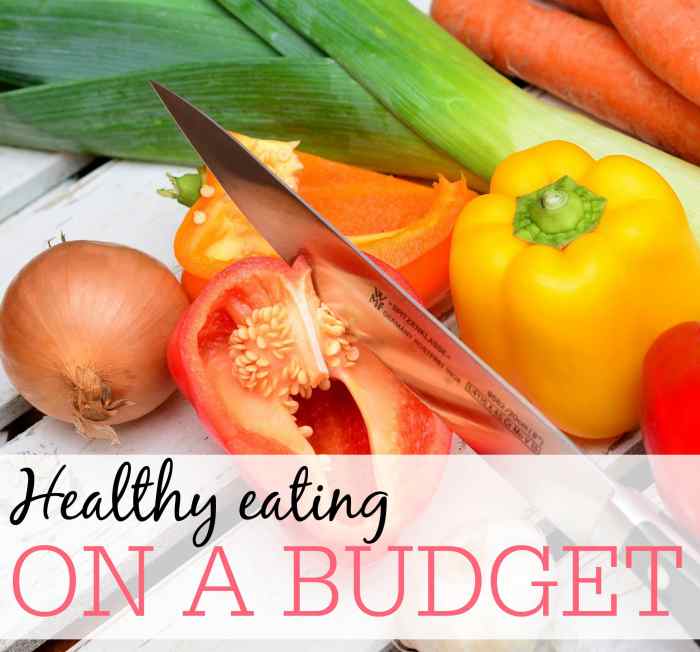
Eating healthy doesn’t have to break the bank. By incorporating smart shopping techniques and meal planning strategies, you can enjoy nutritious meals while staying within your budget.
Practical Strategies for Grocery Shopping on a Budget
When shopping on a budget, it’s essential to focus on buying whole foods like fruits, vegetables, whole grains, and lean proteins. Look for sales, discounts, and coupons to maximize savings. Buying in bulk can also be cost-effective, especially for items like rice, beans, and oats.
Affordable Yet Nutritious Food Options
Opt for affordable yet nutrient-dense foods such as eggs, canned tuna, frozen fruits and vegetables, and dried beans. These items are not only budget-friendly but also packed with essential vitamins and minerals. Don’t forget to check out the store’s own brand, as they are often cheaper than name brands.
Meal Planning Techniques to Save Money
Meal planning is a key component of eating healthily on a budget. Plan your meals for the week, create a shopping list based on those meals, and stick to it. By avoiding impulse purchases and ensuring you use up all the ingredients you buy, you can minimize waste and save money in the long run.
Meal Prepping and Its Benefits for Budget-Friendly Healthy Eating
Meal prepping involves preparing meals or meal components in advance, which can help you save time and money. Cook in batches, portion out meals, and store them in the fridge or freezer for easy access throughout the week. This not only prevents last-minute takeout orders but also ensures you have healthy options readily available.
Mental Wellness
Healthy eating plays a crucial role in maintaining positive mental health. Nutrient-dense foods can help regulate mood, reduce stress, and improve overall well-being. Incorporating mood-boosting foods into a budget-friendly diet can have a significant impact on mental wellness.
Incorporating Mood-Boosting Foods
- Include foods rich in omega-3 fatty acids, such as salmon, chia seeds, and walnuts, which can help reduce symptoms of depression and anxiety.
- Opt for complex carbohydrates like whole grains, fruits, and vegetables, which can increase serotonin levels and promote feelings of happiness.
- Include foods high in antioxidants, such as berries, dark chocolate, and spinach, to reduce inflammation and improve brain function.
Importance of a Balanced Diet
A balanced diet that includes a variety of nutrients is essential for supporting mental well-being. Nutrient deficiencies can lead to mood swings, fatigue, and other mental health issues. It is important to prioritize whole foods and avoid processed foods high in sugar and unhealthy fats.
Budget-Friendly Snacks for Mental Wellness
- Trail mix with nuts, seeds, and dried fruits provides a quick and nutritious snack that boosts energy and mood.
- Greek yogurt topped with honey and fresh berries offers a protein-rich and probiotic-packed snack that supports gut health and mental clarity.
- Popcorn seasoned with nutritional yeast is a low-calorie and satisfying snack that provides B vitamins for brain health.
Physical Fitness
Maintaining physical fitness is a crucial aspect of overall health and well-being. When combined with healthy eating on a budget, it can lead to a more balanced and sustainable lifestyle.
Affordable Ways to Stay Active
- Take advantage of free community resources such as parks, trails, and outdoor workout stations.
- Explore home workout routines using online videos or fitness apps that require minimal to no equipment.
- Join local sports clubs or recreational leagues for a fun and budget-friendly way to stay active.
Nutrition’s Role in Physical Health, Healthy eating on a budget: Tips and tricks
Nutrition plays a critical role in supporting physical health and fitness goals. Consuming a well-balanced diet rich in nutrients can provide the energy and nourishment needed for optimal performance during workouts.
Combining Budget-Friendly Meals with Effective Workouts
- Plan your meals in advance to ensure you are getting the necessary nutrients without overspending.
- Incorporate affordable sources of protein such as beans, lentils, eggs, and canned tuna into your diet to support muscle recovery and growth.
- Opt for whole grains, fruits, and vegetables to fuel your workouts and aid in recovery.
- Experiment with different types of workouts such as bodyweight exercises, yoga, or HIIT that can be done at home without the need for expensive gym memberships.
Preventive Care
Healthy eating plays a crucial role in preventive care by helping to reduce the risk of chronic diseases. A balanced diet not only supports overall health but also strengthens the immune system, making the body more resilient to illnesses. Incorporating budget-friendly immunity-boosting foods into your daily meals can significantly contribute to preventive healthcare.
Immunity-Boosting Foods
- Citrus fruits: Oranges, lemons, and grapefruits are rich in vitamin C, which can help boost immunity.
- Yogurt: Contains probiotics that support gut health and strengthen the immune system.
- Leafy greens: Spinach, kale, and collard greens are packed with vitamins and antioxidants that enhance immunity.
- Garlic: Known for its antimicrobial properties, garlic can help fight off infections.
Importance of Preventive Care
Preventive care is essential for maintaining overall health on a budget as it focuses on preventing diseases before they occur. By prioritizing preventive measures such as healthy eating, individuals can reduce healthcare costs in the long run and lead a healthier life. It is a proactive approach that emphasizes the importance of lifestyle choices in promoting well-being.
Balanced Diet
A balanced diet is a nutritional plan that includes a variety of foods in the right proportions to provide the necessary nutrients for overall health and well-being. It is essential for maintaining proper body functions, supporting growth and development, and reducing the risk of chronic diseases.
Creating a Well-Rounded Meal Plan on a Budget
Creating a well-rounded meal plan on a budget can be achieved by focusing on nutrient-dense foods that are cost-effective. Here are some tips to help you plan your meals effectively without breaking the bank:
- Include a variety of fruits and vegetables in different colors to ensure a range of vitamins and minerals.
- Incorporate whole grains like brown rice, quinoa, and oats for fiber and sustained energy.
- Opt for lean protein sources such as beans, legumes, eggs, and canned fish like tuna or salmon.
- Use plant-based fats like olive oil, avocado, and nuts instead of saturated fats for heart health.
- Limit processed foods, sugary drinks, and excessive sodium to maintain overall health.
Nutrient-Rich Foods for a Balanced Diet
Including the following nutrient-rich foods in your diet can help you achieve a balanced and healthy eating pattern without breaking the bank:
- Leafy greens like spinach and kale for vitamins A, C, and K.
- Berries such as blueberries and strawberries for antioxidants and fiber.
- Low-fat dairy or fortified plant-based alternatives for calcium and vitamin D.
- Whole grains like whole wheat bread and brown rice for fiber and B vitamins.
- Lean protein sources like chicken breast, tofu, and lentils for essential amino acids.
Impact of a Balanced Diet on Long-Term Health
Maintaining a balanced diet not only improves your overall health in the present but also has long-term benefits for your well-being. A balanced diet can help prevent chronic diseases such as heart disease, diabetes, and obesity. It can also support cognitive function, boost immunity, and promote healthy aging. By prioritizing nutrient-rich foods and creating a well-rounded meal plan on a budget, you can positively impact your long-term health and quality of life.
Regular Exercise
Regular exercise is a crucial component of a healthy lifestyle, working hand in hand with a balanced diet to achieve optimal results. Not only does regular physical activity help maintain a healthy weight, but it also improves overall well-being and reduces the risk of chronic diseases. When paired with healthy eating habits, regular exercise can significantly enhance the benefits of a balanced diet.
Budget-Friendly Exercise Ideas
- Take brisk walks or jog in your neighborhood or local park for cardiovascular exercise.
- Follow online workout videos or apps for guided routines without the need for expensive gym memberships.
- Use household items like water bottles or chairs for strength training exercises.
- Join community fitness classes or sports clubs for affordable group workouts.
Benefits of Combining Exercise with a Balanced Diet
Regular exercise complements a balanced diet by boosting metabolism, increasing energy levels, and improving muscle tone. When paired together, exercise and healthy eating create a synergistic effect that enhances weight loss, promotes better sleep, and reduces stress levels. The combination of both elements leads to overall improved physical and mental health.
Tips for Staying Motivated on a Budget
- Set specific and achievable fitness goals to track progress and stay motivated.
- Find a workout buddy or join online fitness communities for support and accountability.
- Incorporate exercise into daily routines, such as taking the stairs instead of the elevator or biking to work.
- Explore free outdoor activities like hiking, biking, or swimming for a fun and budget-friendly workout.
Holistic Wellness
Healthy eating on a budget: Tips and tricks – When it comes to holistic wellness, it’s all about taking care of your mind, body, and soul as a whole. This approach emphasizes the interconnectedness of all aspects of our health and well-being.
Healthy eating plays a crucial role in achieving holistic wellness. By nourishing your body with the right nutrients, you support not only your physical health but also your mental well-being. Integrating mental health, physical fitness, and nutrition is key to achieving overall balance and wellness.
Integrating Mental Health, Physical Fitness, and Nutrition
One way to integrate these aspects is by practicing mindfulness while eating. Paying attention to your food and eating slowly can help you enjoy your meals more and be more aware of your hunger cues. This can also reduce stress and improve digestion.
- Engaging in regular physical exercise, such as walking, jogging, or yoga, can boost your mood and reduce feelings of anxiety and depression.
- Including a variety of nutrient-dense foods in your diet, such as fruits, vegetables, whole grains, and lean proteins, can provide the essential vitamins and minerals needed for optimal mental and physical health.
- Getting enough sleep is also crucial for overall well-being, as it allows your body to rest and recharge, supporting both your mental and physical health.
Budget-Friendly Holistic Wellness Practices
- Practicing meditation or deep breathing exercises at home can help reduce stress and promote relaxation without the need for expensive classes or equipment.
- Exploring outdoor activities like hiking or biking can provide both physical exercise and mental relaxation, all while enjoying nature and fresh air.
- Meal prepping and planning your meals ahead of time can help you make healthier choices and save money by avoiding last-minute takeout or convenience foods.
Balanced Lifestyle for Holistic Wellness
A balanced lifestyle that includes nutritious eating, regular exercise, adequate sleep, and stress management techniques is essential for achieving holistic wellness. Finding the right balance that works for you can help you feel your best both physically and mentally.
Chronic Diseases
Unhealthy eating habits, budget constraints, and chronic diseases are interconnected in a complex way. Poor dietary choices due to budget limitations often lead to the development of chronic conditions such as heart disease, diabetes, and obesity.
Preventive Measures through Healthy Eating
Eating a healthy diet can significantly reduce the risk of chronic illnesses. By incorporating nutrient-rich foods like fruits, vegetables, whole grains, and lean proteins, individuals can support their overall health and well-being. Avoiding processed foods high in sugar, salt, and unhealthy fats is crucial in preventing the onset of chronic diseases.
- Include a variety of colorful fruits and vegetables in your meals to ensure a wide range of essential nutrients.
- Opt for whole grains like brown rice, quinoa, and oats to increase fiber intake and promote digestive health.
- Choose lean proteins such as chicken, turkey, fish, and legumes to support muscle function and repair.
Impact of a Balanced Diet on Managing Chronic Conditions
Maintaining a balanced diet is essential for managing chronic conditions effectively, even on a budget. A well-rounded meal plan that includes the right balance of carbohydrates, proteins, fats, vitamins, and minerals can help regulate blood sugar levels, blood pressure, and cholesterol levels.
By focusing on nutrient-dense foods, individuals can improve their overall health outcomes and better manage chronic diseases.
Examples of Budget-Friendly Foods for Managing Chronic Diseases
Eating healthily on a budget is possible with strategic shopping and meal planning. Here are some examples of budget-friendly foods that can aid in managing chronic diseases:
- Beans and legumes: High in protein, fiber, and essential nutrients, beans and legumes are cost-effective options for a balanced diet.
- Oats: A versatile and nutritious whole grain, oats can help regulate blood sugar levels and support heart health.
- Canned tuna or salmon: Rich in omega-3 fatty acids, canned fish provides a budget-friendly source of healthy fats for managing chronic conditions.
- Frozen fruits and vegetables: Frozen produce is often more affordable than fresh options and can be just as nutritious when incorporated into meals.
Immunity Boosters: Healthy Eating On A Budget: Tips And Tricks
Immunity-boosting foods play a crucial role in maintaining overall health and well-being. By incorporating these ingredients into your meals, you can strengthen your immune system and protect yourself against illnesses. Here are some budget-friendly options and tips for enhancing immunity through healthy eating on a budget.
Budget-Friendly Immune-Boosting Options
- Include citrus fruits like oranges, lemons, and grapefruits rich in Vitamin C, known for its immune-boosting properties.
- Garlic, onions, and ginger are affordable ingredients that can help boost immunity due to their antiviral and antibacterial properties.
- Leafy greens such as spinach and kale are packed with antioxidants and vitamins that support a healthy immune system.
Tips for Strengthening Immune System on a Budget
- Plan your meals ahead to avoid unnecessary spending and ensure you incorporate immune-boosting foods into your diet.
- Buy in bulk when possible to save money on nutritious ingredients like beans, whole grains, and frozen fruits and vegetables.
- Explore local farmer’s markets or discount stores for fresh produce at lower prices compared to supermarkets.
Importance of Nutritious Diet in Enhancing Immunity
Eating a balanced and nutritious diet is essential for enhancing immunity against illnesses. A diet rich in vitamins, minerals, antioxidants, and other essential nutrients can help your body fight off infections and stay healthy. By prioritizing immune-boosting foods and following a budget-friendly meal plan, you can support your immune system and overall well-being.
Popular Questions
How can I eat healthily on a budget?
To eat healthily on a budget, focus on buying seasonal produce, buying in bulk, and planning your meals ahead to avoid unnecessary expenses.
Are there affordable options for nutritious foods?
Absolutely! Legumes, whole grains, frozen fruits and vegetables, and eggs are all affordable and nutritious options that can be incorporated into your diet.
Why is meal prepping important for budget-friendly eating?
Meal prepping helps you save time and money by preparing meals in advance, allowing you to resist the temptation of eating out and stick to your budget.
How can I boost my mental wellness through food on a budget?
Include foods rich in omega-3 fatty acids, such as salmon and walnuts, to support your mental health without straining your budget.
What role does a balanced diet play in preventive care?
A balanced diet rich in vitamins, minerals, and antioxidants helps boost your immune system and reduce the risk of chronic diseases, promoting overall preventive care.