Importance of social connections for mental wellness: Enhancing Well-Being Through Relationships

Importance of social connections for mental wellness

Importance of Social Connections for Mental Wellness

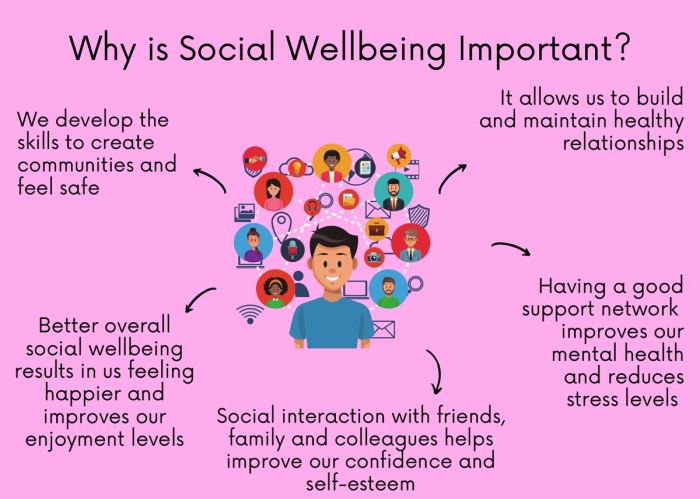
Importance of social connections for mental wellness – Social connections play a crucial role in maintaining our mental wellness. These connections have a significant impact on our overall emotional and psychological well-being.

How Social Connections Impact Mental Wellness

Strong social connections can provide a sense of belonging, support, and purpose in our lives. When we have people we can rely on, share our thoughts and feelings with, and turn to in times of need, it can help reduce feelings of loneliness, anxiety, and depression.

Examples of How Strong Social Connections Improve Mental Health

  • Having close friends or family members to confide in and seek advice from can boost our self-esteem and confidence levels.
  • Participating in social activities and group events can help us feel connected to a community and combat feelings of isolation.
  • Receiving emotional support from loved ones during challenging times can help reduce stress and improve our overall mental well-being.

The Role of Social Support in Preventing Mental Health Issues

Social support acts as a protective factor against mental health issues by providing a buffer against stress and adversity. When we have a strong support system in place, we are better equipped to cope with life’s challenges and maintain a positive outlook.

Mental Wellness

Having good mental wellness is essential for overall well-being. It refers to the state of our emotional, psychological, and social well-being, impacting how we think, feel, and act. It plays a significant role in how we handle stress, relate to others, and make choices in our daily lives.

Benefits of Maintaining Good Mental Health

  • Improved Resilience: People with good mental health can better cope with life’s challenges and bounce back from setbacks.
  • Enhanced Relationships: Positive mental health fosters healthy relationships with others, leading to increased social connections and support.
  • Increased Productivity: When our mental health is strong, we are more focused, creative, and productive in our personal and professional lives.
  • Better Physical Health: Mental wellness is linked to better physical health outcomes, as it influences our behaviors and habits.

Impact of Mental Wellness on Overall Well-being

Mental wellness is closely tied to our overall well-being. When we prioritize our mental health, we are more likely to experience greater satisfaction in life, improved physical health, and stronger social connections. Conversely, poor mental health can lead to various issues like depression, anxiety, and isolation, affecting every aspect of our lives.

Physical Fitness and Mental Health

Regular physical activity plays a crucial role in maintaining good mental health. Exercise has been shown to reduce symptoms of anxiety, depression, and stress, while also improving overall mood and cognitive function.

Benefits of Physical Fitness for Mental Well-being

  • Increased release of endorphins, also known as “feel-good” hormones, which can help alleviate feelings of sadness and anxiety.
  • Improved sleep quality, which is essential for mental health and overall well-being.
  • Enhanced self-esteem and self-confidence, leading to a more positive outlook on life.
  • Reduced levels of cortisol, the stress hormone, resulting in a calmer and more relaxed state of mind.

Examples of Exercises for Mental Health

  • Aerobic exercises like running, swimming, and cycling have been shown to boost mood and reduce symptoms of depression.
  • Yoga and Pilates can help improve mindfulness, reduce stress, and promote relaxation.
  • Strength training exercises, such as weightlifting, can increase self-esteem and improve body image.
  • Dance classes or group fitness activities can enhance social connections, which are crucial for mental wellness.

Relationship Between Physical Fitness and Improved Mood

Physical fitness directly impacts mood through the release of endorphins and reduction of stress hormones. Regular exercise can provide a natural way to improve mood, reduce symptoms of mental health conditions, and enhance overall well-being.

Healthy Eating for Mental Wellness

When it comes to mental wellness, the food we consume plays a crucial role in maintaining a healthy mind. Nutrition has a direct impact on our mental health, influencing our mood, cognition, and overall well-being.

Connection between Nutrition and Mental Health

Our brain relies on a variety of nutrients to function optimally, affecting neurotransmitter production, hormone regulation, and overall brain health. A diet rich in essential nutrients can help support mental wellness and improve mood stability.

Specific Nutrients for Mental Wellness

  • Omega-3 fatty acids: Found in fatty fish, flaxseeds, and walnuts, omega-3s are important for brain health and can help reduce symptoms of depression and anxiety.
  • Vitamin D: Sunlight exposure and foods like fortified dairy products and fatty fish provide Vitamin D, which is crucial for mood regulation and reducing the risk of depression.
  • B vitamins: Foods like whole grains, leafy greens, and lean proteins are rich in B vitamins, which play a role in neurotransmitter synthesis and can help combat stress and improve cognitive function.
  • Antioxidants: Fruits, vegetables, and nuts are packed with antioxidants that protect the brain from oxidative stress and inflammation, promoting mental clarity and overall well-being.

Tips for Maintaining a Balanced Diet for Mental Well-being

  1. Include a variety of fruits, vegetables, whole grains, lean proteins, and healthy fats in your meals to ensure you’re getting a wide range of nutrients.
  2. Avoid processed foods high in sugar, refined carbs, and unhealthy fats, as they can contribute to mood swings and energy crashes.
  3. Stay hydrated by drinking plenty of water throughout the day, as dehydration can affect cognitive function and mood.
  4. Practice mindful eating by paying attention to your hunger cues and eating slowly to fully enjoy and digest your meals.

Preventive Care for Mental Health

Preventive care for mental health is crucial in maintaining overall well-being and preventing the onset of mental health issues. By taking proactive measures, individuals can reduce the risk of developing serious mental health conditions.

Importance of Preventive Measures

  • Regular Exercise: Engaging in physical activity not only benefits physical health but also has a positive impact on mental well-being. Exercise can help reduce stress, anxiety, and depression.
  • Healthy Lifestyle Choices: Eating a balanced diet, getting enough sleep, and avoiding harmful substances like drugs and alcohol can contribute to better mental health.
  • Stress Management Techniques: Learning how to manage stress through relaxation techniques, mindfulness, or therapy can help prevent mental health issues from arising.

Early Intervention for Prevention

Early intervention plays a vital role in preventing mental health issues from escalating. By recognizing warning signs and seeking help promptly, individuals can address underlying issues before they worsen.

Holistic Wellness Approach

Holistic wellness is a concept that focuses on addressing all aspects of an individual’s well-being, including physical, emotional, social, and spiritual health. When it comes to mental health, the holistic approach recognizes that mental wellness is interconnected with other areas of health and that a balance in all these areas is essential for overall well-being.

Examples of Holistic Practices

  • Regular exercise: Physical activity not only benefits the body but also has a positive impact on mental health by reducing stress and improving mood.
  • Mindfulness and meditation: These practices help individuals become more aware of their thoughts and emotions, promoting a sense of calmness and reducing anxiety.
  • Healthy eating habits: A balanced diet rich in nutrients can support brain function and contribute to better mental health.
  • Connecting with nature: Spending time outdoors and engaging in activities like hiking or gardening can have a therapeutic effect on mental well-being.
  • Art therapy: Engaging in creative activities like painting, music, or writing can be a form of self-expression and a way to process emotions.

Chronic Diseases and Mental Health

Importance of social connections for mental wellness
Chronic diseases can have a significant impact on an individual’s mental well-being. The constant management of symptoms, potential limitations in daily activities, and the uncertainty of the disease progression can lead to increased stress, anxiety, and even depression.

Importance of Managing Chronic Conditions for Mental Health

  • Regular Monitoring: It is crucial for individuals with chronic diseases to regularly monitor their condition and work closely with healthcare providers to ensure proper management. This can help alleviate anxiety related to the progression of the disease.
  • Medication Adherence: Following prescribed medication regimens is essential for controlling symptoms and preventing complications. Proper medication management can contribute to a sense of control and stability, positively impacting mental health.
  • Healthy Lifestyle Choices: Engaging in physical activity, maintaining a balanced diet, and getting enough rest can improve overall well-being and help individuals cope better with the challenges of chronic illnesses.
  • Seeking Support: Connecting with support groups, therapy, or counseling can provide emotional support and coping strategies for dealing with the emotional toll of living with a chronic condition.

Strategies for Individuals with Chronic Diseases to Support Their Mental Wellness

  • Practice Mindfulness: Mindfulness techniques such as meditation, deep breathing exercises, and yoga can help reduce stress and improve mental clarity.
  • Engage in Hobbies: Finding enjoyable activities and hobbies can provide a sense of purpose and distraction from the challenges of managing a chronic illness.
  • Stay Connected: Maintaining social connections with friends and family members can offer emotional support and reduce feelings of isolation often associated with chronic diseases.
  • Professional Help: Seeking help from mental health professionals when needed is important. Therapy or counseling can provide coping strategies and emotional support tailored to an individual’s specific needs.

Immunity Boosters and Mental Wellness: Importance Of Social Connections For Mental Wellness

Immunity boosters play a crucial role in supporting mental wellness by enhancing the body’s ability to fight off infections and diseases. A healthy immune system is closely linked to better mental health, as it helps reduce inflammation in the brain and improves overall cognitive function.

Natural Ways to Boost Immunity for Better Mental Health, Importance of social connections for mental wellness

  • Regular Exercise: Engaging in physical activity can help boost the immune system and release endorphins that improve mood and reduce stress.
  • Healthy Diet: Consuming a balanced diet rich in fruits, vegetables, whole grains, and lean proteins provides essential nutrients that support immune function and mental well-being.
  • Adequate Sleep: Getting enough quality sleep is crucial for immune function and mental health, as it allows the body to repair and rejuvenate itself.
  • Stress Management: Chronic stress can weaken the immune system and impact mental health, so practicing stress-reducing techniques such as meditation, deep breathing, or yoga is beneficial.
  • Hydration: Staying hydrated is essential for overall health, including immune function and mental well-being. Drinking plenty of water helps flush out toxins and supports optimal body function.

Question Bank

How do social connections impact mental wellness?

Social connections have a profound impact on mental wellness by providing emotional support, reducing stress, and fostering a sense of belonging.

What are some examples of exercises that benefit mental health?

Exercises such as yoga, walking, and swimming have been shown to improve mental health by reducing anxiety and depression levels.

Why is preventive care important for mental health?

Preventive care is crucial for mental health as it helps in identifying and addressing issues early on, preventing them from escalating into serious conditions.
Mental wellness techniques for better sleep: Improving Sleep Through Mental Well-being

Mental wellness techniques for better sleep

Mental wellness techniques for better sleep

Mental wellness techniques for better sleep – Quality sleep is essential for overall mental wellness and emotional well-being. When we are well-rested, our cognitive functions improve, our mood stabilizes, and our ability to cope with stress increases. Therefore, maintaining good mental health is crucial for achieving quality sleep.

Relaxation techniques to improve sleep quality, Mental wellness techniques for better sleep

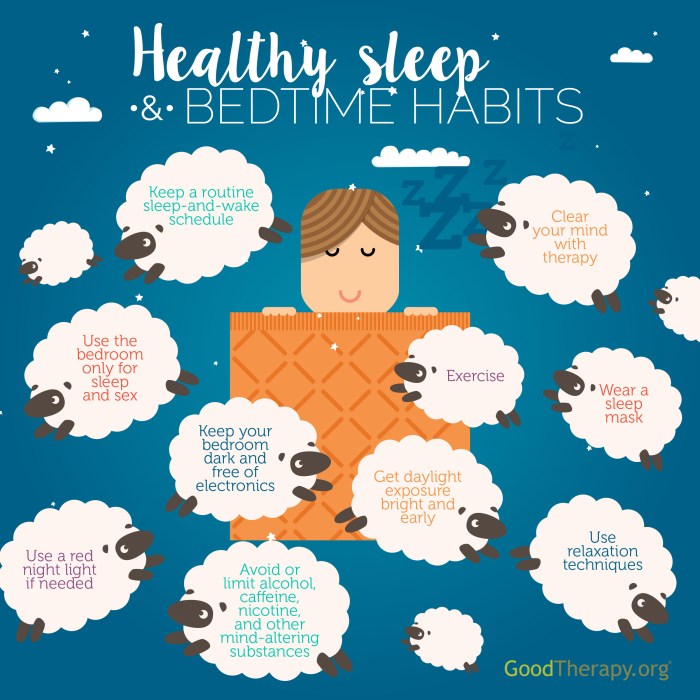
Practicing relaxation techniques before bedtime can help calm the mind and prepare the body for sleep. Some effective relaxation techniques include:

  • Deep breathing exercises: Inhale deeply through your nose, hold for a few seconds, and exhale slowly through your mouth.
  • Progressive muscle relaxation: Tense and release each muscle group in your body, starting from your toes and working your way up to your head.
  • Mindfulness meditation: Focus on the present moment and observe your thoughts and feelings without judgment.

Impact of stress on sleep and ways to manage it effectively

Stress can significantly disrupt sleep patterns, leading to insomnia and other sleep disturbances. To manage stress effectively and improve sleep quality, consider the following strategies:

  • Establish a bedtime routine: Create a relaxing bedtime routine to signal to your body that it is time to wind down and prepare for sleep.
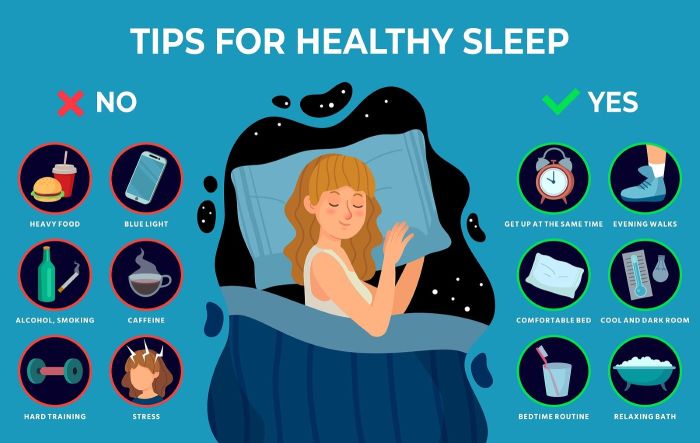
  • Avoid screens before bed: The blue light emitted by screens can interfere with the production of melatonin, a hormone that regulates sleep.
  • Practice gratitude: Expressing gratitude before bed can shift your focus away from stressors and promote a sense of calm.

Physical Fitness and its role in improving sleep

Regular exercise plays a crucial role in improving sleep patterns. Physical activity helps regulate hormones, reduce stress, and promote relaxation, leading to better quality sleep. It also tires the body, making it easier to fall asleep and stay asleep throughout the night.

Types of physical activities that promote better sleep

  • Aerobic exercises like running, cycling, or swimming help increase the duration of deep sleep.
  • Strength training exercises, such as weightlifting or resistance bands, can improve overall sleep quality.
  • Yoga and stretching exercises help relax the body and mind, reducing stress and promoting better sleep.

Importance of maintaining a consistent fitness routine

Regular physical activity is essential for improving sleep quality. By sticking to a consistent fitness routine, the body’s internal clock gets regulated, making it easier to fall asleep and wake up at the same time every day. This routine helps establish healthy sleep patterns, leading to more restful and rejuvenating sleep.

Healthy Eating habits for better sleep

Eating the right foods can play a significant role in improving the quality and duration of your sleep. Your diet can impact your sleep patterns, energy levels, and overall well-being. Here, we will delve into the influence of diet on sleep and provide tips on creating a sleep-friendly meal plan for optimal rest.

Foods that can aid in promoting better sleep

  • Eat foods rich in tryptophan, such as turkey, dairy products, nuts, and seeds. Tryptophan is an amino acid that helps in the production of serotonin, a neurotransmitter that promotes relaxation and sleep.
  • Include complex carbohydrates like whole grains, fruits, and vegetables in your diet. These foods can help increase serotonin levels and promote better sleep.
  • Consume foods high in magnesium, such as leafy greens, nuts, seeds, and whole grains. Magnesium plays a role in regulating neurotransmitters involved in sleep.
  • Opt for foods containing melatonin, such as cherries, grapes, and tomatoes. Melatonin is a hormone that regulates the sleep-wake cycle.

Foods to avoid for better sleep

  • Avoid consuming heavy and spicy meals close to bedtime, as they can cause indigestion and disrupt your sleep.
  • Avoid foods and drinks high in caffeine, like coffee, black tea, and chocolate, in the evening. Caffeine can interfere with your ability to fall asleep.
  • Limit your intake of alcohol, as it can disrupt your sleep cycles and lead to fragmented sleep.
  • Avoid sugary and processed foods, as they can cause fluctuations in blood sugar levels and disrupt your sleep patterns.

Tips for creating a sleep-friendly meal plan

  • Plan your meals to include a balance of protein, carbohydrates, and healthy fats to promote steady blood sugar levels throughout the day.
  • Avoid large meals right before bedtime, and opt for lighter, nutrient-dense snacks if you feel hungry before sleep.
  • Stay hydrated throughout the day, but limit your fluid intake close to bedtime to avoid frequent trips to the bathroom during the night.
  • Experiment with herbal teas like chamomile or valerian root in the evening to promote relaxation and prepare your body for sleep.

Preventive Care practices to enhance sleep

Preventive care plays a crucial role in improving sleep quality and overall well-being. By taking proactive measures, individuals can address potential issues before they escalate and significantly impact their sleep patterns.

Creating a sleep-conducive environment at home

Optimizing your bedroom environment is essential for promoting quality sleep. Consider the following strategies:

  • Avoid electronic devices before bedtime to reduce exposure to blue light, which can interfere with your circadian rhythm.
  • Ensure your mattress and pillows provide adequate support and comfort for a restful night’s sleep.
  • Keep your bedroom dark, quiet, and at a comfortable temperature to create an ideal sleep environment.
  • Establish a relaxing bedtime routine to signal to your body that it’s time to wind down and prepare for sleep.

Role of routine check-ups in identifying underlying health conditions

Regular health check-ups are essential for detecting any underlying health conditions that may be impacting your sleep. Some health issues that can affect sleep include:

  • Sleep apnea: A condition characterized by pauses in breathing during sleep, leading to poor sleep quality.
  • Insomnia: Persistent difficulty falling or staying asleep, often linked to stress or other medical conditions.
  • Restless leg syndrome: Uncomfortable sensations in the legs that can disrupt sleep patterns.

By staying proactive with routine check-ups, individuals can address potential health issues early on and improve their sleep quality in the long run.

Balanced Diet and its impact on sleep patterns

Mental wellness techniques for better sleep

Having a balanced diet plays a crucial role in maintaining healthy sleep habits. The foods we eat can directly affect our sleep patterns and overall quality of rest.

Nutrients that support better sleep and their food sources

  • Magnesium: Helps relax muscles and regulate neurotransmitters. Food sources include nuts, seeds, whole grains, and leafy green vegetables.
  • Melatonin: A hormone that regulates sleep-wake cycles. Found in cherries, grapes, tomatoes, and oranges.
  • Tryptophan: Amino acid that promotes relaxation and sleep. Found in turkey, chicken, nuts, and dairy products.

Meal timing and portion control for better sleep quality

Timing and portion control are also essential factors in improving sleep quality. Eating heavy meals late at night can disrupt digestion and lead to discomfort, making it harder to fall asleep.

Regular Exercise and its effect on mental wellness for better sleep

Mental wellness techniques for better sleep
Regular exercise plays a crucial role in improving mental wellness, which in turn can lead to better sleep quality. Engaging in physical activity can help alleviate stress and anxiety, promote relaxation, and enhance overall mood, all of which are essential for a good night’s sleep.

Tips for Incorporating Exercise into Daily Routines

  • Start small: Begin with short exercise sessions and gradually increase the duration and intensity as you build stamina.
  • Find activities you enjoy: Whether it’s walking, running, swimming, or dancing, choose exercises that you find fun and engaging to stay motivated.
  • Schedule workout time: Set aside specific times during the day for exercise to ensure consistency and make it a priority.
  • Combine exercise with daily tasks: Incorporate physical activity into your daily routine, such as taking the stairs instead of the elevator or walking to nearby places.

Relationship between Physical Fitness, Mental Wellness, and Sleep Quality

Regular exercise not only improves physical fitness but also has a significant impact on mental wellness, which is closely linked to sleep quality. Physical activity releases endorphins, the body’s natural mood elevators, which can help reduce stress, anxiety, and symptoms of depression. By promoting better mental health, exercise can contribute to a more restful and rejuvenating sleep experience.

Mental Health and its influence on sleep patterns

Mental health plays a crucial role in determining the quality of sleep one gets. Various mental health conditions can significantly impact sleep patterns, leading to disturbances and difficulties in falling or staying asleep. It is essential to address these issues to improve overall well-being and promote better sleep.

Impact of Mental Health Conditions on Sleep Disturbances

Mental health conditions such as anxiety, depression, PTSD, and bipolar disorder can all contribute to sleep disturbances. Individuals experiencing these conditions may have trouble falling asleep, staying asleep throughout the night, or waking up too early. The cycle of poor sleep can then exacerbate mental health symptoms, creating a vicious cycle that is challenging to break.

  • Anxiety can lead to racing thoughts and an inability to relax, making it hard to fall asleep.
  • Depression may cause oversleeping or insomnia, disrupting the sleep-wake cycle.
  • PTSD can result in frequent nightmares or night terrors, leading to fragmented sleep.
  • Bipolar disorder can cause irregular sleep patterns, with periods of insomnia followed by excessive sleepiness.

Coping Mechanisms and Strategies to Improve Sleep

It is crucial for individuals with mental health challenges to develop coping mechanisms and strategies to improve their sleep quality. Some effective techniques include:

  1. Establishing a bedtime routine to signal to the body that it is time to sleep.
  2. Practicing relaxation techniques such as deep breathing, meditation, or progressive muscle relaxation.
  3. Avoiding electronic devices before bed to reduce stimulation and promote restful sleep.
  4. Creating a comfortable sleep environment with minimal light and noise disruptions.

Importance of Seeking Professional Help for Mental Health Issues Affecting Sleep

Seeking professional help is essential for individuals experiencing mental health issues that impact their sleep. Mental health professionals can provide therapy, medication, or other interventions to address the root causes of sleep disturbances. It is crucial to prioritize mental well-being to improve sleep patterns and overall quality of life.

Holistic Wellness approach to better sleep

A holistic approach to better sleep involves considering mental, physical, and emotional well-being to enhance the quality of sleep. By addressing all aspects of wellness, individuals can create a conducive environment for restful and rejuvenating sleep.

Examples of Holistic Practices:

  • Meditation: Practicing mindfulness meditation before bedtime can help calm the mind and reduce stress, promoting better sleep quality.
  • Yoga: Engaging in gentle yoga stretches and breathing exercises can relax the body and mind, preparing it for a restful night’s sleep.
  • Mindfulness: Being present in the moment and focusing on sensations can help alleviate racing thoughts and promote relaxation for improved sleep.

Interconnectedness of Wellness Aspects:

A balanced approach to wellness acknowledges the interconnectedness of mental, physical, and emotional well-being in promoting restful sleep. When one aspect is out of balance, it can disrupt the overall harmony needed for quality sleep. For example, high stress levels can lead to physical tension, impacting the ability to relax and fall asleep easily. By addressing all aspects of wellness, individuals can create a holistic environment conducive to better sleep.

Chronic Diseases and their impact on sleep

Chronic diseases can significantly disrupt sleep patterns and overall well-being. Conditions such as diabetes, heart disease, arthritis, and respiratory disorders can cause pain, discomfort, and breathing difficulties that interfere with falling asleep and staying asleep. Additionally, medications used to manage chronic illnesses may have side effects that affect sleep quality.

Managing sleep disturbances associated with chronic diseases

  • Establishing a consistent bedtime routine can help signal to the body that it’s time to sleep, even with the challenges posed by chronic conditions.
  • Engaging in relaxation techniques such as deep breathing, meditation, or gentle stretching before bed can help alleviate stress and promote better sleep.
  • Consulting with healthcare providers to adjust medication schedules or explore alternative treatments that have less impact on sleep can also be beneficial.

The importance of a comprehensive healthcare plan

  • Addressing both the chronic illness and sleep issues requires a holistic approach that considers the interconnectedness of physical health and sleep quality.
  • Collaboration between healthcare providers, including specialists in sleep medicine, can ensure that treatment plans are tailored to the individual’s specific needs and circumstances.
  • Educating patients about the importance of sleep hygiene and self-care practices can empower them to take an active role in managing their sleep disturbances alongside their chronic disease.

Immunity Boosters and their role in promoting better sleep

Having a strong immune system plays a crucial role in promoting better sleep quality. A well-functioning immune system can help the body fight off infections and reduce inflammation, leading to a more restful and rejuvenating sleep.

Immunity-Boosting Foods and Lifestyle Habits for Better Sleep

  • Include foods rich in antioxidants, such as berries, nuts, and leafy greens, to boost immunity and support overall health, which can positively impact sleep quality.
  • Get regular exercise to strengthen the immune system and improve sleep. Physical activity can help regulate immune function and promote better sleep patterns.
  • Practice stress-reducing techniques like meditation, yoga, or deep breathing exercises to lower cortisol levels and enhance immune function, ultimately leading to improved sleep.

Relationship between Immunity, Overall Health, and Restful Sleep

Immunity, overall health, and restful sleep are interconnected aspects of wellness. A strong immune system not only protects the body from illnesses but also supports optimal functioning of various bodily systems, including the sleep-wake cycle. By prioritizing immunity-boosting foods, lifestyle habits, and stress management techniques, individuals can create a conducive environment for better sleep and overall well-being.

Quick FAQs

How does mental wellness affect sleep quality?

Mental wellness plays a crucial role in promoting quality sleep by reducing stress and anxiety levels, leading to a more relaxed mind and body conducive to restful sleep.

What are some effective relaxation techniques for better sleep?

Relaxation techniques such as deep breathing, progressive muscle relaxation, and mindfulness meditation can help calm the mind and prepare the body for a good night’s sleep.

Can poor mental health conditions impact sleep patterns?

Yes, mental health conditions like anxiety and depression can disrupt sleep patterns, making it harder to fall asleep or stay asleep throughout the night.

How can one create a sleep-conducive environment at home?

Creating a dark, quiet, and cool bedroom, establishing a regular bedtime routine, and limiting screen time before sleep can help create an environment that promotes better sleep.