How to balance carbohydrates in your diet: Tips and Strategies for a Healthy Lifestyle

How to balance carbohydrates in your diet

Importance of Balancing Carbohydrates in Your Diet

Carbohydrates are an essential macronutrient that provides the body with energy to function properly. Balancing your carbohydrate intake is crucial for overall health and well-being.

Impact of Unbalanced Carbohydrate Intake

When you consume too many carbohydrates, especially refined sugars and processed foods, it can lead to weight gain, increased risk of diabetes, and other metabolic issues. On the other hand, consuming too few carbohydrates can result in low energy levels, nutrient deficiencies, and poor cognitive function.

  • Weight Gain: Excess carbohydrates that are not utilized by the body are stored as fat, leading to weight gain and obesity.
  • Diabetes Risk: High carbohydrate intake, especially from sugary foods, can spike blood sugar levels and increase the risk of developing type 2 diabetes.
  • Low Energy Levels: Inadequate carbohydrate intake can leave you feeling fatigued and lethargic due to the lack of readily available energy.
  • Nutrient Deficiencies: Carbohydrates are a primary source of essential nutrients like fiber, vitamins, and minerals. Insufficient intake can result in nutrient deficiencies.

Sources of Healthy Carbohydrates

How to balance carbohydrates in your diet – When it comes to incorporating healthy carbohydrates into your diet, it’s important to choose the right sources. Here are some common sources of healthy carbohydrates:

Simple vs. Complex Carbohydrates

Carbohydrates are often classified as either simple or complex based on their chemical structure and how quickly they are digested and absorbed by the body. Here’s the difference between the two:

  • Simple Carbohydrates: These are composed of one or two sugar units and are quickly digested by the body, leading to a rapid spike in blood sugar levels. Sources include fruits, milk, and foods with added sugars like candy and soda.
  • Complex Carbohydrates: These are made up of longer chains of sugar molecules, which take longer to break down and provide a more sustained release of energy. Sources include whole grains, legumes, vegetables, and starchy foods like potatoes.

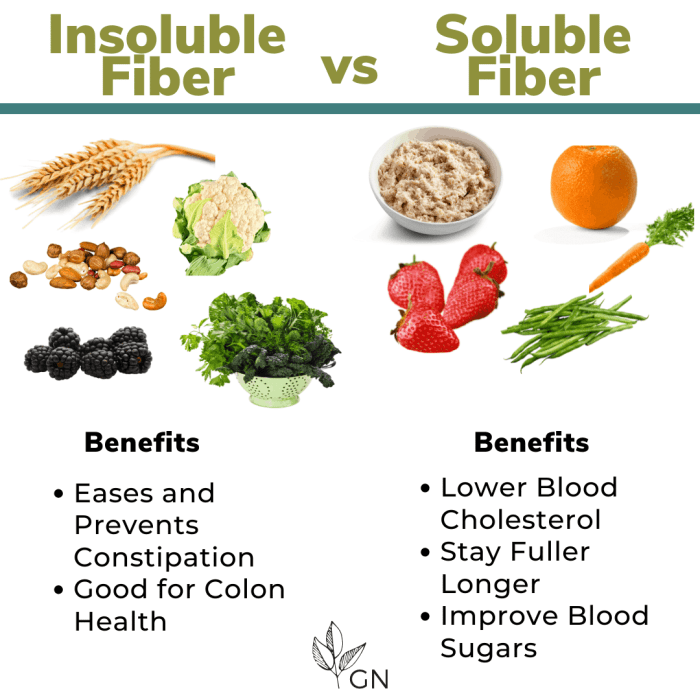
Role of Fiber in Carbohydrate-rich Foods

Fiber is a type of carbohydrate that the body cannot digest. It plays a crucial role in maintaining digestive health, promoting satiety, and helping to regulate blood sugar levels. Here’s how fiber functions in carbohydrate-rich foods:

  • Fiber slows down the digestion and absorption of carbohydrates, preventing sudden spikes in blood sugar levels and providing a more steady release of energy.
  • It adds bulk to the diet, promoting feelings of fullness and aiding in weight management by reducing overall calorie intake.
  • Fiber also supports healthy digestion by promoting regular bowel movements and feeding beneficial gut bacteria.

Strategies for Balancing Carbohydrates

Carbohydrates play a crucial role in our diet, but it’s essential to balance them properly to maintain a healthy lifestyle. Here are some strategies to help you achieve that balance:

Reading Food Labels for Carbohydrate Content, How to balance carbohydrates in your diet

When looking at food labels, focus on the total carbohydrates listed. Be mindful of serving sizes and the grams of carbohydrates per serving. Additionally, check the breakdown of sugar and fiber within the total carbohydrates to make informed choices.

Portion Control and Balancing Carbs

Controlling portions is key to balancing carbohydrates. Be mindful of serving sizes and aim to include a variety of food groups in each meal. Opt for whole grains, fruits, vegetables, and lean proteins to create a well-rounded plate.

Examples of Balanced Meals

Here are a few examples of balanced meals that incorporate the right amount of carbohydrates:

  • Grilled chicken breast with quinoa and roasted vegetables
  • Salmon with a side of brown rice and steamed broccoli
  • Whole wheat pasta with marinara sauce, lean ground turkey, and a side salad

Impact of Carbohydrates on Mental Wellness

Carbohydrates play a crucial role not only in physical health but also in mental well-being. The type and amount of carbs you consume can have a significant impact on your cognitive function and overall mental wellness.

Supporting Cognitive Function with Balanced Carb Consumption

  • Carbohydrates are the primary source of energy for the brain, providing glucose that is essential for optimal cognitive function.
  • Choosing complex carbohydrates like whole grains, fruits, and vegetables can help maintain steady blood sugar levels, preventing energy crashes that can negatively affect focus and concentration.
  • Incorporating fiber-rich carbs into your diet can support gut health, which has been linked to improved mood and mental well-being.

Tips for Incorporating Carbs for Mental Well-Being

  • Include a variety of healthy carbs in your meals, such as quinoa, sweet potatoes, and legumes, to ensure you’re getting a range of nutrients that support brain health.
  • Avoid excessive consumption of refined carbs and sugary snacks, as they can lead to blood sugar spikes and crashes that may negatively impact your mood and mental clarity.
  • Pair carbs with protein and healthy fats to create balanced meals that provide sustained energy and promote overall mental wellness.

Carbohydrates and Physical Fitness

How to balance carbohydrates in your diet
Carbohydrates play a crucial role in fueling physical activity. They are the body’s primary source of energy, especially during intense workouts or endurance exercises. Balancing carbohydrates in your diet is essential for optimal athletic performance, as they provide the necessary fuel for muscles to function efficiently.

Importance of Balancing Carbs for Athletic Performance

Ensuring a balance of carbohydrates in your pre and post-workout meals is key to supporting your physical fitness goals. Before a workout, consuming complex carbohydrates like whole grains, fruits, and vegetables can provide a sustained release of energy. This can help improve endurance and prevent fatigue during exercise. Post-workout meals should include a mix of carbohydrates and protein to replenish glycogen stores and aid in muscle recovery.

Examples of Pre and Post-Workout Meals

  • Pre-workout meal: A bowl of oatmeal topped with fresh berries and a sprinkle of nuts. This combination provides a good balance of complex carbohydrates, fiber, and antioxidants to fuel your workout.
  • Post-workout meal: Grilled chicken with quinoa and roasted vegetables. Quinoa is a great source of complex carbohydrates and protein, while the vegetables offer vitamins and minerals for recovery.

Preventive Care through Balanced Carbohydrate Intake

Consuming a balanced amount of carbohydrates in your diet can play a crucial role in preventing chronic diseases such as diabetes and heart disease. By prioritizing balanced carbohydrate intake, you can significantly reduce the risk of developing these serious health conditions.

Benefits of a Balanced Diet Rich in Carbs for Preventive Health

A diet that includes healthy sources of carbohydrates in the right proportions can contribute to overall preventive health. It helps in maintaining stable blood sugar levels, promoting heart health, and supporting proper digestion and metabolism.

  • Include whole grains, fruits, vegetables, and legumes in your meal plan to ensure a diverse intake of healthy carbohydrates.
  • Limit the consumption of processed and refined carbohydrates like sugary snacks and beverages to prevent spikes in blood sugar levels.
  • Focus on fiber-rich carbohydrates to aid in digestion and promote a feeling of fullness, preventing overeating and supporting weight management.
  • Stay hydrated and engage in regular physical activity to enhance the benefits of a balanced carbohydrate-rich diet.

Tips for Creating a Meal Plan with Balanced Carbohydrate Intake

Planning your meals thoughtfully can help you maintain a balanced carbohydrate intake and support your overall health and well-being. Here are some tips to create a meal plan that prioritizes healthy carbohydrates:

  • Start your day with a balanced breakfast that includes whole grains, fruits, and protein to kickstart your metabolism and provide sustained energy throughout the day.
  • Incorporate a variety of colorful fruits and vegetables into your meals to ensure a diverse range of nutrients and antioxidants.
  • Opt for whole grain options like brown rice, quinoa, and whole wheat bread over refined grains for added fiber and nutrients.
  • Snack on nuts, seeds, yogurt, or whole fruits to satisfy hunger between meals without relying on processed snacks.
  • Consult with a nutritionist or dietitian to tailor a meal plan that meets your individual carbohydrate needs based on your lifestyle, health goals, and preferences.

Immunity Boosters and Carbohydrates

Carbohydrates play a crucial role in supporting the immune system by providing the necessary energy for immune cells to function effectively. Certain carbohydrates contain essential nutrients like vitamins, minerals, and antioxidants that can help boost immune system health.

Examples of Immune-Boosting Foods Rich in Carbohydrates:

  • Sweet potatoes: Rich in beta-carotene, which is converted into vitamin A to support immune function.
  • Oranges: High in vitamin C, an antioxidant that helps boost the production of white blood cells.
  • Quinoa: Contains zinc, iron, and vitamin B, all of which contribute to a healthy immune system.
  • Legumes: Packed with fiber, protein, and various vitamins and minerals that support overall immune health.

Promoting Holistic Wellness through Balanced Carbohydrates

How to balance carbohydrates in your diet
Balanced carbohydrates play a crucial role in promoting holistic wellness by contributing to overall well-being. The interconnectedness of mental health, physical fitness, and diet highlights the importance of integrating balanced carbs into a holistic wellness routine.

Benefits of Balanced Carbohydrates for Holistic Wellness

  • Provide sustained energy levels throughout the day, supporting mental clarity and focus.
  • Help regulate blood sugar levels, reducing the risk of mood swings and promoting emotional stability.
  • Aid in muscle recovery and growth, enhancing physical performance and endurance.
  • Support gut health and digestion, contributing to overall immune function and well-being.

Strategies for Integrating Balanced Carbs into a Holistic Wellness Routine

  • Include a variety of whole grains, fruits, vegetables, and legumes in your daily meals to ensure a diverse intake of carbohydrates.
  • Monitor portion sizes and aim for a balanced distribution of carbs, proteins, and fats in each meal to maintain overall nutrient balance.
  • Stay hydrated and choose complex carbohydrates over simple sugars to sustain energy levels and avoid spikes in blood sugar.
  • Engage in regular physical activity to optimize carbohydrate utilization and promote overall well-being.

Managing Chronic Diseases with Balanced Carbohydrates: How To Balance Carbohydrates In Your Diet

Carbohydrate intake plays a crucial role in managing chronic conditions like diabetes. By following a balanced carbohydrate diet, individuals can better control their blood sugar levels and improve their overall health.

Success Stories of Health Improvement

  • Case study 1: John, a diabetic patient, significantly reduced his HbA1c levels by incorporating whole grains and vegetables into his meals.
  • Case study 2: Sarah, who has insulin resistance, managed to lose weight and improve her insulin sensitivity by limiting her intake of refined carbohydrates and opting for complex carbs.

Tips for Maintaining a Balanced Carbohydrate Diet

  • Avoid sugary drinks and opt for water or unsweetened beverages.
  • Include a variety of fruits, vegetables, whole grains, and legumes in your meals.
  • Monitor your carbohydrate intake and work with a healthcare provider or nutritionist to create a personalized meal plan.
  • Focus on portion control and balance your carbs with proteins and healthy fats to prevent blood sugar spikes.

The Role of Balanced Carbohydrates in Mental Health

Carbohydrates play a crucial role in mental health by impacting mood and overall well-being. The connection between stable blood sugar levels and mental health is significant, as fluctuations can lead to mood swings and affect cognitive functions. Consuming carbohydrate-rich foods that promote stable blood sugar levels can support a healthy mind and contribute to better mental wellness.

Impact of Carbohydrates on Mood and Mental Well-being

Carbohydrates are essential for the production of serotonin, a neurotransmitter that regulates mood and promotes feelings of well-being. Low levels of serotonin are often associated with conditions like depression and anxiety. By including complex carbohydrates in your diet, such as whole grains, legumes, and vegetables, you can help maintain optimal serotonin levels and support a positive mood.

  • Whole grains like quinoa, brown rice, and oats provide a steady release of energy and help stabilize blood sugar levels, reducing mood swings and promoting mental clarity.
  • Legumes like chickpeas, lentils, and black beans are rich in fiber and protein, which slow down the absorption of carbohydrates and prevent rapid spikes and crashes in blood sugar.
  • Vegetables such as sweet potatoes, carrots, and leafy greens contain vitamins and minerals that support brain health and cognitive function, contributing to overall mental well-being.

Common Queries

How can I tell if I’m consuming too many carbohydrates?

Signs of excessive carb intake include weight gain, fatigue, and spikes in blood sugar levels.

Can I still enjoy carbs if I’m trying to lose weight?

Absolutely! Focus on consuming healthy, complex carbohydrates in moderation to support your weight loss goals.

Are all carbohydrates bad for you?

No, not all carbs are bad. It’s about choosing the right sources like whole grains, fruits, and vegetables.

How to balance protein intake in your diet: A comprehensive guide to optimizing your protein consumption

How to balance protein intake in your diet

Introduction to Balancing Protein Intake: How To Balance Protein Intake In Your Diet

How to balance protein intake in your diet – Protein is an essential macronutrient that plays a crucial role in the body’s overall function and health. It is composed of amino acids, which are the building blocks of muscles, tissues, enzymes, and hormones. Balancing protein intake in your diet is essential to ensure you meet your body’s daily requirements for optimal performance and well-being.

The Importance of Balancing Protein Intake

Protein is necessary for the growth and repair of tissues, maintenance of muscle mass, and the production of enzymes and hormones. Without adequate protein intake, the body may experience negative consequences, such as muscle loss, weakened immune function, and slower wound healing.

  • Protein aids in muscle growth and repair: Adequate protein intake is essential for building and repairing muscle tissues, especially after exercise or injury.
  • Protein supports immune function: Amino acids from protein play a vital role in the immune system’s function, helping to fight off infections and illnesses.
  • Protein promotes satiety: Protein-rich foods can help you feel full and satisfied, reducing the likelihood of overeating and supporting weight management.

Effects of Imbalanced Protein Intake

Consuming too little or too much protein can have negative effects on your health and well-being. An imbalance in protein intake can lead to various issues, such as:

  • Muscle loss: Inadequate protein intake can result in muscle breakdown and loss of lean muscle mass.
  • Impaired immune function: Not getting enough protein can weaken your immune system, making you more susceptible to infections.
  • Weight gain: Excessive protein intake, especially from high-calorie sources, can contribute to weight gain and increase the risk of chronic diseases.

Determining Your Protein Needs

Determining your protein needs is crucial for maintaining optimal health and function. Several factors influence the amount of protein you should consume, including age, gender, activity level, and overall health. It is essential to calculate the ideal amount of protein intake based on individual needs to ensure proper nutrition and support bodily functions. Consuming too little or too much protein can have adverse effects on your health, making it important to strike a balance.

Factors Influencing Protein Requirements

  • Age: Protein needs may vary depending on age, with children, adolescents, adults, and older adults requiring different amounts.
  • Gender: Men generally require more protein than women due to differences in muscle mass and hormonal makeup.
  • Activity Level: Those who are more physically active or engage in intense workouts may need higher protein intake to support muscle repair and growth.
  • Overall Health: Certain health conditions or illnesses may increase protein requirements to aid in recovery and healing.

Calculating Ideal Protein Intake

One common guideline is to consume around 0.8 grams of protein per kilogram of body weight per day for the average adult. However, individual needs may vary.

  • Calculate your protein needs based on your weight, activity level, and health goals.
  • Consult with a healthcare provider or nutritionist for personalized recommendations.
  • Keep track of your protein intake from various food sources to ensure you are meeting your daily requirements.

Risks of Consuming Too Little or Too Much Protein

  • Too Little Protein:
    • May lead to muscle loss, weakened immune function, and poor wound healing.
    • Can result in fatigue, weakness, and nutrient deficiencies.
  • Too Much Protein:
    • May strain the kidneys and liver over time.
    • Could contribute to weight gain if calorie intake exceeds energy needs.

Sources of Protein

Protein is an essential macronutrient that can be obtained from a variety of sources, both animal-based and plant-based. It is important to incorporate a mix of protein sources in your diet to ensure you are getting an adequate amount of this nutrient.

Animal-Based Protein Sources

  • Meat: Examples include beef, pork, lamb, and venison.
  • Poultry: Chicken, turkey, duck, and other fowl are good sources of protein.
  • Fish: Salmon, tuna, sardines, and other seafood are rich in protein and healthy fats.
  • Dairy: Milk, yogurt, cheese, and eggs are also sources of protein.

Plant-Based Protein Sources

  • Legumes: Beans, lentils, chickpeas, and peas are excellent plant-based sources of protein.
  • Nuts and Seeds: Almonds, walnuts, chia seeds, and flaxseeds are protein-rich options.
  • Tofu: Made from soybeans, tofu is a versatile plant-based protein source.

It is important to note that while animal-based proteins are considered complete proteins, plant-based proteins may lack certain essential amino acids. By combining different plant-based protein sources, you can create a balanced amino acid profile similar to that of animal-based proteins.

Incorporating Protein into Meals

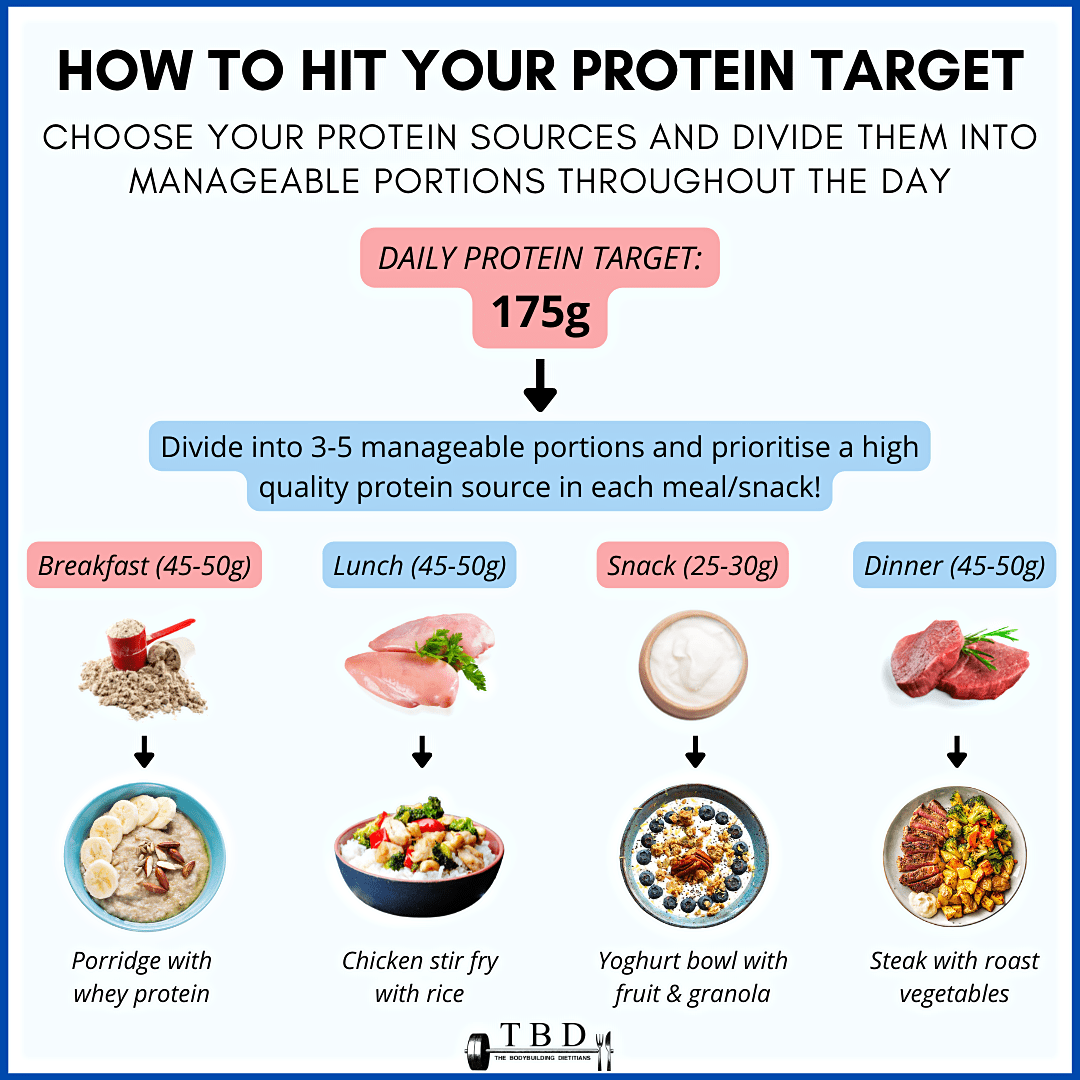
To ensure you meet your protein requirements throughout the day, it’s essential to incorporate protein into your meals in a balanced way. This not only helps in muscle recovery but also provides a well-rounded diet rich in essential nutrients.

Meal Ideas Rich in Protein

  • Grilled chicken salad with quinoa and mixed veggies
  • Salmon with roasted sweet potatoes and asparagus
  • Greek yogurt parfait with nuts and fruits

Planning Protein-Rich Meals

  • Include a protein source in every meal and snack to distribute intake evenly throughout the day.
  • Opt for lean proteins like poultry, fish, tofu, or legumes to keep meals healthy and balanced.
  • Pair proteins with complex carbohydrates and healthy fats for a well-rounded meal that satisfies hunger and provides sustained energy.

Timing Protein Intake Around Workouts, How to balance protein intake in your diet

To maximize muscle recovery and growth, it’s crucial to consume protein around your workout sessions. Aim to have a protein-rich snack or meal within 30 minutes to an hour post-exercise to replenish glycogen stores and support muscle repair. Additionally, including protein in pre-workout meals can help fuel your workout and enhance performance.

Monitoring Protein Intake

Properly tracking protein consumption is essential to ensure that you are meeting your daily requirements. By monitoring your protein intake, you can make necessary adjustments to your diet to achieve your health and fitness goals.

Utilizing Food Labels and Nutritional Information

One effective way to monitor your protein intake is by carefully reading food labels and nutritional information. These labels provide valuable details about the protein content in different food items, allowing you to keep track of how much protein you are consuming throughout the day.

Pay attention to the serving size listed on the label, as the protein content is often presented per serving. This information can help you calculate the total protein intake accurately.

Adjusting Protein Intake Based on Goals

It is important to adjust your protein intake based on your individual goals and lifestyle changes. For example, if you are increasing your physical activity levels or aiming to build muscle mass, you may need to consume more protein to support these objectives.

Consulting with a nutritionist or dietitian can provide personalized recommendations on how to adjust your protein intake according to your specific needs and goals.

Related Topics for Discussion

How to balance protein intake in your diet
Protein intake goes beyond just physical health; it also plays a crucial role in mental wellness, physical fitness, healthy eating, preventive care, and overall balanced diet. Let’s explore some related topics in detail.

Mental Wellness

Protein intake is not only essential for physical health but also influences mental well-being. Amino acids from protein-rich foods are the building blocks for neurotransmitters that regulate mood and cognitive function.

Physical Fitness

Protein is vital for muscle repair and growth, making it essential for physical performance and fitness. Consuming an adequate amount of protein can help enhance muscle strength and endurance.

Healthy Eating

Balancing protein intake is a key aspect of maintaining a well-rounded diet. Proteins provide essential nutrients and energy, supporting overall health and wellness when incorporated into meals appropriately.

Preventive Care

Protein plays a crucial role in preventing nutritional deficiencies and promoting overall health. By ensuring a sufficient intake of protein, you can support your body’s immune system and prevent various health issues.

Balanced Diet

Achieving a balanced diet involves incorporating adequate protein along with other essential nutrients. Balancing protein intake with carbohydrates, fats, vitamins, and minerals is essential for overall health and well-being.

Regular Exercise

Protein is vital for supporting an active lifestyle and exercise routine. It helps repair and build muscle tissue, aids in recovery after workouts, and provides the necessary energy for physical activity.

Mental Health

The effects of protein intake on mood and cognitive function are significant. A well-balanced diet with sufficient protein can positively impact mental health by supporting neurotransmitter function and overall brain health.

Holistic Wellness

Protein intake is a crucial component of a holistic approach to well-being. It contributes to physical, mental, and emotional health, playing a vital role in achieving overall wellness and balance in life.

Chronic Diseases

Consuming adequate protein is essential for preventing chronic diseases. Protein-rich foods contain essential nutrients that support immune function, metabolic processes, and overall health, reducing the risk of developing chronic conditions.

Immunity Boosters

Protein-rich foods can act as immunity boosters by providing essential amino acids and nutrients that support the body’s immune system. Including a variety of protein sources in your diet can help strengthen your body’s defenses against infections and illnesses.

FAQ Resource

What are some common signs of a protein deficiency?

Signs of a protein deficiency include muscle loss, frequent infections, slow wound healing, and fatigue.

Can you consume too much protein?

Yes, consuming excessive protein can strain the kidneys and lead to dehydration. It’s important to find the right balance.

Are plant-based proteins as effective as animal-based proteins?

Yes, plant-based proteins can be just as effective as animal-based proteins when combined properly to ensure all essential amino acids are obtained.

Benefits of routine blood tests for preventive care: Optimizing Health Through Proactive Measures

Benefits of routine blood tests for preventive care

Mental Wellness

Routine blood tests play a crucial role in maintaining mental wellness by allowing early detection and management of underlying health issues that can impact mental health. When health problems are identified and treated promptly, individuals are more likely to experience improved mental well-being.

Connection between Preventive Care and Mental Health

Routine blood tests for preventive care can help identify potential health concerns before they escalate, reducing the risk of conditions that could negatively affect mental health. By addressing these issues early on, individuals can better manage their overall health, leading to a positive impact on mental wellness.

Role of Early Detection in Promoting Mental Well-being, Benefits of routine blood tests for preventive care

  • Early detection through routine blood tests allows for timely intervention and treatment of medical conditions that may contribute to mental health issues.
  • Managing physical health through preventive care can alleviate stress and anxiety associated with unknown or untreated health problems.
  • Regular monitoring of health markers can provide peace of mind and a sense of control over one’s well-being, promoting mental resilience.
  • Improving physical health can enhance overall quality of life, leading to a positive impact on mental wellness and emotional stability.

Physical Fitness

Regular blood tests play a crucial role in evaluating and maintaining physical fitness. By providing valuable insights into various biomarkers and health indicators, these tests help individuals make informed decisions to improve their overall well-being.

Impact of Blood Tests on Physical Fitness

  • Regular blood tests can detect underlying health issues such as cholesterol levels, blood sugar levels, and vitamin deficiencies that may affect physical performance.
  • Monitoring key parameters like hemoglobin levels and thyroid function through blood tests can help optimize energy levels and endurance during physical activities.
  • Identifying inflammation markers in the blood can aid in preventing injuries and promoting faster recovery post-exercise.

Healthy Eating: Benefits Of Routine Blood Tests For Preventive Care

Routine blood tests play a crucial role in helping individuals maintain a healthy diet. By regularly monitoring key indicators in the blood, such as cholesterol levels, blood sugar levels, and nutrient deficiencies, individuals can make informed decisions about their dietary choices to improve overall health and well-being.

Relationship between Routine Blood Tests and Healthy Diet

Routine blood tests provide valuable insights into an individual’s current health status, highlighting any potential issues that may be linked to diet. For example, high cholesterol levels may indicate a need to reduce saturated fats in the diet, while low vitamin D levels could signify a lack of exposure to sunlight or inadequate consumption of fortified foods.

  • Regular monitoring of blood sugar levels can help individuals manage their intake of carbohydrates and sugars, reducing the risk of developing conditions such as diabetes.
  • Tracking nutrient levels, such as iron or vitamin B12, can guide individuals in choosing foods that are rich in these essential nutrients, preventing deficiencies and related health problems.

Impact of Blood Tests on Dietary Choices

By understanding the results of routine blood tests, individuals can make targeted changes to their diet to address specific health concerns. For instance, increasing fiber intake to lower cholesterol levels or incorporating more leafy greens to boost iron levels can be informed decisions based on blood test results.

  • Healthy eating patterns, such as the Mediterranean diet or DASH diet, can be recommended based on blood test findings to promote overall well-being and reduce the risk of chronic diseases.
  • Consulting with a healthcare provider or nutritionist after receiving blood test results can help individuals create personalized dietary plans tailored to their unique needs and health goals.

Monitoring the Impact of Eating Habits on Health

Routine blood tests allow individuals to track changes in their health over time, providing a way to assess the effectiveness of dietary changes and lifestyle modifications. By comparing blood test results from different time points, individuals can see improvements or identify areas that may require further attention.

  • Regular blood tests can help individuals stay accountable for their dietary choices, encouraging them to make healthier decisions to support long-term health and well-being.
  • Identifying trends in blood test results can alert individuals to potential issues early on, allowing for proactive measures to be taken to prevent more serious health complications.

Preventive Care

Routine blood tests play a crucial role in preventive care strategies by providing valuable insights into our overall health and well-being. Early detection of potential health issues through these tests can significantly impact our quality of life and longevity.

Importance of Routine Blood Tests

Regular screenings involving blood tests are essential for identifying any underlying health conditions before they progress into more serious issues. By monitoring key health indicators such as cholesterol levels, blood sugar levels, and organ function, healthcare providers can intervene early and tailor preventive measures to individual needs.

  • Early Detection: Routine blood tests can detect abnormalities that may indicate a risk for conditions such as diabetes, heart disease, or certain types of cancer. This early detection allows for timely interventions and treatment, potentially preventing the development of more severe health problems.
  • Personalized Care: By tracking changes in blood test results over time, healthcare providers can personalize preventive care plans to address specific risk factors and promote overall health and well-being. This proactive approach can help individuals maintain optimal health and prevent future complications.
  • Monitoring Progress: Regular blood tests enable healthcare providers to monitor the effectiveness of preventive measures and lifestyle modifications. Adjustments can be made based on changes in test results, ensuring that individuals are on the right track towards better health outcomes.

Balanced Diet

Maintaining a balanced diet is crucial for overall health and well-being. Blood test results can play a significant role in guiding individuals towards making informed dietary choices. By analyzing various health markers through blood tests, individuals can better understand their nutritional needs and make adjustments to ensure a balanced diet tailored to their specific requirements.

Impact of Preventive Care

Preventive care, including routine blood tests, can have a profound impact on promoting a balanced diet. By regularly monitoring key health indicators such as cholesterol levels, blood sugar levels, and vitamin deficiencies, healthcare providers can identify any nutritional imbalances or deficiencies early on. This early detection allows for timely interventions and personalized dietary recommendations to help individuals achieve and maintain a balanced diet.

Significance of Monitoring Health Markers

Monitoring health markers through blood tests is essential for maintaining a balanced diet as it provides valuable insights into an individual’s overall health status. For example, elevated cholesterol levels may indicate the need to reduce saturated fats in the diet, while low levels of certain vitamins or minerals may signal the need for supplementation or dietary changes. By tracking these health markers over time, individuals can proactively adjust their dietary habits to ensure they are meeting their nutritional needs and promoting optimal health through a balanced diet.

Regular Exercise

Benefits of routine blood tests for preventive care
Regular exercise plays a crucial role in maintaining overall health and well-being. When it comes to routine blood tests, there is a significant relationship between these tests and regular physical activity.

Regular exercise can positively impact various markers in routine blood tests, such as cholesterol levels, blood pressure, and blood sugar levels. Engaging in physical activity can help improve these markers, leading to better overall health and reduced risk of chronic diseases.

Optimizing Benefits of Exercise through Preventive Care

Preventive care, including routine blood tests, can help individuals track and monitor their health status. By regularly checking blood parameters through these tests, individuals can optimize the benefits of exercise by understanding how physical activity is impacting their overall health.

Additionally, preventive care can identify any potential risk factors or underlying health issues that may affect an individual’s ability to engage in physical activity. By addressing these issues early on, individuals can make necessary lifestyle changes and adjustments to enhance the benefits of exercise.

Motivation through Blood Test Results

Receiving blood test results that show improvements in health markers due to regular exercise can serve as a powerful motivator for individuals to continue their physical activity routine. Seeing tangible evidence of the positive impact of exercise on overall health can inspire individuals to stay committed to their fitness goals and maintain a consistent workout regimen.

Mental Health

Routine blood tests play a crucial role in supporting mental health by providing valuable insights into the body’s overall functioning. Early detection of certain conditions through these tests can have a significant impact on mental well-being.

Impact of Routine Blood Tests on Mental Health

  • Routine blood tests can help detect deficiencies in essential nutrients like vitamin D, B12, and iron, which are linked to mood disorders such as depression and anxiety.
  • Monitoring levels of thyroid hormones through blood tests can help identify thyroid disorders that may contribute to symptoms of depression and fatigue.
  • Identifying abnormalities in blood sugar levels can be crucial in managing conditions like diabetes, which are known to impact mental health.

Role of Preventive Care in Supporting Mental Well-being

  • Regular preventive care, including routine blood tests, can help individuals maintain overall health and catch potential issues before they escalate and negatively affect mental well-being.
  • By staying proactive with preventive screenings, individuals can take control of their health and reduce the risk of developing chronic conditions that may impact mental health.
  • Preventive care promotes a proactive approach to health management, empowering individuals to make informed decisions and seek early interventions for better mental well-being.

Early Detection through Blood Tests and Mental Health Outcomes

  • Early detection of health issues through routine blood tests can lead to timely interventions and treatments, preventing the progression of conditions that may have detrimental effects on mental health.
  • By addressing underlying health concerns early on, individuals can experience improved overall well-being, which positively influences mental health outcomes.
  • Regular monitoring of key health markers through blood tests can provide peace of mind and reduce anxiety related to unknown health conditions, promoting better mental health.

Holistic Wellness

Routine blood tests play a crucial role in promoting holistic wellness by providing valuable insights into our overall health. These tests offer a comprehensive view of various health markers, allowing healthcare providers to detect potential issues at an early stage and take preventive measures accordingly.

Comprehensive Benefits of Preventive Care Through Blood Tests

  • Routine blood tests can help in early detection of various medical conditions such as diabetes, cholesterol imbalances, and anemia, among others.
  • Identifying these conditions early on can lead to timely interventions, preventing further complications and improving overall health outcomes.
  • Regular monitoring of health markers through blood tests enables individuals to track their progress and make informed decisions about their lifestyle and healthcare choices.

Enhancement of Overall Holistic Well-being Through Health Marker Monitoring

  • By keeping a close eye on key health indicators like blood sugar levels, lipid profiles, and kidney function, individuals can proactively manage their health and well-being.
  • Understanding these health markers can empower individuals to make necessary dietary and lifestyle changes to optimize their overall health and prevent the onset of chronic diseases.
  • Regular blood tests serve as a proactive approach to maintaining holistic wellness, promoting a state of balance and harmony between the mind, body, and spirit.

Chronic Diseases

Routine blood tests play a crucial role in the early detection and management of chronic diseases. These tests can provide valuable insights into the overall health of an individual, helping healthcare providers identify potential risk factors and underlying conditions.

Detecting and Managing Chronic Diseases

Routine blood tests can help in detecting chronic diseases such as diabetes, hypertension, and high cholesterol, among others. By analyzing markers in the blood, healthcare professionals can assess the functioning of vital organs like the liver, kidneys, and thyroid. Early detection of abnormalities through blood tests allows for timely intervention and treatment, preventing the progression of chronic conditions.

  • Regular screenings for blood sugar levels can aid in the early diagnosis and management of diabetes, a chronic disease that affects millions of individuals worldwide.
  • Monitoring cholesterol levels through blood tests can help prevent cardiovascular diseases, which are major contributors to morbidity and mortality globally.
  • Assessing kidney function with routine blood tests can detect conditions like chronic kidney disease, enabling healthcare providers to implement strategies to slow down disease progression.

Preventive Care through Blood Tests

Preventive care through routine blood tests allows for proactive measures to be taken to reduce the risk of developing chronic diseases. By identifying potential health issues early on, individuals can make lifestyle modifications, such as adopting a healthier diet or increasing physical activity, to prevent the onset of chronic conditions.

  • Early intervention based on blood test results can lead to better management of chronic diseases, improving the quality of life for individuals living with these conditions.
  • Regular screenings can help individuals and healthcare providers track changes in health parameters over time, enabling adjustments to treatment plans as needed.

Impact of Regular Screenings

The impact of regular screenings through blood tests on the prevention and management of chronic diseases cannot be overstated. These screenings not only aid in the early detection of conditions but also empower individuals to take control of their health and well-being.

  • Regular blood tests can help healthcare providers tailor preventive strategies to an individual’s specific health needs, promoting personalized care and improved health outcomes.
  • By monitoring key health markers through routine screenings, individuals can actively participate in their healthcare journey, leading to better disease management and overall well-being.

Immunity Boosters

Routine blood tests can offer valuable insights into the health of our immune system. By analyzing various markers in the blood, healthcare providers can assess the functioning of key immune cells and identify any potential issues that may compromise immunity.

Monitoring immune function through routine blood tests plays a crucial role in preventive care and overall health. A healthy immune system is essential for defending the body against infections and diseases. By regularly checking parameters like white blood cell count, immunoglobulin levels, and inflammatory markers, healthcare professionals can detect early signs of immune system dysregulation.

Relationship between Preventive Care and Immunity Boosters

Regular blood tests can help identify deficiencies in essential nutrients like vitamin D, vitamin C, and zinc, which are known to play a significant role in supporting immune function. By addressing these deficiencies through dietary modifications or supplementation, individuals can enhance their immune response and overall well-being.

Significance of Monitoring Immune Function

Monitoring immune function through routine blood tests is crucial for individuals with underlying health conditions or those at higher risk of infections. By keeping a close eye on immune parameters, healthcare providers can tailor preventive strategies and interventions to strengthen the immune system and reduce the likelihood of falling ill.

Common Queries

Benefits of routine blood tests for preventive care – How often should one undergo routine blood tests for preventive care?

It is recommended to consult with a healthcare provider to determine the frequency of blood tests based on individual health factors and risk factors.

Can routine blood tests detect all potential health issues?

Routine blood tests can provide valuable information, but they may not detect every possible health issue. Additional tests may be required based on specific symptoms or concerns.

Are there any specific dietary recommendations based on blood test results?

Depending on the individual’s test results, healthcare providers may recommend dietary changes to address specific health markers or conditions.

Preventive care practices for mental health: Promoting overall well-being through proactive strategies

Preventive care practices for mental health

Mental Wellness

Maintaining mental wellness is crucial for overall health as it directly impacts how we think, feel, and act in our daily lives. It contributes to our ability to handle stress, relate to others, and make healthy choices. Neglecting mental wellness can lead to various mental health conditions such as anxiety, depression, and mood disorders.

Activities Promoting Mental Wellness

  • Regular exercise: Physical activity releases endorphins, which are known to improve mood and reduce feelings of stress and anxiety.
  • Mindfulness and meditation: Practicing mindfulness helps in staying present and reducing negative thoughts.
  • Social connections: Engaging with friends and family members can provide emotional support and a sense of belonging.
  • Healthy diet: Eating nutritious foods can positively impact mental health and overall well-being.

Connection between Mental Wellness and Preventive Care Practices

Maintaining mental wellness through activities like exercise, mindfulness, social connections, and a healthy diet is a form of preventive care for mental health. By incorporating these practices into our daily routine, we can reduce the risk of developing mental health conditions and improve our overall quality of life.

Physical Fitness

Regular physical activity plays a crucial role in maintaining good mental health. Exercise has been shown to reduce symptoms of anxiety and depression, improve mood, boost self-esteem, and enhance cognitive function.

Types of Physical Exercises

  • Aerobic exercises: Activities like running, swimming, or biking that increase heart rate and improve cardiovascular health.
  • Strength training: Lifting weights or using resistance bands to build muscle strength and endurance.
  • Yoga: Combining physical postures, breathing techniques, and meditation to promote relaxation and reduce stress.
  • Dance: Fun and energetic movements that not only improve physical fitness but also uplift mood and creativity.

Benefits of Incorporating Physical Fitness

  • Release of endorphins: Exercise triggers the release of endorphins, also known as “feel-good” hormones, which can reduce feelings of stress and anxiety.
  • Improved sleep: Regular physical activity can help regulate sleep patterns and improve the quality of sleep, leading to better mental health overall.
  • Enhanced self-confidence: Achieving fitness goals and feeling stronger physically can boost self-esteem and self-image.
  • Reduced risk of chronic illnesses: Regular exercise can lower the risk of developing conditions such as heart disease, diabetes, and obesity, which can have a negative impact on mental well-being.

Healthy Eating

Eating a nutritious diet plays a crucial role in maintaining good mental health. The food we consume provides essential nutrients that support brain function and help regulate mood. Making healthy food choices can lead to improved mental well-being and overall emotional balance.

The Role of Nutrition in Mental Health

Nutrition affects the structure and function of our brain, influencing neurotransmitter levels and overall cognitive performance. Consuming a diet rich in vitamins, minerals, antioxidants, and omega-3 fatty acids can promote mental clarity, focus, and emotional stability.

  • Foods rich in omega-3 fatty acids, such as salmon, walnuts, and flaxseeds, support brain health and may reduce symptoms of depression and anxiety.
  • Dark leafy greens like spinach and kale are high in folate, a B vitamin that plays a key role in neurotransmitter synthesis and mood regulation.
  • Whole grains, legumes, and lean proteins provide a steady source of energy and essential amino acids that contribute to optimal brain function.

Healthy Eating Habits as Preventive Care, Preventive care practices for mental health

Establishing healthy eating habits is a form of preventive care for mental health. Consistently choosing nutrient-dense foods over processed or sugary options can help stabilize blood sugar levels, improve concentration, and enhance emotional resilience. By prioritizing a balanced diet, individuals can proactively support their mental well-being and reduce the risk of developing mood disorders or cognitive decline.

Preventive Care

Preventive care practices for mental health are proactive measures taken to maintain and enhance mental well-being, reducing the risk of developing mental health issues.

Define Preventive Care Practices

Preventive care practices for mental health include regular exercise, stress management techniques, healthy eating habits, adequate sleep, mindfulness practices, and seeking professional help when needed.

Share Strategies for Implementing Preventive Care Routines

  • Establish a routine: Create a daily schedule that includes time for self-care activities such as exercise, meditation, and relaxation.
  • Stay connected: Build a support system of friends, family, or mental health professionals to lean on in times of need.
  • Practice mindfulness: Engage in activities that promote mindfulness, such as yoga, deep breathing exercises, or journaling.
  • Limit screen time: Reduce exposure to screens and social media to prevent mental fatigue and promote overall well-being.
  • Seek professional help: Regularly check in with a mental health professional to discuss any concerns or changes in mental health.

Discuss the Long-term Benefits of Prioritizing Preventive Care for Mental Well-being

By prioritizing preventive care for mental health, individuals can experience improved mood, increased resilience to stress, enhanced cognitive function, better relationships, and overall higher quality of life. Additionally, preventing mental health issues before they arise can lead to reduced healthcare costs and increased productivity in various aspects of life.

Balanced Diet

Eating a balanced diet is crucial for maintaining good mental health. The food we consume plays a significant role in how our brain functions and how we feel emotionally.

Essential Nutrients for Mental Well-being

There are several key nutrients that are essential for promoting mental well-being:

  • Omega-3 fatty acids: Found in fatty fish, flaxseeds, and walnuts, omega-3s are important for brain health and can help reduce symptoms of depression and anxiety.
  • Vitamin B12: This vitamin is crucial for nerve function and the production of neurotransmitters that regulate mood. Sources include meat, dairy, and fortified cereals.
  • Magnesium: Magnesium plays a role in regulating neurotransmitters involved in mood and relaxation. Foods like nuts, seeds, and leafy greens are good sources.
  • Amino acids: Amino acids like tryptophan and tyrosine are precursors to neurotransmitters like serotonin and dopamine, which play a role in mood regulation. Foods like turkey, eggs, and dairy products contain these amino acids.

Preventing Mental Health Issues

A balanced diet can help prevent mental health issues by providing the necessary nutrients for optimal brain function and emotional well-being. Nutrient deficiencies can lead to imbalances in neurotransmitters, which can contribute to conditions like depression, anxiety, and mood disorders. By ensuring a diet rich in essential nutrients, individuals can support their mental health and reduce the risk of developing mental health issues.

Regular Exercise: Preventive Care Practices For Mental Health

Regular exercise plays a crucial role in promoting mental well-being and overall mental health. Engaging in physical activity on a consistent basis has been shown to have numerous benefits for mental health.

Types of Exercises for Mental Well-Being

  • Cardiovascular exercises, such as running, swimming, or cycling, help release endorphins and reduce stress levels.
  • Strength training exercises, like weightlifting or bodyweight exercises, can improve self-esteem and boost mood.
  • Yoga and Pilates focus on mindfulness and relaxation, reducing symptoms of anxiety and depression.

Relationship between Exercise and Preventive Care for Mental Health

Regular exercise is a key component of preventive care for mental health. By incorporating physical activity into your routine, you can reduce the risk of developing mental health issues such as depression and anxiety. Exercise also helps in managing symptoms for those already dealing with mental health conditions, improving overall quality of life.

Holistic Wellness

Preventive care practices for mental health
Holistic wellness focuses on the overall well-being of an individual, encompassing the mind, body, and spirit. In relation to mental health, holistic wellness emphasizes the interconnectedness of various aspects of a person’s life and how they contribute to mental well-being.

Examples of Holistic Practices

  • Yoga and meditation: These practices help reduce stress, anxiety, and improve mental clarity.
  • Acupuncture and acupressure: Traditional Chinese medicine techniques that can help alleviate symptoms of depression and anxiety.
  • Aromatherapy: The use of essential oils to promote relaxation and improve mood.
  • Art therapy: Engaging in creative activities to express emotions and reduce stress.

Incorporating Holistic Wellness for Preventive Care

By incorporating holistic wellness practices into preventive care for mental health, individuals can address underlying issues that may contribute to mental health challenges. This approach focuses on treating the root causes of problems rather than just the symptoms, leading to long-term well-being.

Chronic Diseases

Mental health and chronic diseases are closely linked, as individuals with chronic conditions such as diabetes, heart disease, or cancer often experience higher rates of depression, anxiety, and other mental health issues. The physical symptoms, lifestyle changes, and emotional toll of managing a chronic illness can significantly impact a person’s mental well-being.

Preventive Care Practices for Mental Health and Chronic Diseases

  • Regular monitoring and management of chronic conditions through medication adherence, doctor visits, and lifestyle modifications can help reduce the risk of mental health issues.
  • Engaging in stress-reducing activities such as mindfulness meditation, yoga, or deep breathing exercises can improve mental well-being for individuals dealing with chronic diseases.
  • Seeking support from healthcare professionals, therapists, or support groups can provide emotional support and coping strategies for managing the challenges of living with a chronic illness.
  • Maintaining a healthy lifestyle with a balanced diet, regular exercise, and adequate sleep can improve overall mental health and reduce the impact of chronic diseases on mental well-being.

Importance of Managing Chronic Conditions for Mental Well-being

Chronic diseases not only affect physical health but also have a significant impact on mental well-being. Proper management of chronic conditions is crucial in preventing the development or worsening of mental health issues such as depression, anxiety, and stress. By taking proactive steps to manage chronic diseases, individuals can improve their overall quality of life and ensure better mental health outcomes.

Immunity Boosters

Preventive care practices for mental health
Immunity boosters play a crucial role in supporting mental health by strengthening the body’s defense system against illnesses and infections. A robust immune system can help reduce the risk of developing mental health issues and improve overall well-being.

Natural Immunity Boosters for Mental Well-being

  • Vitamin C: Known for its immune-boosting properties, vitamin C helps reduce stress levels and improve mood. Citrus fruits, bell peppers, and strawberries are rich sources of vitamin C.
  • Probiotics: These beneficial bacteria support gut health, which is closely linked to mental health. Yogurt, kefir, and kimchi are good sources of probiotics.
  • Turmeric: Curcumin, the active compound in turmeric, has anti-inflammatory and antioxidant properties that can enhance immune function and promote mental wellness.
  • Garlic: Garlic contains sulfur compounds that stimulate the immune system and protect against oxidative stress, benefiting both physical and mental health.

Role of Immunity in Preventive Care for Mental Health

Immunity plays a vital role in preventive care practices for maintaining good mental health. A strong immune system can help reduce inflammation in the body, which is linked to mental health conditions like depression and anxiety. By incorporating natural immunity boosters into your diet, you can support your immune system and promote mental well-being.

Popular Questions

Can preventive care practices for mental health replace traditional treatments?

Preventive care practices are meant to complement traditional treatments, not replace them. It’s important to consult with healthcare professionals for personalized advice.

How often should one engage in preventive care practices for mental health?

Consistency is key. Aim for a balanced routine that includes mental wellness activities, physical exercise, healthy eating, and holistic approaches on a regular basis.

Preventive care guidelines for children and adolescents: Promoting Health from an Early Age

Preventive care guidelines for children and adolescents

Importance of Preventive Care for Children and Adolescents

Preventive care guidelines for children and adolescents
Preventive care plays a critical role in ensuring the overall health and well-being of children and adolescents. By focusing on early detection, education, and intervention, preventive care measures can help identify health issues before they escalate, leading to better health outcomes and quality of life.

Benefits of Preventive Care Measures

  • Regular check-ups and screenings can detect potential health concerns early, allowing for timely intervention and treatment.
  • Immunizations protect against serious diseases and prevent the spread of infections within the community.
  • Promoting healthy lifestyle habits, such as a balanced diet and regular exercise, can help prevent chronic conditions like obesity and diabetes.
  • Educating children and adolescents on the importance of mental health and stress management can reduce the risk of mental health disorders.

Long-Term Impact on Healthcare Costs and Quality of Life

Preventive care not only saves lives but also reduces healthcare costs in the long run. By addressing health issues early on, healthcare providers can prevent the progression of diseases, ultimately decreasing the need for costly medical interventions. Additionally, promoting preventive care measures can lead to a healthier population, improving overall quality of life and reducing the burden on the healthcare system.

Mental Wellness in Children and Adolescents

Maintaining mental wellness is crucial for the overall well-being of children and adolescents. It impacts their emotional, social, and cognitive development, shaping their future success and happiness.

Strategies to Promote Mental Wellness

  • Encouraging mindfulness practices, such as meditation or deep breathing exercises, can help young individuals manage stress and improve their focus.
  • Teaching stress management techniques, like time management and problem-solving skills, can empower children and adolescents to handle challenges effectively.
  • Promoting physical activity and healthy eating habits can positively impact mental health by boosting mood and reducing anxiety.
  • Creating a supportive and open environment where young individuals feel comfortable expressing their emotions and seeking help when needed.

Role of Parents and Caregivers, Preventive care guidelines for children and adolescents

  • Parents and caregivers play a crucial role in supporting the mental well-being of children and adolescents by actively listening to their concerns and providing a safe space for open communication.
  • Setting a positive example by practicing self-care, managing stress effectively, and demonstrating healthy coping mechanisms can influence young individuals to adopt similar behaviors.
  • Seeking professional help from therapists or counselors when necessary and being proactive in addressing mental health issues without stigma or judgment.

Physical Fitness Recommendations for Children and Adolescents: Preventive Care Guidelines For Children And Adolescents

Preventive care guidelines for children and adolescents
Regular physical activity is crucial for the overall health and development of children and adolescents. It helps improve cardiovascular health, build strong muscles and bones, enhance coordination and balance, and maintain a healthy weight.

Physical Activity Guidelines for Different Age Groups

  • Preschool-aged children (3-5 years old) should engage in active play throughout the day, aiming for at least 3 hours of physical activity.
  • Children and adolescents aged 6-17 years should participate in at least 60 minutes of moderate to vigorous physical activity every day, including activities that strengthen muscles and bones.

Benefits of Regular Exercise on Physical Health and Development

Regular exercise not only improves physical health but also has a positive impact on mental well-being. It helps reduce the risk of chronic diseases, improves mood and concentration, and promotes better sleep patterns.

Examples of Fun and Engaging Physical Activities

  • Bike riding: A great way to improve cardiovascular health and strengthen leg muscles.
  • Dancing: A fun activity that enhances coordination, flexibility, and balance.
  • Swimming: An excellent full-body workout that is gentle on the joints.
  • Soccer or basketball: Team sports that promote social interaction, teamwork, and physical fitness.

Healthy Eating Habits for Children and Adolescents

Maintaining healthy eating habits is crucial for the overall well-being of children and adolescents. A balanced diet plays a key role in promoting growth, development, and preventing chronic diseases. Here, we will discuss the components of a balanced diet, the importance of nutrition, and tips for parents to encourage healthy eating habits in young individuals.

Components of a Balanced Diet

  • Proteins: Essential for growth and repair of tissues. Sources include lean meats, poultry, fish, beans, and nuts.
  • Fruits and Vegetables: Rich in vitamins, minerals, and antioxidants. Encourage a variety of colors for a wide range of nutrients.
  • Whole Grains: Provide fiber, vitamins, and minerals. Opt for whole wheat bread, brown rice, oats, and quinoa.
  • Dairy: Good source of calcium for bone health. Choose low-fat or fat-free options like milk, yogurt, and cheese.
  • Healthy Fats: Include sources like avocados, nuts, seeds, and olive oil for brain development and energy.

Importance of Nutrition

Nutrition plays a vital role in preventing chronic diseases such as obesity, diabetes, and heart conditions. A balanced diet supports the immune system, cognitive function, and overall health. By instilling healthy eating habits early on, children and adolescents can develop a positive relationship with food and make better choices in the long run.

Tips for Parents

  • Lead by Example: Be a role model by eating nutritious meals and snacks yourself.
  • Get Creative: Involve children in meal planning and preparation to make healthy eating fun.
  • Offer Variety: Introduce new foods regularly and encourage trying different fruits, vegetables, and whole grains.
  • Set Limits: Limit sugary drinks, processed snacks, and fast food, and promote water as the main beverage.
  • Educate on Nutrition: Teach children about the benefits of different food groups and the impact of their choices on health.

Preventive Care Guidelines for Chronic Diseases

Preventive care plays a crucial role in managing chronic diseases in children and adolescents. By identifying common chronic conditions early and implementing preventive measures, healthcare providers can help prevent long-term complications and improve overall health outcomes.

Common Chronic Diseases in Children and Adolescents

  • Asthma: Regular screenings and monitoring of symptoms can help manage asthma effectively.
  • Obesity: Encouraging healthy eating habits and regular physical activity can prevent obesity-related complications.
  • Type 2 Diabetes: Lifestyle modifications such as a balanced diet and exercise can reduce the risk of developing type 2 diabetes.
  • High Blood Pressure: Monitoring blood pressure levels and promoting a healthy lifestyle can prevent hypertension.

Preventive Measures

  • Screenings: Regular health check-ups and screenings can help detect early signs of chronic diseases.
  • Vaccinations: Following the recommended vaccination schedule can prevent infectious diseases that may lead to chronic conditions.
  • Lifestyle Modifications: Encouraging healthy habits such as balanced nutrition, regular exercise, and adequate sleep can prevent chronic diseases.

Role of Healthcare Providers

  • Educating Families: Healthcare providers play a vital role in educating families about managing chronic conditions proactively through lifestyle changes and regular monitoring.
  • Creating Care Plans: Healthcare providers can work with families to create personalized care plans that address the specific needs of children and adolescents with chronic diseases.
  • Monitoring Progress: Regular follow-ups and monitoring help track the effectiveness of preventive measures and adjust care plans accordingly.

Immunity Boosters for Children and Adolescents

Maintaining a strong immune system is crucial for children and adolescents to stay healthy and ward off illnesses. Here are some natural ways to boost their immunity:

Nutritious Diet

  • Include plenty of fruits and vegetables rich in vitamins and antioxidants.
  • Encourage the consumption of probiotic-rich foods like yogurt and kefir to support gut health.
  • Ensure they get enough protein from sources like lean meats, fish, eggs, and legumes.
  • Promote the intake of foods high in zinc, such as nuts, seeds, and whole grains.

Adequate Sleep

  • Establish a consistent bedtime routine to ensure children get the recommended amount of sleep for their age.
  • Adequate rest helps the body recharge and supports a healthy immune system.

Regular Exercise

  • Engage children in physical activities they enjoy to boost overall health and immunity.
  • Encourage outdoor play and structured exercise to strengthen their immune response.

Hydration

  • Ensure children drink plenty of water throughout the day to flush out toxins and support immune function.
  • Avoid sugary drinks and opt for water, herbal teas, and natural fruit juices.

Helpful Answers

Preventive care guidelines for children and adolescents – What are some key preventive care measures for children and adolescents?

Some key preventive care measures include regular physical activity, balanced nutrition, mental wellness practices, and timely screenings for chronic diseases.

How can parents support the mental well-being of their children?

Parents can support mental well-being by fostering open communication, providing a supportive environment, and encouraging healthy coping mechanisms.

Why is immunity important for children and adolescents?

Immunity plays a vital role in protecting young individuals from illnesses and infections, promoting overall health and well-being.

Benefits of fiber-rich foods for healthy eating: A Guide to Nutritional Wellness

Benefits of fiber-rich foods for healthy eating

Benefits of fiber-rich foods for healthy eating

Fiber is an essential component of a balanced diet that offers numerous health benefits. It plays a crucial role in promoting digestive health, preventing chronic diseases, and boosting immunity.

Importance of Fiber in a Balanced Diet

Fiber is crucial for maintaining a healthy digestive system. It aids in proper digestion by promoting regular bowel movements and preventing constipation. Additionally, fiber helps in controlling blood sugar levels and reducing the risk of heart disease.

Common Fiber-Rich Foods for Digestive Health

  • Whole grains such as oats, brown rice, and quinoa
  • Fruits like apples, berries, and oranges
  • Vegetables such as broccoli, carrots, and Brussels sprouts
  • Legumes including lentils, chickpeas, and black beans

Consuming a variety of these fiber-rich foods can help maintain a healthy digestive system and overall well-being.

Role of Fiber in Preventing Chronic Diseases

Fiber has been linked to a reduced risk of chronic diseases such as diabetes, heart disease, and certain types of cancer. It helps in lowering cholesterol levels and maintaining a healthy weight, which are key factors in preventing these conditions.

Role of Fiber in Boosting Immunity

Fiber-rich foods support a healthy immune system by promoting the growth of beneficial bacteria in the gut. These bacteria play a crucial role in protecting the body against harmful pathogens and supporting overall immune function.

Mental Wellness: Benefits Of Fiber-rich Foods For Healthy Eating

Fiber-rich foods not only benefit physical health but also play a crucial role in promoting mental wellness. The connection between the gut and the brain is a fascinating area of research that highlights the impact of diet on mental health.

Gut-Brain Connection

A healthy gut is essential for overall well-being, including mental health. The gut-brain axis is a bidirectional communication system between the gastrointestinal tract and the central nervous system. Fiber-rich foods help maintain a healthy gut microbiome, which in turn influences brain function and mood.

  • Fiber promotes the growth of beneficial bacteria in the gut, which produce neurotransmitters like serotonin, known as the “feel-good” hormone.
  • By reducing inflammation in the gut, fiber helps prevent leaky gut syndrome, which has been linked to depression and anxiety.
  • The balance of gut bacteria influenced by fiber intake can affect cognitive function and even protect against neurodegenerative diseases.

Mood and Cognitive Function

A diet rich in fiber has been associated with improved mood and cognitive function. Fiber helps regulate blood sugar levels, preventing energy crashes that can lead to mood swings and fatigue. Additionally, fiber aids in the absorption of essential nutrients that support brain health.

Fiber-rich foods like whole grains, fruits, vegetables, and legumes are excellent choices for maintaining mental wellness.

Overall Mental Wellness

Incorporating fiber-rich foods into your diet can have a significant impact on your overall mental wellness. By supporting gut health and providing essential nutrients for brain function, fiber helps maintain a healthy mind and body connection.

Physical Fitness

Consuming fiber-rich foods plays a crucial role in enhancing physical performance and overall fitness levels. Fiber provides numerous benefits that can help individuals achieve their fitness goals.

Enhanced Physical Performance

Fiber-rich snacks can serve as excellent sources of pre and post-workout fuel. Examples of fiber-rich snacks include:

  • Whole grain toast with almond butter
  • Greek yogurt with berries
  • Trail mix with nuts and dried fruits

Muscle Recovery and Energy Levels

Fiber aids in muscle recovery by promoting proper digestion and nutrient absorption. It also helps in sustaining energy levels throughout the day, making it easier to engage in physical activities and workouts.

Maintaining a Healthy Weight for Fitness

Consuming an adequate amount of fiber is essential for maintaining a healthy weight, which is crucial for overall fitness. Fiber helps in promoting satiety, preventing overeating, and supporting weight management goals.

Preventive Care

Fiber-rich foods are not only beneficial for mental wellness and physical fitness but also play a crucial role in preventive healthcare. Incorporating fiber into your diet can have a significant impact on reducing the risk of various health conditions.

Role in Preventing Cancer

Fiber has been shown to have a protective effect against certain types of cancer, including colorectal cancer. It helps in maintaining a healthy digestive system by promoting regular bowel movements and reducing inflammation in the colon. By keeping the digestive tract healthy, fiber-rich foods can lower the risk of developing cancer in the gastrointestinal system.

Supporting Heart Health

A diet high in fiber can also benefit heart health by helping to lower cholesterol levels. Soluble fiber found in foods like oats, legumes, and fruits can bind to cholesterol in the gut and prevent it from being absorbed into the bloodstream. This, in turn, reduces the risk of heart disease and stroke.

Managing Blood Sugar Levels

Fiber plays a crucial role in managing blood sugar levels, making it especially beneficial for individuals with diabetes. Soluble fiber slows down the absorption of sugar and helps prevent spikes in blood glucose levels after meals. By regulating blood sugar, fiber-rich foods can improve insulin sensitivity and reduce the risk of developing type 2 diabetes.

Balanced Diet

Fiber-rich foods play a crucial role in maintaining a balanced diet. Here are some tips on how to incorporate them effectively:

Variety in Fiber Sources

  • Include a variety of fiber sources in your diet, such as fruits, vegetables, whole grains, legumes, nuts, and seeds. This ensures that you are getting a wide range of nutrients and benefits.
  • Try to choose different colored fruits and vegetables to maximize the variety of vitamins, minerals, and antioxidants in your diet.
  • Experiment with new recipes and ingredients to keep your meals exciting and diverse.

Balancing Fiber Intake with Essential Nutrients

  • While increasing fiber intake is important, it is also crucial to balance it with other essential nutrients like proteins, healthy fats, vitamins, and minerals.
  • Make sure to include lean proteins, such as poultry, fish, tofu, and legumes, in your meals to provide a complete range of amino acids for overall health.
  • Incorporate sources of healthy fats like avocados, nuts, seeds, and olive oil to support brain function, hormone production, and absorption of fat-soluble vitamins.

Impact of Fiber-Rich Diet on Nutritional Needs, Benefits of fiber-rich foods for healthy eating

  • A fiber-rich diet can help regulate blood sugar levels, lower cholesterol, improve digestion, and promote a healthy weight, which are all essential components of overall nutritional needs.
  • By consuming a variety of fiber-rich foods, you can ensure that you are meeting your daily requirements for essential nutrients while reaping the benefits of fiber for optimal health.

Regular Exercise

Benefits of fiber-rich foods for healthy eating
Regular physical activity is essential for maintaining overall health and well-being. Fiber-rich foods play a crucial role in supporting exercise routines by providing sustained energy, aiding in muscle recovery, and enhancing endurance.

Energy Levels and Performance

Fiber helps regulate blood sugar levels, preventing energy crashes during workouts. It also promotes a steady release of energy, allowing individuals to sustain their physical activity levels for longer durations.

  • Include fiber-rich foods like whole grains, fruits, vegetables, and legumes in your pre-workout meals to ensure a steady supply of energy.
  • Opt for a combination of complex carbohydrates and fiber to fuel your body effectively before exercise.

Muscle Recovery and Repair

After intense exercise, the body needs proper nutrients to repair and rebuild muscle tissues. Fiber aids in this process by supporting digestion and nutrient absorption, facilitating quicker muscle recovery.

  • Post-workout meals should include fiber-rich sources such as quinoa, sweet potatoes, and leafy greens to aid in muscle repair.
  • Consuming a mix of protein and fiber can help optimize muscle recovery and reduce soreness after workouts.

Endurance and Physical Performance

Fiber contributes to improved endurance and physical performance by enhancing nutrient absorption, maintaining hydration levels, and supporting overall digestive health.

  • During exercise, fiber-rich snacks like nuts, seeds, or whole fruit can provide a quick energy boost without causing digestive discomfort.
  • Including fiber in your diet helps maintain a healthy gut microbiome, which is crucial for optimal nutrient absorption and overall performance.

Holistic Wellness

Fiber-rich foods play a crucial role in promoting holistic wellness by impacting various aspects of health and well-being. The consumption of fiber contributes to a holistic approach to overall health, encompassing mental, physical, and emotional well-being.

Balanced Nutrition

  • Fiber aids in digestion and regulates bowel movements, promoting gastrointestinal health and preventing digestive issues like constipation.
  • By promoting satiety, fiber helps in weight management and reduces the risk of obesity, which is linked to various health conditions.
  • Fiber-rich foods also support heart health by lowering cholesterol levels and reducing the risk of cardiovascular diseases.

Mental Clarity

  • Consuming fiber-rich foods helps stabilize blood sugar levels, which can enhance mental clarity and focus throughout the day.
  • A balanced diet high in fiber is associated with a lower risk of cognitive decline and may improve overall brain function.

Emotional Well-being

  • The nutrients in fiber-rich foods can positively impact mood and reduce symptoms of anxiety and depression.
  • A diet rich in fiber can help stabilize energy levels, reducing mood swings and promoting emotional balance.

Overall Quality of Life

  • Fiber intake is linked to a reduced risk of chronic diseases such as diabetes, cancer, and stroke, which can significantly impact overall quality of life.
  • By promoting a healthy gut microbiome, fiber-rich foods support immune function and reduce the risk of infections and illness.

Chronic Diseases

Consuming fiber-rich foods plays a crucial role in preventing various chronic diseases. Fiber is known for its ability to support overall health and reduce the risk of developing serious conditions.

Role of Fiber in Managing Diabetes and Heart Disease

Fiber-rich foods are essential in managing conditions like diabetes and heart disease. Soluble fiber helps regulate blood sugar levels by slowing down the absorption of sugar, preventing spikes. Additionally, fiber aids in lowering cholesterol levels, reducing the risk of heart disease.

  • Foods high in soluble fiber such as oats, legumes, and fruits can be beneficial for individuals with diabetes to control blood sugar levels.
  • Incorporating sources of insoluble fiber like whole grains and vegetables can help reduce the risk of heart disease by promoting heart health.

Role of Fiber in Supporting Gut Health

Fiber is essential for maintaining gut health, which is crucial for reducing the risk of certain chronic illnesses. By promoting healthy digestion and regular bowel movements, fiber helps prevent conditions like colorectal cancer and diverticulitis.

  • A diet rich in fiber can prevent constipation and promote a healthy digestive system, reducing the risk of colorectal cancer.
  • Fiber supports the growth of beneficial gut bacteria, which is essential for overall immune function and reducing inflammation in the body.

Fiber-Rich Recipes for Disease Prevention and Management

Incorporating fiber-rich recipes into your diet can help prevent and manage chronic diseases effectively. Here are some examples of delicious and nutritious meals:

  • Quinoa and Black Bean Salad: A protein-packed dish high in fiber, perfect for supporting heart health and managing diabetes.
  • Veggie Stir-Fry with Brown Rice: Loaded with fiber from vegetables and whole grains, ideal for promoting gut health and preventing chronic illnesses.

Immunity Boosters

Benefits of fiber-rich foods for healthy eating
Fiber-rich foods play a crucial role in boosting our immune system, providing us with the necessary nutrients to stay healthy and ward off illnesses.

Nutrients in Fiber-Rich Foods for Immunity

  • Fiber: Soluble fiber found in foods like oats, barley, and fruits helps in promoting the growth of beneficial gut bacteria, which in turn supports a healthy immune system.
  • Vitamins: Fruits and vegetables rich in fiber are also abundant in essential vitamins like Vitamin C, which is known for its immune-boosting properties.
  • Antioxidants: Many fiber-rich foods contain antioxidants that help reduce inflammation and strengthen the immune response.

Impact of Fiber on Gut Health and Immunity

Fiber plays a crucial role in maintaining a healthy gut microbiome, which is closely linked to our immune system. A diverse range of fiber sources helps in promoting good bacteria in the gut, leading to improved immunity and overall health.

Incorporating Immune-Boosting Fiber Sources

  • Start your day with a fiber-rich breakfast such as oatmeal or whole grain cereal.
  • Snack on fruits and vegetables throughout the day to increase your fiber intake.
  • Incorporate legumes like lentils and chickpeas into soups, salads, and main dishes for a fiber boost.
  • Choose whole grains like brown rice, quinoa, and whole wheat bread for added fiber content in your meals.

Essential Questionnaire

Benefits of fiber-rich foods for healthy eating – How does fiber help in preventing chronic diseases?

Fiber plays a crucial role in preventing chronic diseases by supporting gut health, managing blood sugar levels, and reducing risks of conditions like heart disease and diabetes.

What are some examples of fiber-rich snacks for pre and post-workout fuel?

Some examples include a banana with almond butter, Greek yogurt with berries, or whole grain toast with avocado.

How can fiber contribute to mental well-being?

Fiber-rich foods can positively impact mental well-being by supporting gut health, which is connected to brain function and mood regulation.

What chronic diseases can be prevented by consuming fiber-rich foods?

Consuming fiber-rich foods can help prevent diseases like certain types of cancer, heart disease, and diabetes.

How does fiber contribute to a balanced diet?

Fiber is essential for a balanced diet as it aids in digestion, helps maintain a healthy weight, and supports overall nutritional needs.

Healthy eating on a budget: Tips and tricks – Practical strategies for affordable and nutritious meals

Healthy eating on a budget: Tips and tricks

Healthy Eating on a Budget

Healthy eating on a budget: Tips and tricks
Eating healthy doesn’t have to break the bank. By incorporating smart shopping techniques and meal planning strategies, you can enjoy nutritious meals while staying within your budget.

Practical Strategies for Grocery Shopping on a Budget

When shopping on a budget, it’s essential to focus on buying whole foods like fruits, vegetables, whole grains, and lean proteins. Look for sales, discounts, and coupons to maximize savings. Buying in bulk can also be cost-effective, especially for items like rice, beans, and oats.

Affordable Yet Nutritious Food Options

Opt for affordable yet nutrient-dense foods such as eggs, canned tuna, frozen fruits and vegetables, and dried beans. These items are not only budget-friendly but also packed with essential vitamins and minerals. Don’t forget to check out the store’s own brand, as they are often cheaper than name brands.

Meal Planning Techniques to Save Money

Meal planning is a key component of eating healthily on a budget. Plan your meals for the week, create a shopping list based on those meals, and stick to it. By avoiding impulse purchases and ensuring you use up all the ingredients you buy, you can minimize waste and save money in the long run.

Meal Prepping and Its Benefits for Budget-Friendly Healthy Eating

Meal prepping involves preparing meals or meal components in advance, which can help you save time and money. Cook in batches, portion out meals, and store them in the fridge or freezer for easy access throughout the week. This not only prevents last-minute takeout orders but also ensures you have healthy options readily available.

Mental Wellness

Healthy eating plays a crucial role in maintaining positive mental health. Nutrient-dense foods can help regulate mood, reduce stress, and improve overall well-being. Incorporating mood-boosting foods into a budget-friendly diet can have a significant impact on mental wellness.

Incorporating Mood-Boosting Foods

  • Include foods rich in omega-3 fatty acids, such as salmon, chia seeds, and walnuts, which can help reduce symptoms of depression and anxiety.
  • Opt for complex carbohydrates like whole grains, fruits, and vegetables, which can increase serotonin levels and promote feelings of happiness.
  • Include foods high in antioxidants, such as berries, dark chocolate, and spinach, to reduce inflammation and improve brain function.

Importance of a Balanced Diet

A balanced diet that includes a variety of nutrients is essential for supporting mental well-being. Nutrient deficiencies can lead to mood swings, fatigue, and other mental health issues. It is important to prioritize whole foods and avoid processed foods high in sugar and unhealthy fats.

Budget-Friendly Snacks for Mental Wellness

  • Trail mix with nuts, seeds, and dried fruits provides a quick and nutritious snack that boosts energy and mood.
  • Greek yogurt topped with honey and fresh berries offers a protein-rich and probiotic-packed snack that supports gut health and mental clarity.
  • Popcorn seasoned with nutritional yeast is a low-calorie and satisfying snack that provides B vitamins for brain health.

Physical Fitness

Maintaining physical fitness is a crucial aspect of overall health and well-being. When combined with healthy eating on a budget, it can lead to a more balanced and sustainable lifestyle.

Affordable Ways to Stay Active

  • Take advantage of free community resources such as parks, trails, and outdoor workout stations.
  • Explore home workout routines using online videos or fitness apps that require minimal to no equipment.
  • Join local sports clubs or recreational leagues for a fun and budget-friendly way to stay active.

Nutrition’s Role in Physical Health, Healthy eating on a budget: Tips and tricks

Nutrition plays a critical role in supporting physical health and fitness goals. Consuming a well-balanced diet rich in nutrients can provide the energy and nourishment needed for optimal performance during workouts.

Combining Budget-Friendly Meals with Effective Workouts

  • Plan your meals in advance to ensure you are getting the necessary nutrients without overspending.
  • Incorporate affordable sources of protein such as beans, lentils, eggs, and canned tuna into your diet to support muscle recovery and growth.
  • Opt for whole grains, fruits, and vegetables to fuel your workouts and aid in recovery.
  • Experiment with different types of workouts such as bodyweight exercises, yoga, or HIIT that can be done at home without the need for expensive gym memberships.

Preventive Care

Healthy eating plays a crucial role in preventive care by helping to reduce the risk of chronic diseases. A balanced diet not only supports overall health but also strengthens the immune system, making the body more resilient to illnesses. Incorporating budget-friendly immunity-boosting foods into your daily meals can significantly contribute to preventive healthcare.

Immunity-Boosting Foods

  • Citrus fruits: Oranges, lemons, and grapefruits are rich in vitamin C, which can help boost immunity.
  • Yogurt: Contains probiotics that support gut health and strengthen the immune system.
  • Leafy greens: Spinach, kale, and collard greens are packed with vitamins and antioxidants that enhance immunity.
  • Garlic: Known for its antimicrobial properties, garlic can help fight off infections.

Importance of Preventive Care

Preventive care is essential for maintaining overall health on a budget as it focuses on preventing diseases before they occur. By prioritizing preventive measures such as healthy eating, individuals can reduce healthcare costs in the long run and lead a healthier life. It is a proactive approach that emphasizes the importance of lifestyle choices in promoting well-being.

Balanced Diet

A balanced diet is a nutritional plan that includes a variety of foods in the right proportions to provide the necessary nutrients for overall health and well-being. It is essential for maintaining proper body functions, supporting growth and development, and reducing the risk of chronic diseases.

Creating a Well-Rounded Meal Plan on a Budget

Creating a well-rounded meal plan on a budget can be achieved by focusing on nutrient-dense foods that are cost-effective. Here are some tips to help you plan your meals effectively without breaking the bank:

  • Include a variety of fruits and vegetables in different colors to ensure a range of vitamins and minerals.
  • Incorporate whole grains like brown rice, quinoa, and oats for fiber and sustained energy.
  • Opt for lean protein sources such as beans, legumes, eggs, and canned fish like tuna or salmon.
  • Use plant-based fats like olive oil, avocado, and nuts instead of saturated fats for heart health.
  • Limit processed foods, sugary drinks, and excessive sodium to maintain overall health.

Nutrient-Rich Foods for a Balanced Diet

Including the following nutrient-rich foods in your diet can help you achieve a balanced and healthy eating pattern without breaking the bank:

  • Leafy greens like spinach and kale for vitamins A, C, and K.
  • Berries such as blueberries and strawberries for antioxidants and fiber.
  • Low-fat dairy or fortified plant-based alternatives for calcium and vitamin D.
  • Whole grains like whole wheat bread and brown rice for fiber and B vitamins.
  • Lean protein sources like chicken breast, tofu, and lentils for essential amino acids.

Impact of a Balanced Diet on Long-Term Health

Maintaining a balanced diet not only improves your overall health in the present but also has long-term benefits for your well-being. A balanced diet can help prevent chronic diseases such as heart disease, diabetes, and obesity. It can also support cognitive function, boost immunity, and promote healthy aging. By prioritizing nutrient-rich foods and creating a well-rounded meal plan on a budget, you can positively impact your long-term health and quality of life.

Regular Exercise

Regular exercise is a crucial component of a healthy lifestyle, working hand in hand with a balanced diet to achieve optimal results. Not only does regular physical activity help maintain a healthy weight, but it also improves overall well-being and reduces the risk of chronic diseases. When paired with healthy eating habits, regular exercise can significantly enhance the benefits of a balanced diet.

Budget-Friendly Exercise Ideas

  • Take brisk walks or jog in your neighborhood or local park for cardiovascular exercise.
  • Follow online workout videos or apps for guided routines without the need for expensive gym memberships.
  • Use household items like water bottles or chairs for strength training exercises.
  • Join community fitness classes or sports clubs for affordable group workouts.

Benefits of Combining Exercise with a Balanced Diet

Regular exercise complements a balanced diet by boosting metabolism, increasing energy levels, and improving muscle tone. When paired together, exercise and healthy eating create a synergistic effect that enhances weight loss, promotes better sleep, and reduces stress levels. The combination of both elements leads to overall improved physical and mental health.

Tips for Staying Motivated on a Budget

  • Set specific and achievable fitness goals to track progress and stay motivated.
  • Find a workout buddy or join online fitness communities for support and accountability.
  • Incorporate exercise into daily routines, such as taking the stairs instead of the elevator or biking to work.
  • Explore free outdoor activities like hiking, biking, or swimming for a fun and budget-friendly workout.

Holistic Wellness

Healthy eating on a budget: Tips and tricks – When it comes to holistic wellness, it’s all about taking care of your mind, body, and soul as a whole. This approach emphasizes the interconnectedness of all aspects of our health and well-being.

Healthy eating plays a crucial role in achieving holistic wellness. By nourishing your body with the right nutrients, you support not only your physical health but also your mental well-being. Integrating mental health, physical fitness, and nutrition is key to achieving overall balance and wellness.

Integrating Mental Health, Physical Fitness, and Nutrition

One way to integrate these aspects is by practicing mindfulness while eating. Paying attention to your food and eating slowly can help you enjoy your meals more and be more aware of your hunger cues. This can also reduce stress and improve digestion.

  • Engaging in regular physical exercise, such as walking, jogging, or yoga, can boost your mood and reduce feelings of anxiety and depression.
  • Including a variety of nutrient-dense foods in your diet, such as fruits, vegetables, whole grains, and lean proteins, can provide the essential vitamins and minerals needed for optimal mental and physical health.
  • Getting enough sleep is also crucial for overall well-being, as it allows your body to rest and recharge, supporting both your mental and physical health.

Budget-Friendly Holistic Wellness Practices

  • Practicing meditation or deep breathing exercises at home can help reduce stress and promote relaxation without the need for expensive classes or equipment.
  • Exploring outdoor activities like hiking or biking can provide both physical exercise and mental relaxation, all while enjoying nature and fresh air.
  • Meal prepping and planning your meals ahead of time can help you make healthier choices and save money by avoiding last-minute takeout or convenience foods.

Balanced Lifestyle for Holistic Wellness

A balanced lifestyle that includes nutritious eating, regular exercise, adequate sleep, and stress management techniques is essential for achieving holistic wellness. Finding the right balance that works for you can help you feel your best both physically and mentally.

Chronic Diseases

Unhealthy eating habits, budget constraints, and chronic diseases are interconnected in a complex way. Poor dietary choices due to budget limitations often lead to the development of chronic conditions such as heart disease, diabetes, and obesity.

Preventive Measures through Healthy Eating

Eating a healthy diet can significantly reduce the risk of chronic illnesses. By incorporating nutrient-rich foods like fruits, vegetables, whole grains, and lean proteins, individuals can support their overall health and well-being. Avoiding processed foods high in sugar, salt, and unhealthy fats is crucial in preventing the onset of chronic diseases.

  • Include a variety of colorful fruits and vegetables in your meals to ensure a wide range of essential nutrients.
  • Opt for whole grains like brown rice, quinoa, and oats to increase fiber intake and promote digestive health.
  • Choose lean proteins such as chicken, turkey, fish, and legumes to support muscle function and repair.

Impact of a Balanced Diet on Managing Chronic Conditions

Maintaining a balanced diet is essential for managing chronic conditions effectively, even on a budget. A well-rounded meal plan that includes the right balance of carbohydrates, proteins, fats, vitamins, and minerals can help regulate blood sugar levels, blood pressure, and cholesterol levels.

By focusing on nutrient-dense foods, individuals can improve their overall health outcomes and better manage chronic diseases.

Examples of Budget-Friendly Foods for Managing Chronic Diseases

Eating healthily on a budget is possible with strategic shopping and meal planning. Here are some examples of budget-friendly foods that can aid in managing chronic diseases:

  1. Beans and legumes: High in protein, fiber, and essential nutrients, beans and legumes are cost-effective options for a balanced diet.
  2. Oats: A versatile and nutritious whole grain, oats can help regulate blood sugar levels and support heart health.
  3. Canned tuna or salmon: Rich in omega-3 fatty acids, canned fish provides a budget-friendly source of healthy fats for managing chronic conditions.
  4. Frozen fruits and vegetables: Frozen produce is often more affordable than fresh options and can be just as nutritious when incorporated into meals.

Immunity Boosters: Healthy Eating On A Budget: Tips And Tricks

Immunity-boosting foods play a crucial role in maintaining overall health and well-being. By incorporating these ingredients into your meals, you can strengthen your immune system and protect yourself against illnesses. Here are some budget-friendly options and tips for enhancing immunity through healthy eating on a budget.

Budget-Friendly Immune-Boosting Options

  • Include citrus fruits like oranges, lemons, and grapefruits rich in Vitamin C, known for its immune-boosting properties.
  • Garlic, onions, and ginger are affordable ingredients that can help boost immunity due to their antiviral and antibacterial properties.
  • Leafy greens such as spinach and kale are packed with antioxidants and vitamins that support a healthy immune system.

Tips for Strengthening Immune System on a Budget

  • Plan your meals ahead to avoid unnecessary spending and ensure you incorporate immune-boosting foods into your diet.
  • Buy in bulk when possible to save money on nutritious ingredients like beans, whole grains, and frozen fruits and vegetables.
  • Explore local farmer’s markets or discount stores for fresh produce at lower prices compared to supermarkets.

Importance of Nutritious Diet in Enhancing Immunity

Eating a balanced and nutritious diet is essential for enhancing immunity against illnesses. A diet rich in vitamins, minerals, antioxidants, and other essential nutrients can help your body fight off infections and stay healthy. By prioritizing immune-boosting foods and following a budget-friendly meal plan, you can support your immune system and overall well-being.

Popular Questions

How can I eat healthily on a budget?

To eat healthily on a budget, focus on buying seasonal produce, buying in bulk, and planning your meals ahead to avoid unnecessary expenses.

Are there affordable options for nutritious foods?

Absolutely! Legumes, whole grains, frozen fruits and vegetables, and eggs are all affordable and nutritious options that can be incorporated into your diet.

Why is meal prepping important for budget-friendly eating?

Meal prepping helps you save time and money by preparing meals in advance, allowing you to resist the temptation of eating out and stick to your budget.

How can I boost my mental wellness through food on a budget?

Include foods rich in omega-3 fatty acids, such as salmon and walnuts, to support your mental health without straining your budget.

What role does a balanced diet play in preventive care?

A balanced diet rich in vitamins, minerals, and antioxidants helps boost your immune system and reduce the risk of chronic diseases, promoting overall preventive care.

Benefits of swimming for physical fitness: Dive into the advantages of swimming for your overall health and well-being

Benefits of swimming for physical fitness

Physical Fitness Benefits of Swimming

Benefits of swimming for physical fitness – Swimming is a fantastic way to improve overall physical fitness, offering a wide range of benefits that positively impact various aspects of our health.

Improved Cardiovascular Health

  • Swimming is an excellent cardiovascular workout that gets the heart pumping and improves circulation.
  • It helps lower blood pressure and reduce the risk of heart disease and stroke.
  • Regular swimming sessions can increase the heart’s efficiency and strengthen it over time.

Muscle Strength and Endurance

  • Swimming engages multiple muscle groups, providing a full-body workout that helps build strength and endurance.
  • It tones muscles and increases muscle mass, promoting a lean and fit physique.
  • Swimming is low-impact, making it ideal for individuals with joint issues or those recovering from injuries.

Flexibility and Joint Health

  • Swimming involves a wide range of motions that enhance flexibility and range of motion in joints.
  • The buoyancy of water reduces pressure on joints, making swimming an excellent exercise for those with arthritis or joint pain.
  • It can help improve posture and reduce the risk of injuries related to tight muscles and limited mobility.

Weight Management and Overall Fitness

  • Swimming burns a significant amount of calories, making it an effective way to manage weight and promote fat loss.
  • It boosts metabolism and can help maintain a healthy body composition when combined with a balanced diet.
  • Swimming regularly can improve overall fitness levels, increase stamina, and promote a sense of well-being.

Mental Wellness Benefits of Swimming: Benefits Of Swimming For Physical Fitness

Swimming not only improves physical fitness but also provides numerous mental wellness benefits.

Stress and Anxiety Reduction

Swimming is known to be a great stress reliever as the rhythmic nature of the strokes and the sound of water can have a calming effect on the mind. The physical activity involved in swimming also helps release endorphins, which are known as ‘feel-good’ hormones that can reduce anxiety levels.

Mental Clarity and Relaxation

The repetitive nature of swimming laps can help clear the mind and provide mental clarity. The focus required to coordinate breathing and movement can also act as a form of meditation, promoting relaxation and reducing mental fatigue.

Improved Mood

Regular swimming has been linked to improved mood and a decrease in symptoms of depression. The combination of physical activity, fresh air, and the sensory experience of being in water can contribute to a more positive outlook on life.

Meditative Aspects

Swimming can be a meditative practice for many individuals, allowing them to disconnect from the outside world and be fully present in the moment. The repetitive motion of swimming back and forth can create a sense of mindfulness and inner peace, promoting overall mental well-being.

Healthy Eating and Swimming

Proper nutrition plays a crucial role in enhancing the performance of swimmers. A balanced diet not only provides the necessary energy but also supports muscle recovery and overall health, allowing swimmers to excel in their training and competitions.

Importance of Nutrition for Swimmers

Swimmers require a well-rounded diet to meet the high energy demands of their rigorous workouts. A diet rich in carbohydrates, proteins, healthy fats, vitamins, and minerals is essential to maintain optimal performance in the water.

Key Nutrients for Swimmers

  • Carbohydrates: Serve as the primary fuel source for swimmers, providing energy for long training sessions and races.
  • Proteins: Aid in muscle repair and growth, crucial for swimmers to recover after intense workouts.
  • Healthy Fats: Support overall health, brain function, and provide a source of sustained energy for endurance swimming.
  • Vitamins and Minerals: Play a vital role in various bodily functions, including muscle function, immune support, and energy production.

Pre and Post-Swimming Meal Ideas

Before hitting the pool, swimmers can benefit from consuming a meal rich in carbohydrates for sustained energy. Some pre-swimming meal ideas include oatmeal with fruits, whole grain toast with nut butter, or a smoothie with yogurt and berries.

After a swim session, it’s important to refuel the body with a combination of carbohydrates and proteins to support muscle recovery. Post-swimming meal ideas may include grilled chicken with quinoa and vegetables, a tuna salad sandwich on whole grain bread, or a protein shake with banana and almond milk.

Preventive Care through Swimming

Regular swimming not only helps in improving physical fitness but also plays a crucial role in preventive care. Swimming has been shown to have a positive impact on preventing chronic diseases and promoting overall health and well-being.

Preventing Chronic Diseases

  • Swimming can help in reducing the risk of chronic conditions such as diabetes and heart diseases. The cardiovascular benefits of swimming, combined with weight management and improved circulation, contribute to better overall health and lower the chances of developing these diseases.

Reducing Risk of Osteoporosis and Arthritis, Benefits of swimming for physical fitness

  • Swimming is a low-impact exercise that can help in strengthening bones and muscles. This can reduce the risk of osteoporosis and arthritis, as the buoyancy of water supports the body and reduces stress on joints, making it an ideal form of exercise for those with these conditions.

Contributing to Overall Preventive Healthcare

  • By engaging in swimming regularly, individuals can improve their immune system, reduce inflammation, and boost their overall health. This contributes to preventive healthcare by strengthening the body’s defenses against various illnesses and diseases.

Long-Term Benefits of Swimming for Preventive Care

  • Swimming is a lifelong activity that can be enjoyed at any age. The consistent practice of swimming can lead to long-term benefits such as improved cardiovascular health, increased muscle strength, and enhanced mental well-being. These cumulative effects help in maintaining overall health and preventing the onset of various health issues as individuals age.

Balanced Diet and Swimming

Maintaining a balanced diet is crucial for swimmers to support their physical fitness and optimize their performance in the water. A well-rounded nutritional plan can provide the energy and nutrients necessary for endurance, strength, and overall health.

Importance of a Balanced Diet

A balanced diet rich in carbohydrates, proteins, fats, vitamins, and minerals is essential for swimmers. Carbohydrates serve as the primary fuel source for energy during workouts, while proteins support muscle repair and growth. Healthy fats aid in nutrient absorption and provide long-lasting energy. Vitamins and minerals play a key role in various bodily functions, including muscle contractions and recovery.

  • Example meals:
  • Breakfast: Whole grain toast with avocado and eggs, a side of fruit
  • Lunch: Grilled chicken salad with quinoa, mixed vegetables, and a vinaigrette dressing
  • Dinner: Baked salmon with sweet potato and steamed broccoli

Supporting Nutritional Needs

Different food groups contribute to swimmers’ nutritional needs in unique ways. Carbohydrates provide quick energy, proteins aid in muscle repair and growth, healthy fats support overall health, and vitamins/minerals ensure proper bodily functions. By incorporating a variety of foods from each group, swimmers can maintain a well-rounded diet that fuels their training and recovery.

Enhancing Swimming Performance

Consuming meals rich in carbohydrates before a swim can boost energy levels, while protein-rich snacks post-workout aid in muscle recovery. Hydration is also key, as staying well-hydrated supports performance and prevents fatigue. By fueling the body with the right nutrients at the right times, swimmers can enhance their performance in the water.

Correlation with Swimming Efficiency

A balanced diet directly impacts swimming efficiency by providing the necessary fuel and nutrients for optimal performance. Swimmers who prioritize nutrition often experience improved endurance, faster recovery times, and overall better results in their training. By paying attention to what they eat and ensuring a balanced intake, swimmers can maximize their efficiency in the water.

Regular Exercise and Swimming

Swimming is not just a recreational activity; it is also an excellent form of exercise that can be incorporated into a regular fitness routine.

Full-Body Workout with Swimming

Swimming engages multiple muscle groups simultaneously, making it a fantastic full-body workout. It helps strengthen muscles in the arms, legs, core, and back, while also improving cardiovascular endurance. This holistic approach to exercise ensures that no muscle group is left untouched, leading to improved overall fitness levels.

Cross-Training Benefits of Swimming

Incorporating swimming into a cross-training routine can have numerous benefits for overall health. By alternating between swimming and other forms of exercise such as running or weight training, individuals can reduce the risk of overuse injuries and prevent workout plateaus. The varied nature of swimming also challenges the body in different ways, promoting muscle balance and flexibility.

Contribution to a Well-Rounded Fitness Regimen

Swimming offers a low-impact yet highly effective form of exercise that complements other fitness activities. Whether used as a primary workout or as a supplement to existing routines, swimming can help individuals achieve a well-rounded fitness regimen. Its ability to improve strength, endurance, and flexibility makes it a valuable addition to any exercise plan.

Mental Health Benefits of Swimming

Swimming not only benefits physical health but also plays a significant role in boosting mental well-being. The following points highlight the positive impact of swimming on mental health:

Boost Self-Esteem and Confidence

Swimming can help individuals improve their self-esteem and confidence levels. As swimmers set goals and achieve them, they gain a sense of accomplishment and self-worth, which can translate into increased confidence in other areas of life.

Psychological Benefits of Setting and Achieving Swimming Goals

Setting and achieving swimming goals can have a positive impact on mental health. It helps individuals stay focused, motivated, and disciplined, leading to a sense of purpose and fulfillment. This can contribute to improved mental well-being and overall happiness.

Impact of Swimming on Mental Resilience and Coping Mechanisms

Swimming can enhance mental resilience by providing a coping mechanism for dealing with stress, anxiety, and other mental health challenges. The repetitive nature of swimming, combined with the focus required, can help individuals clear their minds and build resilience against negative emotions.

Emotional Well-Being Promoted by Regular Swimming

Regular swimming has been linked to improved emotional well-being. The release of endorphins during exercise can boost mood and reduce feelings of anxiety and depression. Swimming in a peaceful environment, such as a quiet pool or natural body of water, can also have a calming effect on the mind.

Holistic Wellness with Swimming

Benefits of swimming for physical fitness
Swimming is not just a physical exercise; it is a holistic approach to well-being that encompasses the mind, body, and emotions. By engaging in regular swimming sessions, individuals can experience a myriad of benefits that contribute to overall wellness.

Interconnectedness of Physical, Mental, and Emotional Health

  • Swimming helps improve cardiovascular health, muscle strength, and flexibility, leading to a physically fit body.
  • It also releases endorphins, the “feel-good” hormones, which can reduce stress, anxiety, and depression, promoting mental well-being.
  • The rhythmic breathing and focus required during swimming can help calm the mind and improve emotional stability.

Overall Wellness Benefits of Swimming

  • Swimming enhances overall endurance, promoting a healthy lifestyle and increasing longevity.
  • It can aid in weight management by burning calories effectively while being gentle on the joints.
  • Improvement in sleep quality and relaxation are additional benefits that contribute to holistic wellness.

Fostering a Balanced and Healthy Lifestyle

  • Swimming can be a meditative practice that fosters mindfulness and self-awareness, promoting emotional balance.
  • Incorporating swimming into a regular exercise routine can lead to a more balanced lifestyle, combining physical activity with mental and emotional well-being.
  • By making swimming a part of daily or weekly routines, individuals can achieve a holistic approach to wellness that encompasses all aspects of health.

Swimming for Preventing Chronic Diseases

Swimming is not only a great form of exercise but also plays a significant role in preventing chronic diseases. It offers a low-impact workout that can benefit individuals dealing with conditions like asthma and arthritis. The buoyancy of water reduces stress on joints and muscles, making it easier for those with chronic illnesses to exercise without causing further strain.

Managing Conditions like Asthma and Arthritis

Swimming can be particularly beneficial for individuals with asthma and arthritis. The humid environment of indoor pools can help improve breathing for asthma patients, while the gentle movements in water can reduce inflammation and pain for those with arthritis. The controlled breathing techniques in swimming can also enhance lung capacity and overall respiratory function, which is beneficial for asthma management.

Benefits for Individuals with Chronic Illnesses

For individuals with chronic illnesses, swimming offers a holistic approach to improving overall health. It can help in maintaining a healthy weight, improving cardiovascular health, and enhancing muscle strength. The repetitive nature of swimming strokes can also aid in improving flexibility and range of motion, which is crucial for individuals with conditions like arthritis.

Supporting Recovery and Rehabilitation

Swimming is often recommended as part of recovery and rehabilitation programs for various chronic diseases. The buoyancy of water provides a supportive environment for individuals recovering from injuries or surgeries. It allows for gentle movement and muscle strengthening without putting excessive strain on the body. Swimming can also help in regaining mobility and coordination, which is essential for rehabilitation after certain illnesses.

Positive Impact on Chronic Disease Management

Numerous studies have highlighted the positive impact of swimming on chronic disease management. From reducing symptoms and pain to improving overall quality of life, swimming has been shown to be an effective form of exercise for individuals with various health conditions. Success stories of individuals incorporating swimming into their wellness routines and experiencing significant improvements in their health outcomes are a testament to the benefits of this aquatic activity.

Immunity Boosters from Swimming

Swimming is not only a great form of exercise but also plays a significant role in boosting immunity. Regular swimming can strengthen the immune system, reducing the risk of infections and illnesses. The overall health benefits of swimming contribute to improved immunity by enhancing various bodily functions.

Relationship between Swimming and a Strengthened Immune System

Swimming helps improve circulation, which allows immune cells to move through the body more efficiently. This increased circulation can aid in the early detection and elimination of pathogens, reducing the chances of falling ill.

Reducing Risk of Infections and Illnesses

  • Swimming can help improve respiratory function, making the body more resistant to respiratory infections.
  • The combination of aerobic exercise and water resistance strengthens muscles and improves overall physical health, reducing the susceptibility to illnesses.
  • Regular swimming can also help regulate blood pressure and lower inflammation levels, which are important factors in maintaining a healthy immune system.

Overall Health Benefits Contributing to Improved Immunity

  • Swimming promotes cardiovascular health, which is essential for overall well-being and immune function.
  • The stress-relieving properties of swimming can reduce the production of stress hormones that can weaken the immune system.
  • Increased lung capacity and oxygen intake from swimming can enhance the body’s ability to fight off infections and diseases.

Connection between Swimming, Stress Reduction, and Immune Function

Swimming is known to be a mood-boosting activity that can reduce stress and anxiety levels. Lower stress levels can contribute to better immune function, as chronic stress has been linked to a weakened immune response. By engaging in regular swimming sessions, individuals can improve their mental well-being and enhance their immunity simultaneously.

Essential FAQs

Can swimming help in managing chronic diseases?

Yes, swimming can aid in managing conditions like asthma and arthritis due to its low-impact nature and benefits for muscle strength and endurance.

Is swimming alone enough for weight management?

While swimming is great for overall fitness, combining it with a balanced diet and other forms of exercise can enhance weight management results.

How does swimming contribute to mental wellness?

Swimming reduces stress and anxiety, promotes mental clarity, and can boost self-esteem and confidence, leading to improved overall mental health.

Can swimming prevent chronic diseases?

Swimming can help prevent conditions like diabetes and heart diseases by improving cardiovascular health and overall fitness levels.

What are some key nutrients needed for swimmers?

Swimmers require nutrients like protein for muscle repair, carbohydrates for energy, and hydration to support their activity levels.

How to combine yoga and physical fitness: A holistic approach for wellness

How to combine yoga and physical fitness

Introduction to Combining Yoga and Physical Fitness

How to combine yoga and physical fitness – Integrating yoga with physical fitness can offer a wide range of benefits for overall health and well-being. Yoga, with its focus on breath control, flexibility, and mindfulness, can complement traditional exercise routines and enhance their effectiveness.

Enhanced Flexibility and Strength

By incorporating yoga poses and stretches into your fitness regimen, you can improve flexibility and build strength in muscles that may not be targeted by conventional workouts. The combination of yoga and physical fitness can help prevent injuries and enhance performance in various activities.

Mental Clarity and Stress Reduction

Yoga’s emphasis on mindfulness and relaxation techniques can help reduce stress levels and promote mental clarity. By combining yoga with physical exercise, individuals can experience a holistic approach to wellness that addresses both the physical and mental aspects of health.

Mental Wellness through Yoga and Physical Fitness

Yoga and physical fitness are not only beneficial for the body but also play a significant role in promoting mental well-being. The combination of yoga and traditional workouts can have a positive impact on mental health by reducing stress, improving mood, and enhancing overall mental clarity.

Comparing Mental Health Benefits of Yoga and Traditional Workouts

When it comes to mental health benefits, yoga and traditional workouts offer unique advantages that cater to different aspects of mental well-being. While traditional workouts focus on physical strength and endurance, yoga emphasizes mindfulness, relaxation, and inner peace. Here are some key differences:

  • Yoga promotes mindfulness: Through breathwork and meditation, yoga helps individuals cultivate a sense of awareness and presence in the moment, reducing stress and anxiety levels.
  • Traditional workouts boost endorphins: Physical exercises like running or weightlifting stimulate the release of endorphins, which are known as the “feel-good” hormones that can improve mood and reduce symptoms of depression.
  • Yoga enhances mental clarity: The practice of yoga poses, such as child’s pose or legs up the wall, can help calm the mind, increase focus, and promote mental clarity.

Examples of Yoga Poses for Mental Relaxation and Clarity

Yoga offers a wide range of poses that are specifically designed to promote mental relaxation and clarity. Some examples include:

  • Child’s Pose (Balasana): This gentle resting pose helps to calm the mind, relieve stress, and promote relaxation by allowing the body to surrender and the breath to flow smoothly.
  • Legs Up the Wall Pose (Viparita Karani): By elevating the legs above the heart, this pose encourages relaxation, improves circulation, and reduces anxiety and fatigue.
  • Corpse Pose (Savasana): Often practiced at the end of a yoga session, Savasana allows the body and mind to fully relax, promoting mental clarity and a sense of inner peace.

Physical Fitness Benefits: How To Combine Yoga And Physical Fitness

Regular physical fitness activities combined with yoga can significantly improve overall physical health. Yoga enhances flexibility, strength, and endurance, which are essential components of physical fitness. Moreover, incorporating yoga into a fitness routine can help prevent injuries during various physical activities.

Impact of Yoga on Flexibility, Strength, and Endurance

  • Yoga poses focus on stretching and lengthening muscles, thereby increasing flexibility over time.
  • Strength is developed through holding yoga poses that require engaging different muscle groups.
  • Endurance is improved through the practice of flowing sequences that challenge cardiovascular fitness and stamina.

Preventing Injuries during Physical Activities

Yoga helps increase body awareness and proper alignment, reducing the risk of injuries during physical exercises or sports.

  • Improved flexibility from yoga can prevent muscle strains and sprains.
  • Enhanced strength can support joints and prevent overuse injuries.
  • Increased endurance can help maintain proper form and technique, reducing the chances of accidents.

Healthy Eating for Yogis and Fitness Enthusiasts

When it comes to practicing yoga and physical fitness, maintaining a balanced diet is crucial for overall health and performance. A nutritious diet not only fuels your body for workouts but also aids in recovery and promotes overall well-being.

Importance of a Balanced Diet, How to combine yoga and physical fitness

A balanced diet provides the necessary nutrients, vitamins, and minerals that your body needs to function optimally. It helps in maintaining energy levels, supporting muscle growth and repair, and boosting immunity. When combined with yoga and physical fitness, a balanced diet can enhance your performance and help you achieve your fitness goals.

Nutritious Foods for Yogis and Fitness Enthusiasts

Here are some examples of nutritious foods that complement a yoga and fitness routine:

  • Fruits and vegetables: Rich in vitamins, minerals, and antioxidants to support overall health.
  • Whole grains: Provide sustained energy for workouts and aid in digestion.
  • Lean proteins: Essential for muscle repair and growth, such as chicken, fish, tofu, and legumes.
  • Healthy fats: Sources like nuts, seeds, and avocados help in nutrient absorption and provide energy.
  • Hydration: Drinking an adequate amount of water is key to maintaining proper bodily functions and performance.

Diet’s Influence on Performance and Recovery

Your diet plays a significant role in how well you perform during physical activities and how quickly you recover afterward. Eating a balanced diet ensures that your body has the necessary nutrients to optimize performance, prevent fatigue, and aid in muscle recovery. It also helps in reducing inflammation and promoting overall wellness, allowing you to get the most out of your yoga and fitness routine.

Preventive Care Strategies

How to combine yoga and physical fitness
Regular physical activity and yoga practice can greatly benefit overall health and well-being. However, it’s important to incorporate preventive care strategies to avoid injuries and maintain a safe fitness routine.

Common Injuries in Yoga and Fitness

  • Avoid overstretching: While flexibility is important, pushing your body beyond its limits can lead to muscle strains and joint injuries. Listen to your body and practice mindfulness during yoga poses.
  • Proper form is key: Incorrect alignment during exercises can result in injuries. Take the time to learn the correct form from a certified instructor to prevent strains and sprains.
  • Rest and recovery: Overtraining can lead to fatigue and increased risk of injuries. Allow your body to rest and recover adequately between workouts to prevent burnout and overuse injuries.

Role of Warm-Up Exercises

Warm-up exercises are crucial in preparing your body for more intense physical activity. They help increase blood flow to the muscles, improve flexibility, and reduce the risk of injuries during workouts.

Dynamic stretches, light cardio, and mobility exercises are effective warm-up routines to activate muscles and loosen joints before engaging in yoga or fitness workouts.

Immunity Boosters for Yogis and Fitness Enthusiasts

Maintaining a strong immune system is crucial for yogis and fitness enthusiasts to stay healthy and active. By incorporating specific practices and exercises into your routine, you can boost your immunity and protect your overall well-being.

Connection Between Immune Health and Regular Exercise

Regular physical activity, including yoga and fitness routines, plays a vital role in supporting immune function. Exercise helps improve circulation, reduce inflammation, and promote overall health, which can enhance the body’s ability to fight off infections and illnesses.

Yoga Poses and Exercises for Immune Function

  • Sun Salutations: This dynamic sequence of yoga poses helps to improve blood circulation, stimulate the lymphatic system, and boost overall immunity.
  • Twisting Poses: Twists aid in detoxification by wringing out toxins from the organs, promoting better immune function.
  • Breathing Exercises (Pranayama): Practices like Kapalabhati and Anulom Vilom help to calm the mind, reduce stress, and strengthen the respiratory system, benefiting the immune system.
  • Cardiovascular Exercises: Engaging in activities like running, cycling, or swimming can increase heart rate and circulation, supporting immune health.

Questions and Answers

Is yoga a good complement to traditional workouts?

Absolutely! Yoga can enhance flexibility, strength, and mental focus, making it an excellent addition to your physical fitness routine.

How does diet influence performance in physical activities?

A balanced diet plays a crucial role in fueling your body for exercise and aiding in recovery. Make sure to consume nutritious foods to support your yoga and fitness regimen.

What are some preventive care measures for injuries in yoga and fitness?

Warm-up exercises, proper form during workouts, and listening to your body are essential preventive care strategies to avoid injuries while practicing yoga and physical fitness.

Can yoga poses enhance immune function?

Yes, certain yoga poses can help boost immune function by stimulating circulation, reducing stress, and promoting overall well-being.

Benefits of strength training for physical fitness: Enhancing Health and Well-being

Benefits of strength training for physical fitness

Benefits of Strength Training for Physical Fitness

Benefits of strength training for physical fitness
Strength training plays a crucial role in improving overall physical fitness. It not only enhances muscle strength and endurance but also has various other benefits that contribute to overall well-being.

Improvement in Muscle Strength and Endurance

Strength training involves exercises that target specific muscle groups, leading to increased muscle mass, strength, and endurance. By regularly engaging in strength training routines, individuals can enhance their physical performance in various activities, such as lifting heavy objects, running, or playing sports.

Types of Strength Training Exercises

There are different types of strength training exercises, including bodyweight exercises (e.g., push-ups, squats), free weight exercises (e.g., dumbbell curls, barbell bench press), and resistance band exercises. Each type offers unique benefits and can be tailored to individual fitness goals.

Impact on Bone Health and Density

Strength training is known to improve bone health by increasing bone density and reducing the risk of osteoporosis. Weight-bearing exercises, such as squats and lunges, stimulate bone growth, making bones stronger and less prone to fractures.

Benefits for Weight Management

Incorporating strength training into a fitness routine can aid in weight management and fat loss. Muscle tissue burns more calories at rest compared to fat tissue, so increasing muscle mass through strength training can help boost metabolism and support weight loss efforts.

Mental Wellness

Benefits of strength training for physical fitness – Strength training not only benefits physical fitness but also plays a crucial role in enhancing mental wellness. The connection between physical activity and mental health is well-established, with strength training offering unique advantages in this aspect.

Positive Impact on Mental Health

Regular strength training has been shown to reduce symptoms of anxiety and depression by releasing endorphins, which are known as the “feel-good” hormones. This can lead to improved mood, increased self-esteem, and reduced feelings of stress and tension.

Connection between Physical Fitness and Mental Well-being

  • Improved Cognitive Function: Strength training can enhance cognitive function, memory, and focus, which are essential for overall mental well-being.
  • Stress Reduction: Engaging in strength training can help in managing stress levels and promoting relaxation, leading to a calmer mind.
  • Boosted Confidence: Achieving fitness goals through strength training can boost self-confidence and provide a sense of accomplishment, positively impacting mental health.

Incorporating Strength Training into a Mental Wellness Routine

  • Schedule Regular Workouts: Plan consistent strength training sessions into your weekly routine to prioritize both physical and mental health.
  • Combine with Mindfulness Practices: Pair strength training with mindfulness techniques such as deep breathing or meditation to create a holistic approach to mental wellness.
  • Seek Professional Guidance: Consult with a fitness trainer or mental health professional to develop a personalized strength training plan that aligns with your mental wellness goals.

Mental Health Benefits from Strength Training

  • Enhanced Mood: Regular strength training can lead to a more positive mood and reduced feelings of depression and anxiety.
  • Stress Relief: Engaging in strength training activities can help in managing stress and promoting relaxation, contributing to better mental well-being.
  • Improved Sleep: Strength training has been linked to better sleep quality, which is vital for overall mental health and cognitive function.

Healthy Eating

When it comes to maximizing the benefits of strength training, nutrition plays a crucial role in supporting muscle growth, repair, and overall physical performance. A balanced diet rich in essential nutrients can complement your strength training regimen and help you achieve your fitness goals more effectively.

Importance of Nutrition in Conjunction with Strength Training

Proper nutrition is essential for providing the energy and nutrients needed for muscle recovery and growth after intense strength training sessions. Without adequate nutrition, the body may not be able to repair and build new muscle tissue efficiently, hindering progress in strength training.

Balanced Diet and Strength Training

A balanced diet that includes a variety of nutrient-dense foods such as lean proteins, complex carbohydrates, healthy fats, fruits, and vegetables can provide the necessary nutrients to support muscle development and recovery. Proteins are crucial for muscle repair, while carbohydrates fuel workouts and replenish glycogen stores.

Nutrient-Rich Foods for Muscle Recovery and Growth

  • Lean proteins like chicken, turkey, fish, eggs, and plant-based sources such as tofu and legumes
  • Complex carbohydrates like whole grains, quinoa, sweet potatoes, and fruits
  • Healthy fats from sources like avocados, nuts, seeds, and olive oil
  • Foods rich in vitamins and minerals such as leafy greens, berries, and nuts

Tips for Meal Planning to Enhance Strength Training Benefits

  • Plan balanced meals that include a mix of proteins, carbohydrates, and fats to support muscle recovery and energy levels.
  • Prep meals in advance to ensure you have nutritious options readily available, especially after workouts when the body needs fuel for recovery.
  • Stay hydrated by drinking plenty of water throughout the day to support digestion, nutrient absorption, and overall performance during strength training sessions.
  • Consider consulting with a nutritionist or dietitian to create a personalized meal plan that aligns with your fitness goals and training routine.

Preventive Care

Benefits of strength training for physical fitness
Strength training is not only beneficial for physical fitness and mental wellness but also plays a crucial role in preventive care. By incorporating strength training exercises into your routine, you can significantly reduce the risk of injuries, improve joint health and flexibility, and lower the chances of developing chronic conditions.

Injury Prevention

Strength training helps strengthen muscles, tendons, and ligaments, providing better support and stability to your joints. This, in turn, can help prevent injuries, especially during physical activities or sports that put stress on the body. By improving overall strength and balance, you can reduce the likelihood of strains, sprains, and other common injuries.

Joint Health and Flexibility

Engaging in regular strength training exercises can help maintain and improve joint health by promoting better alignment and reducing the risk of degenerative conditions like arthritis. Additionally, strength training can enhance flexibility by increasing the range of motion in your joints, making daily movements easier and reducing the risk of stiffness or discomfort.

Risk of Chronic Conditions

Strength training has been shown to have a positive impact on various chronic conditions, including heart disease, diabetes, and osteoporosis. By building muscle mass and improving overall fitness levels, you can lower your risk of developing these conditions and manage existing ones more effectively. Strength training also helps regulate blood sugar levels, improve cardiovascular health, and strengthen bones, all of which contribute to overall wellness.

Preventive Care Routines

  • Include a mix of compound and isolation exercises to target different muscle groups and movement patterns.
  • Focus on proper form and technique to prevent injuries and maximize the benefits of each exercise.
  • Progress gradually by increasing weight or intensity to continue challenging your muscles and avoiding plateaus.
  • Combine strength training with cardiovascular exercise and flexibility training for a well-rounded fitness routine.

Balanced Diet

Maintaining a balanced diet is crucial for individuals engaged in strength training as it directly impacts muscle repair, growth, and overall performance. Proper nutrition ensures that the body has the necessary nutrients to recover and build muscle after intense workouts.

Importance of Balanced Diet for Muscle Repair and Growth

A balanced diet rich in protein, carbohydrates, healthy fats, vitamins, and minerals plays a key role in supporting muscle repair and growth post-workout. Protein is essential for muscle recovery, while carbohydrates provide the energy needed for intense training sessions. Healthy fats help with hormone production and nutrient absorption, while vitamins and minerals support overall health and well-being.

  • Include lean protein sources such as chicken, fish, tofu, and legumes in every meal to support muscle repair and growth.
  • Consume complex carbohydrates like whole grains, fruits, and vegetables to fuel your workouts and replenish glycogen stores.
  • Aim to include healthy fats from sources like avocados, nuts, seeds, and olive oil to support hormone production and nutrient absorption.
  • Ensure you are getting an adequate intake of vitamins and minerals through a variety of fruits, vegetables, and whole foods to support overall health and recovery.

Adjusting Nutrient Intake Based on Strength Training Goals

Depending on your strength training goals, nutrient intake may need to be adjusted to support muscle gain, fat loss, or overall performance. For muscle gain, focus on consuming a slightly higher calorie intake with a balance of protein, carbs, and fats. For fat loss, prioritize protein intake to maintain muscle mass while creating a calorie deficit. For overall performance, ensure you are getting enough calories to fuel your workouts and support recovery.

  • Track your macronutrient intake to ensure you are meeting your protein, carb, and fat goals based on your training objectives.
  • Adjust your calorie intake based on your energy expenditure and goals, whether it’s muscle gain, fat loss, or maintenance.
  • Stay hydrated and consume adequate fluids to support digestion, nutrient absorption, and overall performance during strength training sessions.

Meal Plans for Individuals Engaged in Strength Training

Here are some examples of meal plans that cater to individuals engaged in strength training:

Meal Food
Breakfast Scrambled eggs with spinach and whole grain toast
Snack Greek yogurt with berries and almonds
Lunch Grilled chicken salad with quinoa and avocado
Snack Protein shake with banana and peanut butter
Dinner Salmon with sweet potato and steamed broccoli

Regular Exercise

Regular exercise is crucial for maintaining overall health and well-being, and incorporating strength training into a consistent workout routine can have numerous benefits. Consistency in strength training plays a key role in enhancing physical fitness by building muscle strength, improving endurance, and boosting metabolism.

Significance of Strength Training in a Regular Exercise Routine

Strength training helps to increase muscle mass, which in turn can lead to a higher resting metabolic rate. This means that even when at rest, individuals who engage in regular strength training burn more calories throughout the day. Additionally, building muscle strength can improve overall body composition, increase bone density, and enhance joint stability.

Benefits of Combining Strength Training with Other Forms of Exercise

Incorporating strength training into a workout routine that includes cardiovascular exercises, such as running or cycling, can provide a well-rounded approach to fitness. Cardiovascular exercises help improve cardiovascular health, while strength training focuses on building muscle strength and endurance. This combination can lead to enhanced overall physical fitness, increased energy levels, and improved athletic performance.

Examples of Workout Schedules Prioritizing Strength Training

– Monday: Strength training focusing on upper body (e.g., bench press, bicep curls)
– Tuesday: Cardiovascular exercise (e.g., running, swimming)
– Wednesday: Strength training focusing on lower body (e.g., squats, lunges)
– Thursday: Yoga or Pilates for flexibility and core strength
– Friday: Full-body strength training circuit
– Saturday: Rest day or light activity (e.g., walking, stretching)
– Sunday: Outdoor activity or recreational sport for variety and enjoyment

By incorporating regular strength training sessions into a weekly workout schedule, individuals can experience a wide range of physical benefits that contribute to overall health and well-being.

Mental Health

Strength training not only benefits physical fitness but also plays a significant role in improving mental health outcomes. The connection between strength training and mental well-being is profound and can positively impact overall wellness.

Alleviating Stress and Anxiety

Strength training has been shown to be an effective tool in reducing stress and anxiety levels. Engaging in regular strength training sessions helps release endorphins, also known as ‘feel-good’ hormones, which can elevate mood and reduce feelings of stress and anxiety.

  • Strength training provides a healthy outlet to release pent-up emotions and tension, promoting relaxation and a sense of calm.
  • Building physical strength can also lead to increased self-confidence and a more positive self-image, which can contribute to better mental well-being.
  • Establishing a routine with strength training can help individuals manage stress more effectively and improve their overall resilience to life’s challenges.

Personal Testimonials

“Since incorporating strength training into my fitness routine, I have noticed a significant decrease in my anxiety levels. The feeling of empowerment that comes from getting stronger physically has translated into feeling more capable of handling stress in my daily life.”

Tips for Mental Well-Being

  1. Start with a manageable routine: Begin with lighter weights and gradually increase the intensity as you build strength and confidence.
  2. Focus on proper form: Ensuring correct form during strength training not only prevents injuries but also promotes mindfulness and concentration, which can have a calming effect on the mind.
  3. Combine strength training with mindfulness practices such as deep breathing or meditation to enhance the mental benefits of your workouts.

Holistic Wellness

Strength training plays a crucial role in achieving holistic wellness by addressing physical fitness, mental health, and overall well-being. The interconnectedness of these aspects highlights the importance of incorporating strength training into a well-rounded wellness routine.

Integration of Strength Training

Strength training not only helps improve physical strength and endurance but also contributes to mental wellness by reducing stress and anxiety. By engaging in regular strength training sessions, individuals can enhance their overall well-being and quality of life.

Strategies for Achieving Holistic Wellness

– Incorporate strength training exercises into your weekly workout routine to improve muscle tone and bone density.
– Practice mindfulness and meditation to enhance mental clarity and reduce stress levels.
– Prioritize healthy eating habits by consuming a balanced diet rich in fruits, vegetables, lean proteins, and whole grains.
– Get an adequate amount of sleep each night to support recovery and promote overall well-being.
– Stay hydrated throughout the day to maintain optimal physical and mental performance.

Examples of Holistic Wellness Routines

  • Monday: Strength training session focusing on upper body exercises followed by a yoga class for flexibility and relaxation.
  • Wednesday: Cardio workout such as running or cycling outdoors to boost cardiovascular health, combined with a nutritious post-workout meal.
  • Friday: Full-body strength training routine incorporating compound movements like squats, deadlifts, and lunges for overall muscle development.

Chronic Diseases

Strength training is not only beneficial for physical fitness but also plays a crucial role in managing and preventing certain chronic diseases. Let’s delve into how strength training can positively impact conditions like diabetes, heart disease, and osteoporosis.

Diabetes, Benefits of strength training for physical fitness

Strength training has been shown to improve insulin sensitivity, allowing better control of blood sugar levels in individuals with diabetes. Research studies have demonstrated that regular strength training can lead to reduced HbA1c levels, which is a key marker for long-term blood sugar control in diabetic patients. By increasing muscle mass and improving glucose metabolism, strength training can help individuals with diabetes better manage their condition.

Heart Disease

Engaging in strength training exercises can help lower blood pressure, reduce bad cholesterol levels, and improve overall cardiovascular health. This can significantly reduce the risk of developing heart disease or experiencing cardiac events. Incorporating strength training into a well-rounded exercise routine can strengthen the heart muscle, improve circulation, and promote better heart function.

Osteoporosis

Strength training is essential for maintaining bone density and reducing the risk of osteoporosis, especially in older adults. Weight-bearing exercises, such as lifting weights or using resistance bands, can stimulate bone growth and increase bone strength. Research has shown that targeted strength training programs can help prevent bone loss and improve bone mineral density, reducing the risk of fractures associated with osteoporosis.

Immunity Boosters

Strength training plays a crucial role in boosting immunity by improving overall physical fitness and immune function. The relationship between strength training and immune health is significant, as regular exercise can enhance the body’s defense mechanisms.

Benefits of Strength Training for Immune Health

  • Increased Production of White Blood Cells: Strength training can stimulate the production of white blood cells, which are essential for fighting off infections and illnesses.
  • Reduced Inflammation: By reducing chronic inflammation in the body, strength training can help the immune system function more effectively.
  • Enhanced Circulation: Improved blood flow from strength training can ensure that immune cells are transported efficiently throughout the body.
  • Stress Reduction: Regular strength training can reduce stress levels, which can have a positive impact on immune function.

General Inquiries: Benefits Of Strength Training For Physical Fitness

How often should I engage in strength training sessions?

It is recommended to aim for at least 2-3 strength training sessions per week to see optimal results and improvements in muscle strength and endurance.

Can strength training help with weight management?

Absolutely, strength training not only builds muscle but also boosts metabolism, helping in weight management by burning more calories even at rest.

Is it necessary to follow a specific diet while engaging in strength training?

While there is no one-size-fits-all diet for strength training, focusing on a balanced diet rich in lean proteins, whole grains, and fruits and vegetables can enhance the benefits of your workouts.

How does strength training contribute to mental wellness?

Strength training releases endorphins, the feel-good hormones, which can help reduce stress, anxiety, and improve overall mood and mental well-being.