Exercise: Boosting Your Immune System

How regular exercise boosts immune system function

How regular exercise boosts immune system function is a fascinating topic that explores the intricate relationship between physical activity and our body’s natural defenses. While it’s common knowledge that exercise is beneficial for our physical health, its impact on our immune system is often overlooked.

This article delves into the science behind this connection, revealing how exercise can significantly enhance our body’s ability to fight off infections and maintain overall well-being.

Regular exercise has been scientifically proven to stimulate the immune system, leading to a stronger defense against infections. This is achieved through various mechanisms, including the increased production of white blood cells, which are the body’s primary defenders against disease.

Moreover, exercise can help reduce stress levels, which can negatively impact the immune system. By incorporating regular physical activity into our lives, we can significantly enhance our body’s natural defenses and promote a healthier, more resilient immune system.

The Science Behind Exercise and Immunity

Regular exercise is not only beneficial for physical health but also plays a crucial role in strengthening the immune system. It enhances the body’s ability to fight off infections and diseases.

How Exercise Impacts the Immune System

Regular physical activity has a profound impact on the immune system, influencing the production, function, and circulation of immune cells. Exercise stimulates the release of various cytokines, small proteins that act as messengers between cells, influencing the immune response. These cytokines, such as interleukin-6 (IL-6) and tumor necrosis factor-alpha (TNF-α), are crucial for immune cell activation and communication.

The Role of White Blood Cells During Exercise

White blood cells, also known as leukocytes, are the primary components of the immune system, responsible for identifying and destroying pathogens. During exercise, the number of circulating white blood cells, particularly neutrophils and natural killer (NK) cells, increases. Neutrophils are essential for engulfing and destroying bacteria, while NK cells are responsible for targeting and eliminating virus-infected cells and cancer cells.

Exercise and Reduced Risk of Infections

Numerous studies have demonstrated a strong link between regular exercise and a reduced risk of infections. Research has shown that individuals who engage in moderate-intensity exercise for at least 150 minutes per week or vigorous-intensity exercise for at least 75 minutes per week have a lower risk of developing upper respiratory tract infections (URTIs) compared to sedentary individuals.

Types of Exercise and Immune Benefits

Regular physical activity plays a crucial role in bolstering the immune system, and different types of exercise offer distinct benefits. Understanding these benefits allows individuals to tailor their workout routines for optimal immune health.

Aerobic Exercise and Immune Benefits

Aerobic exercise, also known as cardio, is a type of physical activity that elevates your heart rate and improves your cardiovascular health. Engaging in regular aerobic exercise can significantly enhance your immune system’s ability to fight off infections.

  • Increased White Blood Cell Count:Aerobic exercise promotes the production of white blood cells, the body’s primary defense against pathogens. Studies have shown that moderate-intensity aerobic exercise can increase the number of circulating white blood cells, including neutrophils and lymphocytes, which are crucial for immune responses.

  • Improved Immune Cell Function:Aerobic exercise also improves the function of white blood cells, making them more effective at identifying and destroying pathogens. This enhanced immune cell function contributes to a stronger immune response and a reduced risk of infections.
  • Reduced Inflammation:Chronic inflammation can suppress the immune system, making it more vulnerable to infections. Aerobic exercise helps to reduce inflammation throughout the body, thereby improving immune function.

Examples of effective aerobic exercises include:

  • Running:Running is a great way to elevate your heart rate and improve your cardiovascular fitness. It also helps to boost your immune system.
  • Swimming:Swimming is a low-impact aerobic exercise that is gentle on your joints but still provides a good cardiovascular workout.
  • Cycling:Cycling is another excellent aerobic exercise that can help to improve your immune system and overall health.

Strength Training and Immune Benefits

Strength training, which involves lifting weights or using resistance bands, builds muscle mass and strength. While not directly impacting immune cells like aerobic exercise, strength training offers indirect benefits for the immune system.

  • Reduced Stress:Strength training can help to reduce stress levels, which can have a positive impact on the immune system. Stress hormones can suppress immune function, making it more difficult to fight off infections. Regular strength training can help to reduce stress hormone levels, thereby improving immune function.

  • Improved Sleep Quality:Adequate sleep is essential for a healthy immune system. Strength training can improve sleep quality by reducing stress levels and promoting muscle recovery.
  • Increased Insulin Sensitivity:Strength training can improve insulin sensitivity, which is the ability of cells to use glucose for energy. Insulin resistance is linked to chronic inflammation, which can suppress the immune system.

Examples of effective strength training exercises include:

  • Squats:Squats are a compound exercise that works multiple muscle groups, including the quads, glutes, and hamstrings.
  • Push-ups:Push-ups are a great bodyweight exercise that targets the chest, shoulders, and triceps.
  • Deadlifts:Deadlifts are another compound exercise that works multiple muscle groups, including the back, legs, and core.

Yoga and Immune Benefits

Yoga is a mind-body practice that combines physical postures, breathing exercises, and meditation. Yoga offers numerous benefits for both physical and mental health, including a positive impact on the immune system.

  • Stress Reduction:Yoga is known for its stress-reducing benefits. Stress can suppress immune function, making it more difficult to fight off infections. Yoga’s stress-reducing effects can help to boost the immune system by reducing stress hormone levels.
  • Improved Sleep Quality:Yoga can improve sleep quality by reducing stress levels and promoting relaxation. Adequate sleep is essential for a healthy immune system.
  • Increased Circulation:Yoga poses can improve circulation by stretching and compressing blood vessels. Improved circulation can help to deliver immune cells to areas of the body where they are needed to fight off infections.

Sample Workout Routine for Optimal Immune Health

A well-rounded workout routine incorporating different types of exercise can provide optimal immune benefits. Here’s a sample routine:

  • Warm-up:Begin with a 5-minute warm-up, such as light cardio or dynamic stretching. This prepares your body for more strenuous activity and helps to prevent injuries.
  • Aerobic Exercise:Engage in 30 minutes of moderate-intensity aerobic exercise, such as brisk walking, jogging, cycling, or swimming.
  • Strength Training:Perform 2-3 sets of 8-12 repetitions of various strength training exercises, such as squats, push-ups, and deadlifts.
  • Yoga:Finish your workout with 15-20 minutes of yoga practice. This can help to improve flexibility, reduce stress, and promote relaxation.
  • Cool-down:End your workout with a 5-minute cool-down, such as light stretching or walking. This helps your body to recover from exercise and prevents muscle soreness.

Exercise Intensity and Duration

The intensity and duration of exercise significantly influence its impact on the immune system. Understanding the optimal levels of both factors is crucial for reaping the benefits of exercise while minimizing potential risks.

Exercise Intensity and Immune Function

Exercise intensity, measured as the effort required to perform an activity, plays a crucial role in immune system modulation. Moderate-intensity exercise, characterized by an elevated heart rate and increased breathing, has consistently been linked to enhanced immune function. This type of exercise promotes the production of immune cells, strengthens their activity, and reduces inflammation.

Moderate-intensity exercise, like brisk walking or cycling, is ideal for boosting the immune system.

Conversely, intense exercise, often associated with high-intensity interval training (HIIT) or marathon running, can temporarily suppress immune function. While this suppression is generally short-lived, it can increase the risk of infections in individuals who are already immunocompromised or undergoing strenuous training.

Optimal Duration and Frequency of Exercise

The optimal duration and frequency of exercise for immune benefits vary depending on individual factors such as age, fitness level, and overall health. Generally, aiming for at least 150 minutes of moderate-intensity exercise or 75 minutes of vigorous-intensity exercise per week is recommended for most adults.

This can be achieved through a combination of various activities spread throughout the week.

Regular physical activity, even in short bursts, can significantly improve immune function.

Recommended Exercise Guidelines for Different Age Groups and Fitness Levels

The following table Artikels recommended exercise guidelines for different age groups and fitness levels:| Age Group | Fitness Level | Recommended Exercise ||—|—|—|| 18-64 years | Sedentary | At least 150 minutes of moderate-intensity exercise or 75 minutes of vigorous-intensity exercise per week || 18-64 years | Active | At least 300 minutes of moderate-intensity exercise or 150 minutes of vigorous-intensity exercise per week || 65+ years | Sedentary | At least 150 minutes of moderate-intensity exercise or 75 minutes of vigorous-intensity exercise per week, with focus on balance and flexibility || 65+ years | Active | At least 300 minutes of moderate-intensity exercise or 150 minutes of vigorous-intensity exercise per week, with focus on balance and flexibility |It is essential to consult with a healthcare professional before starting any new exercise program, especially if you have any underlying health conditions.

Exercise and Stress Reduction

Stress is a common experience in modern life, and it can have a significant impact on our immune system. Chronic stress can suppress the immune response, making us more susceptible to illness. Fortunately, exercise can be a powerful tool for managing stress and boosting our immune function.

Stress-Reducing Exercises

Exercise is an effective way to manage stress and improve our immune system. Physical activity releases endorphins, which have mood-boosting effects and can help reduce feelings of anxiety and depression. Exercise can also help to improve sleep quality, which is essential for immune function.

  • Meditationis a practice that involves focusing on the present moment and quieting the mind. It can help to reduce stress, anxiety, and improve sleep quality.
  • Deep breathing exercisesare simple yet effective techniques that can help to calm the nervous system and reduce stress.
  • Yogacombines physical postures with breathing techniques and meditation, offering a holistic approach to stress management.

Holistic Wellness and Exercise

Exercise is not just about building muscles or losing weight; it’s a cornerstone of a healthy and fulfilling life. Regular physical activity plays a crucial role in promoting overall well-being by impacting various aspects of our health, including physical, mental, and emotional aspects.

The Interplay of Exercise, Nutrition, Sleep, and Immunity

A holistic approach to health recognizes the interconnectedness of different lifestyle factors. Exercise, nutrition, sleep, and stress management work synergistically to support a robust immune system. Regular exercise enhances immune function by increasing blood flow and circulation, which helps deliver immune cells throughout the body.

A balanced diet rich in fruits, vegetables, and lean protein provides the necessary nutrients for immune cells to function optimally. Adequate sleep allows the body to repair and regenerate, supporting immune cell production and function. Conversely, chronic stress can suppress the immune system, highlighting the importance of stress management techniques like exercise and mindfulness.

Exercise for Specific Health Conditions

How regular exercise boosts immune system function

Regular exercise can be a powerful tool for managing and improving various chronic health conditions. It can help individuals with diabetes, heart disease, and other conditions live healthier and more fulfilling lives.

Exercise Programs for Diabetes

Exercise plays a crucial role in managing diabetes by improving insulin sensitivity, reducing blood sugar levels, and promoting weight loss.

  • Aerobic exercise, such as brisk walking, swimming, or cycling, is recommended for at least 150 minutes per week at moderate intensity or 75 minutes per week at vigorous intensity.
  • Strength training, which involves lifting weights or using resistance bands, is also important for building muscle mass and improving insulin sensitivity. Aim for two to three sessions per week, targeting major muscle groups.
  • High-intensity interval training (HIIT), which involves short bursts of intense exercise followed by periods of rest or low-intensity activity, can be effective for improving blood sugar control.

It’s essential to consult with a healthcare professional before starting any exercise program, especially if you have diabetes. They can help create a personalized plan that is safe and effective for your individual needs.

Exercise Programs for Heart Disease, How regular exercise boosts immune system function

Regular exercise can strengthen the heart, lower blood pressure, and improve cholesterol levels, all of which are essential for managing heart disease.

  • Low-impact aerobic exercise, such as walking, swimming, or water aerobics, is generally recommended for individuals with heart disease.
  • Strength trainingcan also be beneficial, but it’s important to start slowly and gradually increase the intensity and duration of workouts.
  • Yoga, which combines physical postures with breathing exercises, can help reduce stress and improve cardiovascular health.

Always consult with a healthcare professional before starting any exercise program if you have heart disease. They can provide guidance on appropriate exercise intensity, duration, and frequency, as well as any necessary precautions.

Risks and Precautions

While exercise offers numerous benefits for individuals with chronic health conditions, it’s important to be aware of potential risks and take necessary precautions.

  • Listen to your bodyand stop exercising if you experience any pain, dizziness, or shortness of breath.
  • Start slowlyand gradually increase the intensity and duration of your workouts.
  • Stay hydratedby drinking plenty of water before, during, and after exercise.
  • Avoid exercising in extreme heat or cold.
  • Consult with your healthcare providerbefore starting any new exercise program, especially if you have any underlying health conditions.

Building a Sustainable Exercise Routine

Integrating regular exercise into your lifestyle can be a powerful tool for boosting your immune system and overall health. However, the key to reaping these benefits is to establish a sustainable routine that you can stick with.

Finding the Right Exercise for You

The first step in building a sustainable routine is finding activities you genuinely enjoy. There are numerous forms of exercise, from high-intensity interval training (HIIT) to gentle yoga. Experimenting with different activities helps you discover what you find most engaging and motivating.

Consider your current fitness level, personal preferences, and any limitations you may have. For example, if you enjoy dancing, try joining a dance class. If you prefer outdoor activities, explore hiking or biking.

Creating a Realistic Plan

Once you’ve identified activities you enjoy, create a realistic plan that fits your lifestyle. Start small and gradually increase the frequency, duration, and intensity of your workouts. Aim for at least 150 minutes of moderate-intensity aerobic activity or 75 minutes of vigorous-intensity aerobic activity per week, as recommended by the American Heart Association.

Overcoming Barriers to Exercise

Common barriers to exercise include lack of time, motivation, and access to facilities.

  • Time constraints:Schedule exercise into your day like any other important appointment. Even short bursts of activity can make a difference. Try incorporating 10-minute workouts throughout your day.
  • Lack of motivation:Find an exercise buddy, join a fitness class, or set achievable goals to stay motivated. Celebrate your achievements to reinforce positive habits.
  • Access to facilities:Explore free or low-cost options such as walking, running, or bodyweight exercises at home. Many parks and community centers offer affordable fitness classes.

Incorporating Exercise into Daily Life

Make exercise a part of your daily routine.

  • Take the stairs:Opt for stairs instead of elevators whenever possible.
  • Walk or bike:Choose walking or biking for short errands instead of driving.
  • Stand up more:Take breaks to stand up and stretch throughout your workday.
  • Engage in active hobbies:Find hobbies that involve physical activity, such as gardening, dancing, or playing sports.

Understanding Immune Boosters

While regular exercise plays a significant role in boosting your immune system, optimizing your diet is equally crucial. A balanced and nutrient-rich diet provides your body with the essential building blocks to fight off infections and maintain a strong immune response.

Nutritional Components for Immune Health

The immune system relies on a variety of nutrients to function optimally. Some key nutrients that play a vital role in supporting immune function include:

  • Vitamin C: This powerful antioxidant is crucial for the production of white blood cells, which are the body’s primary defense against infections. Vitamin C also helps to protect cells from damage caused by free radicals.
  • Zinc: Zinc is essential for the development and function of immune cells, including T cells and natural killer cells. It also plays a role in wound healing and reducing inflammation.
  • Selenium: Selenium is a trace mineral that acts as an antioxidant and supports the function of the immune system. It is essential for the production of certain enzymes that are involved in immune responses.

Foods Rich in Immune-Boosting Nutrients

Incorporating a variety of foods rich in these essential nutrients can significantly enhance your immune system’s strength:

  • Vitamin C: Citrus fruits (oranges, grapefruits, lemons), berries (strawberries, blueberries), kiwi, bell peppers, broccoli, Brussels sprouts, and spinach.
  • Zinc: Oysters, red meat, poultry, beans, nuts (cashews, almonds), and fortified cereals.
  • Selenium: Brazil nuts, tuna, salmon, eggs, and whole grains.

Physical Fitness, Healthy Eating, and Preventive Care

A holistic approach to health emphasizes the interconnectedness of physical fitness, healthy eating, and preventive care. These three pillars work in synergy to strengthen your immune system, reduce the risk of chronic diseases, and improve overall well-being.

The Importance of a Balanced Diet and Regular Exercise

A balanced diet provides the essential nutrients your body needs to function optimally, while regular exercise strengthens your immune system and improves your overall health.

  • A balanced dietshould include a variety of fruits, vegetables, whole grains, lean protein, and healthy fats. This ensures you get the necessary vitamins, minerals, and antioxidants to support your immune system.
  • Regular exercisestimulates the production of white blood cells, which are crucial for fighting infections. It also reduces stress, which can weaken your immune system.

Strategies for Incorporating Preventive Care Measures

Preventive care measures are proactive steps you can take to maintain your health and prevent disease.

  • Regular medical checkupsallow healthcare professionals to identify potential health issues early, when they are often easier to treat.
  • Vaccinationsprotect you from serious diseases by stimulating your immune system to produce antibodies against specific pathogens.
  • Early detection screeningsfor diseases like cancer and heart disease can help catch these conditions at an early stage, when treatment is often more effective.
  • Lifestyle modifications, such as quitting smoking, limiting alcohol consumption, and managing stress, can significantly reduce your risk of developing chronic diseases.

Ending Remarks

In conclusion, incorporating regular exercise into your lifestyle is a powerful way to boost your immune system and enhance overall health. By understanding the science behind this connection and adopting a balanced approach to physical activity, you can unlock the full potential of your body’s natural defenses.

Remember, exercise is not just about physical fitness; it’s about building a stronger, more resilient you.

FAQ Summary: How Regular Exercise Boosts Immune System Function

How much exercise is enough to boost my immune system?

Aim for at least 150 minutes of moderate-intensity aerobic activity or 75 minutes of vigorous-intensity aerobic activity per week. You can also include strength training exercises twice a week.

Can exercise actually weaken my immune system?

While moderate exercise is beneficial, excessive exercise can temporarily suppress the immune system. This is known as “exercise-induced immunosuppression.” It’s important to listen to your body and avoid overtraining.

What are some examples of moderate-intensity exercise?

Examples include brisk walking, jogging, swimming, cycling, and dancing.

What are some examples of vigorous-intensity exercise?

Examples include running, swimming laps, jumping rope, and playing sports.
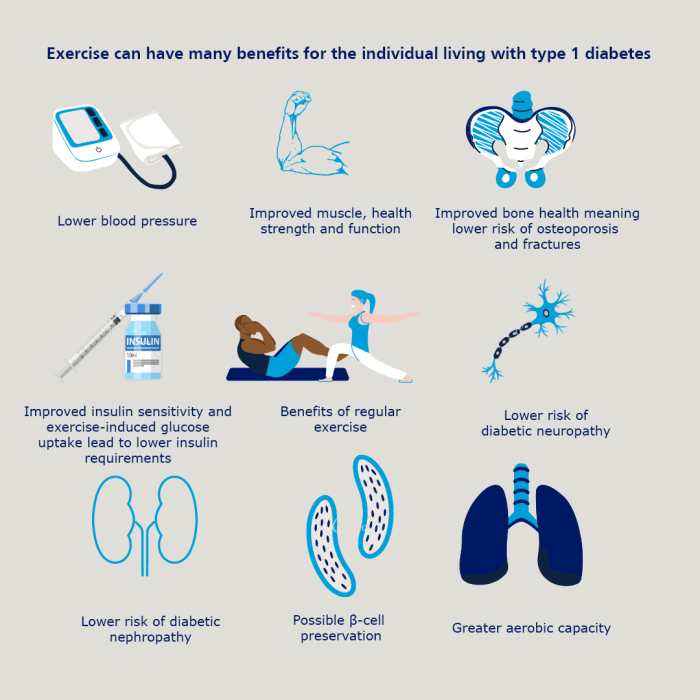
Benefits of regular exercise for diabetes management: Improving Health through Physical Activity

Benefits of regular exercise for diabetes management

Mental Wellness

Regular exercise plays a crucial role in promoting mental well-being for individuals managing diabetes. Physical activity has been shown to have a positive impact on mental health, offering a range of benefits that can enhance overall quality of life for those dealing with diabetes.

Reduced Stress and Anxiety

Engaging in regular exercise can help reduce stress and anxiety levels in individuals with diabetes. Physical activity stimulates the production of endorphins, also known as “feel-good” hormones, which can elevate mood and promote relaxation. By incorporating exercise into their routine, individuals can better manage the stress associated with diabetes management, leading to improved mental well-being.

Improved Cognitive Function

Exercise has been linked to improved cognitive function, including enhanced memory, concentration, and overall cognitive performance. For individuals managing diabetes, maintaining optimal cognitive function is essential for effective self-care and disease management. Regular physical activity can help sharpen cognitive abilities and promote mental clarity, contributing to better overall health outcomes.

Enhanced Sleep Quality

Quality sleep is essential for individuals with diabetes, as inadequate rest can negatively impact blood sugar levels and overall health. Regular exercise has been shown to improve sleep quality by regulating sleep patterns and promoting relaxation. By establishing a consistent exercise routine, individuals can experience better sleep, leading to improved mental wellness and overall health.

Social Connection and Support

Engaging in group exercise activities or classes can provide opportunities for social connection and support, which are crucial for mental well-being. Building relationships with others who share similar experiences can offer emotional support, reduce feelings of isolation, and enhance overall mental health. By participating in exercise programs with a supportive community, individuals managing diabetes can experience a sense of belonging and camaraderie, ultimately improving their mental wellness.

Physical Fitness

Regular exercise plays a crucial role in improving physical fitness levels for individuals managing diabetes. By engaging in consistent physical activity, individuals can enhance their overall health and well-being, leading to better management of their condition.

Impact of Regular Exercise, Benefits of regular exercise for diabetes management

Regular exercise helps individuals with diabetes improve their physical fitness levels by increasing cardiovascular endurance, muscle strength, flexibility, and overall stamina. Physical activity also aids in maintaining a healthy body weight and reducing the risk of developing complications associated with diabetes.

  • Cardiovascular Exercises: Activities such as brisk walking, cycling, swimming, and dancing help improve heart health, boost circulation, and enhance overall fitness levels.
  • Strength Training: Including resistance training exercises like weightlifting or bodyweight exercises can help build muscle mass, improve metabolism, and increase strength, which is beneficial for individuals with diabetes.
  • Flexibility and Balance Exercises: Incorporating yoga, Pilates, or stretching routines can enhance flexibility, balance, and coordination, reducing the risk of falls and injuries.
  • Interval Training: Alternating between high-intensity bursts of activity and rest periods can improve cardiovascular fitness, burn calories, and regulate blood sugar levels effectively.

Role of Physical Fitness in Overall Health

Physical fitness is essential for individuals with diabetes as it contributes to better blood sugar control, reduced insulin resistance, improved mood, increased energy levels, and enhanced quality of life. By maintaining an active lifestyle and focusing on physical fitness, individuals can better manage their diabetes and minimize the impact of related health complications.

Healthy Eating

Benefits of regular exercise for diabetes management
Regular exercise plays a crucial role in managing diabetes, but it is equally important to complement physical activity with a healthy diet. Adopting nutritious eating habits can significantly improve blood sugar control and overall health for individuals with diabetes.

Connection between Exercise and Healthy Eating

A balanced diet rich in fruits, vegetables, whole grains, lean proteins, and healthy fats can enhance the benefits of regular exercise for diabetes management. These foods provide essential nutrients and energy to support physical activity and help regulate blood sugar levels effectively.

Nutritious Foods for Diabetes Management

  • Leafy greens like spinach and kale, which are high in fiber and low in carbohydrates.
  • Lean proteins such as chicken, fish, tofu, and legumes to promote muscle growth and repair.
  • Whole grains like quinoa, brown rice, and oats for sustained energy release.
  • Fruits like berries, apples, and citrus fruits for vitamins, minerals, and antioxidants.
  • Healthy fats from sources like avocados, nuts, seeds, and olive oil to support heart health.

Importance of Balanced Diet and Exercise

A combination of regular exercise and a balanced diet is essential for optimal diabetes management. While exercise helps improve insulin sensitivity and blood sugar control, a healthy diet provides the necessary nutrients to support physical activity and overall well-being. By incorporating both elements into daily routines, individuals with diabetes can effectively manage their condition and reduce the risk of complications.

Preventive Care

Regular exercise plays a crucial role as a form of preventive care for individuals at risk of developing diabetes. By incorporating physical activity into daily routines, individuals can significantly reduce the risk of complications associated with diabetes through preventive measures.

Role of Physical Activity

Regular physical activity helps in improving insulin sensitivity, which is essential for managing blood sugar levels. It also aids in maintaining a healthy weight, reducing inflammation, and improving cardiovascular health. These factors are key in preventing the onset of diabetes and its associated complications.

  • Exercise helps in regulating blood sugar levels by increasing glucose uptake by the muscles, thus reducing the risk of insulin resistance.
  • Physical activity promotes weight loss or weight maintenance, which is crucial in preventing obesity-related diabetes.
  • Regular exercise improves cardiovascular health, reducing the risk of heart disease and other complications related to diabetes.

Balanced Diet: Benefits Of Regular Exercise For Diabetes Management

Maintaining a balanced diet is crucial for individuals with diabetes to effectively manage their condition alongside regular exercise. A balanced diet helps regulate blood sugar levels, provides essential nutrients, and supports overall health outcomes.

Creating a Balanced Diet Plan

  • Include a variety of fruits and vegetables to ensure a good intake of vitamins, minerals, and fiber.
  • Incorporate whole grains like brown rice, quinoa, and whole wheat bread for sustained energy and fiber content.
  • Choose lean protein sources such as skinless poultry, fish, legumes, and tofu to support muscle health.
  • Limit processed foods, sugary beverages, and high-fat snacks to control blood sugar spikes and maintain a healthy weight.
  • Monitor portion sizes and spread out meals throughout the day to prevent drastic fluctuations in blood sugar levels.

Impact on Blood Sugar Levels and Health Outcomes

A balanced diet plays a crucial role in managing blood sugar levels for individuals with diabetes. By consuming a variety of nutrient-dense foods in appropriate portions, individuals can better control their blood sugar levels and reduce the risk of complications associated with diabetes. Additionally, a balanced diet supports overall health outcomes by providing essential nutrients for optimal bodily functions and maintaining a healthy weight.

Regular Exercise

Regular exercise plays a crucial role in managing blood sugar levels for individuals with diabetes. It helps improve insulin sensitivity, allowing cells to better use available insulin to take up glucose from the bloodstream.

Types of Exercises for Individuals with Diabetes

  • Aerobic Exercises: Activities like walking, jogging, swimming, or cycling help increase heart rate and improve cardiovascular health. Aim for at least 150 minutes of moderate-intensity aerobic exercise per week.
  • Strength Training: Weightlifting or resistance exercises help build muscle mass, which can enhance glucose uptake and improve overall metabolism. Include strength training exercises at least 2-3 times per week.
  • Flexibility and Balance Exercises: Yoga or Tai Chi can help improve flexibility, balance, and reduce stress levels, which are beneficial for overall well-being.

Recommended Frequency and Duration

Regular exercise is recommended on most days of the week, aiming for at least 30 minutes of moderate-intensity activity each day. It is important to consult with a healthcare provider or a fitness professional to create a personalized exercise plan that suits individual needs and health goals.

Mental Health

Regular exercise plays a crucial role in improving mental health for individuals with diabetes. Physical activity has been shown to positively impact mood, reduce stress levels, and enhance overall well-being in those managing diabetes. Let’s explore the significant effects of exercise on mental health in the context of diabetes management.

Positive Impact on Mood and Stress Levels

Regular exercise has been proven to release endorphins, also known as “feel-good” hormones, which can help improve mood and reduce feelings of anxiety or depression. By engaging in physical activity, individuals with diabetes can experience a boost in their mental well-being, leading to a more positive outlook on life.

Case Studies and Personal Stories

Numerous case studies and personal stories highlight the transformative effects of exercise on mental health for individuals with diabetes. For example, Sarah, a diabetic patient, noticed a significant decrease in her stress levels and an improvement in her overall mood after incorporating daily walks into her routine. These real-life examples demonstrate the power of physical activity as a form of therapy for managing mental health challenges associated with diabetes.

Physical Activity as Therapy

Exercise can act as a therapeutic tool for individuals with diabetes to cope with the mental health challenges they may face. Whether it’s through aerobic activities like running or cycling, or mind-body exercises like yoga or tai chi, physical activity can help reduce stress, improve mood, and promote emotional well-being. By incorporating regular exercise into their diabetes management plan, individuals can take proactive steps towards enhancing their mental health and overall quality of life.

Holistic Wellness

Regular exercise plays a crucial role in achieving holistic wellness for individuals managing diabetes. It is not just about physical fitness but also encompasses mental and emotional well-being, creating a balanced approach to overall health.

Interconnectedness of Physical, Mental, and Emotional Health

  • Regular exercise helps in regulating blood sugar levels, improving cardiovascular health, and reducing the risk of complications associated with diabetes.
  • Physical activity also releases endorphins, which are known as ‘feel-good’ hormones, promoting mental wellness and reducing stress and anxiety.
  • Emotional well-being is enhanced through exercise as it boosts self-esteem, confidence, and overall mood, leading to a positive outlook on life.

Holistic Approaches for Comprehensive Diabetes Care

  • Integrating regular exercise routines with proper nutrition is essential for managing diabetes effectively. A balanced diet rich in nutrients supports overall health and complements the benefits of physical activity.
  • Engaging in mindfulness practices such as yoga or meditation alongside exercise can help individuals cope with the emotional challenges of diabetes and improve mental well-being.
  • Creating a support network of healthcare professionals, family, and friends who understand the holistic approach to diabetes management can provide encouragement, motivation, and guidance throughout the journey towards wellness.

Chronic Diseases

Regular exercise plays a crucial role in managing chronic diseases such as diabetes by helping to control blood sugar levels, improve insulin sensitivity, and reduce the risk of complications associated with the condition. Additionally, exercise can lead to better cardiovascular health, weight management, and overall well-being for individuals with diabetes.

Impact on Other Chronic Conditions

Regular physical activity can also have a positive impact on other chronic conditions commonly seen in individuals with diabetes, such as hypertension, high cholesterol, and heart disease. Exercise helps to lower blood pressure, improve lipid profiles, and strengthen the heart muscle, thereby reducing the risk of cardiovascular events.

Holistic Approach to Health

Taking a holistic approach to health, which includes regular exercise, can benefit individuals dealing with multiple chronic diseases by improving overall physical and mental well-being. Exercise not only helps to manage individual conditions but also contributes to a healthier lifestyle that can prevent the development of additional chronic diseases in the future.

Immunity Boosters

Regular exercise plays a crucial role in boosting the immune system of individuals managing diabetes. By incorporating immune-boosting exercises into their routine, individuals can reduce the risk of infections and illnesses, leading to overall improved wellness.

Benefits of Regular Exercise for Immune Function in Diabetes Management

Regular physical activity can enhance immune function in individuals with diabetes in several ways. Exercise helps in improving circulation, which allows immune cells to move more efficiently throughout the body to combat infections. Additionally, exercise can reduce inflammation, which is a common issue in diabetes and can weaken the immune system. By engaging in regular exercise, individuals can also manage stress levels, another factor that can impact immune function negatively.

  • Cardiovascular exercises such as brisk walking, cycling, or swimming can help improve circulation and enhance immune response.
  • Strength training exercises can build muscle mass, which plays a role in immune function and overall health.
  • Yoga and meditation can help reduce stress levels, which in turn can boost the immune system.

Key Questions Answered

Benefits of regular exercise for diabetes management – How does regular exercise help in managing blood sugar levels?

Regular exercise aids in improving insulin sensitivity, allowing cells to use blood sugar more effectively, thus helping in managing blood sugar levels.

What are some examples of immune-boosting exercises for individuals with diabetes?

Activities like brisk walking, cycling, and swimming can boost the immune system and contribute to overall wellness for individuals managing diabetes.

Can exercise alone prevent the development of diabetes?

While exercise plays a crucial role in preventing diabetes, it is essential to combine it with a balanced diet and regular monitoring of blood sugar levels for effective prevention.

How does regular exercise impact mental well-being in individuals with diabetes?

Exercise releases endorphins, which are known to improve mood and reduce stress, contributing to enhanced mental well-being for individuals managing diabetes.

Is there an ideal workout routine for individuals with diabetes?

Consulting with a healthcare provider to create a personalized workout plan based on individual needs and fitness levels is recommended for those managing diabetes.

Regular exercise ideas for busy schedules: Stay Active and Healthy

Regular exercise ideas for busy schedules

Mental Wellness

Regular exercise is not only beneficial for physical health but also plays a crucial role in maintaining mental wellness. A healthy mind is essential for overall well-being, as it impacts how we think, feel, and act in our daily lives. Incorporating exercise into a busy schedule can significantly improve mental health and help manage stress, anxiety, and depression.

Importance of Mental Wellness

  • Enhances cognitive function and memory
  • Boosts mood and reduces symptoms of anxiety and depression
  • Improves sleep quality and overall mental clarity

Regular Exercise and Mental Well-being

Regular physical activity releases endorphins, also known as “feel-good” hormones, which can elevate mood and reduce feelings of stress and anxiety. Exercise also helps in increasing blood flow to the brain, promoting the growth of new brain cells and improving overall cognitive function.

Tips for Incorporating Mindfulness Practices

  • Start your day with a short meditation or breathing exercise
  • Take short breaks during the day to practice mindfulness and focus on the present moment
  • Combine exercise with mindfulness by practicing yoga or tai chi
  • Avoid multitasking and focus on one task at a time to reduce stress and improve concentration

Physical Fitness

Regular exercise ideas for busy schedules
Regular physical exercise is crucial for busy individuals as it not only helps in maintaining a healthy weight and reducing the risk of chronic diseases but also improves overall mood and energy levels. Incorporating quick yet effective workouts into a busy schedule can make a significant difference in one’s physical well-being.

Benefits of Physical Fitness for Busy Individuals

  • Improved cardiovascular health and reduced risk of heart disease
  • Enhanced strength and flexibility, reducing the risk of injuries
  • Boosted metabolism, aiding in weight management
  • Increased energy levels and improved mood through the release of endorphins

Quick and Effective Workouts

Regular exercise ideas for busy schedules – For busy schedules, consider the following workouts that can be done in a short amount of time:

  • High-Intensity Interval Training (HIIT) – Short bursts of intense exercise followed by brief rest periods
  • Bodyweight exercises like squats, lunges, push-ups, and planks
  • Tabata workouts – 20 seconds of high-intensity exercise followed by 10 seconds of rest, repeated for 4 minutes
  • Jumping jacks, burpees, or skipping rope for cardiovascular benefits

Significance of Staying Active Throughout the Day

Even if you have a busy schedule, finding ways to stay active throughout the day is essential for maintaining physical fitness. Simple strategies like taking the stairs instead of the elevator, going for short walks during breaks, or incorporating standing desks can help in staying active and avoiding prolonged sitting.

Healthy Eating

Eating a nutritious diet is essential for supporting a busy lifestyle. Proper nutrition provides the energy and nutrients needed to stay focused, productive, and healthy throughout the day.

Tips for Meal Prepping and Planning

Meal prepping and planning can be a lifesaver for busy days. Here are some tips to help you stay on track:

  • Set aside time each week to plan your meals and snacks.
  • Choose simple recipes that can be prepared in advance and easily reheated.
  • Invest in quality food storage containers to keep your meals fresh and organized.
  • Include a variety of fruits, vegetables, lean proteins, and whole grains in your meal prepping.
  • Prepare grab-and-go snacks like cut-up veggies, nuts, or yogurt for busy days.

Importance of Balanced Meals

Balanced meals are crucial for maintaining sustained energy levels throughout the day. A balanced meal should include a combination of carbohydrates, proteins, and fats to keep you feeling full and satisfied. Remember to:

  • Include a source of lean protein in each meal to support muscle growth and repair.
  • Incorporate complex carbohydrates like whole grains and vegetables for lasting energy.
  • Don’t forget healthy fats from sources like avocados, nuts, and olive oil to support brain function and hormone production.
  • Stay hydrated by drinking plenty of water throughout the day to support digestion and overall health.

Preventive Care

Regular exercise is not only essential for physical fitness but also serves as a crucial aspect of preventive care. By incorporating exercise into a busy schedule, individuals can proactively maintain their health and reduce the risk of various illnesses and conditions.

Regular Exercise as Preventive Care

  • Exercise helps strengthen the immune system, making individuals less susceptible to infections and diseases.
  • Regular physical activity can lower the risk of chronic conditions such as heart disease, diabetes, and obesity.
  • Exercise promotes mental well-being and can reduce the risk of anxiety, depression, and other mental health issues.
  • Engaging in regular exercise can improve overall quality of life and increase longevity.

Strategies for Fitting Preventive Health Appointments into a Busy Schedule

  • Prioritize preventive health appointments by scheduling them in advance and treating them as non-negotiable commitments.
  • Utilize telemedicine options for virtual consultations with healthcare providers to save time and avoid travel to appointments.
  • Combine preventive health appointments with other errands or tasks to maximize efficiency and minimize disruptions to your schedule.
  • Take advantage of lunch breaks or early morning slots for appointments to avoid conflicts with work or other obligations.

Balanced Diet

A balanced diet is crucial for maintaining overall well-being as it provides the necessary nutrients our bodies need to function properly. This includes a mix of carbohydrates, proteins, fats, vitamins, and minerals in appropriate proportions.

Foods to Support a Busy Schedule

  • Pre-cut fruits and vegetables for quick and easy snacks
  • Trail mix or nuts for a protein-packed snack on the go
  • Greek yogurt for a filling and nutritious option
  • Canned tuna or salmon for a convenient source of omega-3 fatty acids
  • Whole grain crackers or rice cakes for a fiber boost

Importance of Hydration

Staying hydrated is a key component of maintaining a balanced diet. Water helps transport nutrients, regulate body temperature, and flush out toxins. Aim to drink at least 8 cups of water per day, and more if you are active or live in a hot climate.

Regular Exercise

Regular exercise ideas for busy schedules
Regular exercise is crucial for maintaining overall health and well-being, even with a busy schedule. Incorporating exercise into your routine comes with a multitude of benefits, including improved physical fitness, mental clarity, stress relief, and increased energy levels.

Benefits of Regular Exercise

  • Enhanced cardiovascular health and reduced risk of chronic diseases
  • Improved mood and mental well-being
  • Boosted metabolism and weight management
  • Increased strength, flexibility, and endurance

Time-Efficient Workouts

  • High-Intensity Interval Training (HIIT): Short bursts of intense exercise followed by brief rest periods
  • Tabata: Four-minute workout consisting of 20 seconds of high-intensity exercise and 10 seconds of rest
  • Bodyweight exercises: Push-ups, squats, lunges, and planks can be done anywhere with no equipment

Importance of Consistency

Regular exercise is most effective when done consistently. By establishing a routine and sticking to it, you can maximize the benefits of physical activity. Consistency helps build healthy habits, improves overall fitness levels, and ensures long-term success in achieving your health and wellness goals.

Mental Health: Regular Exercise Ideas For Busy Schedules

Regular exercise has a profound impact on mental health. Engaging in physical activity not only benefits the body but also has positive effects on the mind. Exercise can help in reducing symptoms of depression, anxiety, and stress, while also improving overall mood and well-being.

Connection between regular exercise and mental health

Regular exercise promotes the release of endorphins, often referred to as the “feel-good” hormones. These endorphins act as natural mood lifters, reducing feelings of stress and anxiety. Additionally, exercise can improve sleep quality, boost self-esteem, and increase cognitive function, all of which contribute to better mental health.

Role of physical activity in managing stress and anxiety

Physical activity serves as a powerful stress reliever by reducing levels of cortisol, the stress hormone, in the body. Engaging in exercise can help individuals cope with daily stressors, providing a healthy outlet for pent-up emotions. The act of focusing on physical activity can also divert attention from negative thoughts, promoting mental relaxation.

Tips on creating a supportive environment for mental health well-being

  • Acknowledge and express emotions: Encourage open communication about feelings and emotions to foster a supportive environment.
  • Establish a routine: Incorporating regular exercise into daily schedules can provide structure and stability, promoting mental well-being.
  • Practice mindfulness: Engage in activities like yoga or meditation to enhance self-awareness and reduce stress levels.
  • Connect with others: Build strong social connections to combat feelings of isolation and loneliness, promoting mental health.
  • Seek professional help when needed: Encourage individuals to reach out to mental health professionals for support and guidance.

Holistic Wellness

Holistic wellness is a concept that focuses on achieving overall health and well-being by addressing the physical, mental, emotional, and spiritual aspects of an individual. It emphasizes the interconnectedness of these different elements and how they influence each other to create a balanced and healthy lifestyle.

Integrating Physical Activity, Nutrition, and Mental Wellness, Regular exercise ideas for busy schedules

Integrating physical activity, nutrition, and mental wellness is essential for achieving holistic well-being. Regular exercise helps improve physical health, reduce stress, and boost mental well-being. A balanced diet provides the necessary nutrients for overall health and supports mental clarity. Mental wellness practices such as meditation, mindfulness, and stress management techniques help in maintaining emotional balance and resilience.

  • Engage in a variety of physical activities to keep your exercise routine interesting and effective.
  • Plan and prepare nutritious meals in advance to ensure you’re fueling your body with the right nutrients.
  • Practice mindfulness and relaxation techniques to reduce stress and improve mental well-being.

Chronic Diseases

Regular exercise plays a crucial role in preventing chronic diseases by improving overall health and reducing the risk of developing conditions such as heart disease, diabetes, and hypertension. By engaging in physical activity, individuals can maintain a healthy weight, lower blood pressure, and improve cholesterol levels, all of which are essential in preventing chronic illnesses.

Impact of Lifestyle Factors

  • Lack of physical activity: Sedentary lifestyles contribute to the development of chronic diseases such as obesity, diabetes, and cardiovascular issues.
  • Poor diet: Consuming high amounts of processed foods, sugar, and unhealthy fats can increase the risk of chronic conditions.
  • Smoking and alcohol consumption: These habits can exacerbate the risk of developing chronic diseases like cancer, heart disease, and liver issues.

Managing Chronic Conditions

Regular exercise, combined with lifestyle changes, can help individuals manage chronic conditions effectively. By incorporating physical activity into their daily routine, maintaining a balanced diet, and avoiding harmful habits, individuals can improve their overall health and quality of life. It is essential to consult healthcare professionals for personalized guidance and support in managing chronic illnesses through a holistic approach.

Immunity Boosters

Regular exercise and a strong immune system go hand in hand. Exercise helps to boost the immune system by promoting good circulation, which allows immune cells to move freely throughout the body and do their job effectively. Additionally, physical activity can help to reduce inflammation, which is linked to many chronic diseases and can weaken the immune response.

Nutrition for Immune Health

Proper nutrition is essential for supporting immune health. Eating a balanced diet rich in fruits, vegetables, whole grains, lean proteins, and healthy fats can provide the vitamins, minerals, and antioxidants needed to keep the immune system functioning optimally. Foods like citrus fruits, red bell peppers, almonds, spinach, and yogurt are known for their immune-boosting properties.

Incorporating Immune-Boosting Activities into a Busy Schedule

– Aim to include at least 30 minutes of moderate exercise most days of the week, even if it means breaking it up into shorter sessions throughout the day.
– Prioritize sleep to allow your body to rest and recover, as lack of sleep can weaken the immune system.
– Stay hydrated by drinking plenty of water throughout the day to support overall health and immune function.
– Manage stress through techniques like deep breathing, meditation, yoga, or spending time in nature, as chronic stress can suppress the immune system.
– Consider taking immune-boosting supplements like vitamin C, vitamin D, zinc, and probiotics, but always consult with a healthcare provider before adding new supplements to your routine.

FAQ Resource

How can I find time for exercise in a busy schedule?

Try incorporating short workouts during breaks or waking up earlier to fit in some physical activity before your day gets busy.

What are some quick yet effective workouts for busy individuals?

High-intensity interval training (HIIT), bodyweight exercises, and quick cardio sessions are great options for busy schedules.

How important is consistency in a regular exercise routine?

Consistency is key to seeing long-term benefits from exercise. Aim to establish a routine and stick to it as much as possible.

Can regular exercise really help with managing stress and anxiety?

Absolutely! Physical activity releases endorphins that can help reduce stress and improve your mood, making it a great tool for managing mental health.

Benefits of swimming for physical fitness: Dive into the advantages of swimming for your overall health and well-being

Benefits of swimming for physical fitness

Physical Fitness Benefits of Swimming

Benefits of swimming for physical fitness – Swimming is a fantastic way to improve overall physical fitness, offering a wide range of benefits that positively impact various aspects of our health.

Improved Cardiovascular Health

  • Swimming is an excellent cardiovascular workout that gets the heart pumping and improves circulation.
  • It helps lower blood pressure and reduce the risk of heart disease and stroke.
  • Regular swimming sessions can increase the heart’s efficiency and strengthen it over time.

Muscle Strength and Endurance

  • Swimming engages multiple muscle groups, providing a full-body workout that helps build strength and endurance.
  • It tones muscles and increases muscle mass, promoting a lean and fit physique.
  • Swimming is low-impact, making it ideal for individuals with joint issues or those recovering from injuries.

Flexibility and Joint Health

  • Swimming involves a wide range of motions that enhance flexibility and range of motion in joints.
  • The buoyancy of water reduces pressure on joints, making swimming an excellent exercise for those with arthritis or joint pain.
  • It can help improve posture and reduce the risk of injuries related to tight muscles and limited mobility.

Weight Management and Overall Fitness

  • Swimming burns a significant amount of calories, making it an effective way to manage weight and promote fat loss.
  • It boosts metabolism and can help maintain a healthy body composition when combined with a balanced diet.
  • Swimming regularly can improve overall fitness levels, increase stamina, and promote a sense of well-being.

Mental Wellness Benefits of Swimming: Benefits Of Swimming For Physical Fitness

Swimming not only improves physical fitness but also provides numerous mental wellness benefits.

Stress and Anxiety Reduction

Swimming is known to be a great stress reliever as the rhythmic nature of the strokes and the sound of water can have a calming effect on the mind. The physical activity involved in swimming also helps release endorphins, which are known as ‘feel-good’ hormones that can reduce anxiety levels.

Mental Clarity and Relaxation

The repetitive nature of swimming laps can help clear the mind and provide mental clarity. The focus required to coordinate breathing and movement can also act as a form of meditation, promoting relaxation and reducing mental fatigue.

Improved Mood

Regular swimming has been linked to improved mood and a decrease in symptoms of depression. The combination of physical activity, fresh air, and the sensory experience of being in water can contribute to a more positive outlook on life.

Meditative Aspects

Swimming can be a meditative practice for many individuals, allowing them to disconnect from the outside world and be fully present in the moment. The repetitive motion of swimming back and forth can create a sense of mindfulness and inner peace, promoting overall mental well-being.

Healthy Eating and Swimming

Proper nutrition plays a crucial role in enhancing the performance of swimmers. A balanced diet not only provides the necessary energy but also supports muscle recovery and overall health, allowing swimmers to excel in their training and competitions.

Importance of Nutrition for Swimmers

Swimmers require a well-rounded diet to meet the high energy demands of their rigorous workouts. A diet rich in carbohydrates, proteins, healthy fats, vitamins, and minerals is essential to maintain optimal performance in the water.

Key Nutrients for Swimmers

  • Carbohydrates: Serve as the primary fuel source for swimmers, providing energy for long training sessions and races.
  • Proteins: Aid in muscle repair and growth, crucial for swimmers to recover after intense workouts.
  • Healthy Fats: Support overall health, brain function, and provide a source of sustained energy for endurance swimming.
  • Vitamins and Minerals: Play a vital role in various bodily functions, including muscle function, immune support, and energy production.

Pre and Post-Swimming Meal Ideas

Before hitting the pool, swimmers can benefit from consuming a meal rich in carbohydrates for sustained energy. Some pre-swimming meal ideas include oatmeal with fruits, whole grain toast with nut butter, or a smoothie with yogurt and berries.

After a swim session, it’s important to refuel the body with a combination of carbohydrates and proteins to support muscle recovery. Post-swimming meal ideas may include grilled chicken with quinoa and vegetables, a tuna salad sandwich on whole grain bread, or a protein shake with banana and almond milk.

Preventive Care through Swimming

Regular swimming not only helps in improving physical fitness but also plays a crucial role in preventive care. Swimming has been shown to have a positive impact on preventing chronic diseases and promoting overall health and well-being.

Preventing Chronic Diseases

  • Swimming can help in reducing the risk of chronic conditions such as diabetes and heart diseases. The cardiovascular benefits of swimming, combined with weight management and improved circulation, contribute to better overall health and lower the chances of developing these diseases.

Reducing Risk of Osteoporosis and Arthritis, Benefits of swimming for physical fitness

  • Swimming is a low-impact exercise that can help in strengthening bones and muscles. This can reduce the risk of osteoporosis and arthritis, as the buoyancy of water supports the body and reduces stress on joints, making it an ideal form of exercise for those with these conditions.

Contributing to Overall Preventive Healthcare

  • By engaging in swimming regularly, individuals can improve their immune system, reduce inflammation, and boost their overall health. This contributes to preventive healthcare by strengthening the body’s defenses against various illnesses and diseases.

Long-Term Benefits of Swimming for Preventive Care

  • Swimming is a lifelong activity that can be enjoyed at any age. The consistent practice of swimming can lead to long-term benefits such as improved cardiovascular health, increased muscle strength, and enhanced mental well-being. These cumulative effects help in maintaining overall health and preventing the onset of various health issues as individuals age.

Balanced Diet and Swimming

Maintaining a balanced diet is crucial for swimmers to support their physical fitness and optimize their performance in the water. A well-rounded nutritional plan can provide the energy and nutrients necessary for endurance, strength, and overall health.

Importance of a Balanced Diet

A balanced diet rich in carbohydrates, proteins, fats, vitamins, and minerals is essential for swimmers. Carbohydrates serve as the primary fuel source for energy during workouts, while proteins support muscle repair and growth. Healthy fats aid in nutrient absorption and provide long-lasting energy. Vitamins and minerals play a key role in various bodily functions, including muscle contractions and recovery.

  • Example meals:
  • Breakfast: Whole grain toast with avocado and eggs, a side of fruit
  • Lunch: Grilled chicken salad with quinoa, mixed vegetables, and a vinaigrette dressing
  • Dinner: Baked salmon with sweet potato and steamed broccoli

Supporting Nutritional Needs

Different food groups contribute to swimmers’ nutritional needs in unique ways. Carbohydrates provide quick energy, proteins aid in muscle repair and growth, healthy fats support overall health, and vitamins/minerals ensure proper bodily functions. By incorporating a variety of foods from each group, swimmers can maintain a well-rounded diet that fuels their training and recovery.

Enhancing Swimming Performance

Consuming meals rich in carbohydrates before a swim can boost energy levels, while protein-rich snacks post-workout aid in muscle recovery. Hydration is also key, as staying well-hydrated supports performance and prevents fatigue. By fueling the body with the right nutrients at the right times, swimmers can enhance their performance in the water.

Correlation with Swimming Efficiency

A balanced diet directly impacts swimming efficiency by providing the necessary fuel and nutrients for optimal performance. Swimmers who prioritize nutrition often experience improved endurance, faster recovery times, and overall better results in their training. By paying attention to what they eat and ensuring a balanced intake, swimmers can maximize their efficiency in the water.

Regular Exercise and Swimming

Swimming is not just a recreational activity; it is also an excellent form of exercise that can be incorporated into a regular fitness routine.

Full-Body Workout with Swimming

Swimming engages multiple muscle groups simultaneously, making it a fantastic full-body workout. It helps strengthen muscles in the arms, legs, core, and back, while also improving cardiovascular endurance. This holistic approach to exercise ensures that no muscle group is left untouched, leading to improved overall fitness levels.

Cross-Training Benefits of Swimming

Incorporating swimming into a cross-training routine can have numerous benefits for overall health. By alternating between swimming and other forms of exercise such as running or weight training, individuals can reduce the risk of overuse injuries and prevent workout plateaus. The varied nature of swimming also challenges the body in different ways, promoting muscle balance and flexibility.

Contribution to a Well-Rounded Fitness Regimen

Swimming offers a low-impact yet highly effective form of exercise that complements other fitness activities. Whether used as a primary workout or as a supplement to existing routines, swimming can help individuals achieve a well-rounded fitness regimen. Its ability to improve strength, endurance, and flexibility makes it a valuable addition to any exercise plan.

Mental Health Benefits of Swimming

Swimming not only benefits physical health but also plays a significant role in boosting mental well-being. The following points highlight the positive impact of swimming on mental health:

Boost Self-Esteem and Confidence

Swimming can help individuals improve their self-esteem and confidence levels. As swimmers set goals and achieve them, they gain a sense of accomplishment and self-worth, which can translate into increased confidence in other areas of life.

Psychological Benefits of Setting and Achieving Swimming Goals

Setting and achieving swimming goals can have a positive impact on mental health. It helps individuals stay focused, motivated, and disciplined, leading to a sense of purpose and fulfillment. This can contribute to improved mental well-being and overall happiness.

Impact of Swimming on Mental Resilience and Coping Mechanisms

Swimming can enhance mental resilience by providing a coping mechanism for dealing with stress, anxiety, and other mental health challenges. The repetitive nature of swimming, combined with the focus required, can help individuals clear their minds and build resilience against negative emotions.

Emotional Well-Being Promoted by Regular Swimming

Regular swimming has been linked to improved emotional well-being. The release of endorphins during exercise can boost mood and reduce feelings of anxiety and depression. Swimming in a peaceful environment, such as a quiet pool or natural body of water, can also have a calming effect on the mind.

Holistic Wellness with Swimming

Benefits of swimming for physical fitness
Swimming is not just a physical exercise; it is a holistic approach to well-being that encompasses the mind, body, and emotions. By engaging in regular swimming sessions, individuals can experience a myriad of benefits that contribute to overall wellness.

Interconnectedness of Physical, Mental, and Emotional Health

  • Swimming helps improve cardiovascular health, muscle strength, and flexibility, leading to a physically fit body.
  • It also releases endorphins, the “feel-good” hormones, which can reduce stress, anxiety, and depression, promoting mental well-being.
  • The rhythmic breathing and focus required during swimming can help calm the mind and improve emotional stability.

Overall Wellness Benefits of Swimming

  • Swimming enhances overall endurance, promoting a healthy lifestyle and increasing longevity.
  • It can aid in weight management by burning calories effectively while being gentle on the joints.
  • Improvement in sleep quality and relaxation are additional benefits that contribute to holistic wellness.

Fostering a Balanced and Healthy Lifestyle

  • Swimming can be a meditative practice that fosters mindfulness and self-awareness, promoting emotional balance.
  • Incorporating swimming into a regular exercise routine can lead to a more balanced lifestyle, combining physical activity with mental and emotional well-being.
  • By making swimming a part of daily or weekly routines, individuals can achieve a holistic approach to wellness that encompasses all aspects of health.

Swimming for Preventing Chronic Diseases

Swimming is not only a great form of exercise but also plays a significant role in preventing chronic diseases. It offers a low-impact workout that can benefit individuals dealing with conditions like asthma and arthritis. The buoyancy of water reduces stress on joints and muscles, making it easier for those with chronic illnesses to exercise without causing further strain.

Managing Conditions like Asthma and Arthritis

Swimming can be particularly beneficial for individuals with asthma and arthritis. The humid environment of indoor pools can help improve breathing for asthma patients, while the gentle movements in water can reduce inflammation and pain for those with arthritis. The controlled breathing techniques in swimming can also enhance lung capacity and overall respiratory function, which is beneficial for asthma management.

Benefits for Individuals with Chronic Illnesses

For individuals with chronic illnesses, swimming offers a holistic approach to improving overall health. It can help in maintaining a healthy weight, improving cardiovascular health, and enhancing muscle strength. The repetitive nature of swimming strokes can also aid in improving flexibility and range of motion, which is crucial for individuals with conditions like arthritis.

Supporting Recovery and Rehabilitation

Swimming is often recommended as part of recovery and rehabilitation programs for various chronic diseases. The buoyancy of water provides a supportive environment for individuals recovering from injuries or surgeries. It allows for gentle movement and muscle strengthening without putting excessive strain on the body. Swimming can also help in regaining mobility and coordination, which is essential for rehabilitation after certain illnesses.

Positive Impact on Chronic Disease Management

Numerous studies have highlighted the positive impact of swimming on chronic disease management. From reducing symptoms and pain to improving overall quality of life, swimming has been shown to be an effective form of exercise for individuals with various health conditions. Success stories of individuals incorporating swimming into their wellness routines and experiencing significant improvements in their health outcomes are a testament to the benefits of this aquatic activity.

Immunity Boosters from Swimming

Swimming is not only a great form of exercise but also plays a significant role in boosting immunity. Regular swimming can strengthen the immune system, reducing the risk of infections and illnesses. The overall health benefits of swimming contribute to improved immunity by enhancing various bodily functions.

Relationship between Swimming and a Strengthened Immune System

Swimming helps improve circulation, which allows immune cells to move through the body more efficiently. This increased circulation can aid in the early detection and elimination of pathogens, reducing the chances of falling ill.

Reducing Risk of Infections and Illnesses

  • Swimming can help improve respiratory function, making the body more resistant to respiratory infections.
  • The combination of aerobic exercise and water resistance strengthens muscles and improves overall physical health, reducing the susceptibility to illnesses.
  • Regular swimming can also help regulate blood pressure and lower inflammation levels, which are important factors in maintaining a healthy immune system.

Overall Health Benefits Contributing to Improved Immunity

  • Swimming promotes cardiovascular health, which is essential for overall well-being and immune function.
  • The stress-relieving properties of swimming can reduce the production of stress hormones that can weaken the immune system.
  • Increased lung capacity and oxygen intake from swimming can enhance the body’s ability to fight off infections and diseases.

Connection between Swimming, Stress Reduction, and Immune Function

Swimming is known to be a mood-boosting activity that can reduce stress and anxiety levels. Lower stress levels can contribute to better immune function, as chronic stress has been linked to a weakened immune response. By engaging in regular swimming sessions, individuals can improve their mental well-being and enhance their immunity simultaneously.

Essential FAQs

Can swimming help in managing chronic diseases?

Yes, swimming can aid in managing conditions like asthma and arthritis due to its low-impact nature and benefits for muscle strength and endurance.

Is swimming alone enough for weight management?

While swimming is great for overall fitness, combining it with a balanced diet and other forms of exercise can enhance weight management results.

How does swimming contribute to mental wellness?

Swimming reduces stress and anxiety, promotes mental clarity, and can boost self-esteem and confidence, leading to improved overall mental health.

Can swimming prevent chronic diseases?

Swimming can help prevent conditions like diabetes and heart diseases by improving cardiovascular health and overall fitness levels.

What are some key nutrients needed for swimmers?

Swimmers require nutrients like protein for muscle repair, carbohydrates for energy, and hydration to support their activity levels.

Benefits of strength training for physical fitness: Enhancing Health and Well-being

Benefits of strength training for physical fitness

Benefits of Strength Training for Physical Fitness

Benefits of strength training for physical fitness
Strength training plays a crucial role in improving overall physical fitness. It not only enhances muscle strength and endurance but also has various other benefits that contribute to overall well-being.

Improvement in Muscle Strength and Endurance

Strength training involves exercises that target specific muscle groups, leading to increased muscle mass, strength, and endurance. By regularly engaging in strength training routines, individuals can enhance their physical performance in various activities, such as lifting heavy objects, running, or playing sports.

Types of Strength Training Exercises

There are different types of strength training exercises, including bodyweight exercises (e.g., push-ups, squats), free weight exercises (e.g., dumbbell curls, barbell bench press), and resistance band exercises. Each type offers unique benefits and can be tailored to individual fitness goals.

Impact on Bone Health and Density

Strength training is known to improve bone health by increasing bone density and reducing the risk of osteoporosis. Weight-bearing exercises, such as squats and lunges, stimulate bone growth, making bones stronger and less prone to fractures.

Benefits for Weight Management

Incorporating strength training into a fitness routine can aid in weight management and fat loss. Muscle tissue burns more calories at rest compared to fat tissue, so increasing muscle mass through strength training can help boost metabolism and support weight loss efforts.

Mental Wellness

Benefits of strength training for physical fitness – Strength training not only benefits physical fitness but also plays a crucial role in enhancing mental wellness. The connection between physical activity and mental health is well-established, with strength training offering unique advantages in this aspect.

Positive Impact on Mental Health

Regular strength training has been shown to reduce symptoms of anxiety and depression by releasing endorphins, which are known as the “feel-good” hormones. This can lead to improved mood, increased self-esteem, and reduced feelings of stress and tension.

Connection between Physical Fitness and Mental Well-being

  • Improved Cognitive Function: Strength training can enhance cognitive function, memory, and focus, which are essential for overall mental well-being.
  • Stress Reduction: Engaging in strength training can help in managing stress levels and promoting relaxation, leading to a calmer mind.
  • Boosted Confidence: Achieving fitness goals through strength training can boost self-confidence and provide a sense of accomplishment, positively impacting mental health.

Incorporating Strength Training into a Mental Wellness Routine

  • Schedule Regular Workouts: Plan consistent strength training sessions into your weekly routine to prioritize both physical and mental health.
  • Combine with Mindfulness Practices: Pair strength training with mindfulness techniques such as deep breathing or meditation to create a holistic approach to mental wellness.
  • Seek Professional Guidance: Consult with a fitness trainer or mental health professional to develop a personalized strength training plan that aligns with your mental wellness goals.

Mental Health Benefits from Strength Training

  • Enhanced Mood: Regular strength training can lead to a more positive mood and reduced feelings of depression and anxiety.
  • Stress Relief: Engaging in strength training activities can help in managing stress and promoting relaxation, contributing to better mental well-being.
  • Improved Sleep: Strength training has been linked to better sleep quality, which is vital for overall mental health and cognitive function.

Healthy Eating

When it comes to maximizing the benefits of strength training, nutrition plays a crucial role in supporting muscle growth, repair, and overall physical performance. A balanced diet rich in essential nutrients can complement your strength training regimen and help you achieve your fitness goals more effectively.

Importance of Nutrition in Conjunction with Strength Training

Proper nutrition is essential for providing the energy and nutrients needed for muscle recovery and growth after intense strength training sessions. Without adequate nutrition, the body may not be able to repair and build new muscle tissue efficiently, hindering progress in strength training.

Balanced Diet and Strength Training

A balanced diet that includes a variety of nutrient-dense foods such as lean proteins, complex carbohydrates, healthy fats, fruits, and vegetables can provide the necessary nutrients to support muscle development and recovery. Proteins are crucial for muscle repair, while carbohydrates fuel workouts and replenish glycogen stores.

Nutrient-Rich Foods for Muscle Recovery and Growth

  • Lean proteins like chicken, turkey, fish, eggs, and plant-based sources such as tofu and legumes
  • Complex carbohydrates like whole grains, quinoa, sweet potatoes, and fruits
  • Healthy fats from sources like avocados, nuts, seeds, and olive oil
  • Foods rich in vitamins and minerals such as leafy greens, berries, and nuts

Tips for Meal Planning to Enhance Strength Training Benefits

  • Plan balanced meals that include a mix of proteins, carbohydrates, and fats to support muscle recovery and energy levels.
  • Prep meals in advance to ensure you have nutritious options readily available, especially after workouts when the body needs fuel for recovery.
  • Stay hydrated by drinking plenty of water throughout the day to support digestion, nutrient absorption, and overall performance during strength training sessions.
  • Consider consulting with a nutritionist or dietitian to create a personalized meal plan that aligns with your fitness goals and training routine.

Preventive Care

Benefits of strength training for physical fitness
Strength training is not only beneficial for physical fitness and mental wellness but also plays a crucial role in preventive care. By incorporating strength training exercises into your routine, you can significantly reduce the risk of injuries, improve joint health and flexibility, and lower the chances of developing chronic conditions.

Injury Prevention

Strength training helps strengthen muscles, tendons, and ligaments, providing better support and stability to your joints. This, in turn, can help prevent injuries, especially during physical activities or sports that put stress on the body. By improving overall strength and balance, you can reduce the likelihood of strains, sprains, and other common injuries.

Joint Health and Flexibility

Engaging in regular strength training exercises can help maintain and improve joint health by promoting better alignment and reducing the risk of degenerative conditions like arthritis. Additionally, strength training can enhance flexibility by increasing the range of motion in your joints, making daily movements easier and reducing the risk of stiffness or discomfort.

Risk of Chronic Conditions

Strength training has been shown to have a positive impact on various chronic conditions, including heart disease, diabetes, and osteoporosis. By building muscle mass and improving overall fitness levels, you can lower your risk of developing these conditions and manage existing ones more effectively. Strength training also helps regulate blood sugar levels, improve cardiovascular health, and strengthen bones, all of which contribute to overall wellness.

Preventive Care Routines

  • Include a mix of compound and isolation exercises to target different muscle groups and movement patterns.
  • Focus on proper form and technique to prevent injuries and maximize the benefits of each exercise.
  • Progress gradually by increasing weight or intensity to continue challenging your muscles and avoiding plateaus.
  • Combine strength training with cardiovascular exercise and flexibility training for a well-rounded fitness routine.

Balanced Diet

Maintaining a balanced diet is crucial for individuals engaged in strength training as it directly impacts muscle repair, growth, and overall performance. Proper nutrition ensures that the body has the necessary nutrients to recover and build muscle after intense workouts.

Importance of Balanced Diet for Muscle Repair and Growth

A balanced diet rich in protein, carbohydrates, healthy fats, vitamins, and minerals plays a key role in supporting muscle repair and growth post-workout. Protein is essential for muscle recovery, while carbohydrates provide the energy needed for intense training sessions. Healthy fats help with hormone production and nutrient absorption, while vitamins and minerals support overall health and well-being.

  • Include lean protein sources such as chicken, fish, tofu, and legumes in every meal to support muscle repair and growth.
  • Consume complex carbohydrates like whole grains, fruits, and vegetables to fuel your workouts and replenish glycogen stores.
  • Aim to include healthy fats from sources like avocados, nuts, seeds, and olive oil to support hormone production and nutrient absorption.
  • Ensure you are getting an adequate intake of vitamins and minerals through a variety of fruits, vegetables, and whole foods to support overall health and recovery.

Adjusting Nutrient Intake Based on Strength Training Goals

Depending on your strength training goals, nutrient intake may need to be adjusted to support muscle gain, fat loss, or overall performance. For muscle gain, focus on consuming a slightly higher calorie intake with a balance of protein, carbs, and fats. For fat loss, prioritize protein intake to maintain muscle mass while creating a calorie deficit. For overall performance, ensure you are getting enough calories to fuel your workouts and support recovery.

  • Track your macronutrient intake to ensure you are meeting your protein, carb, and fat goals based on your training objectives.
  • Adjust your calorie intake based on your energy expenditure and goals, whether it’s muscle gain, fat loss, or maintenance.
  • Stay hydrated and consume adequate fluids to support digestion, nutrient absorption, and overall performance during strength training sessions.

Meal Plans for Individuals Engaged in Strength Training

Here are some examples of meal plans that cater to individuals engaged in strength training:

Meal Food
Breakfast Scrambled eggs with spinach and whole grain toast
Snack Greek yogurt with berries and almonds
Lunch Grilled chicken salad with quinoa and avocado
Snack Protein shake with banana and peanut butter
Dinner Salmon with sweet potato and steamed broccoli

Regular Exercise

Regular exercise is crucial for maintaining overall health and well-being, and incorporating strength training into a consistent workout routine can have numerous benefits. Consistency in strength training plays a key role in enhancing physical fitness by building muscle strength, improving endurance, and boosting metabolism.

Significance of Strength Training in a Regular Exercise Routine

Strength training helps to increase muscle mass, which in turn can lead to a higher resting metabolic rate. This means that even when at rest, individuals who engage in regular strength training burn more calories throughout the day. Additionally, building muscle strength can improve overall body composition, increase bone density, and enhance joint stability.

Benefits of Combining Strength Training with Other Forms of Exercise

Incorporating strength training into a workout routine that includes cardiovascular exercises, such as running or cycling, can provide a well-rounded approach to fitness. Cardiovascular exercises help improve cardiovascular health, while strength training focuses on building muscle strength and endurance. This combination can lead to enhanced overall physical fitness, increased energy levels, and improved athletic performance.

Examples of Workout Schedules Prioritizing Strength Training

– Monday: Strength training focusing on upper body (e.g., bench press, bicep curls)
– Tuesday: Cardiovascular exercise (e.g., running, swimming)
– Wednesday: Strength training focusing on lower body (e.g., squats, lunges)
– Thursday: Yoga or Pilates for flexibility and core strength
– Friday: Full-body strength training circuit
– Saturday: Rest day or light activity (e.g., walking, stretching)
– Sunday: Outdoor activity or recreational sport for variety and enjoyment

By incorporating regular strength training sessions into a weekly workout schedule, individuals can experience a wide range of physical benefits that contribute to overall health and well-being.

Mental Health

Strength training not only benefits physical fitness but also plays a significant role in improving mental health outcomes. The connection between strength training and mental well-being is profound and can positively impact overall wellness.

Alleviating Stress and Anxiety

Strength training has been shown to be an effective tool in reducing stress and anxiety levels. Engaging in regular strength training sessions helps release endorphins, also known as ‘feel-good’ hormones, which can elevate mood and reduce feelings of stress and anxiety.

  • Strength training provides a healthy outlet to release pent-up emotions and tension, promoting relaxation and a sense of calm.
  • Building physical strength can also lead to increased self-confidence and a more positive self-image, which can contribute to better mental well-being.
  • Establishing a routine with strength training can help individuals manage stress more effectively and improve their overall resilience to life’s challenges.

Personal Testimonials

“Since incorporating strength training into my fitness routine, I have noticed a significant decrease in my anxiety levels. The feeling of empowerment that comes from getting stronger physically has translated into feeling more capable of handling stress in my daily life.”

Tips for Mental Well-Being

  1. Start with a manageable routine: Begin with lighter weights and gradually increase the intensity as you build strength and confidence.
  2. Focus on proper form: Ensuring correct form during strength training not only prevents injuries but also promotes mindfulness and concentration, which can have a calming effect on the mind.
  3. Combine strength training with mindfulness practices such as deep breathing or meditation to enhance the mental benefits of your workouts.

Holistic Wellness

Strength training plays a crucial role in achieving holistic wellness by addressing physical fitness, mental health, and overall well-being. The interconnectedness of these aspects highlights the importance of incorporating strength training into a well-rounded wellness routine.

Integration of Strength Training

Strength training not only helps improve physical strength and endurance but also contributes to mental wellness by reducing stress and anxiety. By engaging in regular strength training sessions, individuals can enhance their overall well-being and quality of life.

Strategies for Achieving Holistic Wellness

– Incorporate strength training exercises into your weekly workout routine to improve muscle tone and bone density.
– Practice mindfulness and meditation to enhance mental clarity and reduce stress levels.
– Prioritize healthy eating habits by consuming a balanced diet rich in fruits, vegetables, lean proteins, and whole grains.
– Get an adequate amount of sleep each night to support recovery and promote overall well-being.
– Stay hydrated throughout the day to maintain optimal physical and mental performance.

Examples of Holistic Wellness Routines

  • Monday: Strength training session focusing on upper body exercises followed by a yoga class for flexibility and relaxation.
  • Wednesday: Cardio workout such as running or cycling outdoors to boost cardiovascular health, combined with a nutritious post-workout meal.
  • Friday: Full-body strength training routine incorporating compound movements like squats, deadlifts, and lunges for overall muscle development.

Chronic Diseases

Strength training is not only beneficial for physical fitness but also plays a crucial role in managing and preventing certain chronic diseases. Let’s delve into how strength training can positively impact conditions like diabetes, heart disease, and osteoporosis.

Diabetes, Benefits of strength training for physical fitness

Strength training has been shown to improve insulin sensitivity, allowing better control of blood sugar levels in individuals with diabetes. Research studies have demonstrated that regular strength training can lead to reduced HbA1c levels, which is a key marker for long-term blood sugar control in diabetic patients. By increasing muscle mass and improving glucose metabolism, strength training can help individuals with diabetes better manage their condition.

Heart Disease

Engaging in strength training exercises can help lower blood pressure, reduce bad cholesterol levels, and improve overall cardiovascular health. This can significantly reduce the risk of developing heart disease or experiencing cardiac events. Incorporating strength training into a well-rounded exercise routine can strengthen the heart muscle, improve circulation, and promote better heart function.

Osteoporosis

Strength training is essential for maintaining bone density and reducing the risk of osteoporosis, especially in older adults. Weight-bearing exercises, such as lifting weights or using resistance bands, can stimulate bone growth and increase bone strength. Research has shown that targeted strength training programs can help prevent bone loss and improve bone mineral density, reducing the risk of fractures associated with osteoporosis.

Immunity Boosters

Strength training plays a crucial role in boosting immunity by improving overall physical fitness and immune function. The relationship between strength training and immune health is significant, as regular exercise can enhance the body’s defense mechanisms.

Benefits of Strength Training for Immune Health

  • Increased Production of White Blood Cells: Strength training can stimulate the production of white blood cells, which are essential for fighting off infections and illnesses.
  • Reduced Inflammation: By reducing chronic inflammation in the body, strength training can help the immune system function more effectively.
  • Enhanced Circulation: Improved blood flow from strength training can ensure that immune cells are transported efficiently throughout the body.
  • Stress Reduction: Regular strength training can reduce stress levels, which can have a positive impact on immune function.

General Inquiries: Benefits Of Strength Training For Physical Fitness

How often should I engage in strength training sessions?

It is recommended to aim for at least 2-3 strength training sessions per week to see optimal results and improvements in muscle strength and endurance.

Can strength training help with weight management?

Absolutely, strength training not only builds muscle but also boosts metabolism, helping in weight management by burning more calories even at rest.

Is it necessary to follow a specific diet while engaging in strength training?

While there is no one-size-fits-all diet for strength training, focusing on a balanced diet rich in lean proteins, whole grains, and fruits and vegetables can enhance the benefits of your workouts.

How does strength training contribute to mental wellness?

Strength training releases endorphins, the feel-good hormones, which can help reduce stress, anxiety, and improve overall mood and mental well-being.