Holistic Wellness Through Mindfulness and Meditation

How to achieve holistic wellness through mindfulness and meditation

How to achieve holistic wellness through mindfulness and meditation is a journey of self-discovery and inner peace. It’s about recognizing the interconnectedness of our physical, mental, emotional, and spiritual well-being, and understanding how each aspect influences the others. By cultivating mindfulness and engaging in meditation practices, we can learn to navigate the complexities of life with greater awareness, resilience, and compassion.

This guide explores the foundations of holistic wellness, delving into the benefits of mindfulness and meditation, and providing practical strategies for integrating these practices into daily life. We’ll discuss how to manage stress, cultivate emotional well-being, enhance physical fitness, and nourish our bodies with healthy foods.

Through these practices, we can create a more balanced and fulfilling life, fostering a sense of harmony and purpose.

Understanding Holistic Wellness

Holistic wellness encompasses a comprehensive approach to well-being, recognizing the interconnectedness of various aspects of our lives. It emphasizes that true health goes beyond the absence of disease and involves achieving a state of balance and harmony across all dimensions of our being.

The Pillars of Holistic Wellness

Holistic wellness is often understood through a framework of interconnected pillars. These pillars represent different facets of our lives that contribute to overall well-being. Understanding these pillars helps us recognize how each aspect influences the others and allows us to focus on cultivating balance across all areas.

  • Physical Well-being: This pillar encompasses our physical health, including nutrition, exercise, sleep, and overall body function. Regular physical activity, a balanced diet, and adequate sleep are crucial for maintaining physical health and preventing disease.
  • Mental Well-being: Mental well-being refers to our cognitive health, including our thoughts, feelings, and emotions. It involves managing stress, fostering positive thinking, and developing healthy coping mechanisms.
  • Emotional Well-being: This pillar encompasses our emotional health, including our ability to express and manage our emotions in a healthy way. It involves developing emotional intelligence, building strong relationships, and seeking support when needed.
  • Spiritual Well-being: Spiritual well-being is about finding meaning and purpose in life. It involves connecting with something larger than ourselves, whether through religion, nature, art, or other forms of spirituality.
  • Social Well-being: This pillar focuses on our relationships with others and our sense of belonging. It involves building strong social connections, engaging in meaningful interactions, and contributing to our communities.

Interconnectedness of Wellness Pillars

The pillars of holistic wellness are interconnected and influence each other in complex ways. For example, a lack of physical activity can lead to stress and anxiety, impacting mental well-being. Similarly, emotional distress can affect our sleep patterns and physical health.

“Holistic wellness is about understanding that our physical, mental, emotional, and spiritual health are all interconnected. When one area is out of balance, it can affect the others.”

Here are some examples of how these aspects influence each other:

  • Physical health and mental health: Regular exercise has been shown to reduce stress and improve mood. Conversely, chronic stress can weaken the immune system and increase the risk of physical illness.
  • Emotional health and social well-being: Strong social connections provide emotional support and reduce feelings of loneliness. Conversely, social isolation can lead to increased stress and anxiety.
  • Spiritual well-being and physical health: A sense of purpose and meaning in life can motivate individuals to take better care of their physical health. Conversely, chronic illness can lead to existential questioning and a sense of loss of control.

Mindfulness and Meditation

Mindfulness and meditation are two powerful practices that have been shown to improve mental, emotional, and physical well-being. While often used interchangeably, they have distinct meanings and applications. This section delves into their definitions, benefits, and different types of meditation practices, paving the way for a deeper understanding of their roles in achieving holistic wellness.

Mindfulness: Paying Attention to the Present Moment

Mindfulness is the practice of paying attention to the present moment without judgment. It involves observing thoughts, feelings, and sensations as they arise, without getting caught up in them. Mindfulness is not about emptying the mind or achieving a state of bliss; it’s about being fully present in the here and now.

Benefits of Mindfulness

Mindfulness has been linked to numerous benefits, including:

  • Reduced Stress and Anxiety:Mindfulness helps to calm the nervous system and reduce stress hormones, leading to a sense of peace and relaxation.
  • Improved Emotional Regulation:By observing emotions without judgment, mindfulness allows for greater awareness and control over emotional responses.
  • Enhanced Focus and Concentration:Mindfulness cultivates the ability to stay present and focused, improving attention span and concentration.
  • Increased Self-Awareness:Mindfulness fosters a deeper understanding of one’s thoughts, feelings, and behaviors, promoting self-reflection and personal growth.
  • Improved Sleep Quality:Mindfulness practices before bed can help to calm the mind and promote restful sleep.

Meditation: Cultivating Inner Peace

Meditation is a practice that involves focusing the mind on a single point of reference, such as the breath, a mantra, or an image. It aims to quiet the mind and achieve a state of deep relaxation and inner peace.

Types of Meditation Practices

There are many different types of meditation practices, each with its own unique approach and benefits:

  • Mindful Breathing Meditation:This simple practice involves focusing on the breath, observing the sensations of each inhale and exhale. It helps to calm the mind and bring awareness to the present moment.
  • Guided Meditation:Guided meditations involve following a recorded voice that leads you through a series of visualizations, affirmations, or other techniques. They can be helpful for beginners or for addressing specific concerns.
  • Transcendental Meditation:This technique involves repeating a specific mantra silently to quiet the mind and achieve a state of deep relaxation.
  • Walking Meditation:This practice involves paying attention to the sensations of walking, such as the feeling of the feet on the ground and the movement of the body. It can be a great way to bring mindfulness into everyday activities.
  • Loving-Kindness Meditation:This type of meditation focuses on cultivating feelings of love, compassion, and kindness towards oneself and others. It can help to reduce negativity and promote feelings of well-being.

Designing a Simple Meditation Routine for Beginners

Creating a regular meditation practice can be transformative. Here’s a simple routine for beginners:

  1. Find a Quiet Space:Choose a quiet and comfortable place where you won’t be disturbed. It could be your bedroom, a park bench, or even a quiet corner in your office.
  2. Set a Timer:Start with short sessions, such as 5-10 minutes, and gradually increase the duration as you become more comfortable.
  3. Focus on Your Breath:Sit or lie down in a comfortable position and focus on your breath. Notice the rise and fall of your chest or abdomen as you inhale and exhale.
  4. Observe Your Thoughts:As thoughts arise, simply acknowledge them without judgment. Don’t try to push them away; just observe them as passing clouds in the sky.
  5. Be Patient and Kind to Yourself:Meditation is a practice, not a performance. There will be times when your mind wanders. Simply return your attention to your breath and continue practicing.

Mindfulness in Daily Life

Mindfulness is not just a practice for meditation sessions; it’s a skill that can be integrated into every aspect of your life.

By bringing awareness to the present moment, you can cultivate a sense of calm, clarity, and appreciation for the simple things.

Incorporating Mindfulness into Work

Mindfulness can significantly enhance your work performance and overall well-being. Here are some practical tips:

  • Start your day with a mindful intention:Before diving into your tasks, take a few moments to reflect on your goals and set a mindful intention for the day. This can help you stay focused and aligned with your priorities.
  • Practice mindful breathing throughout the day:When you feel stressed or overwhelmed, take a few deep breaths, focusing on the sensation of your breath entering and leaving your body. This simple technique can help calm your mind and reduce anxiety.
  • Engage in mindful tasks:Even routine tasks like typing, answering emails, or making phone calls can be opportunities for mindfulness. Pay attention to the sensations of your body, the sounds around you, and the thoughts that arise.
  • Take mindful breaks:Instead of mindlessly scrolling through your phone or browsing the internet, use your breaks to engage in activities that bring you joy and relaxation. This could include taking a walk in nature, listening to music, or simply enjoying a cup of tea.

Mindful Relationships

Mindfulness can deepen your connections with others by fostering empathy, understanding, and compassion. Here’s how:

  • Practice active listening:When engaging in conversations, truly listen to what the other person is saying, paying attention to their words, tone of voice, and body language. Avoid interrupting or formulating your response while they are speaking.
  • Cultivate empathy:Try to see things from the other person’s perspective, even if you don’t agree with them. This can help you understand their feelings and motivations.
  • Express gratitude:Regularly express your appreciation for the people in your life. This can strengthen your bonds and foster a sense of positivity.
  • Practice forgiveness:Holding onto anger and resentment can be harmful to both you and your relationships. Mindfulness can help you let go of these negative emotions and move forward.

Mindfulness in Leisure

Mindfulness can transform your leisure time into a truly enriching experience.

  • Engage in mindful activities:Choose activities that allow you to fully immerse yourself in the present moment. This could include hobbies like gardening, painting, playing music, or simply enjoying a walk in nature.
  • Practice mindful eating:Pay attention to the taste, texture, and aroma of your food. Savor each bite and appreciate the experience of nourishing your body.
  • Practice mindful movement:Engage in activities like yoga, tai chi, or dancing, focusing on your body’s movements and sensations.

Mindful Practices for Various Situations

Situation Mindful Practice
Waiting in line Focus on your breath, observe the people around you, or mentally scan your body.
Driving Pay attention to the sensations of driving, the sounds of the engine, and the scenery passing by.
Eating a meal Savor each bite, noticing the flavors, textures, and aromas.
Engaging in a conversation Listen attentively to the other person, focusing on their words, tone of voice, and body language.
Facing a challenging task Take a few deep breaths, focus on the present moment, and break down the task into smaller, manageable steps.

Meditation for Stress Reduction and Emotional Well-being

How to achieve holistic wellness through mindfulness and meditation

Stress is an inevitable part of life, but chronic stress can have a detrimental impact on both our mental and physical health. It can lead to anxiety, depression, insomnia, digestive problems, and even weaken our immune system. Meditation, a practice that involves focusing the mind on a single point, can be a powerful tool for managing stress and improving emotional well-being.

By calming the mind and reducing the body’s stress response, meditation helps us navigate the challenges of everyday life with greater ease and resilience.

Benefits of Meditation for Stress Reduction

Meditation has been shown to have numerous benefits for stress reduction and emotional well-being. Here are some key ways it can help:

  • Reduces Cortisol Levels:Studies have found that meditation can lower levels of cortisol, the stress hormone, in the body. Lower cortisol levels can lead to improved mood, reduced anxiety, and better sleep.
  • Calms the Nervous System:Meditation helps to activate the parasympathetic nervous system, which is responsible for relaxation and restoration. This can help to slow down the heart rate, lower blood pressure, and promote feelings of calmness.
  • Improves Focus and Concentration:Meditation helps to train the mind to focus and stay present. This can improve concentration, attention span, and cognitive function, which are all essential for managing stress and navigating daily challenges.
  • Enhances Emotional Regulation:Meditation can help us become more aware of our emotions and develop better coping mechanisms for dealing with stress and negative emotions. It can also help us to cultivate a sense of self-compassion and acceptance.

Research on Meditation for Emotional Well-being

Numerous studies have demonstrated the positive effects of meditation on emotional well-being.

A 2014 study published in the journal “JAMA Internal Medicine” found that mindfulness-based stress reduction (MBSR) was effective in reducing symptoms of anxiety and depression in individuals with chronic pain.

Another study, published in the journal “Psychiatry Research,” found that meditation was associated with a decrease in symptoms of anxiety and an increase in feelings of well-being.

These studies highlight the potential of meditation as a complementary approach to managing stress, anxiety, and other mental health challenges.

Physical Fitness and Holistic Wellness

Physical activity is a fundamental pillar of holistic wellness, intertwined with our mental, emotional, and spiritual well-being. It’s not just about achieving a toned physique; it’s about cultivating a healthy and vibrant life.

The Connection Between Physical Activity and Overall Well-being

Physical activity offers a multitude of benefits that extend far beyond the physical realm. Engaging in regular exercise can positively impact our mood, cognitive function, sleep quality, and overall sense of well-being. It’s a powerful tool for stress management, reducing anxiety and depression, and fostering a sense of accomplishment and self-esteem.

Recommendations for Different Types of Exercise and Their Benefits

A well-rounded exercise program should incorporate various types of activities that challenge different muscle groups and enhance different aspects of fitness. Here’s a table summarizing some popular types of exercise and their associated benefits:

Type of Exercise Benefits
Cardiovascular Exercise (e.g., running, swimming, cycling) Improves heart health, strengthens lungs, reduces risk of chronic diseases, boosts energy levels, and improves mood.
Strength Training (e.g., weightlifting, bodyweight exercises) Builds muscle mass, increases bone density, improves metabolism, enhances strength and power, and improves balance and coordination.
Flexibility and Balance Exercises (e.g., yoga, Pilates, tai chi) Increases range of motion, improves posture, reduces risk of injury, enhances flexibility and balance, and promotes relaxation and stress reduction.

Finding Enjoyable and Sustainable Physical Activities

The key to achieving long-term fitness success lies in finding activities that you genuinely enjoy and can sustain over time. If you dislike running, forcing yourself to do it every day will likely lead to burnout. Instead, explore different activities, such as dancing, hiking, or playing a sport, that spark your interest and align with your preferences.

“The best exercise is the one you’ll actually do.”

Unknown

Healthy Eating for Optimal Health

Nutrition plays a crucial role in holistic wellness, influencing both physical and mental well-being. A balanced diet provides the essential nutrients our bodies need to function optimally, supporting energy levels, mood regulation, cognitive function, and overall health.

Guidelines for a Balanced Diet

A balanced diet emphasizes consuming a variety of nutrient-rich foods in appropriate proportions. It’s essential to prioritize whole, unprocessed foods, while limiting processed foods, sugary drinks, and unhealthy fats.

  • Focus on Fruits and Vegetables:Aim for at least five servings of fruits and vegetables daily, including a variety of colors. They are rich in vitamins, minerals, antioxidants, and fiber, promoting overall health.
  • Choose Whole Grains:Opt for whole grains like brown rice, quinoa, oats, and whole-wheat bread over refined grains. Whole grains are a good source of fiber, which aids digestion and promotes satiety.
  • Include Lean Protein Sources:Incorporate lean protein sources like fish, poultry, beans, lentils, tofu, and eggs into your diet. Protein is essential for building and repairing tissues, maintaining muscle mass, and supporting hormone production.
  • Healthy Fats:Include healthy fats like those found in avocados, nuts, seeds, olive oil, and fatty fish. These fats are beneficial for heart health, brain function, and hormone regulation.
  • Limit Processed Foods:Processed foods are often high in unhealthy fats, sugar, and sodium, which can contribute to weight gain, inflammation, and chronic diseases. Minimize your intake of processed snacks, fast food, and sugary drinks.
  • Stay Hydrated:Drink plenty of water throughout the day. Water is essential for various bodily functions, including digestion, temperature regulation, and nutrient transport.

Sample Meal Plan

Here’s a sample meal plan that incorporates nutrient-rich foods:

Meal Food Choices
Breakfast Oatmeal with berries and nuts, a smoothie with spinach, banana, and almond milk, or eggs with whole-wheat toast and avocado.
Lunch Salad with grilled chicken or fish, lentil soup with whole-wheat bread, or a quinoa bowl with roasted vegetables and chickpeas.
Dinner Salmon with roasted vegetables, chicken stir-fry with brown rice, or vegetarian chili with cornbread.
Snacks Fruits, vegetables, nuts, yogurt, or a handful of trail mix.

Remember, this is just a sample meal plan, and individual needs may vary. It’s always advisable to consult with a registered dietitian or nutritionist for personalized dietary recommendations.

Preventive Care and Holistic Wellness: How To Achieve Holistic Wellness Through Mindfulness And Meditation

Preventive care plays a crucial role in achieving and maintaining holistic wellness. It involves proactive measures to identify and address potential health issues before they become serious, leading to a longer, healthier, and more fulfilling life. By embracing preventive care, individuals can significantly reduce their risk of developing chronic diseases, improve their overall well-being, and enhance their quality of life.

Importance of Regular Health Checkups, How to achieve holistic wellness through mindfulness and meditation

Regular health checkups are essential for early detection of health problems and potential risk factors. They provide a comprehensive assessment of an individual’s overall health status, allowing healthcare providers to identify any abnormalities or concerns that may require further investigation or treatment.

  • Early detection of diseases:Regular checkups can help detect diseases like cancer, diabetes, and heart disease at their early stages when they are more treatable and have a higher chance of successful treatment.
  • Monitoring of chronic conditions:For individuals with existing chronic conditions, regular checkups are crucial for monitoring their health, adjusting treatment plans as needed, and preventing complications.
  • Personalized health advice:Based on an individual’s health history, family history, and lifestyle factors, healthcare providers can offer personalized advice on maintaining good health and reducing disease risk.

Common Health Concerns and Prevention Strategies

Preventive measures can significantly reduce the risk of developing many common health concerns.

  • Cardiovascular Disease:A leading cause of death globally, cardiovascular disease can be prevented through a healthy lifestyle that includes regular exercise, a balanced diet, maintaining a healthy weight, and avoiding smoking.
  • Cancer:Regular screenings, such as mammograms, colonoscopies, and Pap smears, can help detect cancer at its early stages, increasing the chances of successful treatment. Maintaining a healthy lifestyle, including a balanced diet, regular exercise, and avoiding tobacco use, can also reduce cancer risk.

  • Diabetes:Regular blood sugar monitoring, healthy eating habits, and regular physical activity can help prevent or manage type 2 diabetes.
  • Obesity:Maintaining a healthy weight through regular exercise and a balanced diet can significantly reduce the risk of obesity-related health problems such as heart disease, diabetes, and certain types of cancer.
  • Mental Health:Stress management techniques such as mindfulness and meditation, regular exercise, and a supportive social network can help prevent and manage mental health issues like anxiety and depression.

Maintaining a Healthy Lifestyle

A healthy lifestyle is the cornerstone of preventive care and holistic wellness. It involves adopting healthy habits in all aspects of life, including diet, exercise, stress management, and sleep.

  • Balanced Diet:A diet rich in fruits, vegetables, whole grains, and lean protein provides essential nutrients for optimal health and reduces the risk of chronic diseases. Limiting processed foods, sugary drinks, and saturated fats is essential for maintaining a healthy weight and reducing disease risk.

  • Regular Exercise:Engaging in regular physical activity improves cardiovascular health, strengthens muscles and bones, reduces stress, and promotes better sleep. Aim for at least 150 minutes of moderate-intensity aerobic activity or 75 minutes of vigorous-intensity aerobic activity per week, along with muscle-strengthening activities at least twice a week.

  • Stress Management:Chronic stress can negatively impact physical and mental health. Techniques like mindfulness, meditation, yoga, and spending time in nature can help manage stress effectively.
  • Adequate Sleep:Getting enough sleep is essential for physical and mental well-being. Aim for 7-8 hours of quality sleep per night to allow the body to repair and rejuvenate.
  • Avoiding Tobacco Use:Smoking is a major risk factor for numerous health problems, including cardiovascular disease, cancer, and respiratory illnesses. Quitting smoking is one of the most important steps for improving overall health and longevity.

The Impact of Chronic Diseases

How to achieve holistic wellness through mindfulness and meditation

Chronic diseases are a significant challenge to holistic wellness, affecting not only physical health but also mental, emotional, and social well-being. Understanding the connection between chronic diseases and holistic wellness is crucial for adopting preventive measures and managing existing conditions effectively.

The Relationship Between Chronic Diseases and Holistic Wellness

Chronic diseases, such as heart disease, diabetes, cancer, and arthritis, are long-term conditions that require ongoing medical attention and lifestyle modifications. These conditions can significantly impact an individual’s overall well-being, affecting their physical capabilities, emotional state, and social interactions. For instance, chronic pain from arthritis can limit mobility and social participation, leading to feelings of isolation and frustration.

Similarly, diabetes can cause fatigue, anxiety, and depression, affecting emotional well-being and quality of life.

Immunity Boosters and Holistic Wellness

A robust immune system is the cornerstone of overall health, acting as the body’s defense mechanism against infections, diseases, and harmful invaders. When your immune system is strong, it effectively identifies and eliminates these threats, keeping you healthy and vibrant.

However, a weakened immune system can leave you vulnerable to various ailments, making it crucial to prioritize strategies that bolster its strength.

Lifestyle Choices for Immune Enhancement

Lifestyle choices play a significant role in strengthening your immune system. Here are some key strategies:

  • Adequate Sleep:Sleep is not just a luxury but a vital component of immune function. During sleep, your body produces cytokines, proteins that help fight infections. Aim for 7-9 hours of quality sleep each night to support your immune system’s optimal performance.

  • Regular Exercise:Physical activity stimulates blood circulation, improves lymphatic drainage, and promotes the production of immune cells. Aim for at least 30 minutes of moderate-intensity exercise most days of the week.
  • Stress Management:Chronic stress can suppress the immune system, making you more susceptible to illness. Engage in stress-reducing practices like mindfulness, meditation, yoga, or deep breathing exercises to maintain a balanced immune response.
  • Hydration:Water is essential for various bodily functions, including immune system processes. Stay hydrated by drinking plenty of water throughout the day.

Nutritional Strategies for Immune Boosting

Nutrition plays a crucial role in supporting a strong immune system. Here are some dietary tips:

  • Fruits and Vegetables:Fruits and vegetables are packed with vitamins, minerals, and antioxidants that bolster immune function. Aim for a variety of colorful fruits and vegetables daily, including citrus fruits, berries, leafy greens, and cruciferous vegetables.
  • Lean Protein:Protein is essential for building and repairing tissues, including immune cells. Include lean protein sources like poultry, fish, beans, lentils, and tofu in your diet.
  • Healthy Fats:Healthy fats, like those found in avocados, nuts, seeds, and olive oil, are crucial for immune cell function. Incorporate these fats into your diet for optimal immune support.
  • Probiotics:Probiotics are beneficial bacteria that support gut health, which is closely linked to immune function. Include fermented foods like yogurt, kefir, sauerkraut, and kimchi in your diet, or consider taking a probiotic supplement.
  • Zinc:Zinc is a mineral essential for immune cell development and function. Good sources of zinc include oysters, red meat, beans, nuts, and whole grains.
  • Vitamin C:Vitamin C is an antioxidant that helps protect cells from damage and supports immune function. Citrus fruits, berries, bell peppers, and broccoli are good sources of vitamin C.
  • Vitamin D:Vitamin D plays a role in immune cell regulation. Sunlight exposure is a natural source of vitamin D, but you can also obtain it from fatty fish, egg yolks, and fortified foods.

Stress Management and Mindfulness for Immune Function

Chronic stress can suppress the immune system, making you more vulnerable to illness. Mindfulness and meditation practices can help manage stress and enhance immune function:

  • Mindfulness Meditation:Mindfulness meditation involves focusing on the present moment without judgment, which can help reduce stress and promote relaxation. Regular practice can strengthen your immune system by reducing the production of stress hormones.
  • Yoga and Deep Breathing:Yoga and deep breathing exercises can help calm the nervous system, reduce stress, and improve blood circulation, all of which contribute to a stronger immune system.

Last Point

Embracing holistic wellness through mindfulness and meditation is a lifelong journey of self-exploration and growth. It’s about finding moments of stillness amidst the chaos, nurturing our inner strength, and connecting with our true selves. As we cultivate mindfulness and meditation practices, we unlock the potential for a more peaceful, fulfilling, and vibrant life, not only for ourselves but also for those around us.

FAQ Section

How long does it take to see results from mindfulness and meditation?

The time it takes to experience the benefits of mindfulness and meditation varies from person to person. Some people may notice positive changes within a few weeks, while others may take longer. Consistency is key. Regular practice, even for short durations, can lead to significant improvements over time.

Is it necessary to meditate for hours every day?

No, you don’t need to meditate for hours every day to experience benefits. Starting with just a few minutes each day is enough. As you become more comfortable with the practice, you can gradually increase the duration of your sessions.

Can anyone practice mindfulness and meditation?

Yes, mindfulness and meditation are accessible to everyone. Regardless of age, background, or experience, anyone can benefit from these practices. There are various types of meditation to suit different preferences and needs.


Holistic Wellness Tips for Improving Emotional Well-being

Holistic wellness tips for improving emotional well-being

Holistic wellness tips for improving emotional well-being go beyond simply addressing mental health; they encompass a comprehensive approach to living a fulfilling life. This holistic perspective recognizes the interconnectedness of our physical, mental, emotional, and spiritual well-being, emphasizing the importance of nurturing each aspect to achieve overall well-being.

By incorporating mindfulness practices, developing emotional regulation skills, building positive relationships, and prioritizing self-care, individuals can cultivate emotional resilience and navigate life’s challenges with greater ease. This article delves into these key strategies, offering practical tips and insights to empower readers to enhance their emotional well-being.

Understanding Holistic Wellness: Holistic Wellness Tips For Improving Emotional Well-being

Holistic wellness tips for improving emotional well-being

Holistic wellness is a comprehensive approach to health that recognizes the interconnectedness of mind, body, and spirit. It emphasizes that well-being is not simply the absence of disease, but rather a state of optimal functioning in all areas of life.

This approach goes beyond treating symptoms and aims to address the root causes of imbalances that can manifest in emotional distress.

The Interplay Between Holistic Wellness and Emotional Well-being, Holistic wellness tips for improving emotional well-being

Holistic wellness encompasses various aspects of well-being, each contributing to emotional health in unique ways. For example, engaging in regular physical activity can release endorphins, which have mood-boosting effects. Similarly, nourishing the body with a balanced diet provides the necessary nutrients for optimal brain function, which directly impacts emotional regulation.

  • Physical Wellness:Regular exercise, healthy eating habits, and adequate sleep all contribute to physical health and, in turn, emotional well-being. When the body is physically healthy and functioning optimally, it is better equipped to cope with stress and challenges, leading to improved mood and resilience.

  • Mental Wellness:Cognitive health, including mindfulness, problem-solving skills, and emotional intelligence, plays a crucial role in emotional well-being. Developing these skills helps individuals manage stress, regulate emotions, and cultivate a positive outlook.
  • Social Wellness:Strong social connections and supportive relationships provide a sense of belonging and purpose, contributing to emotional stability and happiness. Engaging in meaningful social interactions and building healthy relationships fosters a sense of community and reduces feelings of isolation.
  • Spiritual Wellness:Connecting with a sense of purpose, meaning, and values provides a framework for navigating life’s challenges and finding fulfillment. Engaging in practices like meditation, prayer, or nature walks can foster a sense of peace and inner harmony, promoting emotional well-being.

The Importance of Addressing Emotional Well-being Holistically

Addressing emotional well-being as part of a holistic approach is crucial for achieving overall well-being. Emotional imbalances can manifest in physical symptoms, affecting sleep, appetite, and energy levels. Conversely, neglecting physical health can negatively impact emotional stability. Therefore, a holistic approach recognizes that these aspects are intertwined and must be addressed together for optimal well-being.

Seeking Professional Support

Seeking professional help for emotional well-being is a crucial step towards holistic wellness. Just like we consult doctors for physical ailments, reaching out to mental health professionals can provide invaluable support and guidance in navigating emotional challenges.

Types of Mental Health Professionals

Mental health professionals offer a wide range of expertise and support. Understanding their specialties can help you find the right fit for your needs.

  • Psychologistsare trained in the diagnosis, treatment, and prevention of mental and emotional disorders. They use a variety of therapies, such as cognitive-behavioral therapy (CBT) and psychodynamic therapy, to help individuals address their concerns.
  • Psychiatristsare medical doctors specializing in the diagnosis, treatment, and prevention of mental illnesses. They can prescribe medication and offer psychotherapy.
  • Social Workersprovide counseling and support to individuals and families facing social and emotional challenges. They often work in community settings, schools, and hospitals.
  • Therapistsuse a variety of approaches to address mental and emotional health issues. They may specialize in specific areas, such as couples therapy, family therapy, or addiction recovery.

Finding Qualified Mental Health Providers

Finding a qualified mental health provider is essential for receiving effective care. Here are some resources and tips:

  • Your Primary Care Physician:Your doctor can provide referrals to mental health professionals in your area.
  • Insurance Provider:Check your insurance plan for a list of in-network mental health providers.
  • Online Directories:Websites such as Psychology Today and the American Psychological Association offer searchable directories of mental health professionals.
  • Professional Organizations:Contact professional organizations, such as the National Alliance on Mental Illness (NAMI), for referrals to mental health providers.

The Connection Between Physical Health and Emotional Well-being

Your physical health and emotional well-being are intricately intertwined. Taking care of your body can have a profound impact on your mental state, and vice versa. When you prioritize your physical health, you are paving the way for a more balanced and fulfilling emotional life.

The Influence of Physical Health on Emotional Well-being

A healthy body often leads to a healthy mind. Engaging in regular physical activity, maintaining a balanced diet, and prioritizing preventive healthcare can significantly contribute to your emotional well-being.

The Role of Physical Fitness

Regular exercise has been proven to boost mood, reduce stress, and improve sleep quality. Physical activity releases endorphins, which have mood-boosting effects. It also helps regulate stress hormones and promotes better sleep patterns, both crucial for emotional stability.

The Importance of Healthy Eating

A balanced diet provides the essential nutrients your body needs to function optimally, including those that support brain health and emotional well-being. Consuming a diet rich in fruits, vegetables, whole grains, and lean protein can improve mood, reduce anxiety, and enhance cognitive function.

The Impact of Preventive Care

Regular checkups and screenings can help identify and address health issues early on, preventing potential complications that could negatively impact your emotional well-being. For example, managing chronic conditions like diabetes or heart disease through preventive measures can significantly improve emotional health.

The Impact of Chronic Diseases

Chronic diseases can significantly impact emotional health, leading to feelings of anxiety, depression, and reduced quality of life. Managing chronic conditions requires ongoing effort, which can be emotionally taxing. Additionally, the physical limitations imposed by chronic diseases can affect self-esteem and social interactions.

The Interplay Between Emotional Health and Chronic Diseases

The connection between emotional health and chronic diseases is bidirectional. Poor emotional health can worsen chronic conditions by impacting lifestyle choices, adherence to treatment plans, and overall stress levels. Conversely, managing chronic diseases effectively can contribute to improved emotional well-being by reducing stress, improving physical function, and increasing a sense of control over one’s health.

Boosting Immunity for Emotional Resilience

A robust immune system is not just about fighting off colds and flu; it plays a crucial role in our emotional well-being. When our immune system is strong, we are better equipped to handle stress, bounce back from setbacks, and maintain a positive outlook.

This section explores the link between a strong immune system and emotional resilience, offering practical tips to strengthen your defenses.

The Link Between Immunity and Emotional Resilience

A strong immune system can enhance emotional resilience in several ways. When our body is healthy and functioning optimally, we have more energy and mental clarity. This allows us to approach challenges with a more positive attitude and a greater capacity for coping.

Moreover, a robust immune system helps us to regulate stress hormones, which are known to suppress immune function. By strengthening our immune system, we can create a virtuous cycle where our physical and emotional health support each other.

Strengthening the Immune System

  • Diet:A balanced diet rich in fruits, vegetables, whole grains, and lean protein provides essential nutrients to support a healthy immune system. Focus on consuming foods high in antioxidants, vitamins C and D, and zinc. These nutrients help protect cells from damage and bolster immune function.

  • Exercise:Regular physical activity helps to improve circulation, boost the production of white blood cells, and reduce stress levels. Aim for at least 30 minutes of moderate-intensity exercise most days of the week.
  • Stress Management:Chronic stress weakens the immune system. Practice stress-reducing techniques like yoga, meditation, deep breathing exercises, or spending time in nature.

The Importance of Sleep, Hydration, and Social Connections

  • Sleep:Adequate sleep is crucial for immune function. During sleep, our bodies produce cytokines, which are proteins that help fight infection. Aim for 7-9 hours of quality sleep each night.
  • Hydration:Staying hydrated is essential for overall health and immune function. Water helps to flush out toxins and transport nutrients throughout the body. Aim to drink at least eight glasses of water per day.
  • Social Connections:Strong social connections are essential for both physical and emotional health. Social support helps to reduce stress, boost mood, and strengthen the immune system. Make time for meaningful connections with loved ones and participate in activities that bring you joy.

Final Summary

Ultimately, improving emotional well-being is an ongoing journey that requires commitment and self-awareness. By embracing holistic wellness principles, individuals can create a foundation for greater emotional stability, cultivate meaningful connections, and live a life filled with purpose and joy. Remember, taking care of your emotional well-being is an investment in your overall health and happiness.

Essential Questionnaire

What are some examples of mindfulness exercises?

Mindfulness exercises can include deep breathing, body scans, mindful walking, and paying attention to sensory experiences like sounds, smells, and tastes.

How do I set healthy boundaries?

Setting boundaries involves clearly communicating your needs and limits to others. This might involve saying no to requests that drain your energy or compromise your values.

What are some signs that I might need professional help?

If you’re struggling to manage your emotions, experiencing persistent negative thoughts, or your emotional well-being is significantly impacting your daily life, it’s advisable to seek professional support.

How to use herbal remedies for holistic wellness: A Guide to Natural Healing

How to use herbal remedies for holistic wellness

Herbal Remedies for Holistic Wellness

Herbal remedies have been used for centuries as natural alternatives to promote holistic wellness. These remedies are derived from plants and herbs, harnessing their medicinal properties to support the body’s overall health and well-being.

Using herbal remedies for holistic wellness offers a range of benefits, including:
– Natural Healing: Herbal remedies work in harmony with the body, supporting its natural healing processes without harsh chemicals or side effects.
– Balance and Harmony: Herbs help restore balance and harmony within the body, addressing underlying causes of health issues rather than just symptoms.
– Personalized Care: Herbal remedies can be customized to individual needs, providing a personalized approach to wellness.
– Sustainability: Herbal remedies are often sourced sustainably and can be grown at home, promoting environmental consciousness.

Popular herbal remedies for holistic wellness include:
– Echinacea: Known for its immune-boosting properties, Echinacea is commonly used to prevent and treat colds and flu.
– Lavender: Lavender is a calming herb that promotes relaxation and helps relieve stress and anxiety.
– Turmeric: This powerful anti-inflammatory herb is used to reduce inflammation and support overall joint health.
– Ginger: Ginger aids in digestion, reduces nausea, and has anti-inflammatory properties.

Key Herbal Remedies for Holistic Wellness

  • Peppermint: Peppermint is commonly used to soothe digestive issues such as indigestion, bloating, and gas.
  • Chamomile: Chamomile is a gentle herb that promotes relaxation, reduces insomnia, and soothes nerves.
  • Ashwagandha: Known as an adaptogen, Ashwagandha helps the body cope with stress, improve energy levels, and support adrenal function.

Mental Wellness

How to use herbal remedies for holistic wellness

How to use herbal remedies for holistic wellness – Herbal remedies have long been used to support mental wellness by promoting relaxation, reducing stress, and improving overall cognitive function.

Effectiveness of Herbal Remedies vs. Traditional Methods

While traditional methods for mental health such as therapy and medication have their place, herbal remedies offer a more natural and holistic approach that can complement these treatments or be used on their own.

Specific Herbs for Mental Well-being

  • St. John’s Wort: Known for its antidepressant properties, St. John’s Wort can help alleviate symptoms of mild to moderate depression.
  • Lavender: This calming herb can reduce anxiety and improve sleep quality, leading to better mental well-being.
  • Ashwagandha: An adaptogenic herb, Ashwagandha helps the body cope with stress and anxiety, promoting overall mental resilience.
  • Ginkgo Biloba: Improving blood circulation to the brain, Ginkgo Biloba can enhance memory, focus, and cognitive function.

Physical Fitness

Herbal remedies can play a significant role in complementing physical fitness routines by providing natural support for the body’s overall health and well-being.

Herbs for Enhanced Physical Performance

There are several herbs that can help enhance physical performance and aid in quicker recovery after intense workouts:

  • Ginseng: Known for its adaptogenic properties, ginseng can help improve endurance and reduce fatigue during exercise.
  • Macca Root: Macca root is believed to increase energy levels and stamina, making it a popular choice for athletes and fitness enthusiasts.
  • Ashwagandha: This herb is known to reduce stress and improve strength and muscle recovery, making it beneficial for physical fitness goals.

Importance of Herbal Remedies in Fitness Regimens

Incorporating herbal remedies into a fitness regimen can provide a holistic approach to overall wellness by supporting the body’s natural functions and promoting balance. Herbal remedies can help reduce inflammation, support proper digestion, and boost energy levels, all of which are essential for maintaining an active lifestyle.

Healthy Eating: How To Use Herbal Remedies For Holistic Wellness

When it comes to maintaining a healthy diet, herbal remedies can play a significant role in supporting overall wellness. These natural remedies are not only beneficial for your physical health but also contribute to mental well-being.

Herbs for Digestion, Metabolism, and Nutrient Absorption

Herbs have been used for centuries to aid in digestion, boost metabolism, and improve the absorption of essential nutrients. Incorporating these herbs into your daily meals can help optimize your health and well-being.

  • Digestion: Herbs like ginger, peppermint, and fennel can help soothe the digestive system, reduce bloating, and improve overall digestion.
  • Metabolism: Herbs such as cayenne pepper, green tea, and cinnamon are known to boost metabolism and aid in weight management.
  • Nutrient Absorption: Herbs like parsley, turmeric, and garlic can enhance the absorption of nutrients from the foods you eat, ensuring your body gets the maximum benefit.

Sample Meal Plan with Herbal Remedies

Here’s a sample meal plan incorporating herbal remedies to promote optimal health:

Meal Herbal Remedies
Breakfast Green smoothie with spinach, kale, and parsley
Lunch Quinoa salad with fresh mint and lemon dressing
Snack Carrot sticks with hummus sprinkled with turmeric
Dinner Grilled salmon with garlic and ginger marinade, served with steamed broccoli
Bedtime Chamomile tea for relaxation and better sleep

Preventive Care

Herbal remedies play a vital role in preventive healthcare by boosting immunity and warding off illnesses. They are a natural and effective way to maintain overall health and prevent diseases.

Boosting Immunity

  • Include immune-boosting herbs like echinacea, elderberry, and astragalus in your daily routine.
  • Prepare herbal teas with ingredients like ginger, turmeric, and lemon to strengthen your immune system.
  • Consider taking herbal supplements like ginseng or garlic to enhance immunity levels.

Preventing Illnesses

  • Use herbs like oregano, thyme, and garlic to fight off colds and flu viruses.
  • Incorporate anti-inflammatory herbs such as chamomile and peppermint into your diet to reduce the risk of chronic diseases.
  • Make herbal remedies like elderberry syrup or garlic-infused honey to prevent infections and boost overall health.

Maintaining Overall Health

  • Practice herbal aromatherapy with essential oils like lavender, rosemary, and eucalyptus to promote relaxation and reduce stress levels.
  • Include adaptogenic herbs such as ashwagandha and holy basil in your routine to support overall health and balance hormones.
  • Explore herbal remedies like milk thistle, dandelion, and burdock root to cleanse and detoxify your body for optimal health.

Balanced Diet

How to use herbal remedies for holistic wellness
Maintaining a balanced diet is crucial for overall health and wellness, especially when incorporating herbal remedies into your daily routine. A balanced diet ensures that your body receives the necessary nutrients to function optimally and support the healing properties of herbal supplements.

Guidelines for Creating a Balanced Diet with Herbal Supplements

  • Include a variety of fruits, vegetables, whole grains, lean proteins, and healthy fats in your meals to meet your nutritional needs.
  • Incorporate herbal supplements such as turmeric, ginger, or garlic into your dishes to enhance flavor and provide additional health benefits.
  • Avoid processed foods, sugary beverages, and excessive amounts of salt and sugar, as they can counteract the positive effects of herbal remedies.
  • Stay hydrated by drinking plenty of water throughout the day to help your body absorb nutrients more effectively.

Synergistic Effects of Herbal Remedies and a Balanced Diet

When herbal remedies are combined with a balanced diet, they can work synergistically to promote holistic wellness. The nutrients from a balanced diet can enhance the effectiveness of herbal supplements, while herbal remedies can support your body’s natural healing processes and improve overall well-being.

Regular Exercise

Regular exercise is a crucial component of a healthy lifestyle, benefiting both physical and mental well-being. Herbal remedies can play a supportive role in enhancing the effects of exercise, aiding in muscle recovery, boosting energy levels, and improving endurance.

Herbal Solutions for Muscle Recovery

  • Arnica: Known for its anti-inflammatory properties, arnica can help reduce muscle soreness and inflammation post-workout.
  • Turmeric: Curcumin, the active compound in turmeric, has powerful anti-inflammatory effects that can aid in muscle recovery.
  • Peppermint: Peppermint oil can be applied topically to soothe sore muscles and promote relaxation.

Herbal Solutions for Energy Levels

  • Ginseng: Ginseng is a popular herb known for its energizing properties, helping to combat fatigue and improve stamina during workouts.
  • Rhodiola: Rhodiola rosea can enhance physical performance and reduce fatigue, promoting better energy levels for exercise.
  • Guarana: Rich in caffeine, guarana can provide a natural energy boost to support your workout routine.

Herbal Solutions for Endurance, How to use herbal remedies for holistic wellness

  • Cordyceps: Cordyceps mushrooms are believed to improve oxygen utilization, enhance endurance, and increase energy levels.
  • Maca: Maca root is known to boost stamina and endurance, making it a beneficial addition to pre-workout routines.
  • Ginkgo Biloba: Ginkgo biloba can improve blood circulation and oxygen delivery to tissues, enhancing endurance during physical activity.

Mental Health

Herbal remedies have long been used to address various mental health disorders, offering a natural and holistic approach to mental wellness.

Connection Between Herbal Remedies and Mental Health Disorders

Herbal remedies are known for their calming and stress-relieving properties, which can help alleviate symptoms of anxiety, depression, and other mental health conditions. For example, herbs like lavender, chamomile, and valerian root are commonly used to promote relaxation and improve sleep quality, which can have a positive impact on mental well-being.

Studies have shown that certain herbs, such as St. John’s Wort, may be as effective as prescription medications in treating mild to moderate depression. The natural compounds found in these herbs can help regulate neurotransmitters in the brain, contributing to improved mood and overall mental health.

Success Stories and Studies

  • One study published in the Journal of Clinical Psychopharmacology found that the herb passionflower was effective in reducing symptoms of generalized anxiety disorder.
  • Individuals suffering from insomnia have reported significant improvements in sleep quality after using herbs like valerian root and lemon balm.
  • Many individuals have shared success stories of overcoming mild to moderate depression with the help of herbal supplements like St. John’s Wort, without experiencing the side effects commonly associated with prescription medications.

Integrating Herbal Remedies with Mental Health Treatment Plans

When considering herbal remedies for mental health conditions, it is essential to consult with a healthcare provider or mental health professional to ensure compatibility with existing treatment plans. Integrating herbal remedies should be done under supervision to prevent any adverse interactions with medications or exacerbation of symptoms.

Herbal remedies can complement traditional mental health treatments, offering a natural and holistic approach to mental wellness. By incorporating herbs into a comprehensive treatment plan, individuals may experience improved mood, reduced anxiety, and better overall mental health.

Holistic Wellness

Holistic wellness refers to the overall well-being of an individual that encompasses the body, mind, and spirit. It emphasizes the interconnectedness of these aspects and the importance of addressing them collectively for optimal health.

Relationship with Herbal Remedies

Herbal remedies play a crucial role in achieving holistic wellness by providing natural solutions that support the body’s innate healing abilities. They offer a gentle and sustainable approach to health and well-being, aligning with the holistic philosophy of treating the root cause of imbalances rather than just the symptoms.

  • Herbs are rich in essential nutrients, antioxidants, and other beneficial compounds that nourish the body and promote overall wellness.
  • Herbal remedies can help address various health concerns, from physical ailments to emotional imbalances, in a holistic manner.
  • Using herbal remedies in conjunction with other holistic practices, such as healthy eating, regular exercise, and mindfulness techniques, can create a comprehensive approach to well-being.

Mind-Body-Spirit Connection

The mind-body-spirit connection is a fundamental concept in holistic wellness that recognizes the interplay between our thoughts, emotions, physical health, and spiritual well-being. When it comes to herbal remedies, this connection is essential for achieving balance and harmony in all aspects of our being.

  • Herbal remedies have the ability to not only address physical symptoms but also support mental and emotional health by calming the mind, uplifting the spirit, and promoting a sense of overall well-being.
  • By incorporating herbal remedies into a holistic wellness routine that includes practices like meditation, yoga, and self-care, individuals can nurture their mind-body-spirit connection and enhance their overall quality of life.
  • When used mindfully and intentionally, herbal remedies can serve as powerful tools for promoting holistic wellness and fostering a deep sense of vitality and balance within oneself.

Chronic Diseases

Chronic diseases are long-lasting conditions that often require ongoing management to control symptoms and prevent complications. Herbal remedies can play a significant role in helping individuals manage the symptoms of chronic diseases.

Benefits of Herbal Remedies for Chronic Diseases

  • Herbal remedies can help alleviate symptoms such as pain, inflammation, and fatigue commonly associated with chronic conditions.
  • Some herbs have natural anti-inflammatory and antioxidant properties that can support overall health and well-being.
  • Herbal remedies can complement conventional treatments and medications, potentially reducing the need for higher doses of pharmaceuticals.

Examples of Beneficial Herbs

  • Turmeric:

    Known for its anti-inflammatory properties, turmeric can help reduce inflammation and pain associated with conditions like arthritis.

  • Ginger:

    Ginger is commonly used to alleviate nausea, which can be a side effect of certain chronic diseases or treatments.

  • Ginkgo Biloba:

    This herb is known for its cognitive benefits and may help individuals with chronic conditions that impact memory and cognitive function.

Consulting Healthcare Professionals

  • It is essential to consult with healthcare professionals, such as doctors or herbalists, before incorporating herbal remedies into your treatment plan for chronic diseases.
  • Healthcare providers can offer guidance on the safety and efficacy of herbal remedies, especially when used in conjunction with prescription medications.
  • They can also help monitor your progress and make any necessary adjustments to ensure the best outcomes for managing chronic conditions.

Immunity Boosters

Herbal remedies play a significant role in boosting the immune system naturally. These remedies are packed with essential nutrients and compounds that help strengthen the body’s defense mechanisms.

Comparison of Immune-Boosting Herbs

  • Echinacea: Known for its ability to enhance the immune system and reduce the severity of cold symptoms.
  • Ginseng: Helps improve immune function and increase the body’s resistance to stress.
  • Astragalus: Supports immune function and has been used in traditional Chinese medicine for centuries.
  • Garlic: Contains allicin, a compound with immune-boosting properties that can help fight off infections.

Creating Immunity-Boosting Herbal Remedies at Home

One simple way to create an immunity-boosting herbal remedy at home is by making a ginger and turmeric tea. Here’s a recipe to try:

  1. Boil 2 cups of water.
  2. Add 1 teaspoon of grated ginger and 1 teaspoon of ground turmeric.
  3. Let it simmer for 10 minutes.
  4. Strain the tea and add honey or lemon for taste.

Expert Answers

Can herbal remedies replace traditional medicine?

Herbal remedies can complement traditional medicine but should not be used as a replacement. Consult with healthcare professionals for guidance.

Are there any side effects of using herbal remedies?

While generally safe, some individuals may experience side effects. It’s important to research and consult with a healthcare provider before using herbal remedies.

How long does it take to see results from herbal remedies?

The timeline for experiencing results with herbal remedies varies depending on the individual, the condition being treated, and the specific herb used.

How to achieve holistic wellness through mindfulness

How to achieve holistic wellness through mindfulness

Mental Wellness

How to achieve holistic wellness through mindfulness – Ensuring mental wellness is a crucial component of achieving holistic well-being. Our mental state affects how we perceive and interact with the world around us, impacting our overall health and quality of life.

The Role of Mindfulness in Improving Mental Wellness

Mindfulness practices play a significant role in enhancing mental wellness by promoting self-awareness, emotional regulation, and stress reduction. By cultivating mindfulness, individuals can develop a greater sense of clarity and focus, leading to improved mental health.

  • Practicing Meditation: Engaging in regular meditation sessions can help calm the mind, reduce anxiety, and increase mental resilience. By focusing on the present moment, individuals can let go of negative thoughts and promote a sense of peace.
  • Deep Breathing Exercises: Deep breathing techniques can help alleviate stress and anxiety by activating the body’s relaxation response. Taking deep, mindful breaths can center the mind and bring about a sense of calmness.
  • Body Scan Meditation: This mindfulness practice involves systematically scanning the body for sensations, helping individuals connect with their physical and emotional state. By tuning into bodily sensations, individuals can cultivate a greater awareness of their mental well-being.

Physical Fitness

Regular physical activity is a crucial component of achieving holistic wellness. Physical fitness not only improves our physical health but also has a significant impact on our mental and emotional well-being.

Relationship Between Physical Fitness and Holistic Wellness

Physical fitness is closely linked to holistic wellness as it contributes to overall health and vitality. Engaging in regular exercise can help reduce stress, anxiety, and depression while boosting self-esteem and mood. It also improves sleep quality, increases energy levels, and promotes a sense of well-being.

Tips for Incorporating Mindfulness into Physical Fitness Routines

– Start by focusing on your breath during your workout sessions. Pay attention to the sensation of air entering and leaving your body.
– Practice body scan exercises to bring awareness to different muscle groups and sensations while exercising.
– Stay present in the moment by focusing on the movement of your body and the physical sensations you experience during physical activity.

Benefits of Combining Mindfulness with Physical Exercise

  • Mindful exercise can increase the effectiveness of your workouts by enhancing your mind-body connection.
  • It helps reduce the risk of injury by promoting proper form and alignment during exercise.
  • Combining mindfulness with physical activity can improve concentration, focus, and overall performance.
  • It allows you to fully experience and enjoy the benefits of exercise, leading to a greater sense of satisfaction and fulfillment.

Healthy Eating: How To Achieve Holistic Wellness Through Mindfulness

Eating a balanced and nutritious diet plays a crucial role in achieving holistic wellness. A healthy diet not only fuels our bodies but also supports our mental well-being, boosts our immune system, and enhances our overall quality of life.

Mindful Eating Strategies

Practicing mindfulness while eating can help us develop a healthier relationship with food and make better choices. Here are some strategies for mindful eating:

  • Avoid distractions while eating, such as watching TV or using your phone.
  • Take time to appreciate the flavors, textures, and aromas of your food.
  • Eat slowly and chew your food thoroughly to aid digestion.
  • Listen to your body’s hunger and fullness cues to prevent overeating.

Nutrient-Rich Foods for Holistic Well-Being

Including nutrient-rich foods in your diet can help support your holistic well-being. Some examples of foods that promote overall health and wellness include:

  • Leafy green vegetables like spinach, kale, and Swiss chard, which are rich in vitamins, minerals, and antioxidants.
  • Fatty fish such as salmon, mackerel, and sardines, which are high in omega-3 fatty acids that support brain health.
  • Whole grains like quinoa, brown rice, and oats, which provide fiber and essential nutrients for energy.
  • Lean proteins like chicken, turkey, tofu, and legumes, which help build and repair tissues in the body.

Preventive Care

Preventive care plays a crucial role in maintaining holistic wellness by focusing on avoiding health issues before they arise. By taking proactive measures, individuals can prevent illnesses and injuries, leading to overall well-being.

Mindfulness and Preventive Health

Mindfulness complements preventive health measures by increasing awareness of one’s body and mind. It helps individuals tune into their physical and emotional states, making it easier to detect early signs of potential health issues.

  • Practicing mindful eating: Being present during meals, focusing on the taste and texture of food, and listening to hunger cues can prevent overeating and promote healthy eating habits.
  • Mindful exercise routines: Paying attention to the body’s signals during workouts can help prevent injuries and ensure proper form, leading to better physical fitness and overall well-being.
  • Mindful stress management: Techniques like deep breathing, meditation, and yoga can reduce stress levels, which, in turn, lowers the risk of developing stress-related health conditions.

Balanced Diet

Achieving a balanced diet is crucial for overall holistic wellness as it provides the necessary nutrients for the body to function optimally. A balanced diet includes a mix of different food groups such as fruits, vegetables, whole grains, lean proteins, and healthy fats.

Mindfulness and Balanced Diet

Practicing mindfulness can help individuals achieve a balanced diet by promoting awareness of food choices and eating habits. Mindful eating involves paying attention to the sensory experience of eating, such as the taste, texture, and smell of food. By being present in the moment while eating, individuals can better tune into their body’s hunger and fullness cues, leading to more balanced food choices.

  • Avoid distractions while eating, such as watching TV or scrolling through your phone, to focus on the act of eating.
  • Listen to your body’s hunger and fullness signals to prevent overeating or undereating.
  • Choose a variety of colorful fruits and vegetables to ensure you are getting a wide range of nutrients.
  • Practice portion control by serving yourself appropriate serving sizes and avoiding mindless snacking.
  • Stay hydrated by drinking plenty of water throughout the day, as dehydration can sometimes be mistaken for hunger.

Regular Exercise

Regular exercise plays a crucial role in achieving holistic wellness by improving physical fitness, mental well-being, and overall health. It helps in maintaining a healthy weight, reducing the risk of chronic diseases, and boosting mood and energy levels.

Mindfulness in Exercise

Incorporating mindfulness into your workout routine can enhance the benefits of regular exercise by helping you focus on the present moment, connect with your body, and improve overall performance. Mindful exercise can also reduce stress, anxiety, and negative thoughts.

  • Practice deep breathing: Focus on your breath while exercising to stay present and calm.
  • Listen to your body: Pay attention to how your body feels during exercise and adjust accordingly to prevent injuries.
  • Engage all your senses: Notice the sights, sounds, and sensations around you while working out to stay present and engaged.
  • Set intentions: Before starting your workout, set an intention or goal to stay focused and motivated throughout.

Mental Health

Mindfulness plays a crucial role in promoting mental health and overall well-being. By incorporating mindfulness practices into our daily routine, we can cultivate a greater sense of awareness, reduce stress, and improve our emotional regulation.

Benefits of Mindfulness for Mental Health

  • Enhances emotional intelligence and self-awareness
  • Reduces symptoms of anxiety and depression
  • Improves focus and concentration
  • Promotes better sleep quality

Mindfulness Exercises for Positive Mental Health

  • Body Scan Meditation: Focus on each part of your body, releasing tension and promoting relaxation.
  • Deep Breathing Exercises: Inhale deeply through your nose, hold for a few seconds, and exhale slowly through your mouth to calm the mind.
  • Gratitude Journaling: Write down things you are grateful for each day to shift your focus to the positive aspects of life.
  • Walking Meditation: Pay attention to each step you take, feeling the connection between your body and the ground.

Holistic Wellness

Holistic wellness is the approach to health that considers the whole person, including their mental, physical, emotional, and spiritual well-being. It emphasizes the interconnectedness of these aspects and aims to achieve balance and harmony in all areas of life.

Components of Holistic Wellness

  • Mental Wellness: focusing on mental health, emotional balance, and stress management.
  • Physical Fitness: incorporating regular exercise, movement, and physical activities.
  • Healthy Eating: nourishing the body with whole, nutritious foods.
  • Preventive Care: taking proactive measures to prevent illnesses and promote well-being.
  • Balanced Diet: ensuring a diverse and balanced diet to meet nutritional needs.
  • Regular Exercise: engaging in physical activities to maintain fitness and overall health.
  • Mental Health: prioritizing mental well-being through mindfulness, self-care, and therapy.

How Mindfulness Contributes to Holistic Wellness

Mindfulness plays a crucial role in achieving holistic wellness by promoting present-moment awareness, reducing stress, enhancing self-awareness, and fostering a sense of inner peace. By practicing mindfulness, individuals can improve their mental, emotional, and physical well-being, leading to a more balanced and harmonious life.

Examples of Holistic Wellness Practices Integrating Mindfulness

  • Yoga: combines physical postures, breathwork, and meditation to promote mindfulness and holistic well-being.
  • Mindful Eating: focusing on the sensations and experience of eating to cultivate a healthy relationship with food.
  • Meditation: practicing mindfulness meditation to quiet the mind, reduce stress, and enhance mental clarity.
  • Nature Walks: connecting with nature mindfully to reduce stress, boost mood, and improve overall well-being.
  • Journaling: using writing as a tool for self-reflection, emotional processing, and mindfulness practice.

Chronic Diseases

How to achieve holistic wellness through mindfulness
Mindfulness plays a crucial role in preventing and managing chronic diseases by promoting overall well-being and reducing stress levels. The impact of mindfulness extends to improving the quality of life for individuals dealing with chronic illnesses.

Benefits of Mindfulness for Chronic Diseases

  • Reduces stress and anxiety levels, which are often heightened in individuals with chronic diseases.
  • Improves sleep quality, which is essential for managing symptoms and promoting healing.
  • Enhances emotional resilience, helping individuals cope better with the challenges of their condition.
  • Boosts immune function, supporting the body’s ability to fight off infections and other complications.

Immunity Boosters

Maintaining a strong immune system is crucial for overall health and well-being. Immunity boosters play a significant role in protecting the body from various illnesses and diseases. Mindfulness practices can also contribute to strengthening the immune system by reducing stress and promoting a sense of calmness and balance.

Immunity-Boosting Foods

  • Eating a diet rich in fruits and vegetables can provide essential vitamins and minerals that support immune function. Foods like citrus fruits, red bell peppers, spinach, and broccoli are excellent sources of vitamin C, known for its immune-boosting properties.
  • Probiotics found in yogurt, kefir, and fermented foods can help maintain a healthy gut, which is essential for a strong immune system. A healthy gut microbiome plays a crucial role in immune function.
  • Garlic, ginger, turmeric, and other spices have antimicrobial and anti-inflammatory properties that can help ward off infections and support immune health.

Mindful Activities for Immune Health, How to achieve holistic wellness through mindfulness

  • Practicing meditation and deep breathing exercises can reduce stress levels, which in turn can strengthen the immune system. Mindfulness techniques help regulate the body’s stress response and promote overall well-being.
  • Engaging in physical activity such as yoga or tai chi not only improves physical fitness but also enhances immune function. These mindful movement practices combine exercise with relaxation techniques, benefiting both the body and mind.
  • Spending time in nature and practicing gratitude can boost mood and lower stress, leading to a healthier immune system. Connecting with the environment and expressing gratitude have been linked to improved overall health.

Helpful Answers

How can mindfulness improve mental wellness?

Mindfulness practices such as meditation and deep breathing can help reduce stress, anxiety, and improve overall mental well-being.

What are some examples of nutrient-rich foods for holistic well-being?

Foods like leafy greens, berries, nuts, and seeds are excellent choices to support holistic wellness due to their high nutritional content.

How does mindfulness complement preventive care?

Mindfulness can enhance preventive care by promoting self-awareness, early detection of health issues, and proactive steps towards maintaining well-being.

Can mindfulness exercises promote positive mental health?

Yes, mindfulness exercises that focus on self-compassion, gratitude, and acceptance can significantly improve mental health and emotional well-being.

What are some immunity-boosting foods that incorporate mindfulness?

Foods like citrus fruits, garlic, ginger, and green tea can boost immunity when consumed mindfully, savoring each bite and appreciating their benefits.

Mental health tips for improving sleep quality: Enhance Your Well-Being Through Better Sleep

Mental health tips for improving sleep quality

Mental Health Tips for Improving Sleep Quality

Mental health tips for improving sleep quality – Ensuring good mental health is crucial for achieving quality sleep. Here are some strategies to help reduce anxiety, establish a bedtime routine, create a calming sleep environment, and incorporate mindfulness or meditation for better sleep:

Reducing Anxiety Before Bedtime

  • Avoid stimulants like caffeine and nicotine close to bedtime.
  • Practice relaxation techniques such as deep breathing exercises or progressive muscle relaxation.
  • Write down your worries or thoughts in a journal to clear your mind before sleep.

Establishing a Bedtime Routine

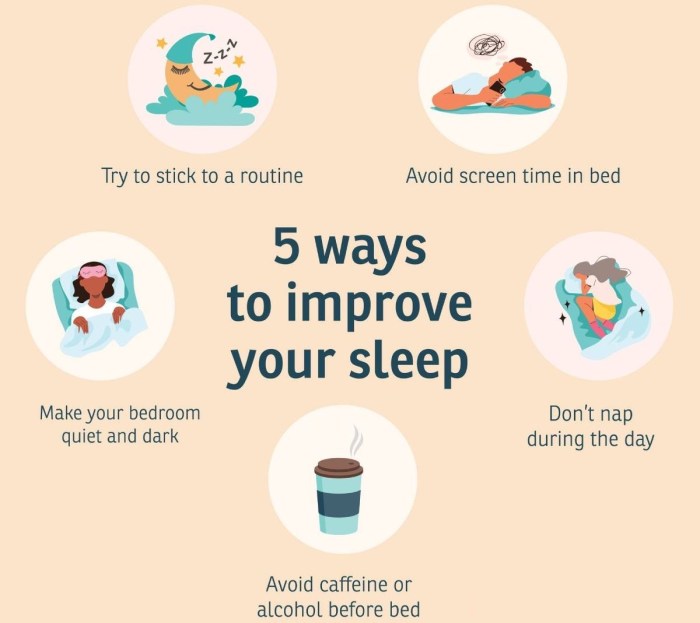
  • Go to bed and wake up at the same time every day, even on weekends.
  • Engage in calming activities before bed, such as reading a book or taking a warm bath.
  • Avoid screens and stimulating activities before bedtime.

Creating a Calming Sleep Environment

  • Keep your bedroom cool, dark, and quiet for optimal sleep conditions.
  • Invest in a comfortable mattress and pillows that support good sleep posture.
  • Avoid clutter in your bedroom to promote a sense of relaxation and calm.

Role of Mindfulness or Meditation

  • Practice mindfulness techniques like body scans or guided meditation to relax the mind and body before sleep.
  • Focus on your breath and stay present in the moment to reduce racing thoughts and anxiety.
  • Use meditation apps or guided sleep meditations to aid in falling asleep peacefully.

Physical Fitness and Sleep Quality

Regular exercise has been proven to have a positive impact on sleep patterns. Engaging in physical activity can help regulate the body’s internal clock, known as the circadian rhythm, which plays a crucial role in determining when we feel sleepy and when we wake up. Additionally, exercise can reduce stress and anxiety levels, which are common culprits of poor sleep quality.

Best Types of Exercises for Promoting Better Sleep

  • Aerobic exercises such as running, cycling, or swimming are great options for improving sleep quality. These activities help increase the production of endorphins, which are known to promote relaxation and reduce stress.
  • Strength training exercises like weightlifting or bodyweight exercises can also contribute to better sleep. Building muscle mass has been linked to improved sleep patterns and overall sleep quality.
  • Yoga and stretching exercises are excellent choices for promoting relaxation and reducing muscle tension, both of which can help prepare the body for a restful night’s sleep.

Connection Between Physical Activity and Improved Sleep Quality

Regular physical activity can help regulate the production of hormones such as cortisol and melatonin, which play key roles in the sleep-wake cycle. Exercise can also increase body temperature, and the subsequent cooling down process can signal to the body that it’s time to rest, making it easier to fall asleep and stay asleep throughout the night.

Healthy Eating Habits for Better Sleep

Eating the right foods and maintaining healthy eating habits can significantly impact the quality of your sleep.

Foods that Promote Better Sleep

  • Cherries: Rich in melatonin, a hormone that regulates sleep-wake cycles.
  • Almonds: Contain magnesium, which helps relax muscles and promote sleep.
  • Bananas: High in potassium and magnesium, which are natural muscle relaxants.
  • Fatty Fish: Sources of omega-3 fatty acids that may help improve sleep quality.
  • Whole Grains: Provide a steady release of serotonin, promoting relaxation and sleep.

Avoiding Heavy Meals Before Bed

Avoiding heavy, rich meals close to bedtime is essential for better sleep quality. Large meals can lead to indigestion and discomfort, making it harder to fall asleep and stay asleep throughout the night.

The Impact of Caffeine and Alcohol

Caffeine: Consuming caffeine, especially in the afternoon or evening, can disrupt your sleep cycle. It is a stimulant that can keep you awake and reduce the quality of your sleep.

Alcohol: While alcohol may initially make you feel drowsy, it can disrupt your sleep cycle and lead to fragmented sleep. It is best to limit alcohol consumption, especially close to bedtime, for better sleep quality.

Preventive Care Practices for Quality Sleep

Mental health tips for improving sleep quality
Maintaining a consistent sleep schedule, practicing relaxation techniques, and managing stress are crucial for ensuring quality sleep and overall well-being.

Importance of Maintaining a Consistent Sleep Schedule

Consistency in your sleep schedule helps regulate your body’s internal clock, known as the circadian rhythm. Going to bed and waking up at the same time every day can improve the quality of your sleep by ensuring that you get enough restorative rest each night.

Role of Relaxation Techniques in Improving Sleep

  • Practice deep breathing exercises or meditation before bedtime to calm your mind and prepare your body for sleep.
  • Engage in gentle stretching or yoga to release tension in your muscles and promote relaxation.
  • Try progressive muscle relaxation techniques to reduce physical and mental stress, helping you fall asleep more easily.

Tips for Managing Stress to Prevent Sleep Disturbances

  • Establish a bedtime routine that includes activities like reading, taking a warm bath, or listening to soothing music to unwind before sleep.
  • Avoid caffeine, alcohol, and heavy meals close to bedtime, as these can disrupt your sleep and increase stress levels.
  • Practice mindfulness or journaling to express your thoughts and emotions, reducing anxiety and promoting a peaceful state of mind for restful sleep.

Balanced Diet and Sleep Quality

Maintaining a well-balanced diet is essential for overall health, including quality sleep. The foods we eat can have a significant impact on our sleep patterns and overall well-being.

Importance of Nutritional Deficiencies on Sleep Quality

Nutritional deficiencies can disrupt our sleep quality and lead to issues such as insomnia or restless sleep. For example, a lack of magnesium can contribute to poor sleep quality, while low levels of vitamin D have been linked to sleep disturbances. It’s crucial to ensure that we are getting all the necessary nutrients through our diet to support a good night’s sleep.

Tips for Timing Meals to Optimize Sleep

  • Avoid heavy meals close to bedtime, as it can lead to indigestion and disrupt sleep.
  • Try to have your last meal at least 2-3 hours before going to bed to allow for proper digestion.
  • Include foods rich in tryptophan, such as turkey, nuts, and seeds, in your dinner to promote the production of sleep-inducing hormones.
  • Limit caffeine and alcohol intake in the evening, as they can interfere with your sleep cycle.

Regular Exercise and Its Impact on Sleep

Regular exercise plays a crucial role in improving sleep quality and duration. Physical activity has been linked to better sleep patterns and overall well-being. Let’s delve deeper into the benefits of incorporating exercise into your daily routine for better sleep.

Relationship between Physical Activity and Sleep Duration

Regular exercise helps regulate your internal body clock, also known as the circadian rhythm, which is essential for maintaining a healthy sleep-wake cycle. Engaging in physical activity can help you fall asleep faster, experience deeper sleep, and reduce instances of waking up during the night. Studies have shown that individuals who exercise regularly tend to enjoy longer and more restful sleep compared to those who lead a sedentary lifestyle.

Strategies for Incorporating Exercise into Daily Routines for Better Sleep

– Schedule your workouts at a consistent time each day to establish a routine.
– Choose activities that you enjoy, whether it’s jogging, yoga, dancing, or swimming.
– Aim for at least 150 minutes of moderate-intensity exercise per week, as recommended by health authorities.
– Avoid vigorous exercise close to bedtime, as it may stimulate your body and make it harder to wind down for sleep.

Connection between Improved Fitness Levels and Sleep Quality

Regular exercise not only promotes better sleep but also enhances overall fitness levels. Improved cardiovascular health, reduced stress levels, and a boosted mood are just some of the benefits of staying physically active. As your fitness levels improve, you may notice that your sleep quality also enhances, leading to a more refreshed and energized feeling upon waking up.

Mental Health and Sleep Quality

Mental health plays a crucial role in determining the quality of sleep an individual gets. Various mental health conditions can significantly impact sleep patterns, making it essential to address these issues for better sleep quality.

Impact of Mental Health on Sleep Patterns

Conditions such as anxiety, depression, PTSD, and stress can disrupt normal sleep cycles, leading to difficulties falling asleep, staying asleep, or experiencing restful sleep. These mental health issues can cause insomnia, nightmares, or other sleep disorders, affecting overall well-being.

Coping Mechanisms for Managing Mental Health Issues

  • Practice relaxation techniques like deep breathing, meditation, or yoga to reduce stress and anxiety levels before bedtime.
  • Establish a consistent bedtime routine to signal the body that it’s time to wind down and prepare for sleep.
  • Engage in regular physical exercise, which can help improve mood, reduce symptoms of depression, and promote better sleep.
  • Seek therapy or counseling to address underlying mental health concerns professionally and learn coping strategies to manage symptoms effectively.

Importance of Seeking Professional Help

It is crucial to seek professional help for mental health concerns that are impacting sleep quality. Therapists, counselors, or psychiatrists can provide proper diagnosis, treatment, and support tailored to individual needs. Addressing mental health issues not only improves sleep quality but also enhances overall quality of life.

Holistic Wellness Approaches for Better Sleep

Mental health tips for improving sleep quality
Holistic wellness approaches encompass a wide range of practices aimed at promoting overall well-being, including physical, mental, and emotional health. When it comes to improving sleep quality, holistic techniques such as acupuncture and aromatherapy have shown promising results in helping individuals achieve a restful night’s sleep.

Acupuncture for Promoting Sleep

Acupuncture, an ancient Chinese healing practice, involves the insertion of thin needles into specific points on the body to promote balance and alleviate various health issues. When it comes to sleep, acupuncture has been found to help regulate the body’s natural sleep-wake cycle and reduce insomnia symptoms. By targeting specific energy pathways in the body, acupuncture can help improve overall sleep quality and promote relaxation.

Aromatherapy for Better Sleep

Aromatherapy involves the use of essential oils extracted from plants to promote physical and psychological well-being. Certain essential oils, such as lavender and chamomile, are known for their calming and sleep-inducing properties. By using aromatherapy techniques like diffusing essential oils in the bedroom or adding them to a warm bath before bedtime, individuals can create a soothing environment that promotes relaxation and better sleep quality.

Benefits of Integrating Holistic Wellness Techniques

Integrating holistic wellness techniques into a sleep routine can offer a range of benefits beyond just improving sleep quality. These practices can help reduce stress, alleviate anxiety, and promote overall relaxation, leading to better mental and physical health. By taking a holistic approach to sleep, individuals can address underlying issues that may be affecting their ability to rest and rejuvenate during the night.

Personal Experiences with Holistic Approaches

Many individuals have reported success in improving their sleep quality through holistic approaches like acupuncture and aromatherapy. By incorporating these practices into their daily routines, they have experienced fewer sleep disturbances, increased relaxation, and a greater sense of well-being. Personal stories and testimonials highlight the effectiveness of holistic wellness techniques in promoting better sleep and overall health.

Chronic Diseases and Sleep Quality

Chronic diseases can have a significant impact on sleep quality and overall health. Conditions such as diabetes, heart disease, arthritis, and chronic pain can lead to sleep disturbances, making it challenging to get a good night’s rest. Managing sleep problems associated with chronic illnesses is crucial for improving quality of life and overall well-being. Here are some strategies to help individuals cope with sleep disturbances caused by chronic diseases:

Strategies for Managing Sleep Disturbances, Mental health tips for improving sleep quality

  • Establish a consistent sleep schedule: Going to bed and waking up at the same time every day can help regulate your body’s internal clock and improve sleep quality.
  • Create a relaxing bedtime routine: Engage in calming activities before bed, such as reading a book, taking a warm bath, or practicing mindfulness techniques to signal to your body that it’s time to wind down.
  • Avoid stimulants and heavy meals close to bedtime: Caffeine, nicotine, and large meals can interfere with your ability to fall asleep, so it’s best to avoid them in the hours leading up to bedtime.
  • Manage stress: Chronic illnesses can be stressful, so finding healthy ways to cope with stress, such as meditation, yoga, or deep breathing exercises, can help improve sleep quality.

Tips for Improving Sleep Quality with a Chronic Condition

  • Consult with your healthcare provider: Talk to your doctor about your sleep difficulties and work together to develop a treatment plan that addresses both your chronic illness and sleep disturbances.
  • Stay physically active: Regular exercise can help improve sleep quality and overall health, but be sure to choose activities that are safe and appropriate for your condition.
  • Create a sleep-conducive environment: Make your bedroom a comfortable and relaxing space by keeping it cool, dark, and quiet to promote better sleep.
  • Consider cognitive behavioral therapy for insomnia (CBT-I): CBT-I is a structured program that helps individuals identify and change behaviors that contribute to sleep problems, making it an effective treatment for insomnia associated with chronic diseases.

Immunity Boosters and Sleep Quality

Poor sleep quality can have a significant impact on our immune system, making us more susceptible to illnesses and infections. Adequate and restful sleep plays a crucial role in supporting our body’s immune function and overall health. Here are some tips for enhancing immunity through improved sleep quality:

How Sleep Impacts the Immune System

  • During sleep, our body produces cytokines, a type of protein that helps regulate our immune response to infections and inflammation.
  • Lack of sleep can lead to a decrease in cytokine production, weakening our immune system’s ability to fight off pathogens.
  • Chronic sleep deprivation can also increase inflammation in the body, putting additional stress on the immune system.

Connection Between Adequate Sleep and Immune Function

  • Adequate sleep helps in the production of antibodies and immune cells that are essential in combating infections.
  • Quality sleep also supports the function of T cells, which play a crucial role in identifying and destroying infected cells in the body.
  • Research has shown that individuals who get enough sleep are less likely to get sick compared to those who are sleep deprived.

Tips for Enhancing Immunity Through Improved Sleep Quality

  • Establish a consistent sleep schedule and aim for 7-9 hours of quality sleep each night.
  • Create a relaxing bedtime routine to signal to your body that it’s time to wind down and prepare for sleep.
  • Avoid stimulants like caffeine and electronic devices before bedtime, as they can disrupt your sleep patterns.
  • Ensure your sleep environment is conducive to rest, with a comfortable mattress, pillows, and a cool, dark room.
  • Practice stress-reducing activities like meditation or deep breathing exercises to calm your mind before sleep.

Clarifying Questions

How can I reduce anxiety before bedtime?

To reduce anxiety before bedtime, try relaxation techniques like deep breathing, meditation, or gentle yoga exercises.

What are the best foods for promoting better sleep?

Foods like almonds, kiwi, chamomile tea, and warm milk can help promote better sleep due to their calming and sleep-inducing properties.

How does chronic illness affect sleep quality?

Chronic illnesses can disrupt sleep patterns and overall health due to symptoms like pain, discomfort, or medication side effects. It’s important to work with healthcare professionals to manage these challenges effectively.

Preventive care practices for mental health: Promoting overall well-being through proactive strategies

Preventive care practices for mental health

Mental Wellness

Maintaining mental wellness is crucial for overall health as it directly impacts how we think, feel, and act in our daily lives. It contributes to our ability to handle stress, relate to others, and make healthy choices. Neglecting mental wellness can lead to various mental health conditions such as anxiety, depression, and mood disorders.

Activities Promoting Mental Wellness

  • Regular exercise: Physical activity releases endorphins, which are known to improve mood and reduce feelings of stress and anxiety.
  • Mindfulness and meditation: Practicing mindfulness helps in staying present and reducing negative thoughts.
  • Social connections: Engaging with friends and family members can provide emotional support and a sense of belonging.
  • Healthy diet: Eating nutritious foods can positively impact mental health and overall well-being.

Connection between Mental Wellness and Preventive Care Practices

Maintaining mental wellness through activities like exercise, mindfulness, social connections, and a healthy diet is a form of preventive care for mental health. By incorporating these practices into our daily routine, we can reduce the risk of developing mental health conditions and improve our overall quality of life.

Physical Fitness

Regular physical activity plays a crucial role in maintaining good mental health. Exercise has been shown to reduce symptoms of anxiety and depression, improve mood, boost self-esteem, and enhance cognitive function.

Types of Physical Exercises

  • Aerobic exercises: Activities like running, swimming, or biking that increase heart rate and improve cardiovascular health.
  • Strength training: Lifting weights or using resistance bands to build muscle strength and endurance.
  • Yoga: Combining physical postures, breathing techniques, and meditation to promote relaxation and reduce stress.
  • Dance: Fun and energetic movements that not only improve physical fitness but also uplift mood and creativity.

Benefits of Incorporating Physical Fitness

  • Release of endorphins: Exercise triggers the release of endorphins, also known as “feel-good” hormones, which can reduce feelings of stress and anxiety.
  • Improved sleep: Regular physical activity can help regulate sleep patterns and improve the quality of sleep, leading to better mental health overall.
  • Enhanced self-confidence: Achieving fitness goals and feeling stronger physically can boost self-esteem and self-image.
  • Reduced risk of chronic illnesses: Regular exercise can lower the risk of developing conditions such as heart disease, diabetes, and obesity, which can have a negative impact on mental well-being.

Healthy Eating

Eating a nutritious diet plays a crucial role in maintaining good mental health. The food we consume provides essential nutrients that support brain function and help regulate mood. Making healthy food choices can lead to improved mental well-being and overall emotional balance.

The Role of Nutrition in Mental Health

Nutrition affects the structure and function of our brain, influencing neurotransmitter levels and overall cognitive performance. Consuming a diet rich in vitamins, minerals, antioxidants, and omega-3 fatty acids can promote mental clarity, focus, and emotional stability.

  • Foods rich in omega-3 fatty acids, such as salmon, walnuts, and flaxseeds, support brain health and may reduce symptoms of depression and anxiety.
  • Dark leafy greens like spinach and kale are high in folate, a B vitamin that plays a key role in neurotransmitter synthesis and mood regulation.
  • Whole grains, legumes, and lean proteins provide a steady source of energy and essential amino acids that contribute to optimal brain function.

Healthy Eating Habits as Preventive Care, Preventive care practices for mental health

Establishing healthy eating habits is a form of preventive care for mental health. Consistently choosing nutrient-dense foods over processed or sugary options can help stabilize blood sugar levels, improve concentration, and enhance emotional resilience. By prioritizing a balanced diet, individuals can proactively support their mental well-being and reduce the risk of developing mood disorders or cognitive decline.

Preventive Care

Preventive care practices for mental health are proactive measures taken to maintain and enhance mental well-being, reducing the risk of developing mental health issues.

Define Preventive Care Practices

Preventive care practices for mental health include regular exercise, stress management techniques, healthy eating habits, adequate sleep, mindfulness practices, and seeking professional help when needed.

Share Strategies for Implementing Preventive Care Routines

  • Establish a routine: Create a daily schedule that includes time for self-care activities such as exercise, meditation, and relaxation.
  • Stay connected: Build a support system of friends, family, or mental health professionals to lean on in times of need.
  • Practice mindfulness: Engage in activities that promote mindfulness, such as yoga, deep breathing exercises, or journaling.
  • Limit screen time: Reduce exposure to screens and social media to prevent mental fatigue and promote overall well-being.
  • Seek professional help: Regularly check in with a mental health professional to discuss any concerns or changes in mental health.

Discuss the Long-term Benefits of Prioritizing Preventive Care for Mental Well-being

By prioritizing preventive care for mental health, individuals can experience improved mood, increased resilience to stress, enhanced cognitive function, better relationships, and overall higher quality of life. Additionally, preventing mental health issues before they arise can lead to reduced healthcare costs and increased productivity in various aspects of life.

Balanced Diet

Eating a balanced diet is crucial for maintaining good mental health. The food we consume plays a significant role in how our brain functions and how we feel emotionally.

Essential Nutrients for Mental Well-being

There are several key nutrients that are essential for promoting mental well-being:

  • Omega-3 fatty acids: Found in fatty fish, flaxseeds, and walnuts, omega-3s are important for brain health and can help reduce symptoms of depression and anxiety.
  • Vitamin B12: This vitamin is crucial for nerve function and the production of neurotransmitters that regulate mood. Sources include meat, dairy, and fortified cereals.
  • Magnesium: Magnesium plays a role in regulating neurotransmitters involved in mood and relaxation. Foods like nuts, seeds, and leafy greens are good sources.
  • Amino acids: Amino acids like tryptophan and tyrosine are precursors to neurotransmitters like serotonin and dopamine, which play a role in mood regulation. Foods like turkey, eggs, and dairy products contain these amino acids.

Preventing Mental Health Issues

A balanced diet can help prevent mental health issues by providing the necessary nutrients for optimal brain function and emotional well-being. Nutrient deficiencies can lead to imbalances in neurotransmitters, which can contribute to conditions like depression, anxiety, and mood disorders. By ensuring a diet rich in essential nutrients, individuals can support their mental health and reduce the risk of developing mental health issues.

Regular Exercise: Preventive Care Practices For Mental Health

Regular exercise plays a crucial role in promoting mental well-being and overall mental health. Engaging in physical activity on a consistent basis has been shown to have numerous benefits for mental health.

Types of Exercises for Mental Well-Being

  • Cardiovascular exercises, such as running, swimming, or cycling, help release endorphins and reduce stress levels.
  • Strength training exercises, like weightlifting or bodyweight exercises, can improve self-esteem and boost mood.
  • Yoga and Pilates focus on mindfulness and relaxation, reducing symptoms of anxiety and depression.

Relationship between Exercise and Preventive Care for Mental Health

Regular exercise is a key component of preventive care for mental health. By incorporating physical activity into your routine, you can reduce the risk of developing mental health issues such as depression and anxiety. Exercise also helps in managing symptoms for those already dealing with mental health conditions, improving overall quality of life.

Holistic Wellness

Preventive care practices for mental health
Holistic wellness focuses on the overall well-being of an individual, encompassing the mind, body, and spirit. In relation to mental health, holistic wellness emphasizes the interconnectedness of various aspects of a person’s life and how they contribute to mental well-being.

Examples of Holistic Practices

  • Yoga and meditation: These practices help reduce stress, anxiety, and improve mental clarity.
  • Acupuncture and acupressure: Traditional Chinese medicine techniques that can help alleviate symptoms of depression and anxiety.
  • Aromatherapy: The use of essential oils to promote relaxation and improve mood.
  • Art therapy: Engaging in creative activities to express emotions and reduce stress.

Incorporating Holistic Wellness for Preventive Care

By incorporating holistic wellness practices into preventive care for mental health, individuals can address underlying issues that may contribute to mental health challenges. This approach focuses on treating the root causes of problems rather than just the symptoms, leading to long-term well-being.

Chronic Diseases

Mental health and chronic diseases are closely linked, as individuals with chronic conditions such as diabetes, heart disease, or cancer often experience higher rates of depression, anxiety, and other mental health issues. The physical symptoms, lifestyle changes, and emotional toll of managing a chronic illness can significantly impact a person’s mental well-being.

Preventive Care Practices for Mental Health and Chronic Diseases

  • Regular monitoring and management of chronic conditions through medication adherence, doctor visits, and lifestyle modifications can help reduce the risk of mental health issues.
  • Engaging in stress-reducing activities such as mindfulness meditation, yoga, or deep breathing exercises can improve mental well-being for individuals dealing with chronic diseases.
  • Seeking support from healthcare professionals, therapists, or support groups can provide emotional support and coping strategies for managing the challenges of living with a chronic illness.
  • Maintaining a healthy lifestyle with a balanced diet, regular exercise, and adequate sleep can improve overall mental health and reduce the impact of chronic diseases on mental well-being.

Importance of Managing Chronic Conditions for Mental Well-being

Chronic diseases not only affect physical health but also have a significant impact on mental well-being. Proper management of chronic conditions is crucial in preventing the development or worsening of mental health issues such as depression, anxiety, and stress. By taking proactive steps to manage chronic diseases, individuals can improve their overall quality of life and ensure better mental health outcomes.

Immunity Boosters

Preventive care practices for mental health
Immunity boosters play a crucial role in supporting mental health by strengthening the body’s defense system against illnesses and infections. A robust immune system can help reduce the risk of developing mental health issues and improve overall well-being.

Natural Immunity Boosters for Mental Well-being

  • Vitamin C: Known for its immune-boosting properties, vitamin C helps reduce stress levels and improve mood. Citrus fruits, bell peppers, and strawberries are rich sources of vitamin C.
  • Probiotics: These beneficial bacteria support gut health, which is closely linked to mental health. Yogurt, kefir, and kimchi are good sources of probiotics.
  • Turmeric: Curcumin, the active compound in turmeric, has anti-inflammatory and antioxidant properties that can enhance immune function and promote mental wellness.
  • Garlic: Garlic contains sulfur compounds that stimulate the immune system and protect against oxidative stress, benefiting both physical and mental health.

Role of Immunity in Preventive Care for Mental Health

Immunity plays a vital role in preventive care practices for maintaining good mental health. A strong immune system can help reduce inflammation in the body, which is linked to mental health conditions like depression and anxiety. By incorporating natural immunity boosters into your diet, you can support your immune system and promote mental well-being.

Popular Questions

Can preventive care practices for mental health replace traditional treatments?

Preventive care practices are meant to complement traditional treatments, not replace them. It’s important to consult with healthcare professionals for personalized advice.

How often should one engage in preventive care practices for mental health?

Consistency is key. Aim for a balanced routine that includes mental wellness activities, physical exercise, healthy eating, and holistic approaches on a regular basis.