Maintain Good Mental Health During Challenging Times

How to maintain good mental health during challenging times

How to maintain good mental health during challenging times is a question many of us face. Life throws curveballs, from job losses to global crises, that can shake our emotional equilibrium. But amidst the storm, there are strategies we can adopt to navigate these turbulent waters and emerge with our mental well-being intact.

This guide explores a holistic approach to mental health resilience, addressing key aspects like self-care, social connections, and physical well-being. We’ll delve into practical tips, coping mechanisms, and resources to empower you to navigate challenging times with greater strength and stability.

Understanding the Impact of Challenging Times

Challenging times can significantly impact our mental well-being, leading to a range of emotional and psychological responses. It’s crucial to understand how these periods affect us so we can navigate them effectively and maintain our mental health.

Common Psychological Responses to Stress and Adversity

Stressful and adverse events trigger a cascade of physiological and psychological responses. These responses are often adaptive in the short term, helping us cope with immediate threats. However, prolonged exposure to stress can lead to various mental health challenges.

  • Anxiety:Feeling apprehensive, worried, or uneasy about the future. This can manifest as physical symptoms like increased heart rate, sweating, and difficulty concentrating.
  • Depression:Experiencing persistent sadness, loss of interest in activities, and feelings of hopelessness. Depression can also lead to changes in sleep, appetite, and energy levels.
  • Post-traumatic Stress Disorder (PTSD):Developing intrusive memories, nightmares, and avoidance behaviors after experiencing a traumatic event. This can significantly disrupt daily life and relationships.
  • Substance Abuse:Turning to alcohol or drugs as a coping mechanism to manage stress and negative emotions. This can lead to dependence and further complicate mental health issues.

Examples of Real-World Events that Can Trigger Mental Health Challenges

Numerous events in our lives can trigger mental health challenges. Understanding these events can help us be more proactive in seeking support and managing our well-being.

  • Natural Disasters:Earthquakes, floods, hurricanes, and wildfires can cause significant trauma and displacement, leading to anxiety, depression, and PTSD. The 2010 Haiti earthquake, for example, led to a surge in mental health needs, highlighting the impact of natural disasters on well-being.

  • Pandemics:Outbreaks like COVID-19 can create widespread fear, uncertainty, and isolation, contributing to anxiety, depression, and substance abuse. The pandemic has significantly impacted mental health globally, with many individuals experiencing increased stress and anxiety.
  • Economic Recessions:Financial instability and job loss can lead to stress, anxiety, and depression. The 2008 financial crisis, for instance, resulted in a significant increase in mental health issues, emphasizing the link between economic hardship and mental well-being.
  • Social and Political Unrest:Social unrest, political instability, and discrimination can create feelings of fear, anger, and helplessness, impacting mental health. The ongoing Black Lives Matter movement, for example, has brought attention to the mental health impacts of systemic racism and social injustice.

Cultivating Self-Care Practices

How to maintain good mental health during challenging times

Self-care is not a luxury; it’s a necessity for maintaining good mental health, especially during challenging times. It involves actively taking steps to protect and enhance your well-being. By prioritizing self-care, you can build resilience and cope with stress more effectively.

Managing Stress and Anxiety

Stress and anxiety are common responses to challenging situations. However, chronic stress can negatively impact your mental and physical health. Therefore, it’s essential to develop healthy strategies for managing stress and anxiety.

  • Engage in Physical Activity:Exercise releases endorphins, which have mood-boosting effects. Aim for at least 30 minutes of moderate-intensity exercise most days of the week. Activities like brisk walking, swimming, or dancing can help reduce stress and improve your overall well-being.
  • Practice Relaxation Techniques:Techniques such as deep breathing, progressive muscle relaxation, or meditation can help calm your mind and body. Deep breathing involves taking slow, deep breaths, focusing on your breath and letting go of tension. Progressive muscle relaxation involves tensing and releasing different muscle groups in your body, promoting relaxation.

  • Seek Social Support:Connecting with loved ones can provide emotional support and a sense of belonging. Talk to friends, family, or a therapist about your challenges and feelings. Joining support groups or online communities can also help you feel less alone.
  • Limit Exposure to Stressors:Identify sources of stress in your life and try to minimize your exposure to them. This may involve setting boundaries, saying no to commitments you can’t handle, or taking breaks from news or social media that trigger anxiety.
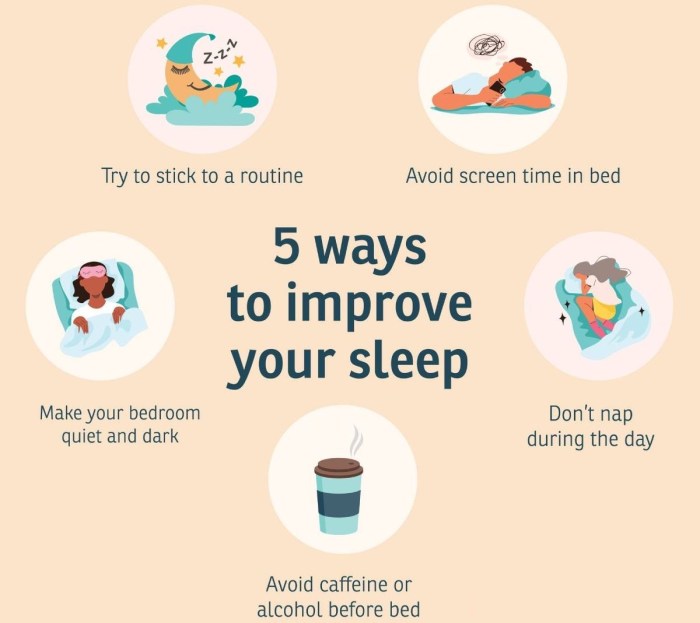
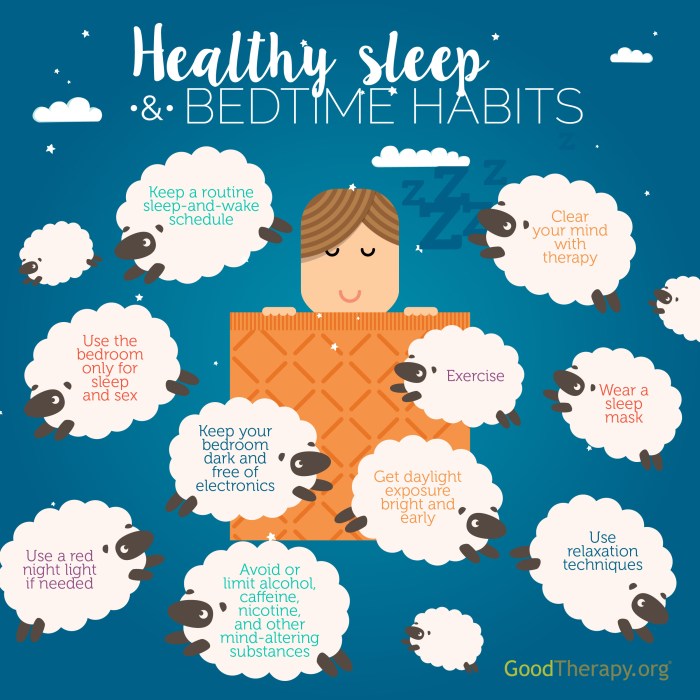
  • Prioritize Sleep:Adequate sleep is crucial for both physical and mental health. Aim for 7-9 hours of quality sleep each night. Establish a regular sleep schedule, create a relaxing bedtime routine, and make sure your bedroom is dark, quiet, and cool.

Designing a Daily Routine

A well-structured daily routine can provide a sense of stability and control, especially during challenging times. It can help you manage your time effectively, prioritize self-care, and create a sense of balance.

  • Schedule Time for Self-Care:Block out time in your schedule for activities that nourish your mind and body, such as exercise, meditation, spending time in nature, or pursuing hobbies. Treat these activities as important appointments that you wouldn’t cancel.
  • Set Realistic Goals:Avoid overloading yourself with too many tasks or commitments. Break down large projects into smaller, manageable steps. Focus on progress, not perfection.
  • Take Regular Breaks:Regular breaks throughout the day can help you stay focused and prevent burnout. Step away from your work or screen time every hour to stretch, walk around, or engage in a relaxing activity.
  • Practice Gratitude:Take time each day to reflect on things you’re grateful for. This can shift your focus to the positive aspects of your life and improve your overall mood.
  • Limit Screen Time:Excessive screen time can be stressful and disrupt sleep patterns. Set limits on your use of electronic devices, especially in the hours leading up to bedtime.

Benefits of Mindfulness and Meditation

Mindfulness and meditation are practices that involve focusing on the present moment without judgment. They can help you develop greater awareness of your thoughts, feelings, and sensations, leading to improved emotional regulation and stress reduction.

  • Reduced Stress and Anxiety:Mindfulness and meditation have been shown to reduce stress hormone levels and promote relaxation. They can help you develop a more calm and centered perspective, even in challenging situations.
  • Improved Emotional Regulation:These practices help you become more aware of your emotions and develop skills for managing them effectively. You’ll be better able to identify triggers, respond to situations with greater equanimity, and prevent emotional overwhelm.
  • Enhanced Self-Awareness:Mindfulness and meditation cultivate self-awareness, helping you understand your thoughts, feelings, and behaviors more deeply. This increased awareness can lead to greater self-compassion and improved decision-making.
  • Improved Focus and Concentration:These practices can train your mind to stay focused and present, improving your attention span and concentration abilities. This can be beneficial in both work and personal life.
  • Increased Compassion and Empathy:Mindfulness and meditation can cultivate compassion and empathy for yourself and others. By developing a deeper understanding of your own experience, you may become more attuned to the feelings and perspectives of others.

Building a Supportive Network

Human beings are social creatures, and strong social connections are essential for our well-being. During challenging times, our social networks can provide us with invaluable support, helping us cope with stress, maintain our mental health, and navigate difficult situations.

The Importance of Social Connections

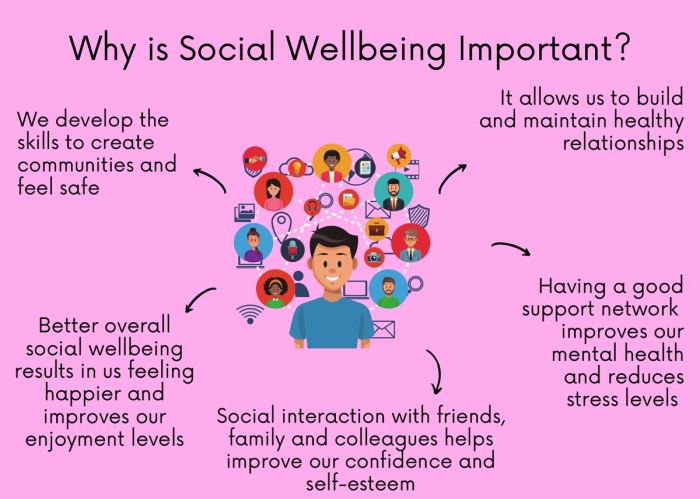
Social connections are crucial for our mental health. Studies have shown that people with strong social networks tend to have better mental health outcomes, including lower rates of depression and anxiety. Our social connections provide us with a sense of belonging, purpose, and support, which can buffer us against the negative effects of stress.

Maintaining Healthy Relationships During Difficult Times

Maintaining healthy relationships during challenging times can be difficult, but it is essential for our well-being. Here are some tips for nurturing your relationships:

  • Communicate openly and honestly:Share your feelings and experiences with your loved ones. Let them know what you are going through and how they can support you.
  • Be patient and understanding:Everyone reacts to stress differently. Be patient with your loved ones and try to understand their perspective.
  • Make time for each other:Even if you are feeling overwhelmed, make an effort to spend time with your loved ones. This can be as simple as having a phone call or sharing a meal together.
  • Seek professional help if needed:If you are struggling to maintain healthy relationships, don’t hesitate to seek professional help. A therapist can help you develop healthy communication skills and coping mechanisms.

Seeking Support from Family, Friends, or Professionals

When facing challenging times, it’s important to reach out for support. This can come from family, friends, or professionals.

  • Family and friends:Talk to your loved ones about what you are going through. They can offer emotional support, practical assistance, and a listening ear.
  • Professional support:If you are struggling to cope with your emotions or need additional support, consider reaching out to a mental health professional. They can provide therapy, counseling, and other resources to help you manage your mental health.

The Role of Physical Health: How To Maintain Good Mental Health During Challenging Times

Your physical and mental health are intricately intertwined. When one is compromised, it often affects the other. Taking care of your physical well-being is crucial for maintaining good mental health, especially during challenging times.

Benefits of a Healthy Lifestyle, How to maintain good mental health during challenging times

A healthy lifestyle encompassing regular exercise, a balanced diet, and preventive healthcare contributes significantly to both your physical and mental well-being.

Benefit Regular Exercise Healthy Eating Preventive Care
Improved Mood Releases endorphins, natural mood boosters Provides essential nutrients for brain function Early detection and treatment of health issues can prevent mental health complications
Reduced Stress Provides an outlet for stress and anxiety A balanced diet supports hormonal balance and stress management Regular check-ups and screenings can help identify and address potential stressors
Increased Energy Levels Boosts energy levels and reduces fatigue Provides sustained energy throughout the day Early intervention for health issues can improve energy levels
Improved Sleep Quality Regular exercise promotes better sleep A balanced diet supports healthy sleep patterns Addressing underlying health conditions can improve sleep quality
Enhanced Cognitive Function Improves blood flow to the brain, enhancing cognitive function Provides essential nutrients for brain health Preventive care can mitigate cognitive decline

Importance of a Balanced Diet and Immunity Boosters

A balanced diet plays a vital role in maintaining a healthy immune system, which is essential for both physical and mental well-being.

“Eating a variety of nutrient-rich foods can help strengthen your immune system and make you less susceptible to illness.”

During challenging times, it’s even more crucial to focus on a balanced diet rich in fruits, vegetables, whole grains, and lean protein. These foods provide essential vitamins, minerals, and antioxidants that support immune function.

“Include immunity-boosting foods like citrus fruits, garlic, ginger, and turmeric in your diet.”

These foods contain compounds that have anti-inflammatory and antiviral properties, helping to strengthen your body’s defenses against infections.

Engaging in Meaningful Activities

Even during challenging times, finding joy and purpose can be a powerful tool for maintaining mental well-being. Engaging in activities that bring meaning and fulfillment can provide a sense of accomplishment, boost your mood, and help you navigate through difficult periods.

Finding Joy and Purpose

Finding activities that bring you joy and purpose can be a powerful way to maintain mental well-being during challenging times. These activities can provide a sense of accomplishment, boost your mood, and help you navigate through difficult periods.

Examples of Meaningful Activities

Here are some examples of hobbies, creative outlets, or volunteer opportunities that can help you find joy and purpose:

  • Creative Outlets: Engaging in creative activities like painting, writing, playing music, or crafting can be a great way to express yourself and tap into your inner creativity. The act of creation can be therapeutic and provide a sense of accomplishment.

  • Volunteer Opportunities: Helping others can provide a sense of purpose and fulfillment. Volunteering at a local charity, soup kitchen, or animal shelter can connect you with your community and make a positive impact on the lives of others.
  • Hobbies: Pursuing hobbies that you enjoy can be a great way to relax, de-stress, and learn new things. Consider taking up gardening, cooking, photography, or learning a new language.

Setting Realistic Goals and Celebrating Small Victories

Setting realistic goals and celebrating small victories can be a great way to stay motivated and maintain a positive outlook during challenging times.

  • Break down large goals into smaller, manageable steps. This can make them feel less overwhelming and provide a sense of progress as you achieve each step.
  • Acknowledge and celebrate your accomplishments, no matter how small they may seem. This can help you build confidence and maintain a positive attitude.

Seeking Professional Help

Seeking professional help for your mental health is a sign of strength and self-care. It’s like going to a doctor for a physical ailment; seeking help from a mental health professional can significantly improve your well-being.

Benefits of Seeking Professional Help

Mental health professionals can provide a safe and supportive environment for you to explore your thoughts and feelings. They offer evidence-based therapies and strategies to help you manage stress, cope with difficult emotions, and build resilience.

  • Improved Mental Health:Therapy can help you understand your mental health challenges, develop coping mechanisms, and reduce symptoms.
  • Enhanced Well-being:By addressing your mental health needs, you can experience greater emotional stability, improved sleep, and increased energy levels.
  • Improved Relationships:Mental health professionals can help you develop healthier communication skills and improve your relationships with loved ones.
  • Increased Self-Awareness:Therapy can provide valuable insights into your thoughts, feelings, and behaviors, leading to greater self-understanding and personal growth.
  • Reduced Stigma:Seeking professional help normalizes mental health care and challenges the stigma surrounding it.

Types of Mental Health Professionals

Various mental health professionals can provide support and treatment. Here’s a brief overview of some common types:

  • Psychologists:They hold a doctorate in psychology and specialize in the diagnosis, treatment, and prevention of mental disorders.
  • Psychiatrists:They are medical doctors who specialize in mental health. They can diagnose and treat mental disorders using medication and therapy.
  • Social Workers:They have a master’s degree in social work and focus on helping individuals and families cope with various challenges, including mental health issues.
  • Counselors:They provide guidance and support to individuals facing personal, emotional, or career challenges.
  • Therapists:This is a broad term that encompasses various mental health professionals who use different therapeutic approaches to address mental health issues.

Finding Mental Health Services

There are various resources available to help you find mental health services in your community:

  • Primary Care Physician:Your doctor can refer you to a mental health professional.
  • Insurance Provider:Your insurance company may have a directory of mental health providers in your network.
  • Online Directories:Websites like Psychology Today and GoodTherapy provide directories of mental health professionals in your area.
  • Community Mental Health Centers:These centers offer mental health services at affordable rates or on a sliding scale.
  • University Counseling Centers:Many universities have counseling centers that provide services to students and the community.

Epilogue

Maintaining good mental health during challenging times isn’t about avoiding hardship altogether, but rather about developing the tools and strategies to weather the storm. By cultivating self-care practices, fostering supportive relationships, and prioritizing our physical well-being, we can build resilience and emerge stronger on the other side.

Remember, you are not alone in this journey. Seek support, practice self-compassion, and know that brighter days are ahead.

Key Questions Answered

What if I can’t seem to find joy in anything anymore?

It’s normal to experience a loss of interest during challenging times. Try focusing on small things that bring you even a little bit of pleasure, like listening to music, spending time in nature, or engaging in a creative hobby.

Gradually increase the intensity of your activities as you feel your energy returning.

How do I know if I need professional help?

If you’re struggling to cope with your emotions, experiencing significant changes in your behavior, or feeling overwhelmed by your situation, seeking professional support from a therapist or counselor can be beneficial. They can provide personalized guidance and tools to navigate your challenges.

What are some practical ways to manage stress?

Engaging in relaxation techniques like deep breathing exercises, mindfulness meditation, or progressive muscle relaxation can be effective. Regular physical activity, spending time in nature, and prioritizing quality sleep are also crucial for stress management.


How to use herbal remedies for holistic wellness: A Guide to Natural Healing

How to use herbal remedies for holistic wellness

Herbal Remedies for Holistic Wellness

Herbal remedies have been used for centuries as natural alternatives to promote holistic wellness. These remedies are derived from plants and herbs, harnessing their medicinal properties to support the body’s overall health and well-being.

Using herbal remedies for holistic wellness offers a range of benefits, including:
– Natural Healing: Herbal remedies work in harmony with the body, supporting its natural healing processes without harsh chemicals or side effects.
– Balance and Harmony: Herbs help restore balance and harmony within the body, addressing underlying causes of health issues rather than just symptoms.
– Personalized Care: Herbal remedies can be customized to individual needs, providing a personalized approach to wellness.
– Sustainability: Herbal remedies are often sourced sustainably and can be grown at home, promoting environmental consciousness.

Popular herbal remedies for holistic wellness include:
– Echinacea: Known for its immune-boosting properties, Echinacea is commonly used to prevent and treat colds and flu.
– Lavender: Lavender is a calming herb that promotes relaxation and helps relieve stress and anxiety.
– Turmeric: This powerful anti-inflammatory herb is used to reduce inflammation and support overall joint health.
– Ginger: Ginger aids in digestion, reduces nausea, and has anti-inflammatory properties.

Key Herbal Remedies for Holistic Wellness

  • Peppermint: Peppermint is commonly used to soothe digestive issues such as indigestion, bloating, and gas.
  • Chamomile: Chamomile is a gentle herb that promotes relaxation, reduces insomnia, and soothes nerves.
  • Ashwagandha: Known as an adaptogen, Ashwagandha helps the body cope with stress, improve energy levels, and support adrenal function.

Mental Wellness

How to use herbal remedies for holistic wellness

How to use herbal remedies for holistic wellness – Herbal remedies have long been used to support mental wellness by promoting relaxation, reducing stress, and improving overall cognitive function.

Effectiveness of Herbal Remedies vs. Traditional Methods

While traditional methods for mental health such as therapy and medication have their place, herbal remedies offer a more natural and holistic approach that can complement these treatments or be used on their own.

Specific Herbs for Mental Well-being

  • St. John’s Wort: Known for its antidepressant properties, St. John’s Wort can help alleviate symptoms of mild to moderate depression.
  • Lavender: This calming herb can reduce anxiety and improve sleep quality, leading to better mental well-being.
  • Ashwagandha: An adaptogenic herb, Ashwagandha helps the body cope with stress and anxiety, promoting overall mental resilience.
  • Ginkgo Biloba: Improving blood circulation to the brain, Ginkgo Biloba can enhance memory, focus, and cognitive function.

Physical Fitness

Herbal remedies can play a significant role in complementing physical fitness routines by providing natural support for the body’s overall health and well-being.

Herbs for Enhanced Physical Performance

There are several herbs that can help enhance physical performance and aid in quicker recovery after intense workouts:

  • Ginseng: Known for its adaptogenic properties, ginseng can help improve endurance and reduce fatigue during exercise.
  • Macca Root: Macca root is believed to increase energy levels and stamina, making it a popular choice for athletes and fitness enthusiasts.
  • Ashwagandha: This herb is known to reduce stress and improve strength and muscle recovery, making it beneficial for physical fitness goals.

Importance of Herbal Remedies in Fitness Regimens

Incorporating herbal remedies into a fitness regimen can provide a holistic approach to overall wellness by supporting the body’s natural functions and promoting balance. Herbal remedies can help reduce inflammation, support proper digestion, and boost energy levels, all of which are essential for maintaining an active lifestyle.

Healthy Eating: How To Use Herbal Remedies For Holistic Wellness

When it comes to maintaining a healthy diet, herbal remedies can play a significant role in supporting overall wellness. These natural remedies are not only beneficial for your physical health but also contribute to mental well-being.

Herbs for Digestion, Metabolism, and Nutrient Absorption

Herbs have been used for centuries to aid in digestion, boost metabolism, and improve the absorption of essential nutrients. Incorporating these herbs into your daily meals can help optimize your health and well-being.

  • Digestion: Herbs like ginger, peppermint, and fennel can help soothe the digestive system, reduce bloating, and improve overall digestion.
  • Metabolism: Herbs such as cayenne pepper, green tea, and cinnamon are known to boost metabolism and aid in weight management.
  • Nutrient Absorption: Herbs like parsley, turmeric, and garlic can enhance the absorption of nutrients from the foods you eat, ensuring your body gets the maximum benefit.

Sample Meal Plan with Herbal Remedies

Here’s a sample meal plan incorporating herbal remedies to promote optimal health:

Meal Herbal Remedies
Breakfast Green smoothie with spinach, kale, and parsley
Lunch Quinoa salad with fresh mint and lemon dressing
Snack Carrot sticks with hummus sprinkled with turmeric
Dinner Grilled salmon with garlic and ginger marinade, served with steamed broccoli
Bedtime Chamomile tea for relaxation and better sleep

Preventive Care

Herbal remedies play a vital role in preventive healthcare by boosting immunity and warding off illnesses. They are a natural and effective way to maintain overall health and prevent diseases.

Boosting Immunity

  • Include immune-boosting herbs like echinacea, elderberry, and astragalus in your daily routine.
  • Prepare herbal teas with ingredients like ginger, turmeric, and lemon to strengthen your immune system.
  • Consider taking herbal supplements like ginseng or garlic to enhance immunity levels.

Preventing Illnesses

  • Use herbs like oregano, thyme, and garlic to fight off colds and flu viruses.
  • Incorporate anti-inflammatory herbs such as chamomile and peppermint into your diet to reduce the risk of chronic diseases.
  • Make herbal remedies like elderberry syrup or garlic-infused honey to prevent infections and boost overall health.

Maintaining Overall Health

  • Practice herbal aromatherapy with essential oils like lavender, rosemary, and eucalyptus to promote relaxation and reduce stress levels.
  • Include adaptogenic herbs such as ashwagandha and holy basil in your routine to support overall health and balance hormones.
  • Explore herbal remedies like milk thistle, dandelion, and burdock root to cleanse and detoxify your body for optimal health.

Balanced Diet

How to use herbal remedies for holistic wellness
Maintaining a balanced diet is crucial for overall health and wellness, especially when incorporating herbal remedies into your daily routine. A balanced diet ensures that your body receives the necessary nutrients to function optimally and support the healing properties of herbal supplements.

Guidelines for Creating a Balanced Diet with Herbal Supplements

  • Include a variety of fruits, vegetables, whole grains, lean proteins, and healthy fats in your meals to meet your nutritional needs.
  • Incorporate herbal supplements such as turmeric, ginger, or garlic into your dishes to enhance flavor and provide additional health benefits.
  • Avoid processed foods, sugary beverages, and excessive amounts of salt and sugar, as they can counteract the positive effects of herbal remedies.
  • Stay hydrated by drinking plenty of water throughout the day to help your body absorb nutrients more effectively.

Synergistic Effects of Herbal Remedies and a Balanced Diet

When herbal remedies are combined with a balanced diet, they can work synergistically to promote holistic wellness. The nutrients from a balanced diet can enhance the effectiveness of herbal supplements, while herbal remedies can support your body’s natural healing processes and improve overall well-being.

Regular Exercise

Regular exercise is a crucial component of a healthy lifestyle, benefiting both physical and mental well-being. Herbal remedies can play a supportive role in enhancing the effects of exercise, aiding in muscle recovery, boosting energy levels, and improving endurance.

Herbal Solutions for Muscle Recovery

  • Arnica: Known for its anti-inflammatory properties, arnica can help reduce muscle soreness and inflammation post-workout.
  • Turmeric: Curcumin, the active compound in turmeric, has powerful anti-inflammatory effects that can aid in muscle recovery.
  • Peppermint: Peppermint oil can be applied topically to soothe sore muscles and promote relaxation.

Herbal Solutions for Energy Levels

  • Ginseng: Ginseng is a popular herb known for its energizing properties, helping to combat fatigue and improve stamina during workouts.
  • Rhodiola: Rhodiola rosea can enhance physical performance and reduce fatigue, promoting better energy levels for exercise.
  • Guarana: Rich in caffeine, guarana can provide a natural energy boost to support your workout routine.

Herbal Solutions for Endurance, How to use herbal remedies for holistic wellness

  • Cordyceps: Cordyceps mushrooms are believed to improve oxygen utilization, enhance endurance, and increase energy levels.
  • Maca: Maca root is known to boost stamina and endurance, making it a beneficial addition to pre-workout routines.
  • Ginkgo Biloba: Ginkgo biloba can improve blood circulation and oxygen delivery to tissues, enhancing endurance during physical activity.

Mental Health

Herbal remedies have long been used to address various mental health disorders, offering a natural and holistic approach to mental wellness.

Connection Between Herbal Remedies and Mental Health Disorders

Herbal remedies are known for their calming and stress-relieving properties, which can help alleviate symptoms of anxiety, depression, and other mental health conditions. For example, herbs like lavender, chamomile, and valerian root are commonly used to promote relaxation and improve sleep quality, which can have a positive impact on mental well-being.

Studies have shown that certain herbs, such as St. John’s Wort, may be as effective as prescription medications in treating mild to moderate depression. The natural compounds found in these herbs can help regulate neurotransmitters in the brain, contributing to improved mood and overall mental health.

Success Stories and Studies

  • One study published in the Journal of Clinical Psychopharmacology found that the herb passionflower was effective in reducing symptoms of generalized anxiety disorder.
  • Individuals suffering from insomnia have reported significant improvements in sleep quality after using herbs like valerian root and lemon balm.
  • Many individuals have shared success stories of overcoming mild to moderate depression with the help of herbal supplements like St. John’s Wort, without experiencing the side effects commonly associated with prescription medications.

Integrating Herbal Remedies with Mental Health Treatment Plans

When considering herbal remedies for mental health conditions, it is essential to consult with a healthcare provider or mental health professional to ensure compatibility with existing treatment plans. Integrating herbal remedies should be done under supervision to prevent any adverse interactions with medications or exacerbation of symptoms.

Herbal remedies can complement traditional mental health treatments, offering a natural and holistic approach to mental wellness. By incorporating herbs into a comprehensive treatment plan, individuals may experience improved mood, reduced anxiety, and better overall mental health.

Holistic Wellness

Holistic wellness refers to the overall well-being of an individual that encompasses the body, mind, and spirit. It emphasizes the interconnectedness of these aspects and the importance of addressing them collectively for optimal health.

Relationship with Herbal Remedies

Herbal remedies play a crucial role in achieving holistic wellness by providing natural solutions that support the body’s innate healing abilities. They offer a gentle and sustainable approach to health and well-being, aligning with the holistic philosophy of treating the root cause of imbalances rather than just the symptoms.

  • Herbs are rich in essential nutrients, antioxidants, and other beneficial compounds that nourish the body and promote overall wellness.
  • Herbal remedies can help address various health concerns, from physical ailments to emotional imbalances, in a holistic manner.
  • Using herbal remedies in conjunction with other holistic practices, such as healthy eating, regular exercise, and mindfulness techniques, can create a comprehensive approach to well-being.

Mind-Body-Spirit Connection

The mind-body-spirit connection is a fundamental concept in holistic wellness that recognizes the interplay between our thoughts, emotions, physical health, and spiritual well-being. When it comes to herbal remedies, this connection is essential for achieving balance and harmony in all aspects of our being.

  • Herbal remedies have the ability to not only address physical symptoms but also support mental and emotional health by calming the mind, uplifting the spirit, and promoting a sense of overall well-being.
  • By incorporating herbal remedies into a holistic wellness routine that includes practices like meditation, yoga, and self-care, individuals can nurture their mind-body-spirit connection and enhance their overall quality of life.
  • When used mindfully and intentionally, herbal remedies can serve as powerful tools for promoting holistic wellness and fostering a deep sense of vitality and balance within oneself.

Chronic Diseases

Chronic diseases are long-lasting conditions that often require ongoing management to control symptoms and prevent complications. Herbal remedies can play a significant role in helping individuals manage the symptoms of chronic diseases.

Benefits of Herbal Remedies for Chronic Diseases

  • Herbal remedies can help alleviate symptoms such as pain, inflammation, and fatigue commonly associated with chronic conditions.
  • Some herbs have natural anti-inflammatory and antioxidant properties that can support overall health and well-being.
  • Herbal remedies can complement conventional treatments and medications, potentially reducing the need for higher doses of pharmaceuticals.

Examples of Beneficial Herbs

  • Turmeric:

    Known for its anti-inflammatory properties, turmeric can help reduce inflammation and pain associated with conditions like arthritis.

  • Ginger:

    Ginger is commonly used to alleviate nausea, which can be a side effect of certain chronic diseases or treatments.

  • Ginkgo Biloba:

    This herb is known for its cognitive benefits and may help individuals with chronic conditions that impact memory and cognitive function.

Consulting Healthcare Professionals

  • It is essential to consult with healthcare professionals, such as doctors or herbalists, before incorporating herbal remedies into your treatment plan for chronic diseases.
  • Healthcare providers can offer guidance on the safety and efficacy of herbal remedies, especially when used in conjunction with prescription medications.
  • They can also help monitor your progress and make any necessary adjustments to ensure the best outcomes for managing chronic conditions.

Immunity Boosters

Herbal remedies play a significant role in boosting the immune system naturally. These remedies are packed with essential nutrients and compounds that help strengthen the body’s defense mechanisms.

Comparison of Immune-Boosting Herbs

  • Echinacea: Known for its ability to enhance the immune system and reduce the severity of cold symptoms.
  • Ginseng: Helps improve immune function and increase the body’s resistance to stress.
  • Astragalus: Supports immune function and has been used in traditional Chinese medicine for centuries.
  • Garlic: Contains allicin, a compound with immune-boosting properties that can help fight off infections.

Creating Immunity-Boosting Herbal Remedies at Home

One simple way to create an immunity-boosting herbal remedy at home is by making a ginger and turmeric tea. Here’s a recipe to try:

  1. Boil 2 cups of water.
  2. Add 1 teaspoon of grated ginger and 1 teaspoon of ground turmeric.
  3. Let it simmer for 10 minutes.
  4. Strain the tea and add honey or lemon for taste.

Expert Answers

Can herbal remedies replace traditional medicine?

Herbal remedies can complement traditional medicine but should not be used as a replacement. Consult with healthcare professionals for guidance.

Are there any side effects of using herbal remedies?

While generally safe, some individuals may experience side effects. It’s important to research and consult with a healthcare provider before using herbal remedies.

How long does it take to see results from herbal remedies?

The timeline for experiencing results with herbal remedies varies depending on the individual, the condition being treated, and the specific herb used.

Mental health tips for improving sleep quality: Enhance Your Well-Being Through Better Sleep

Mental health tips for improving sleep quality

Mental Health Tips for Improving Sleep Quality

Mental health tips for improving sleep quality – Ensuring good mental health is crucial for achieving quality sleep. Here are some strategies to help reduce anxiety, establish a bedtime routine, create a calming sleep environment, and incorporate mindfulness or meditation for better sleep:

Reducing Anxiety Before Bedtime

  • Avoid stimulants like caffeine and nicotine close to bedtime.
  • Practice relaxation techniques such as deep breathing exercises or progressive muscle relaxation.
  • Write down your worries or thoughts in a journal to clear your mind before sleep.

Establishing a Bedtime Routine

  • Go to bed and wake up at the same time every day, even on weekends.
  • Engage in calming activities before bed, such as reading a book or taking a warm bath.
  • Avoid screens and stimulating activities before bedtime.

Creating a Calming Sleep Environment

  • Keep your bedroom cool, dark, and quiet for optimal sleep conditions.
  • Invest in a comfortable mattress and pillows that support good sleep posture.
  • Avoid clutter in your bedroom to promote a sense of relaxation and calm.

Role of Mindfulness or Meditation

  • Practice mindfulness techniques like body scans or guided meditation to relax the mind and body before sleep.
  • Focus on your breath and stay present in the moment to reduce racing thoughts and anxiety.
  • Use meditation apps or guided sleep meditations to aid in falling asleep peacefully.

Physical Fitness and Sleep Quality

Regular exercise has been proven to have a positive impact on sleep patterns. Engaging in physical activity can help regulate the body’s internal clock, known as the circadian rhythm, which plays a crucial role in determining when we feel sleepy and when we wake up. Additionally, exercise can reduce stress and anxiety levels, which are common culprits of poor sleep quality.

Best Types of Exercises for Promoting Better Sleep

  • Aerobic exercises such as running, cycling, or swimming are great options for improving sleep quality. These activities help increase the production of endorphins, which are known to promote relaxation and reduce stress.
  • Strength training exercises like weightlifting or bodyweight exercises can also contribute to better sleep. Building muscle mass has been linked to improved sleep patterns and overall sleep quality.
  • Yoga and stretching exercises are excellent choices for promoting relaxation and reducing muscle tension, both of which can help prepare the body for a restful night’s sleep.

Connection Between Physical Activity and Improved Sleep Quality

Regular physical activity can help regulate the production of hormones such as cortisol and melatonin, which play key roles in the sleep-wake cycle. Exercise can also increase body temperature, and the subsequent cooling down process can signal to the body that it’s time to rest, making it easier to fall asleep and stay asleep throughout the night.

Healthy Eating Habits for Better Sleep

Eating the right foods and maintaining healthy eating habits can significantly impact the quality of your sleep.

Foods that Promote Better Sleep

  • Cherries: Rich in melatonin, a hormone that regulates sleep-wake cycles.
  • Almonds: Contain magnesium, which helps relax muscles and promote sleep.
  • Bananas: High in potassium and magnesium, which are natural muscle relaxants.
  • Fatty Fish: Sources of omega-3 fatty acids that may help improve sleep quality.
  • Whole Grains: Provide a steady release of serotonin, promoting relaxation and sleep.

Avoiding Heavy Meals Before Bed

Avoiding heavy, rich meals close to bedtime is essential for better sleep quality. Large meals can lead to indigestion and discomfort, making it harder to fall asleep and stay asleep throughout the night.

The Impact of Caffeine and Alcohol

Caffeine: Consuming caffeine, especially in the afternoon or evening, can disrupt your sleep cycle. It is a stimulant that can keep you awake and reduce the quality of your sleep.

Alcohol: While alcohol may initially make you feel drowsy, it can disrupt your sleep cycle and lead to fragmented sleep. It is best to limit alcohol consumption, especially close to bedtime, for better sleep quality.

Preventive Care Practices for Quality Sleep

Mental health tips for improving sleep quality
Maintaining a consistent sleep schedule, practicing relaxation techniques, and managing stress are crucial for ensuring quality sleep and overall well-being.

Importance of Maintaining a Consistent Sleep Schedule

Consistency in your sleep schedule helps regulate your body’s internal clock, known as the circadian rhythm. Going to bed and waking up at the same time every day can improve the quality of your sleep by ensuring that you get enough restorative rest each night.

Role of Relaxation Techniques in Improving Sleep

  • Practice deep breathing exercises or meditation before bedtime to calm your mind and prepare your body for sleep.
  • Engage in gentle stretching or yoga to release tension in your muscles and promote relaxation.
  • Try progressive muscle relaxation techniques to reduce physical and mental stress, helping you fall asleep more easily.

Tips for Managing Stress to Prevent Sleep Disturbances

  • Establish a bedtime routine that includes activities like reading, taking a warm bath, or listening to soothing music to unwind before sleep.
  • Avoid caffeine, alcohol, and heavy meals close to bedtime, as these can disrupt your sleep and increase stress levels.
  • Practice mindfulness or journaling to express your thoughts and emotions, reducing anxiety and promoting a peaceful state of mind for restful sleep.

Balanced Diet and Sleep Quality

Maintaining a well-balanced diet is essential for overall health, including quality sleep. The foods we eat can have a significant impact on our sleep patterns and overall well-being.

Importance of Nutritional Deficiencies on Sleep Quality

Nutritional deficiencies can disrupt our sleep quality and lead to issues such as insomnia or restless sleep. For example, a lack of magnesium can contribute to poor sleep quality, while low levels of vitamin D have been linked to sleep disturbances. It’s crucial to ensure that we are getting all the necessary nutrients through our diet to support a good night’s sleep.

Tips for Timing Meals to Optimize Sleep

  • Avoid heavy meals close to bedtime, as it can lead to indigestion and disrupt sleep.
  • Try to have your last meal at least 2-3 hours before going to bed to allow for proper digestion.
  • Include foods rich in tryptophan, such as turkey, nuts, and seeds, in your dinner to promote the production of sleep-inducing hormones.
  • Limit caffeine and alcohol intake in the evening, as they can interfere with your sleep cycle.

Regular Exercise and Its Impact on Sleep

Regular exercise plays a crucial role in improving sleep quality and duration. Physical activity has been linked to better sleep patterns and overall well-being. Let’s delve deeper into the benefits of incorporating exercise into your daily routine for better sleep.

Relationship between Physical Activity and Sleep Duration

Regular exercise helps regulate your internal body clock, also known as the circadian rhythm, which is essential for maintaining a healthy sleep-wake cycle. Engaging in physical activity can help you fall asleep faster, experience deeper sleep, and reduce instances of waking up during the night. Studies have shown that individuals who exercise regularly tend to enjoy longer and more restful sleep compared to those who lead a sedentary lifestyle.

Strategies for Incorporating Exercise into Daily Routines for Better Sleep

– Schedule your workouts at a consistent time each day to establish a routine.
– Choose activities that you enjoy, whether it’s jogging, yoga, dancing, or swimming.
– Aim for at least 150 minutes of moderate-intensity exercise per week, as recommended by health authorities.
– Avoid vigorous exercise close to bedtime, as it may stimulate your body and make it harder to wind down for sleep.

Connection between Improved Fitness Levels and Sleep Quality

Regular exercise not only promotes better sleep but also enhances overall fitness levels. Improved cardiovascular health, reduced stress levels, and a boosted mood are just some of the benefits of staying physically active. As your fitness levels improve, you may notice that your sleep quality also enhances, leading to a more refreshed and energized feeling upon waking up.

Mental Health and Sleep Quality

Mental health plays a crucial role in determining the quality of sleep an individual gets. Various mental health conditions can significantly impact sleep patterns, making it essential to address these issues for better sleep quality.

Impact of Mental Health on Sleep Patterns

Conditions such as anxiety, depression, PTSD, and stress can disrupt normal sleep cycles, leading to difficulties falling asleep, staying asleep, or experiencing restful sleep. These mental health issues can cause insomnia, nightmares, or other sleep disorders, affecting overall well-being.

Coping Mechanisms for Managing Mental Health Issues

  • Practice relaxation techniques like deep breathing, meditation, or yoga to reduce stress and anxiety levels before bedtime.
  • Establish a consistent bedtime routine to signal the body that it’s time to wind down and prepare for sleep.
  • Engage in regular physical exercise, which can help improve mood, reduce symptoms of depression, and promote better sleep.
  • Seek therapy or counseling to address underlying mental health concerns professionally and learn coping strategies to manage symptoms effectively.

Importance of Seeking Professional Help

It is crucial to seek professional help for mental health concerns that are impacting sleep quality. Therapists, counselors, or psychiatrists can provide proper diagnosis, treatment, and support tailored to individual needs. Addressing mental health issues not only improves sleep quality but also enhances overall quality of life.

Holistic Wellness Approaches for Better Sleep

Mental health tips for improving sleep quality
Holistic wellness approaches encompass a wide range of practices aimed at promoting overall well-being, including physical, mental, and emotional health. When it comes to improving sleep quality, holistic techniques such as acupuncture and aromatherapy have shown promising results in helping individuals achieve a restful night’s sleep.

Acupuncture for Promoting Sleep

Acupuncture, an ancient Chinese healing practice, involves the insertion of thin needles into specific points on the body to promote balance and alleviate various health issues. When it comes to sleep, acupuncture has been found to help regulate the body’s natural sleep-wake cycle and reduce insomnia symptoms. By targeting specific energy pathways in the body, acupuncture can help improve overall sleep quality and promote relaxation.

Aromatherapy for Better Sleep

Aromatherapy involves the use of essential oils extracted from plants to promote physical and psychological well-being. Certain essential oils, such as lavender and chamomile, are known for their calming and sleep-inducing properties. By using aromatherapy techniques like diffusing essential oils in the bedroom or adding them to a warm bath before bedtime, individuals can create a soothing environment that promotes relaxation and better sleep quality.

Benefits of Integrating Holistic Wellness Techniques

Integrating holistic wellness techniques into a sleep routine can offer a range of benefits beyond just improving sleep quality. These practices can help reduce stress, alleviate anxiety, and promote overall relaxation, leading to better mental and physical health. By taking a holistic approach to sleep, individuals can address underlying issues that may be affecting their ability to rest and rejuvenate during the night.

Personal Experiences with Holistic Approaches

Many individuals have reported success in improving their sleep quality through holistic approaches like acupuncture and aromatherapy. By incorporating these practices into their daily routines, they have experienced fewer sleep disturbances, increased relaxation, and a greater sense of well-being. Personal stories and testimonials highlight the effectiveness of holistic wellness techniques in promoting better sleep and overall health.

Chronic Diseases and Sleep Quality

Chronic diseases can have a significant impact on sleep quality and overall health. Conditions such as diabetes, heart disease, arthritis, and chronic pain can lead to sleep disturbances, making it challenging to get a good night’s rest. Managing sleep problems associated with chronic illnesses is crucial for improving quality of life and overall well-being. Here are some strategies to help individuals cope with sleep disturbances caused by chronic diseases:

Strategies for Managing Sleep Disturbances, Mental health tips for improving sleep quality

  • Establish a consistent sleep schedule: Going to bed and waking up at the same time every day can help regulate your body’s internal clock and improve sleep quality.
  • Create a relaxing bedtime routine: Engage in calming activities before bed, such as reading a book, taking a warm bath, or practicing mindfulness techniques to signal to your body that it’s time to wind down.
  • Avoid stimulants and heavy meals close to bedtime: Caffeine, nicotine, and large meals can interfere with your ability to fall asleep, so it’s best to avoid them in the hours leading up to bedtime.
  • Manage stress: Chronic illnesses can be stressful, so finding healthy ways to cope with stress, such as meditation, yoga, or deep breathing exercises, can help improve sleep quality.

Tips for Improving Sleep Quality with a Chronic Condition

  • Consult with your healthcare provider: Talk to your doctor about your sleep difficulties and work together to develop a treatment plan that addresses both your chronic illness and sleep disturbances.
  • Stay physically active: Regular exercise can help improve sleep quality and overall health, but be sure to choose activities that are safe and appropriate for your condition.
  • Create a sleep-conducive environment: Make your bedroom a comfortable and relaxing space by keeping it cool, dark, and quiet to promote better sleep.
  • Consider cognitive behavioral therapy for insomnia (CBT-I): CBT-I is a structured program that helps individuals identify and change behaviors that contribute to sleep problems, making it an effective treatment for insomnia associated with chronic diseases.

Immunity Boosters and Sleep Quality

Poor sleep quality can have a significant impact on our immune system, making us more susceptible to illnesses and infections. Adequate and restful sleep plays a crucial role in supporting our body’s immune function and overall health. Here are some tips for enhancing immunity through improved sleep quality:

How Sleep Impacts the Immune System

  • During sleep, our body produces cytokines, a type of protein that helps regulate our immune response to infections and inflammation.
  • Lack of sleep can lead to a decrease in cytokine production, weakening our immune system’s ability to fight off pathogens.
  • Chronic sleep deprivation can also increase inflammation in the body, putting additional stress on the immune system.

Connection Between Adequate Sleep and Immune Function

  • Adequate sleep helps in the production of antibodies and immune cells that are essential in combating infections.
  • Quality sleep also supports the function of T cells, which play a crucial role in identifying and destroying infected cells in the body.
  • Research has shown that individuals who get enough sleep are less likely to get sick compared to those who are sleep deprived.

Tips for Enhancing Immunity Through Improved Sleep Quality

  • Establish a consistent sleep schedule and aim for 7-9 hours of quality sleep each night.
  • Create a relaxing bedtime routine to signal to your body that it’s time to wind down and prepare for sleep.
  • Avoid stimulants like caffeine and electronic devices before bedtime, as they can disrupt your sleep patterns.
  • Ensure your sleep environment is conducive to rest, with a comfortable mattress, pillows, and a cool, dark room.
  • Practice stress-reducing activities like meditation or deep breathing exercises to calm your mind before sleep.

Clarifying Questions

How can I reduce anxiety before bedtime?

To reduce anxiety before bedtime, try relaxation techniques like deep breathing, meditation, or gentle yoga exercises.

What are the best foods for promoting better sleep?

Foods like almonds, kiwi, chamomile tea, and warm milk can help promote better sleep due to their calming and sleep-inducing properties.

How does chronic illness affect sleep quality?

Chronic illnesses can disrupt sleep patterns and overall health due to symptoms like pain, discomfort, or medication side effects. It’s important to work with healthcare professionals to manage these challenges effectively.

Importance of social connections for mental wellness: Enhancing Well-Being Through Relationships

Importance of social connections for mental wellness

Importance of Social Connections for Mental Wellness

Importance of social connections for mental wellness – Social connections play a crucial role in maintaining our mental wellness. These connections have a significant impact on our overall emotional and psychological well-being.

How Social Connections Impact Mental Wellness

Strong social connections can provide a sense of belonging, support, and purpose in our lives. When we have people we can rely on, share our thoughts and feelings with, and turn to in times of need, it can help reduce feelings of loneliness, anxiety, and depression.

Examples of How Strong Social Connections Improve Mental Health

  • Having close friends or family members to confide in and seek advice from can boost our self-esteem and confidence levels.
  • Participating in social activities and group events can help us feel connected to a community and combat feelings of isolation.
  • Receiving emotional support from loved ones during challenging times can help reduce stress and improve our overall mental well-being.

The Role of Social Support in Preventing Mental Health Issues

Social support acts as a protective factor against mental health issues by providing a buffer against stress and adversity. When we have a strong support system in place, we are better equipped to cope with life’s challenges and maintain a positive outlook.

Mental Wellness

Having good mental wellness is essential for overall well-being. It refers to the state of our emotional, psychological, and social well-being, impacting how we think, feel, and act. It plays a significant role in how we handle stress, relate to others, and make choices in our daily lives.

Benefits of Maintaining Good Mental Health

  • Improved Resilience: People with good mental health can better cope with life’s challenges and bounce back from setbacks.
  • Enhanced Relationships: Positive mental health fosters healthy relationships with others, leading to increased social connections and support.
  • Increased Productivity: When our mental health is strong, we are more focused, creative, and productive in our personal and professional lives.
  • Better Physical Health: Mental wellness is linked to better physical health outcomes, as it influences our behaviors and habits.

Impact of Mental Wellness on Overall Well-being

Mental wellness is closely tied to our overall well-being. When we prioritize our mental health, we are more likely to experience greater satisfaction in life, improved physical health, and stronger social connections. Conversely, poor mental health can lead to various issues like depression, anxiety, and isolation, affecting every aspect of our lives.

Physical Fitness and Mental Health

Regular physical activity plays a crucial role in maintaining good mental health. Exercise has been shown to reduce symptoms of anxiety, depression, and stress, while also improving overall mood and cognitive function.

Benefits of Physical Fitness for Mental Well-being

  • Increased release of endorphins, also known as “feel-good” hormones, which can help alleviate feelings of sadness and anxiety.
  • Improved sleep quality, which is essential for mental health and overall well-being.
  • Enhanced self-esteem and self-confidence, leading to a more positive outlook on life.
  • Reduced levels of cortisol, the stress hormone, resulting in a calmer and more relaxed state of mind.

Examples of Exercises for Mental Health

  • Aerobic exercises like running, swimming, and cycling have been shown to boost mood and reduce symptoms of depression.
  • Yoga and Pilates can help improve mindfulness, reduce stress, and promote relaxation.
  • Strength training exercises, such as weightlifting, can increase self-esteem and improve body image.
  • Dance classes or group fitness activities can enhance social connections, which are crucial for mental wellness.

Relationship Between Physical Fitness and Improved Mood

Physical fitness directly impacts mood through the release of endorphins and reduction of stress hormones. Regular exercise can provide a natural way to improve mood, reduce symptoms of mental health conditions, and enhance overall well-being.

Healthy Eating for Mental Wellness

When it comes to mental wellness, the food we consume plays a crucial role in maintaining a healthy mind. Nutrition has a direct impact on our mental health, influencing our mood, cognition, and overall well-being.

Connection between Nutrition and Mental Health

Our brain relies on a variety of nutrients to function optimally, affecting neurotransmitter production, hormone regulation, and overall brain health. A diet rich in essential nutrients can help support mental wellness and improve mood stability.

Specific Nutrients for Mental Wellness

  • Omega-3 fatty acids: Found in fatty fish, flaxseeds, and walnuts, omega-3s are important for brain health and can help reduce symptoms of depression and anxiety.
  • Vitamin D: Sunlight exposure and foods like fortified dairy products and fatty fish provide Vitamin D, which is crucial for mood regulation and reducing the risk of depression.
  • B vitamins: Foods like whole grains, leafy greens, and lean proteins are rich in B vitamins, which play a role in neurotransmitter synthesis and can help combat stress and improve cognitive function.
  • Antioxidants: Fruits, vegetables, and nuts are packed with antioxidants that protect the brain from oxidative stress and inflammation, promoting mental clarity and overall well-being.

Tips for Maintaining a Balanced Diet for Mental Well-being

  1. Include a variety of fruits, vegetables, whole grains, lean proteins, and healthy fats in your meals to ensure you’re getting a wide range of nutrients.
  2. Avoid processed foods high in sugar, refined carbs, and unhealthy fats, as they can contribute to mood swings and energy crashes.
  3. Stay hydrated by drinking plenty of water throughout the day, as dehydration can affect cognitive function and mood.
  4. Practice mindful eating by paying attention to your hunger cues and eating slowly to fully enjoy and digest your meals.

Preventive Care for Mental Health

Preventive care for mental health is crucial in maintaining overall well-being and preventing the onset of mental health issues. By taking proactive measures, individuals can reduce the risk of developing serious mental health conditions.

Importance of Preventive Measures

  • Regular Exercise: Engaging in physical activity not only benefits physical health but also has a positive impact on mental well-being. Exercise can help reduce stress, anxiety, and depression.
  • Healthy Lifestyle Choices: Eating a balanced diet, getting enough sleep, and avoiding harmful substances like drugs and alcohol can contribute to better mental health.
  • Stress Management Techniques: Learning how to manage stress through relaxation techniques, mindfulness, or therapy can help prevent mental health issues from arising.

Early Intervention for Prevention

Early intervention plays a vital role in preventing mental health issues from escalating. By recognizing warning signs and seeking help promptly, individuals can address underlying issues before they worsen.

Holistic Wellness Approach

Holistic wellness is a concept that focuses on addressing all aspects of an individual’s well-being, including physical, emotional, social, and spiritual health. When it comes to mental health, the holistic approach recognizes that mental wellness is interconnected with other areas of health and that a balance in all these areas is essential for overall well-being.

Examples of Holistic Practices

  • Regular exercise: Physical activity not only benefits the body but also has a positive impact on mental health by reducing stress and improving mood.
  • Mindfulness and meditation: These practices help individuals become more aware of their thoughts and emotions, promoting a sense of calmness and reducing anxiety.
  • Healthy eating habits: A balanced diet rich in nutrients can support brain function and contribute to better mental health.
  • Connecting with nature: Spending time outdoors and engaging in activities like hiking or gardening can have a therapeutic effect on mental well-being.
  • Art therapy: Engaging in creative activities like painting, music, or writing can be a form of self-expression and a way to process emotions.

Chronic Diseases and Mental Health

Importance of social connections for mental wellness
Chronic diseases can have a significant impact on an individual’s mental well-being. The constant management of symptoms, potential limitations in daily activities, and the uncertainty of the disease progression can lead to increased stress, anxiety, and even depression.

Importance of Managing Chronic Conditions for Mental Health

  • Regular Monitoring: It is crucial for individuals with chronic diseases to regularly monitor their condition and work closely with healthcare providers to ensure proper management. This can help alleviate anxiety related to the progression of the disease.
  • Medication Adherence: Following prescribed medication regimens is essential for controlling symptoms and preventing complications. Proper medication management can contribute to a sense of control and stability, positively impacting mental health.
  • Healthy Lifestyle Choices: Engaging in physical activity, maintaining a balanced diet, and getting enough rest can improve overall well-being and help individuals cope better with the challenges of chronic illnesses.
  • Seeking Support: Connecting with support groups, therapy, or counseling can provide emotional support and coping strategies for dealing with the emotional toll of living with a chronic condition.

Strategies for Individuals with Chronic Diseases to Support Their Mental Wellness

  • Practice Mindfulness: Mindfulness techniques such as meditation, deep breathing exercises, and yoga can help reduce stress and improve mental clarity.
  • Engage in Hobbies: Finding enjoyable activities and hobbies can provide a sense of purpose and distraction from the challenges of managing a chronic illness.
  • Stay Connected: Maintaining social connections with friends and family members can offer emotional support and reduce feelings of isolation often associated with chronic diseases.
  • Professional Help: Seeking help from mental health professionals when needed is important. Therapy or counseling can provide coping strategies and emotional support tailored to an individual’s specific needs.

Immunity Boosters and Mental Wellness: Importance Of Social Connections For Mental Wellness

Immunity boosters play a crucial role in supporting mental wellness by enhancing the body’s ability to fight off infections and diseases. A healthy immune system is closely linked to better mental health, as it helps reduce inflammation in the brain and improves overall cognitive function.

Natural Ways to Boost Immunity for Better Mental Health, Importance of social connections for mental wellness

  • Regular Exercise: Engaging in physical activity can help boost the immune system and release endorphins that improve mood and reduce stress.
  • Healthy Diet: Consuming a balanced diet rich in fruits, vegetables, whole grains, and lean proteins provides essential nutrients that support immune function and mental well-being.
  • Adequate Sleep: Getting enough quality sleep is crucial for immune function and mental health, as it allows the body to repair and rejuvenate itself.
  • Stress Management: Chronic stress can weaken the immune system and impact mental health, so practicing stress-reducing techniques such as meditation, deep breathing, or yoga is beneficial.
  • Hydration: Staying hydrated is essential for overall health, including immune function and mental well-being. Drinking plenty of water helps flush out toxins and supports optimal body function.

Question Bank

How do social connections impact mental wellness?

Social connections have a profound impact on mental wellness by providing emotional support, reducing stress, and fostering a sense of belonging.

What are some examples of exercises that benefit mental health?

Exercises such as yoga, walking, and swimming have been shown to improve mental health by reducing anxiety and depression levels.

Why is preventive care important for mental health?

Preventive care is crucial for mental health as it helps in identifying and addressing issues early on, preventing them from escalating into serious conditions.