Benefits of Strength Training for Physical Fitness

Strength training plays a crucial role in improving overall physical fitness. It not only enhances muscle strength and endurance but also has various other benefits that contribute to overall well-being.
Improvement in Muscle Strength and Endurance
Strength training involves exercises that target specific muscle groups, leading to increased muscle mass, strength, and endurance. By regularly engaging in strength training routines, individuals can enhance their physical performance in various activities, such as lifting heavy objects, running, or playing sports.
Types of Strength Training Exercises
There are different types of strength training exercises, including bodyweight exercises (e.g., push-ups, squats), free weight exercises (e.g., dumbbell curls, barbell bench press), and resistance band exercises. Each type offers unique benefits and can be tailored to individual fitness goals.
Impact on Bone Health and Density
Strength training is known to improve bone health by increasing bone density and reducing the risk of osteoporosis. Weight-bearing exercises, such as squats and lunges, stimulate bone growth, making bones stronger and less prone to fractures.
Benefits for Weight Management
Incorporating strength training into a fitness routine can aid in weight management and fat loss. Muscle tissue burns more calories at rest compared to fat tissue, so increasing muscle mass through strength training can help boost metabolism and support weight loss efforts.
Mental Wellness
Benefits of strength training for physical fitness – Strength training not only benefits physical fitness but also plays a crucial role in enhancing mental wellness. The connection between physical activity and mental health is well-established, with strength training offering unique advantages in this aspect.
Positive Impact on Mental Health
Regular strength training has been shown to reduce symptoms of anxiety and depression by releasing endorphins, which are known as the “feel-good” hormones. This can lead to improved mood, increased self-esteem, and reduced feelings of stress and tension.
Connection between Physical Fitness and Mental Well-being
- Improved Cognitive Function: Strength training can enhance cognitive function, memory, and focus, which are essential for overall mental well-being.
- Stress Reduction: Engaging in strength training can help in managing stress levels and promoting relaxation, leading to a calmer mind.
- Boosted Confidence: Achieving fitness goals through strength training can boost self-confidence and provide a sense of accomplishment, positively impacting mental health.
Incorporating Strength Training into a Mental Wellness Routine
- Schedule Regular Workouts: Plan consistent strength training sessions into your weekly routine to prioritize both physical and mental health.
- Combine with Mindfulness Practices: Pair strength training with mindfulness techniques such as deep breathing or meditation to create a holistic approach to mental wellness.
- Seek Professional Guidance: Consult with a fitness trainer or mental health professional to develop a personalized strength training plan that aligns with your mental wellness goals.
Mental Health Benefits from Strength Training
- Enhanced Mood: Regular strength training can lead to a more positive mood and reduced feelings of depression and anxiety.
- Stress Relief: Engaging in strength training activities can help in managing stress and promoting relaxation, contributing to better mental well-being.
- Improved Sleep: Strength training has been linked to better sleep quality, which is vital for overall mental health and cognitive function.
Healthy Eating
When it comes to maximizing the benefits of strength training, nutrition plays a crucial role in supporting muscle growth, repair, and overall physical performance. A balanced diet rich in essential nutrients can complement your strength training regimen and help you achieve your fitness goals more effectively.
Importance of Nutrition in Conjunction with Strength Training
Proper nutrition is essential for providing the energy and nutrients needed for muscle recovery and growth after intense strength training sessions. Without adequate nutrition, the body may not be able to repair and build new muscle tissue efficiently, hindering progress in strength training.
Balanced Diet and Strength Training
A balanced diet that includes a variety of nutrient-dense foods such as lean proteins, complex carbohydrates, healthy fats, fruits, and vegetables can provide the necessary nutrients to support muscle development and recovery. Proteins are crucial for muscle repair, while carbohydrates fuel workouts and replenish glycogen stores.
Nutrient-Rich Foods for Muscle Recovery and Growth
- Lean proteins like chicken, turkey, fish, eggs, and plant-based sources such as tofu and legumes
- Complex carbohydrates like whole grains, quinoa, sweet potatoes, and fruits
- Healthy fats from sources like avocados, nuts, seeds, and olive oil
- Foods rich in vitamins and minerals such as leafy greens, berries, and nuts
Tips for Meal Planning to Enhance Strength Training Benefits
- Plan balanced meals that include a mix of proteins, carbohydrates, and fats to support muscle recovery and energy levels.
- Prep meals in advance to ensure you have nutritious options readily available, especially after workouts when the body needs fuel for recovery.
- Stay hydrated by drinking plenty of water throughout the day to support digestion, nutrient absorption, and overall performance during strength training sessions.
- Consider consulting with a nutritionist or dietitian to create a personalized meal plan that aligns with your fitness goals and training routine.
Preventive Care
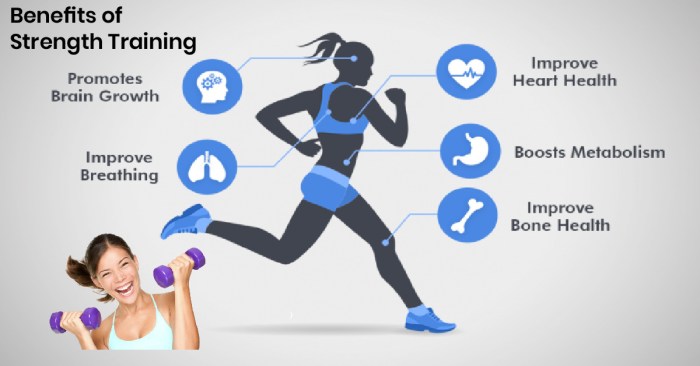
Strength training is not only beneficial for physical fitness and mental wellness but also plays a crucial role in preventive care. By incorporating strength training exercises into your routine, you can significantly reduce the risk of injuries, improve joint health and flexibility, and lower the chances of developing chronic conditions.
Injury Prevention
Strength training helps strengthen muscles, tendons, and ligaments, providing better support and stability to your joints. This, in turn, can help prevent injuries, especially during physical activities or sports that put stress on the body. By improving overall strength and balance, you can reduce the likelihood of strains, sprains, and other common injuries.
Joint Health and Flexibility
Engaging in regular strength training exercises can help maintain and improve joint health by promoting better alignment and reducing the risk of degenerative conditions like arthritis. Additionally, strength training can enhance flexibility by increasing the range of motion in your joints, making daily movements easier and reducing the risk of stiffness or discomfort.
Risk of Chronic Conditions
Strength training has been shown to have a positive impact on various chronic conditions, including heart disease, diabetes, and osteoporosis. By building muscle mass and improving overall fitness levels, you can lower your risk of developing these conditions and manage existing ones more effectively. Strength training also helps regulate blood sugar levels, improve cardiovascular health, and strengthen bones, all of which contribute to overall wellness.
Preventive Care Routines
- Include a mix of compound and isolation exercises to target different muscle groups and movement patterns.
- Focus on proper form and technique to prevent injuries and maximize the benefits of each exercise.
- Progress gradually by increasing weight or intensity to continue challenging your muscles and avoiding plateaus.
- Combine strength training with cardiovascular exercise and flexibility training for a well-rounded fitness routine.
Balanced Diet
Maintaining a balanced diet is crucial for individuals engaged in strength training as it directly impacts muscle repair, growth, and overall performance. Proper nutrition ensures that the body has the necessary nutrients to recover and build muscle after intense workouts.
Importance of Balanced Diet for Muscle Repair and Growth
A balanced diet rich in protein, carbohydrates, healthy fats, vitamins, and minerals plays a key role in supporting muscle repair and growth post-workout. Protein is essential for muscle recovery, while carbohydrates provide the energy needed for intense training sessions. Healthy fats help with hormone production and nutrient absorption, while vitamins and minerals support overall health and well-being.
- Include lean protein sources such as chicken, fish, tofu, and legumes in every meal to support muscle repair and growth.
- Consume complex carbohydrates like whole grains, fruits, and vegetables to fuel your workouts and replenish glycogen stores.
- Aim to include healthy fats from sources like avocados, nuts, seeds, and olive oil to support hormone production and nutrient absorption.
- Ensure you are getting an adequate intake of vitamins and minerals through a variety of fruits, vegetables, and whole foods to support overall health and recovery.
Adjusting Nutrient Intake Based on Strength Training Goals
Depending on your strength training goals, nutrient intake may need to be adjusted to support muscle gain, fat loss, or overall performance. For muscle gain, focus on consuming a slightly higher calorie intake with a balance of protein, carbs, and fats. For fat loss, prioritize protein intake to maintain muscle mass while creating a calorie deficit. For overall performance, ensure you are getting enough calories to fuel your workouts and support recovery.
- Track your macronutrient intake to ensure you are meeting your protein, carb, and fat goals based on your training objectives.
- Adjust your calorie intake based on your energy expenditure and goals, whether it’s muscle gain, fat loss, or maintenance.
- Stay hydrated and consume adequate fluids to support digestion, nutrient absorption, and overall performance during strength training sessions.
Meal Plans for Individuals Engaged in Strength Training
Here are some examples of meal plans that cater to individuals engaged in strength training:
| Meal | Food |
|---|---|
| Breakfast | Scrambled eggs with spinach and whole grain toast |
| Snack | Greek yogurt with berries and almonds |
| Lunch | Grilled chicken salad with quinoa and avocado |
| Snack | Protein shake with banana and peanut butter |
| Dinner | Salmon with sweet potato and steamed broccoli |
Regular Exercise
Regular exercise is crucial for maintaining overall health and well-being, and incorporating strength training into a consistent workout routine can have numerous benefits. Consistency in strength training plays a key role in enhancing physical fitness by building muscle strength, improving endurance, and boosting metabolism.
Significance of Strength Training in a Regular Exercise Routine
Strength training helps to increase muscle mass, which in turn can lead to a higher resting metabolic rate. This means that even when at rest, individuals who engage in regular strength training burn more calories throughout the day. Additionally, building muscle strength can improve overall body composition, increase bone density, and enhance joint stability.
Benefits of Combining Strength Training with Other Forms of Exercise
Incorporating strength training into a workout routine that includes cardiovascular exercises, such as running or cycling, can provide a well-rounded approach to fitness. Cardiovascular exercises help improve cardiovascular health, while strength training focuses on building muscle strength and endurance. This combination can lead to enhanced overall physical fitness, increased energy levels, and improved athletic performance.
Examples of Workout Schedules Prioritizing Strength Training
– Monday: Strength training focusing on upper body (e.g., bench press, bicep curls)
– Tuesday: Cardiovascular exercise (e.g., running, swimming)
– Wednesday: Strength training focusing on lower body (e.g., squats, lunges)
– Thursday: Yoga or Pilates for flexibility and core strength
– Friday: Full-body strength training circuit
– Saturday: Rest day or light activity (e.g., walking, stretching)
– Sunday: Outdoor activity or recreational sport for variety and enjoyment
By incorporating regular strength training sessions into a weekly workout schedule, individuals can experience a wide range of physical benefits that contribute to overall health and well-being.
Mental Health
Strength training not only benefits physical fitness but also plays a significant role in improving mental health outcomes. The connection between strength training and mental well-being is profound and can positively impact overall wellness.
Alleviating Stress and Anxiety
Strength training has been shown to be an effective tool in reducing stress and anxiety levels. Engaging in regular strength training sessions helps release endorphins, also known as ‘feel-good’ hormones, which can elevate mood and reduce feelings of stress and anxiety.
- Strength training provides a healthy outlet to release pent-up emotions and tension, promoting relaxation and a sense of calm.
- Building physical strength can also lead to increased self-confidence and a more positive self-image, which can contribute to better mental well-being.
- Establishing a routine with strength training can help individuals manage stress more effectively and improve their overall resilience to life’s challenges.
Personal Testimonials
“Since incorporating strength training into my fitness routine, I have noticed a significant decrease in my anxiety levels. The feeling of empowerment that comes from getting stronger physically has translated into feeling more capable of handling stress in my daily life.”
Tips for Mental Well-Being
- Start with a manageable routine: Begin with lighter weights and gradually increase the intensity as you build strength and confidence.
- Focus on proper form: Ensuring correct form during strength training not only prevents injuries but also promotes mindfulness and concentration, which can have a calming effect on the mind.
- Combine strength training with mindfulness practices such as deep breathing or meditation to enhance the mental benefits of your workouts.
Holistic Wellness
Strength training plays a crucial role in achieving holistic wellness by addressing physical fitness, mental health, and overall well-being. The interconnectedness of these aspects highlights the importance of incorporating strength training into a well-rounded wellness routine.
Integration of Strength Training
Strength training not only helps improve physical strength and endurance but also contributes to mental wellness by reducing stress and anxiety. By engaging in regular strength training sessions, individuals can enhance their overall well-being and quality of life.
Strategies for Achieving Holistic Wellness
– Incorporate strength training exercises into your weekly workout routine to improve muscle tone and bone density.
– Practice mindfulness and meditation to enhance mental clarity and reduce stress levels.
– Prioritize healthy eating habits by consuming a balanced diet rich in fruits, vegetables, lean proteins, and whole grains.
– Get an adequate amount of sleep each night to support recovery and promote overall well-being.
– Stay hydrated throughout the day to maintain optimal physical and mental performance.
Examples of Holistic Wellness Routines
- Monday: Strength training session focusing on upper body exercises followed by a yoga class for flexibility and relaxation.
- Wednesday: Cardio workout such as running or cycling outdoors to boost cardiovascular health, combined with a nutritious post-workout meal.
- Friday: Full-body strength training routine incorporating compound movements like squats, deadlifts, and lunges for overall muscle development.
Chronic Diseases
Strength training is not only beneficial for physical fitness but also plays a crucial role in managing and preventing certain chronic diseases. Let’s delve into how strength training can positively impact conditions like diabetes, heart disease, and osteoporosis.
Diabetes, Benefits of strength training for physical fitness
Strength training has been shown to improve insulin sensitivity, allowing better control of blood sugar levels in individuals with diabetes. Research studies have demonstrated that regular strength training can lead to reduced HbA1c levels, which is a key marker for long-term blood sugar control in diabetic patients. By increasing muscle mass and improving glucose metabolism, strength training can help individuals with diabetes better manage their condition.
Heart Disease
Engaging in strength training exercises can help lower blood pressure, reduce bad cholesterol levels, and improve overall cardiovascular health. This can significantly reduce the risk of developing heart disease or experiencing cardiac events. Incorporating strength training into a well-rounded exercise routine can strengthen the heart muscle, improve circulation, and promote better heart function.
Osteoporosis
Strength training is essential for maintaining bone density and reducing the risk of osteoporosis, especially in older adults. Weight-bearing exercises, such as lifting weights or using resistance bands, can stimulate bone growth and increase bone strength. Research has shown that targeted strength training programs can help prevent bone loss and improve bone mineral density, reducing the risk of fractures associated with osteoporosis.
Immunity Boosters
Strength training plays a crucial role in boosting immunity by improving overall physical fitness and immune function. The relationship between strength training and immune health is significant, as regular exercise can enhance the body’s defense mechanisms.
Benefits of Strength Training for Immune Health
- Increased Production of White Blood Cells: Strength training can stimulate the production of white blood cells, which are essential for fighting off infections and illnesses.
- Reduced Inflammation: By reducing chronic inflammation in the body, strength training can help the immune system function more effectively.
- Enhanced Circulation: Improved blood flow from strength training can ensure that immune cells are transported efficiently throughout the body.
- Stress Reduction: Regular strength training can reduce stress levels, which can have a positive impact on immune function.
General Inquiries: Benefits Of Strength Training For Physical Fitness
How often should I engage in strength training sessions?
It is recommended to aim for at least 2-3 strength training sessions per week to see optimal results and improvements in muscle strength and endurance.
Can strength training help with weight management?
Absolutely, strength training not only builds muscle but also boosts metabolism, helping in weight management by burning more calories even at rest.
Is it necessary to follow a specific diet while engaging in strength training?
While there is no one-size-fits-all diet for strength training, focusing on a balanced diet rich in lean proteins, whole grains, and fruits and vegetables can enhance the benefits of your workouts.
How does strength training contribute to mental wellness?
Strength training releases endorphins, the feel-good hormones, which can help reduce stress, anxiety, and improve overall mood and mental well-being.