Mental Wellness
Regular exercise plays a crucial role in promoting mental well-being for individuals managing diabetes. Physical activity has been shown to have a positive impact on mental health, offering a range of benefits that can enhance overall quality of life for those dealing with diabetes.
Reduced Stress and Anxiety
Engaging in regular exercise can help reduce stress and anxiety levels in individuals with diabetes. Physical activity stimulates the production of endorphins, also known as “feel-good” hormones, which can elevate mood and promote relaxation. By incorporating exercise into their routine, individuals can better manage the stress associated with diabetes management, leading to improved mental well-being.
Improved Cognitive Function
Exercise has been linked to improved cognitive function, including enhanced memory, concentration, and overall cognitive performance. For individuals managing diabetes, maintaining optimal cognitive function is essential for effective self-care and disease management. Regular physical activity can help sharpen cognitive abilities and promote mental clarity, contributing to better overall health outcomes.
Enhanced Sleep Quality
Quality sleep is essential for individuals with diabetes, as inadequate rest can negatively impact blood sugar levels and overall health. Regular exercise has been shown to improve sleep quality by regulating sleep patterns and promoting relaxation. By establishing a consistent exercise routine, individuals can experience better sleep, leading to improved mental wellness and overall health.
Social Connection and Support
Engaging in group exercise activities or classes can provide opportunities for social connection and support, which are crucial for mental well-being. Building relationships with others who share similar experiences can offer emotional support, reduce feelings of isolation, and enhance overall mental health. By participating in exercise programs with a supportive community, individuals managing diabetes can experience a sense of belonging and camaraderie, ultimately improving their mental wellness.
Physical Fitness
Regular exercise plays a crucial role in improving physical fitness levels for individuals managing diabetes. By engaging in consistent physical activity, individuals can enhance their overall health and well-being, leading to better management of their condition.
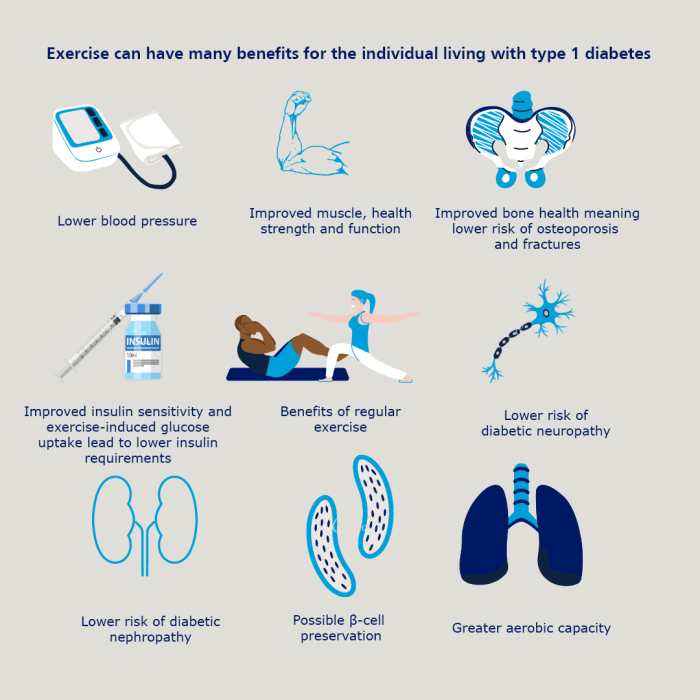
Impact of Regular Exercise, Benefits of regular exercise for diabetes management
Regular exercise helps individuals with diabetes improve their physical fitness levels by increasing cardiovascular endurance, muscle strength, flexibility, and overall stamina. Physical activity also aids in maintaining a healthy body weight and reducing the risk of developing complications associated with diabetes.
- Cardiovascular Exercises: Activities such as brisk walking, cycling, swimming, and dancing help improve heart health, boost circulation, and enhance overall fitness levels.
- Strength Training: Including resistance training exercises like weightlifting or bodyweight exercises can help build muscle mass, improve metabolism, and increase strength, which is beneficial for individuals with diabetes.
- Flexibility and Balance Exercises: Incorporating yoga, Pilates, or stretching routines can enhance flexibility, balance, and coordination, reducing the risk of falls and injuries.
- Interval Training: Alternating between high-intensity bursts of activity and rest periods can improve cardiovascular fitness, burn calories, and regulate blood sugar levels effectively.
Role of Physical Fitness in Overall Health
Physical fitness is essential for individuals with diabetes as it contributes to better blood sugar control, reduced insulin resistance, improved mood, increased energy levels, and enhanced quality of life. By maintaining an active lifestyle and focusing on physical fitness, individuals can better manage their diabetes and minimize the impact of related health complications.
Healthy Eating
Regular exercise plays a crucial role in managing diabetes, but it is equally important to complement physical activity with a healthy diet. Adopting nutritious eating habits can significantly improve blood sugar control and overall health for individuals with diabetes.
Connection between Exercise and Healthy Eating
A balanced diet rich in fruits, vegetables, whole grains, lean proteins, and healthy fats can enhance the benefits of regular exercise for diabetes management. These foods provide essential nutrients and energy to support physical activity and help regulate blood sugar levels effectively.
Nutritious Foods for Diabetes Management
- Leafy greens like spinach and kale, which are high in fiber and low in carbohydrates.
- Lean proteins such as chicken, fish, tofu, and legumes to promote muscle growth and repair.
- Whole grains like quinoa, brown rice, and oats for sustained energy release.
- Fruits like berries, apples, and citrus fruits for vitamins, minerals, and antioxidants.
- Healthy fats from sources like avocados, nuts, seeds, and olive oil to support heart health.
Importance of Balanced Diet and Exercise
A combination of regular exercise and a balanced diet is essential for optimal diabetes management. While exercise helps improve insulin sensitivity and blood sugar control, a healthy diet provides the necessary nutrients to support physical activity and overall well-being. By incorporating both elements into daily routines, individuals with diabetes can effectively manage their condition and reduce the risk of complications.
Preventive Care
Regular exercise plays a crucial role as a form of preventive care for individuals at risk of developing diabetes. By incorporating physical activity into daily routines, individuals can significantly reduce the risk of complications associated with diabetes through preventive measures.
Role of Physical Activity
Regular physical activity helps in improving insulin sensitivity, which is essential for managing blood sugar levels. It also aids in maintaining a healthy weight, reducing inflammation, and improving cardiovascular health. These factors are key in preventing the onset of diabetes and its associated complications.
- Exercise helps in regulating blood sugar levels by increasing glucose uptake by the muscles, thus reducing the risk of insulin resistance.
- Physical activity promotes weight loss or weight maintenance, which is crucial in preventing obesity-related diabetes.
- Regular exercise improves cardiovascular health, reducing the risk of heart disease and other complications related to diabetes.
Balanced Diet: Benefits Of Regular Exercise For Diabetes Management
Maintaining a balanced diet is crucial for individuals with diabetes to effectively manage their condition alongside regular exercise. A balanced diet helps regulate blood sugar levels, provides essential nutrients, and supports overall health outcomes.
Creating a Balanced Diet Plan
- Include a variety of fruits and vegetables to ensure a good intake of vitamins, minerals, and fiber.
- Incorporate whole grains like brown rice, quinoa, and whole wheat bread for sustained energy and fiber content.
- Choose lean protein sources such as skinless poultry, fish, legumes, and tofu to support muscle health.
- Limit processed foods, sugary beverages, and high-fat snacks to control blood sugar spikes and maintain a healthy weight.
- Monitor portion sizes and spread out meals throughout the day to prevent drastic fluctuations in blood sugar levels.
Impact on Blood Sugar Levels and Health Outcomes
A balanced diet plays a crucial role in managing blood sugar levels for individuals with diabetes. By consuming a variety of nutrient-dense foods in appropriate portions, individuals can better control their blood sugar levels and reduce the risk of complications associated with diabetes. Additionally, a balanced diet supports overall health outcomes by providing essential nutrients for optimal bodily functions and maintaining a healthy weight.
Regular Exercise
Regular exercise plays a crucial role in managing blood sugar levels for individuals with diabetes. It helps improve insulin sensitivity, allowing cells to better use available insulin to take up glucose from the bloodstream.
Types of Exercises for Individuals with Diabetes
- Aerobic Exercises: Activities like walking, jogging, swimming, or cycling help increase heart rate and improve cardiovascular health. Aim for at least 150 minutes of moderate-intensity aerobic exercise per week.
- Strength Training: Weightlifting or resistance exercises help build muscle mass, which can enhance glucose uptake and improve overall metabolism. Include strength training exercises at least 2-3 times per week.
- Flexibility and Balance Exercises: Yoga or Tai Chi can help improve flexibility, balance, and reduce stress levels, which are beneficial for overall well-being.
Recommended Frequency and Duration
Regular exercise is recommended on most days of the week, aiming for at least 30 minutes of moderate-intensity activity each day. It is important to consult with a healthcare provider or a fitness professional to create a personalized exercise plan that suits individual needs and health goals.
Mental Health
Regular exercise plays a crucial role in improving mental health for individuals with diabetes. Physical activity has been shown to positively impact mood, reduce stress levels, and enhance overall well-being in those managing diabetes. Let’s explore the significant effects of exercise on mental health in the context of diabetes management.
Positive Impact on Mood and Stress Levels
Regular exercise has been proven to release endorphins, also known as “feel-good” hormones, which can help improve mood and reduce feelings of anxiety or depression. By engaging in physical activity, individuals with diabetes can experience a boost in their mental well-being, leading to a more positive outlook on life.
Case Studies and Personal Stories
Numerous case studies and personal stories highlight the transformative effects of exercise on mental health for individuals with diabetes. For example, Sarah, a diabetic patient, noticed a significant decrease in her stress levels and an improvement in her overall mood after incorporating daily walks into her routine. These real-life examples demonstrate the power of physical activity as a form of therapy for managing mental health challenges associated with diabetes.
Physical Activity as Therapy
Exercise can act as a therapeutic tool for individuals with diabetes to cope with the mental health challenges they may face. Whether it’s through aerobic activities like running or cycling, or mind-body exercises like yoga or tai chi, physical activity can help reduce stress, improve mood, and promote emotional well-being. By incorporating regular exercise into their diabetes management plan, individuals can take proactive steps towards enhancing their mental health and overall quality of life.
Holistic Wellness
Regular exercise plays a crucial role in achieving holistic wellness for individuals managing diabetes. It is not just about physical fitness but also encompasses mental and emotional well-being, creating a balanced approach to overall health.
Interconnectedness of Physical, Mental, and Emotional Health
- Regular exercise helps in regulating blood sugar levels, improving cardiovascular health, and reducing the risk of complications associated with diabetes.
- Physical activity also releases endorphins, which are known as ‘feel-good’ hormones, promoting mental wellness and reducing stress and anxiety.
- Emotional well-being is enhanced through exercise as it boosts self-esteem, confidence, and overall mood, leading to a positive outlook on life.
Holistic Approaches for Comprehensive Diabetes Care
- Integrating regular exercise routines with proper nutrition is essential for managing diabetes effectively. A balanced diet rich in nutrients supports overall health and complements the benefits of physical activity.
- Engaging in mindfulness practices such as yoga or meditation alongside exercise can help individuals cope with the emotional challenges of diabetes and improve mental well-being.
- Creating a support network of healthcare professionals, family, and friends who understand the holistic approach to diabetes management can provide encouragement, motivation, and guidance throughout the journey towards wellness.
Chronic Diseases
Regular exercise plays a crucial role in managing chronic diseases such as diabetes by helping to control blood sugar levels, improve insulin sensitivity, and reduce the risk of complications associated with the condition. Additionally, exercise can lead to better cardiovascular health, weight management, and overall well-being for individuals with diabetes.
Impact on Other Chronic Conditions
Regular physical activity can also have a positive impact on other chronic conditions commonly seen in individuals with diabetes, such as hypertension, high cholesterol, and heart disease. Exercise helps to lower blood pressure, improve lipid profiles, and strengthen the heart muscle, thereby reducing the risk of cardiovascular events.
Holistic Approach to Health
Taking a holistic approach to health, which includes regular exercise, can benefit individuals dealing with multiple chronic diseases by improving overall physical and mental well-being. Exercise not only helps to manage individual conditions but also contributes to a healthier lifestyle that can prevent the development of additional chronic diseases in the future.
Immunity Boosters
Regular exercise plays a crucial role in boosting the immune system of individuals managing diabetes. By incorporating immune-boosting exercises into their routine, individuals can reduce the risk of infections and illnesses, leading to overall improved wellness.
Benefits of Regular Exercise for Immune Function in Diabetes Management
Regular physical activity can enhance immune function in individuals with diabetes in several ways. Exercise helps in improving circulation, which allows immune cells to move more efficiently throughout the body to combat infections. Additionally, exercise can reduce inflammation, which is a common issue in diabetes and can weaken the immune system. By engaging in regular exercise, individuals can also manage stress levels, another factor that can impact immune function negatively.
- Cardiovascular exercises such as brisk walking, cycling, or swimming can help improve circulation and enhance immune response.
- Strength training exercises can build muscle mass, which plays a role in immune function and overall health.
- Yoga and meditation can help reduce stress levels, which in turn can boost the immune system.
Key Questions Answered
Benefits of regular exercise for diabetes management – How does regular exercise help in managing blood sugar levels?
Regular exercise aids in improving insulin sensitivity, allowing cells to use blood sugar more effectively, thus helping in managing blood sugar levels.
What are some examples of immune-boosting exercises for individuals with diabetes?
Activities like brisk walking, cycling, and swimming can boost the immune system and contribute to overall wellness for individuals managing diabetes.
Can exercise alone prevent the development of diabetes?
While exercise plays a crucial role in preventing diabetes, it is essential to combine it with a balanced diet and regular monitoring of blood sugar levels for effective prevention.
How does regular exercise impact mental well-being in individuals with diabetes?
Exercise releases endorphins, which are known to improve mood and reduce stress, contributing to enhanced mental well-being for individuals managing diabetes.
Is there an ideal workout routine for individuals with diabetes?
Consulting with a healthcare provider to create a personalized workout plan based on individual needs and fitness levels is recommended for those managing diabetes.