Mental Wellness
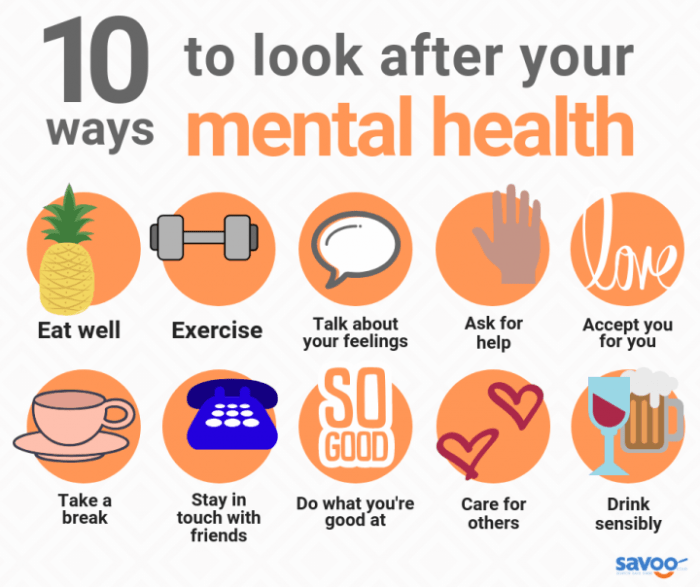
Maintaining mental wellness is crucial for overall health as it directly impacts how we think, feel, and act in our daily lives. It contributes to our ability to handle stress, relate to others, and make healthy choices. Neglecting mental wellness can lead to various mental health conditions such as anxiety, depression, and mood disorders.
Activities Promoting Mental Wellness
- Regular exercise: Physical activity releases endorphins, which are known to improve mood and reduce feelings of stress and anxiety.
- Mindfulness and meditation: Practicing mindfulness helps in staying present and reducing negative thoughts.
- Social connections: Engaging with friends and family members can provide emotional support and a sense of belonging.
- Healthy diet: Eating nutritious foods can positively impact mental health and overall well-being.
Connection between Mental Wellness and Preventive Care Practices
Maintaining mental wellness through activities like exercise, mindfulness, social connections, and a healthy diet is a form of preventive care for mental health. By incorporating these practices into our daily routine, we can reduce the risk of developing mental health conditions and improve our overall quality of life.
Physical Fitness
Regular physical activity plays a crucial role in maintaining good mental health. Exercise has been shown to reduce symptoms of anxiety and depression, improve mood, boost self-esteem, and enhance cognitive function.
Types of Physical Exercises
- Aerobic exercises: Activities like running, swimming, or biking that increase heart rate and improve cardiovascular health.
- Strength training: Lifting weights or using resistance bands to build muscle strength and endurance.
- Yoga: Combining physical postures, breathing techniques, and meditation to promote relaxation and reduce stress.
- Dance: Fun and energetic movements that not only improve physical fitness but also uplift mood and creativity.
Benefits of Incorporating Physical Fitness
- Release of endorphins: Exercise triggers the release of endorphins, also known as “feel-good” hormones, which can reduce feelings of stress and anxiety.
- Improved sleep: Regular physical activity can help regulate sleep patterns and improve the quality of sleep, leading to better mental health overall.
- Enhanced self-confidence: Achieving fitness goals and feeling stronger physically can boost self-esteem and self-image.
- Reduced risk of chronic illnesses: Regular exercise can lower the risk of developing conditions such as heart disease, diabetes, and obesity, which can have a negative impact on mental well-being.
Healthy Eating
Eating a nutritious diet plays a crucial role in maintaining good mental health. The food we consume provides essential nutrients that support brain function and help regulate mood. Making healthy food choices can lead to improved mental well-being and overall emotional balance.
The Role of Nutrition in Mental Health
Nutrition affects the structure and function of our brain, influencing neurotransmitter levels and overall cognitive performance. Consuming a diet rich in vitamins, minerals, antioxidants, and omega-3 fatty acids can promote mental clarity, focus, and emotional stability.
- Foods rich in omega-3 fatty acids, such as salmon, walnuts, and flaxseeds, support brain health and may reduce symptoms of depression and anxiety.
- Dark leafy greens like spinach and kale are high in folate, a B vitamin that plays a key role in neurotransmitter synthesis and mood regulation.
- Whole grains, legumes, and lean proteins provide a steady source of energy and essential amino acids that contribute to optimal brain function.
Healthy Eating Habits as Preventive Care, Preventive care practices for mental health
Establishing healthy eating habits is a form of preventive care for mental health. Consistently choosing nutrient-dense foods over processed or sugary options can help stabilize blood sugar levels, improve concentration, and enhance emotional resilience. By prioritizing a balanced diet, individuals can proactively support their mental well-being and reduce the risk of developing mood disorders or cognitive decline.
Preventive Care
Preventive care practices for mental health are proactive measures taken to maintain and enhance mental well-being, reducing the risk of developing mental health issues.
Define Preventive Care Practices
Preventive care practices for mental health include regular exercise, stress management techniques, healthy eating habits, adequate sleep, mindfulness practices, and seeking professional help when needed.
Share Strategies for Implementing Preventive Care Routines
- Establish a routine: Create a daily schedule that includes time for self-care activities such as exercise, meditation, and relaxation.
- Stay connected: Build a support system of friends, family, or mental health professionals to lean on in times of need.
- Practice mindfulness: Engage in activities that promote mindfulness, such as yoga, deep breathing exercises, or journaling.
- Limit screen time: Reduce exposure to screens and social media to prevent mental fatigue and promote overall well-being.
- Seek professional help: Regularly check in with a mental health professional to discuss any concerns or changes in mental health.
Discuss the Long-term Benefits of Prioritizing Preventive Care for Mental Well-being
By prioritizing preventive care for mental health, individuals can experience improved mood, increased resilience to stress, enhanced cognitive function, better relationships, and overall higher quality of life. Additionally, preventing mental health issues before they arise can lead to reduced healthcare costs and increased productivity in various aspects of life.
Balanced Diet
Eating a balanced diet is crucial for maintaining good mental health. The food we consume plays a significant role in how our brain functions and how we feel emotionally.
Essential Nutrients for Mental Well-being
There are several key nutrients that are essential for promoting mental well-being:
- Omega-3 fatty acids: Found in fatty fish, flaxseeds, and walnuts, omega-3s are important for brain health and can help reduce symptoms of depression and anxiety.
- Vitamin B12: This vitamin is crucial for nerve function and the production of neurotransmitters that regulate mood. Sources include meat, dairy, and fortified cereals.
- Magnesium: Magnesium plays a role in regulating neurotransmitters involved in mood and relaxation. Foods like nuts, seeds, and leafy greens are good sources.
- Amino acids: Amino acids like tryptophan and tyrosine are precursors to neurotransmitters like serotonin and dopamine, which play a role in mood regulation. Foods like turkey, eggs, and dairy products contain these amino acids.
Preventing Mental Health Issues
A balanced diet can help prevent mental health issues by providing the necessary nutrients for optimal brain function and emotional well-being. Nutrient deficiencies can lead to imbalances in neurotransmitters, which can contribute to conditions like depression, anxiety, and mood disorders. By ensuring a diet rich in essential nutrients, individuals can support their mental health and reduce the risk of developing mental health issues.
Regular Exercise: Preventive Care Practices For Mental Health
Regular exercise plays a crucial role in promoting mental well-being and overall mental health. Engaging in physical activity on a consistent basis has been shown to have numerous benefits for mental health.
Types of Exercises for Mental Well-Being
- Cardiovascular exercises, such as running, swimming, or cycling, help release endorphins and reduce stress levels.
- Strength training exercises, like weightlifting or bodyweight exercises, can improve self-esteem and boost mood.
- Yoga and Pilates focus on mindfulness and relaxation, reducing symptoms of anxiety and depression.
Relationship between Exercise and Preventive Care for Mental Health
Regular exercise is a key component of preventive care for mental health. By incorporating physical activity into your routine, you can reduce the risk of developing mental health issues such as depression and anxiety. Exercise also helps in managing symptoms for those already dealing with mental health conditions, improving overall quality of life.
Holistic Wellness
Holistic wellness focuses on the overall well-being of an individual, encompassing the mind, body, and spirit. In relation to mental health, holistic wellness emphasizes the interconnectedness of various aspects of a person’s life and how they contribute to mental well-being.
Examples of Holistic Practices
- Yoga and meditation: These practices help reduce stress, anxiety, and improve mental clarity.
- Acupuncture and acupressure: Traditional Chinese medicine techniques that can help alleviate symptoms of depression and anxiety.
- Aromatherapy: The use of essential oils to promote relaxation and improve mood.
- Art therapy: Engaging in creative activities to express emotions and reduce stress.
Incorporating Holistic Wellness for Preventive Care
By incorporating holistic wellness practices into preventive care for mental health, individuals can address underlying issues that may contribute to mental health challenges. This approach focuses on treating the root causes of problems rather than just the symptoms, leading to long-term well-being.
Chronic Diseases
Mental health and chronic diseases are closely linked, as individuals with chronic conditions such as diabetes, heart disease, or cancer often experience higher rates of depression, anxiety, and other mental health issues. The physical symptoms, lifestyle changes, and emotional toll of managing a chronic illness can significantly impact a person’s mental well-being.
Preventive Care Practices for Mental Health and Chronic Diseases
- Regular monitoring and management of chronic conditions through medication adherence, doctor visits, and lifestyle modifications can help reduce the risk of mental health issues.
- Engaging in stress-reducing activities such as mindfulness meditation, yoga, or deep breathing exercises can improve mental well-being for individuals dealing with chronic diseases.
- Seeking support from healthcare professionals, therapists, or support groups can provide emotional support and coping strategies for managing the challenges of living with a chronic illness.
- Maintaining a healthy lifestyle with a balanced diet, regular exercise, and adequate sleep can improve overall mental health and reduce the impact of chronic diseases on mental well-being.
Importance of Managing Chronic Conditions for Mental Well-being
Chronic diseases not only affect physical health but also have a significant impact on mental well-being. Proper management of chronic conditions is crucial in preventing the development or worsening of mental health issues such as depression, anxiety, and stress. By taking proactive steps to manage chronic diseases, individuals can improve their overall quality of life and ensure better mental health outcomes.
Immunity Boosters

Immunity boosters play a crucial role in supporting mental health by strengthening the body’s defense system against illnesses and infections. A robust immune system can help reduce the risk of developing mental health issues and improve overall well-being.
Natural Immunity Boosters for Mental Well-being
- Vitamin C: Known for its immune-boosting properties, vitamin C helps reduce stress levels and improve mood. Citrus fruits, bell peppers, and strawberries are rich sources of vitamin C.
- Probiotics: These beneficial bacteria support gut health, which is closely linked to mental health. Yogurt, kefir, and kimchi are good sources of probiotics.
- Turmeric: Curcumin, the active compound in turmeric, has anti-inflammatory and antioxidant properties that can enhance immune function and promote mental wellness.
- Garlic: Garlic contains sulfur compounds that stimulate the immune system and protect against oxidative stress, benefiting both physical and mental health.
Role of Immunity in Preventive Care for Mental Health
Immunity plays a vital role in preventive care practices for maintaining good mental health. A strong immune system can help reduce inflammation in the body, which is linked to mental health conditions like depression and anxiety. By incorporating natural immunity boosters into your diet, you can support your immune system and promote mental well-being.
Popular Questions
Can preventive care practices for mental health replace traditional treatments?
Preventive care practices are meant to complement traditional treatments, not replace them. It’s important to consult with healthcare professionals for personalized advice.
How often should one engage in preventive care practices for mental health?
Consistency is key. Aim for a balanced routine that includes mental wellness activities, physical exercise, healthy eating, and holistic approaches on a regular basis.